

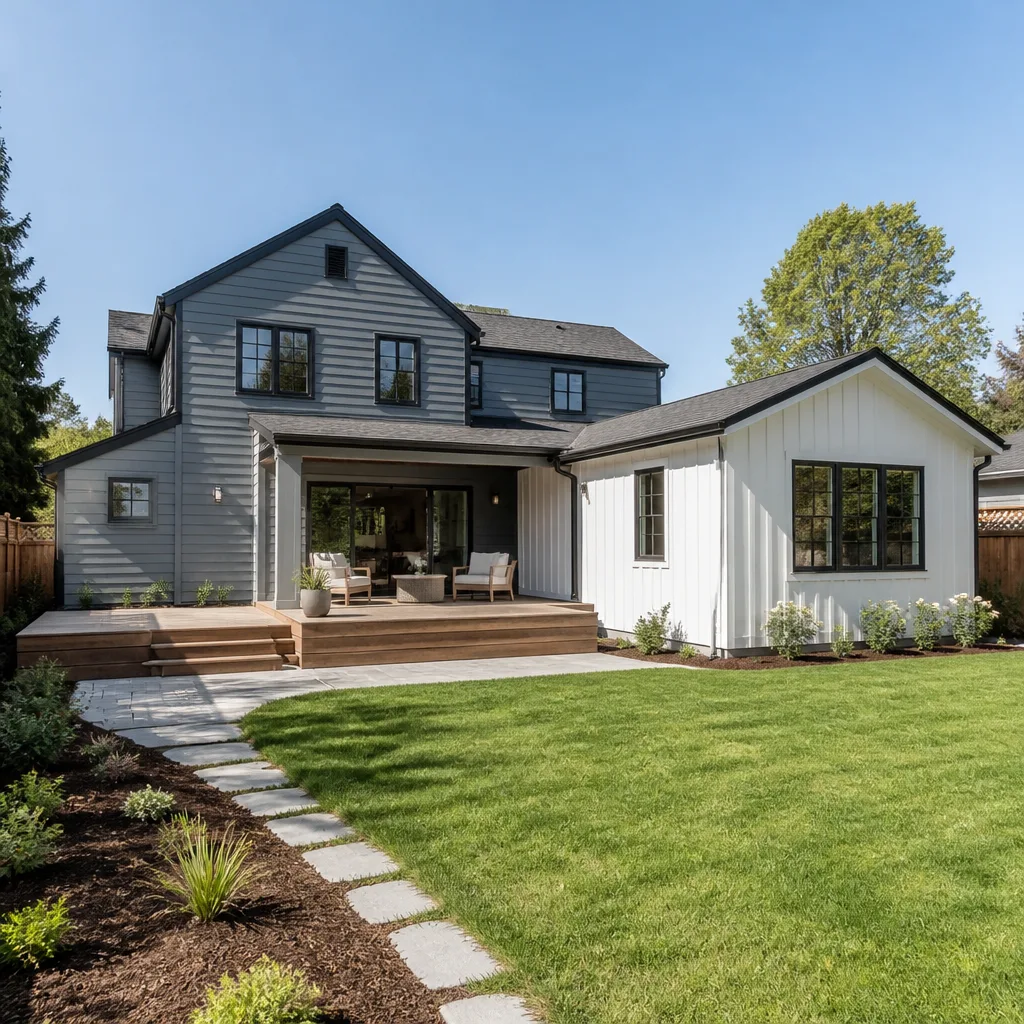
 Home additions & ADU
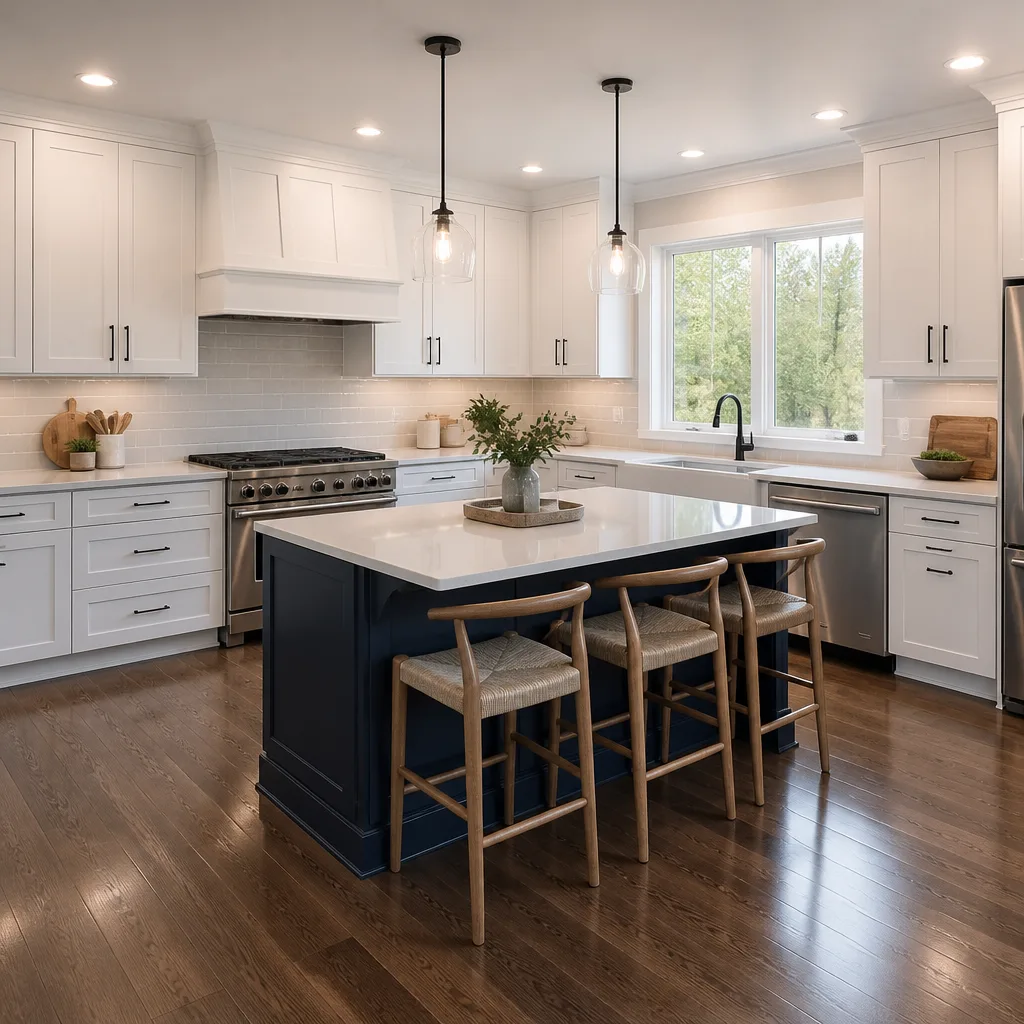 Kitchen remodeling
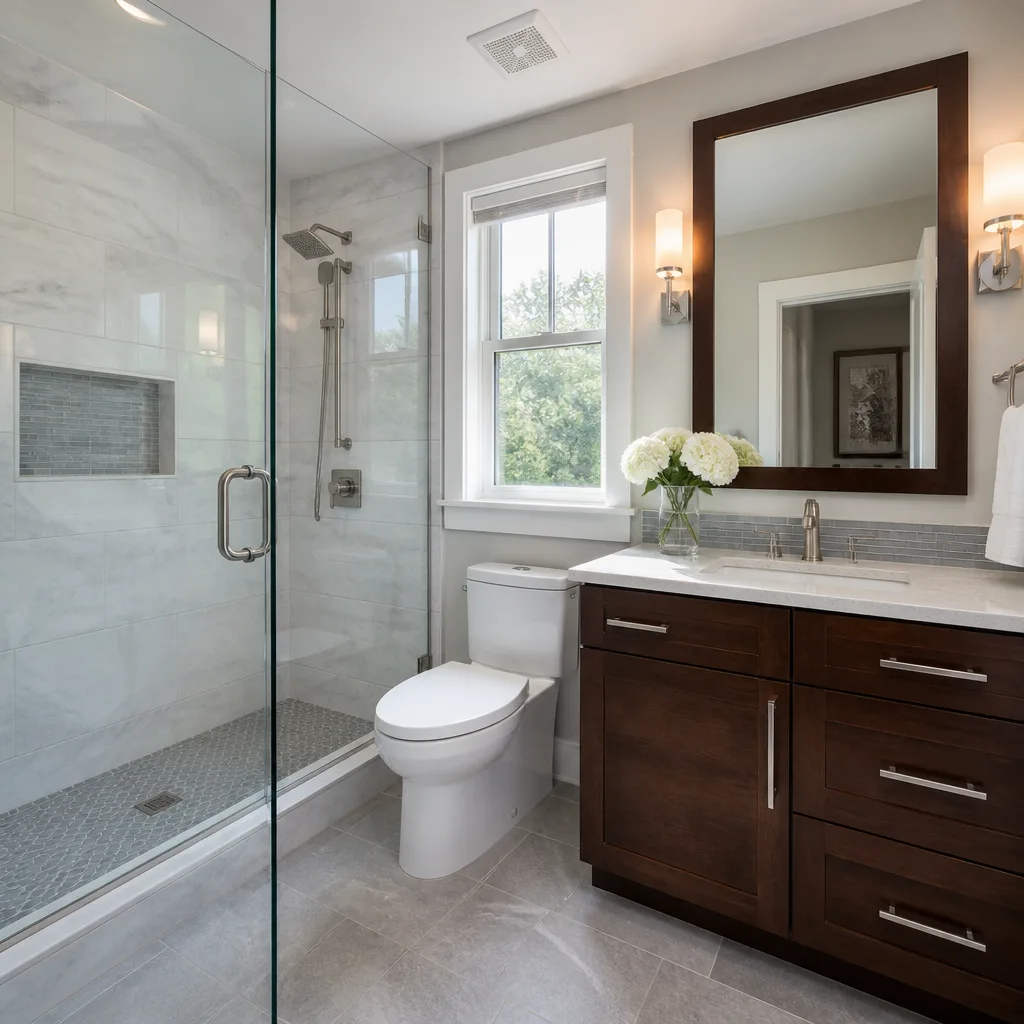 Bathroom remodeling
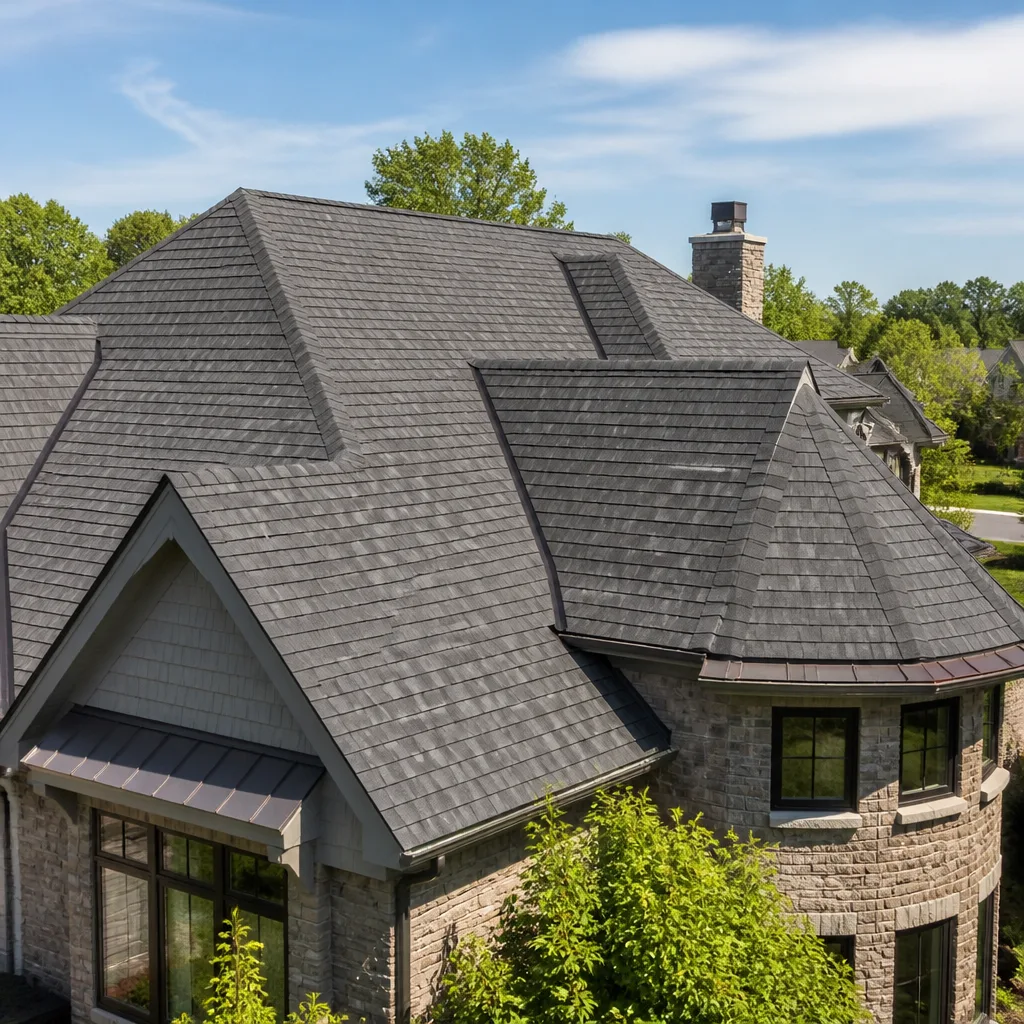 Roofing
 Windows & doors
 Driveway & pavers
 Fence
Free written scope consultation - allowances, timeline, and change-order rules on paper before a single trade is scheduled
Sakrete Home Additions & ADU: The Miami Gardens Owner’s Guide
If you’re pricing an addition or ADU in Miami Gardens and you’ve been comparing bagged Sakrete mixes against what a block-and-stucco crew actually builds with, the installed number for a real addition runs $53,100 to $153,400, and a detached ADU runs $106,200 to $259,600. We handle the site work, foundation prep, permit drawings, and finish trades that Sakrete bagged product can’t carry on its own. We’re Barrett & Sons Construction Miami Gardens, an independent contractor, and we’re not affiliated with Sakrete.
Owners usually find this out the same way. They start with a weekend project, buy bagged concrete mix at a Miami Gardens supply yard, pour a small slab or footing for a shed or a room addition, and then the inspector asks for embedment depth, mix design, and a compressive strength spec the bag doesn’t answer. Or the slab cracks through the first wet season because it went down over un-compacted fill. That’s the moment the project stops being a bag of mix and becomes a foundation question.
Key Takeaways
- Bagged concrete mix works for small flatwork and non-structural pads. It does not satisfy structural footing specs for an addition or ADU in Miami-Dade.
- Addition pricing in Miami Gardens starts around $53,100 for a modest room addition and climbs past $153,400 for larger or more finished builds.
- Every eligible addition gets permitted and inspected. Barrett & Sons pulls the permit; the inspector signs off.
- The 90-Day Done Right Promise is written on the contract, not buried in it.
Which Sakrete Models This Applies To
Sakrete isn’t a machine with a model number the way a garage door opener is. It’s a family of bagged products, and the one that matters for home additions and ADUs is the high-strength concrete mix line, usually sold in 80 lb. bags and labeled around 4000 PSI when mixed per the bag instructions. Below that sits the general-purpose concrete mix in 60 lb. and 80 lb. bags, and separate products for mortar, sand mix, and fast-setting patch.
Here’s the compatibility gotcha most homeowners miss. The PSI number on the bag is a lab number at 28 days under ideal curing. Florida’s ground conditions and summer heat change the actual result. A footing poured with bagged mix in July in Miami Gardens can cure faster than the bag assumes, and if the crew doesn’t account for that with proper wet curing, the delivered strength lands below spec. For anything structural, engineered mix from a ready-mix truck with a batch ticket is the honest answer, not 40 bags and a wheelbarrow.
To identify what you’re actually holding: read the bag’s product line and PSI rating on the front panel, check the net weight, and look at the batch and date code printed on the end seam. Mix older than about a year, or bags that have hardened at the corners, are already compromised. On the OEM-versus-aftermarket question: for bagged concrete there’s no meaningful aftermarket equivalent worth chasing. Quaternary brands from a reputable yard are fine for flatwork. For anything the inspector will look at, spec the mix on the drawings.
Styles & brands we work with
- Kitchen remodeling
- Bathroom remodeling
- Home additions & ADU
- Roofing
- Windows & doors
- Driveway & pavers
- Fence
Signs Your Sakrete Home Additions & ADU Is Failing
Concrete problems show up late and loudly. Here’s what we see in Miami Gardens and what’s usually behind it.
- Hairline cracks radiating from a corner. Shrinkage cracking from a mix that was too wet or didn’t get control joints cut in time. Surface-level cracks are often cosmetic; cracks wider than a credit card are a structural question.
- Spalling or flaking on the top surface. Usually a curing problem, or a slab poured too thin over a base that settled. In Miami Gardens, the high water table and heavy summer rain accelerate it.
- A slab that sounds hollow when you tap it. The mix delaminated from the base, meaning prep was skipped. This one doesn’t fix itself.
- Footing showing exposed aggregate or washout. Mix was placed without proper form support and the cement paste washed away. It’s a rebuild, not a patch.
- Efflorescence, that white chalky bloom. Moisture moving through the concrete. Sometimes harmless, sometimes the first sign of a drainage problem that will undermine the whole addition.
Any of those on an addition footprint is a stop-and-look moment before more money goes in on top of it.
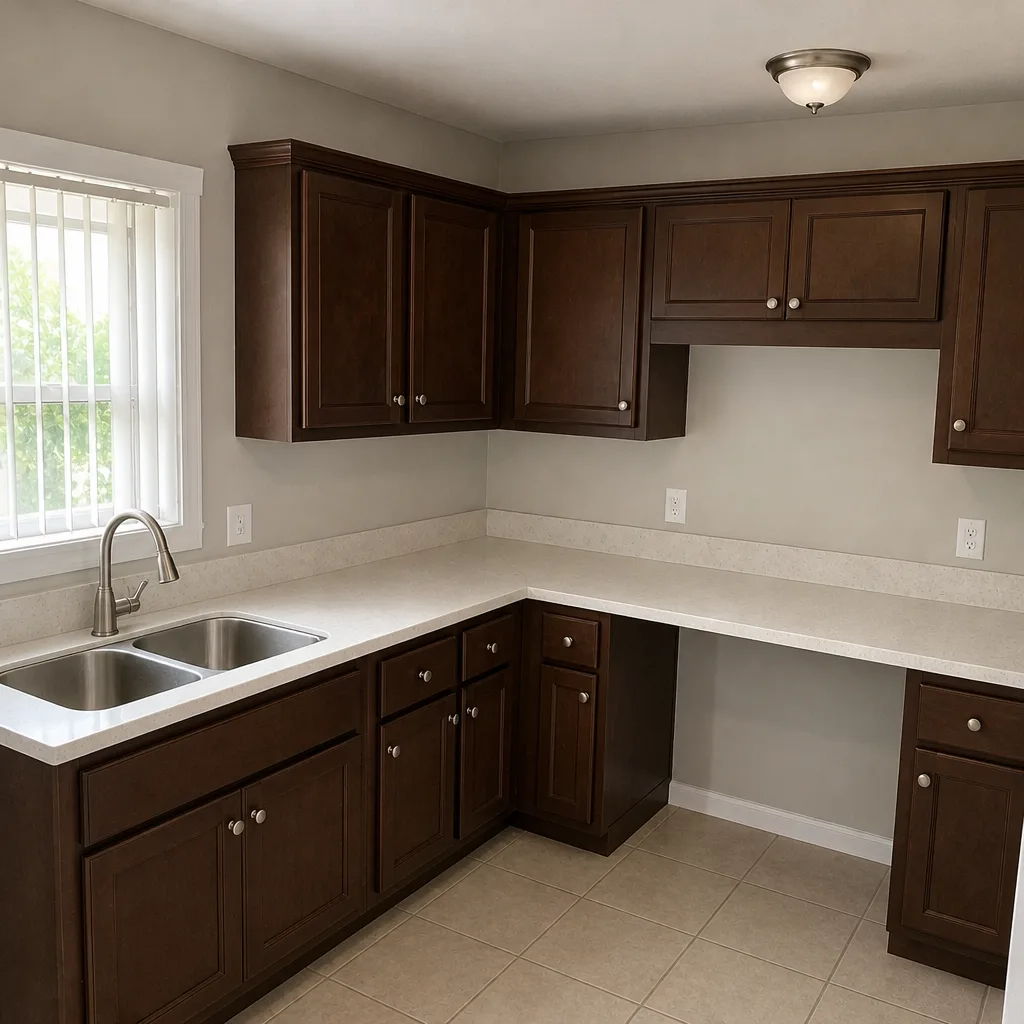
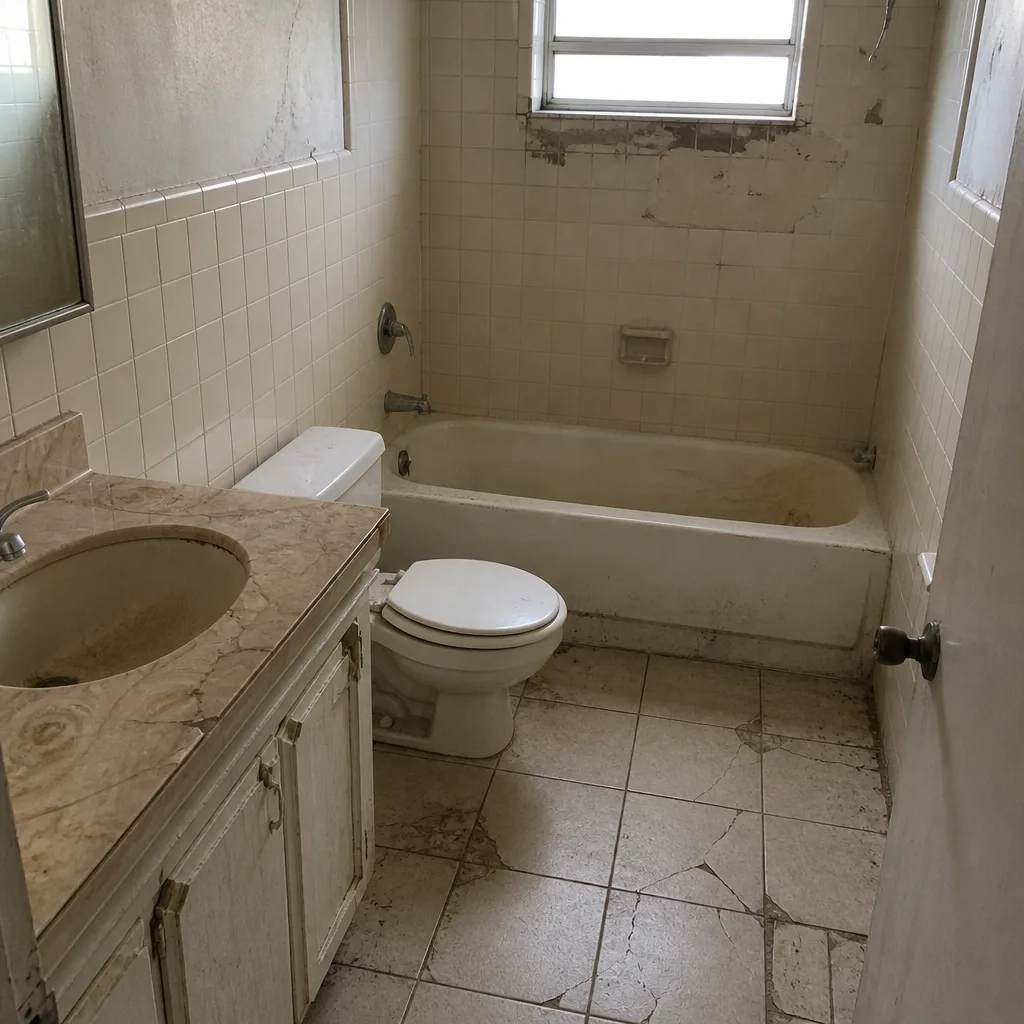
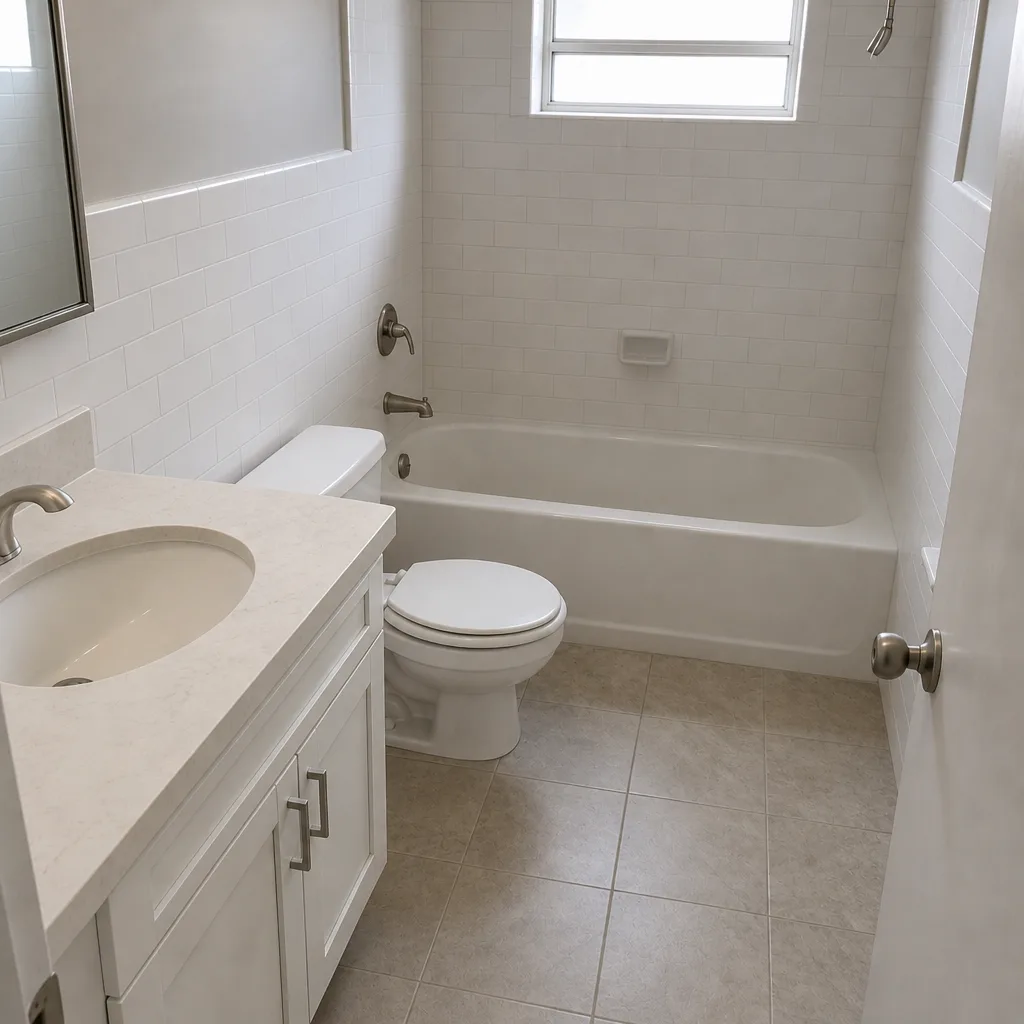
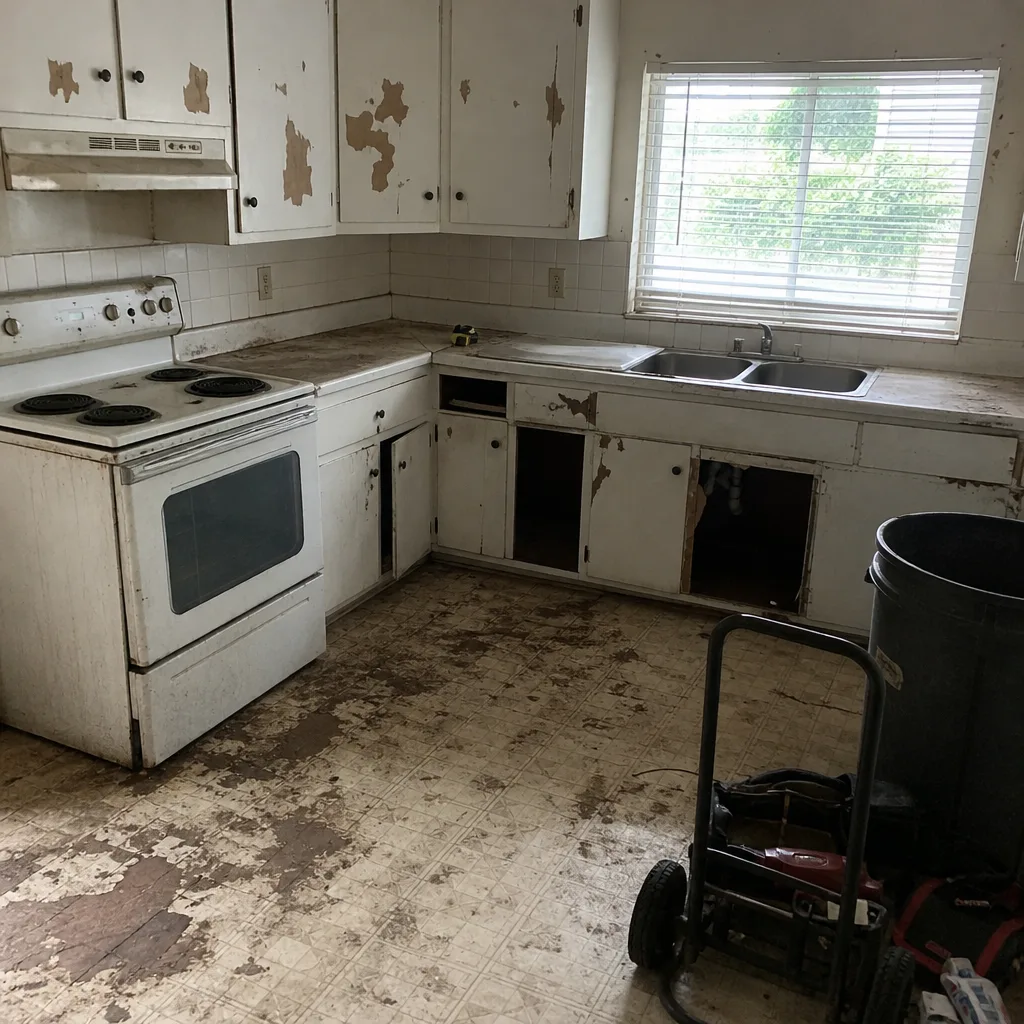
See the difference
 Before
 After
 Before
 After
 Before
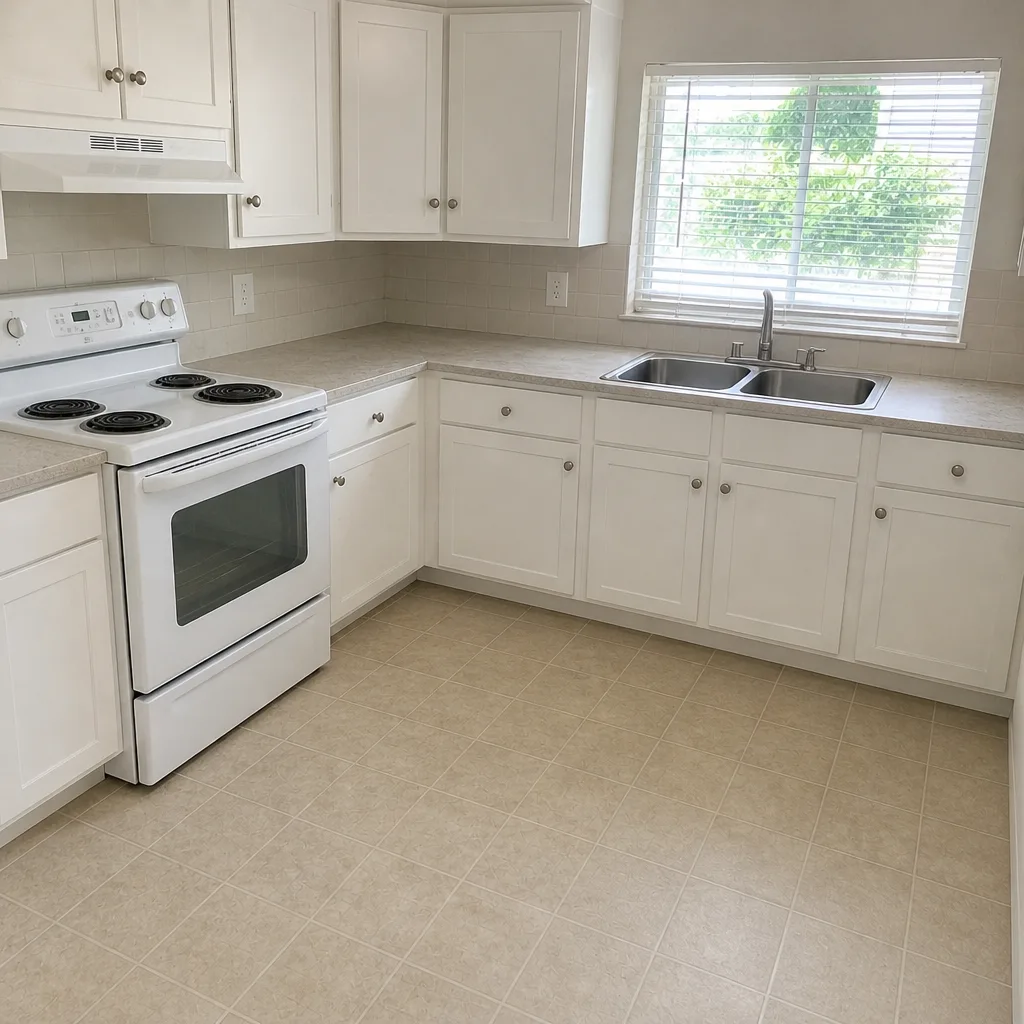 After
Replacement Cost & What’s Included
Installed addition pricing in Miami Gardens runs $53,100 to $153,400 for a home addition, $106,200 to $259,600 for a detached ADU, and $35,400 to $94,400 for a garage conversion. Those numbers include the site work, foundation, framing, roof tie-in, and finish out to the level you choose. ADUs sit at the high end because they carry a full second set of systems: kitchen, bath, separate electrical, and a second address with Miami-Dade.
What drives the range: square footage, whether the foundation needs engineered footings versus a slab-on-grade, roof complexity where the addition ties into the existing house, and finish level. We quote parts and labor separately on the line item so you can see what the concrete, block, and lumber actually cost versus what the crew is doing. Every price change arrives as a written change order before the work happens. Every eligible job gets permitted and inspected, and the finished work carries the 90-Day Done Right Promise.
DIY or Call Us?
Bagged Sakrete is genuinely useful for a patio pad, a walkway, or a shed base under about 100 square feet. If that’s the whole project, go build it. Where DIY goes wrong on additions is the moment the pour becomes a footing the house sits on. Bagged mix, hand-mixed in a wheelbarrow, doesn’t give you the consistency or the batch documentation a footing needs. If the sample cylinder fails, you’ve got a tear-out, and a tear-out costs more than the addition’s concrete line item ever did.
The other honest caveat: additions touch load-bearing structure, electrical, and often gas. Those aren’t owner-repair territory. Have someone look before you pour. Call (844) 797-8316 and we’ll walk the site with you and give you a written number.
FAQs
A modest home addition typically runs 3 to 5 months from permit to final inspection; a detached ADU runs 6 to 10 months. Miami-Dade permitting adds time, and wet season can push concrete pours. Call (844) 797-8316 for a timeline written into your estimate.
Sometimes. Cosmetic cracks and surface spalling can be patched or resurfaced. Structural cracks, delamination, or a footing that failed strength testing get replaced, because no patch restores load capacity. We’ll tell you which one you’re looking at.
Foundation prep, forming, pour, and cure usually take 1 to 2 weeks on a standard addition, plus inspection scheduling. Cure time alone accounts for several days before framing can start. Call (844) 797-8316 for a schedule for your specific build.
Ready-mix comes from a local Miami Gardens batch plant with a printed batch ticket for the inspector; block, lumber, and finishes come from named suppliers we quote on the line item. Ask us for the brand list on any job, we put it in writing. KraftMaid, Cambria, and Silestone are among the finish brands we work with.
Call (844) 797-8316 for a free estimate on your Miami Gardens addition or ADU. A live person answers, 24/7, and we’ll bring a written scope and a written price to the first visit.
Written by the team at Barrett & Sons Construction Miami Gardens, serving Miami Gardens and nearby areas.