

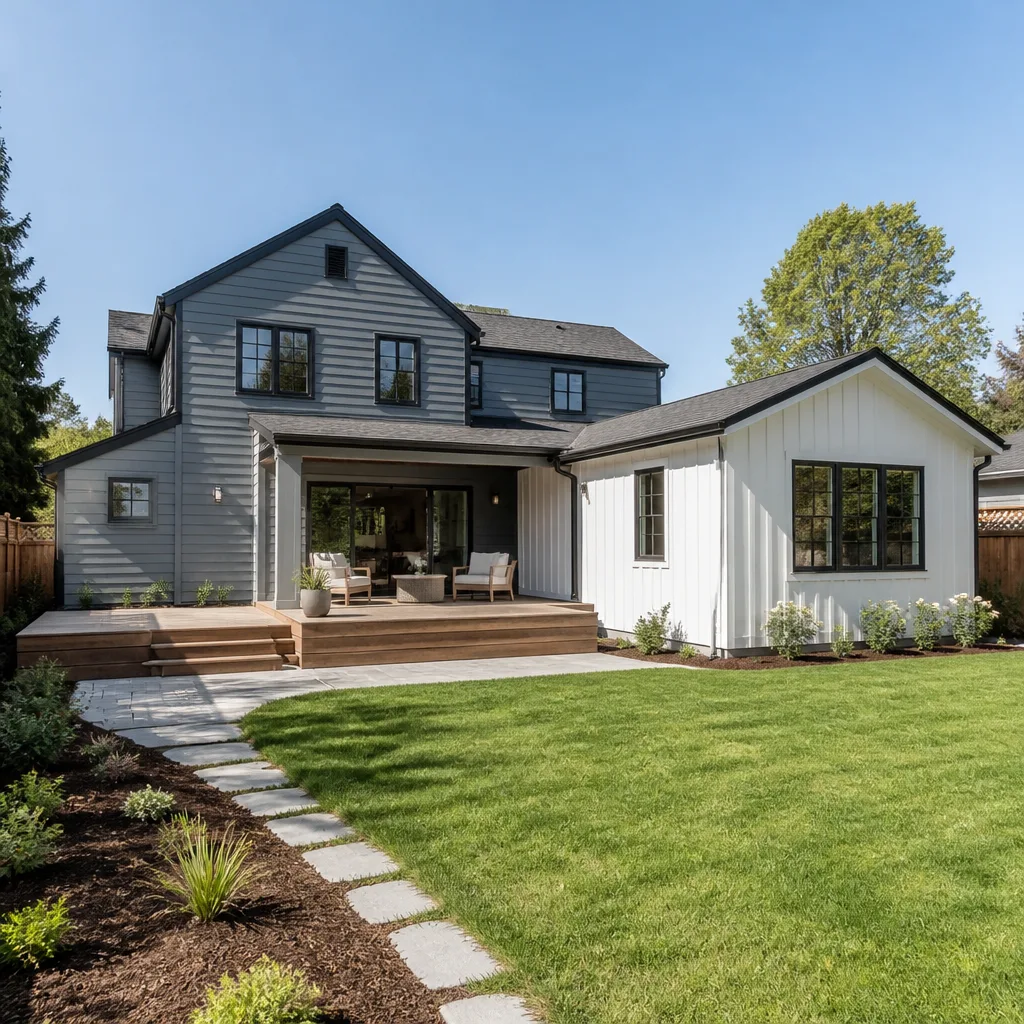
 Home additions & ADU
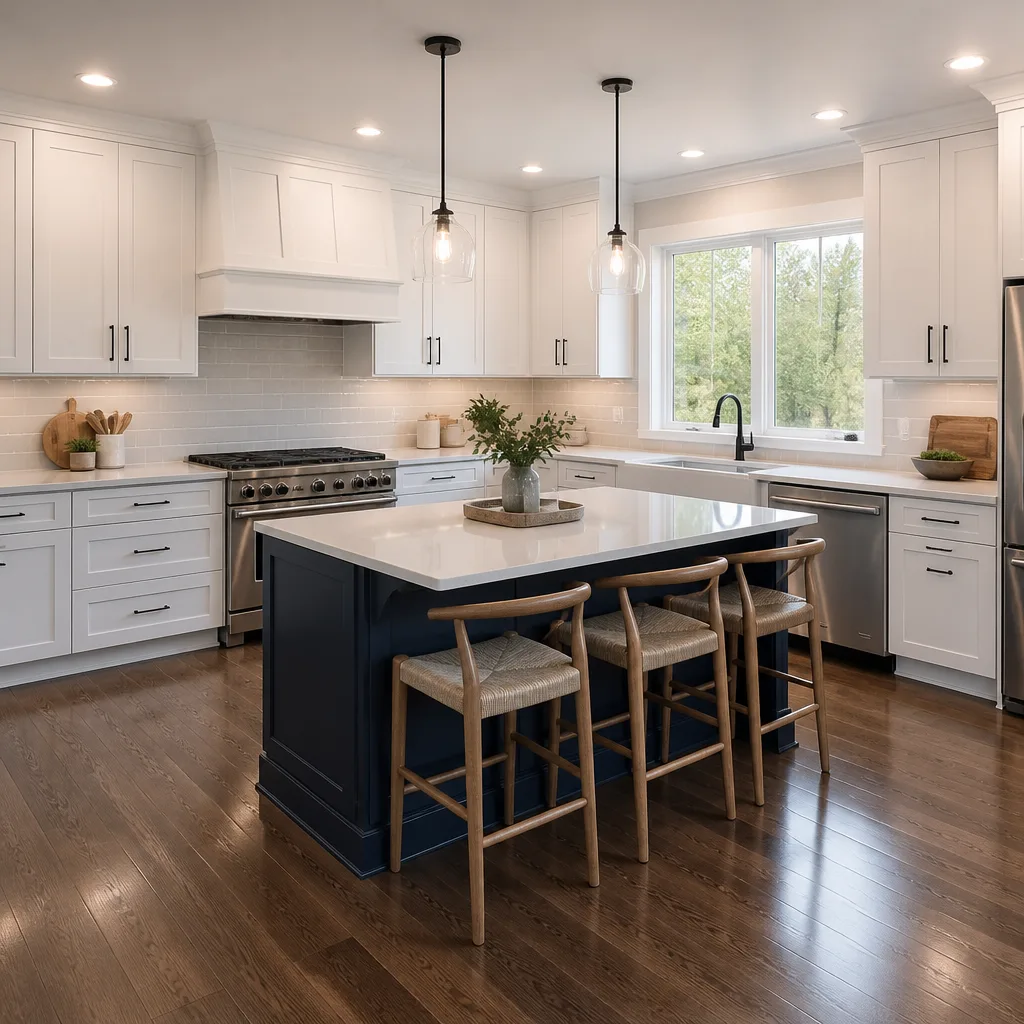 Kitchen remodeling
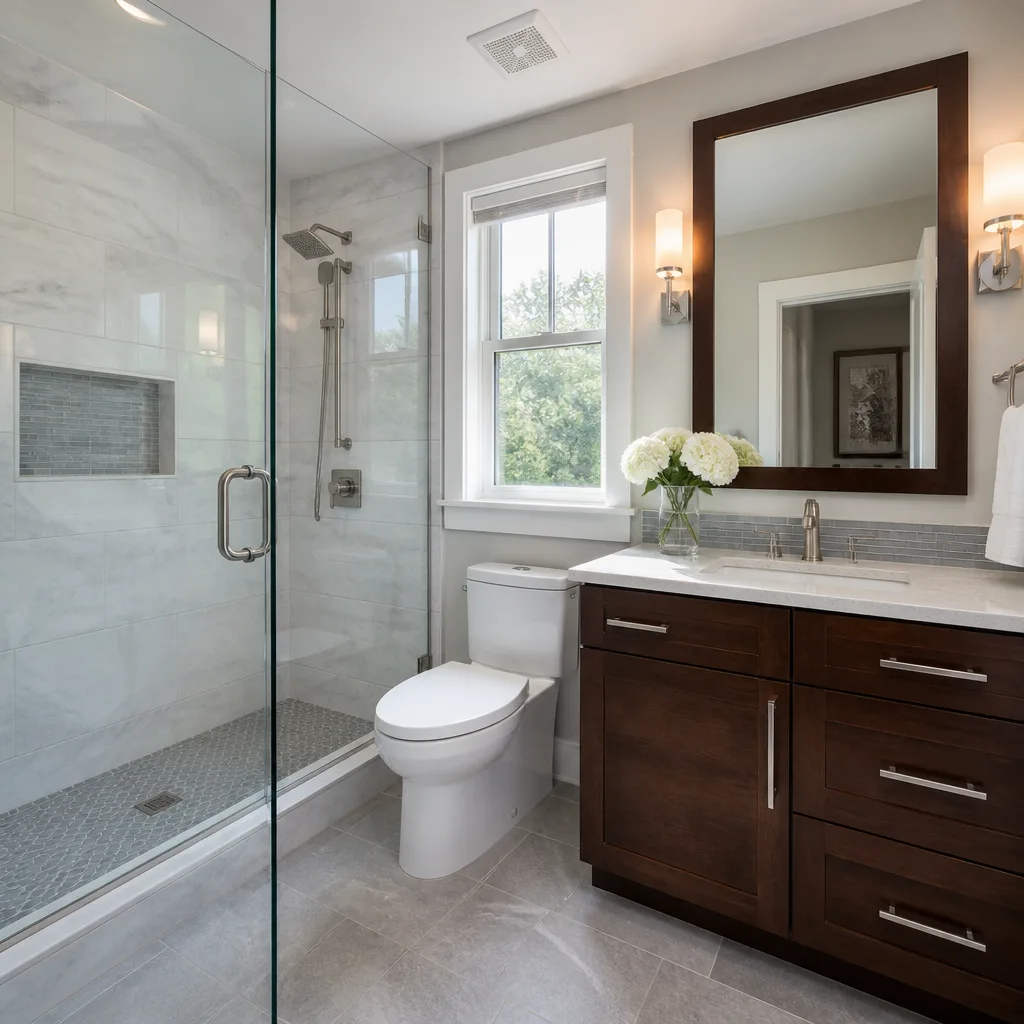 Bathroom remodeling
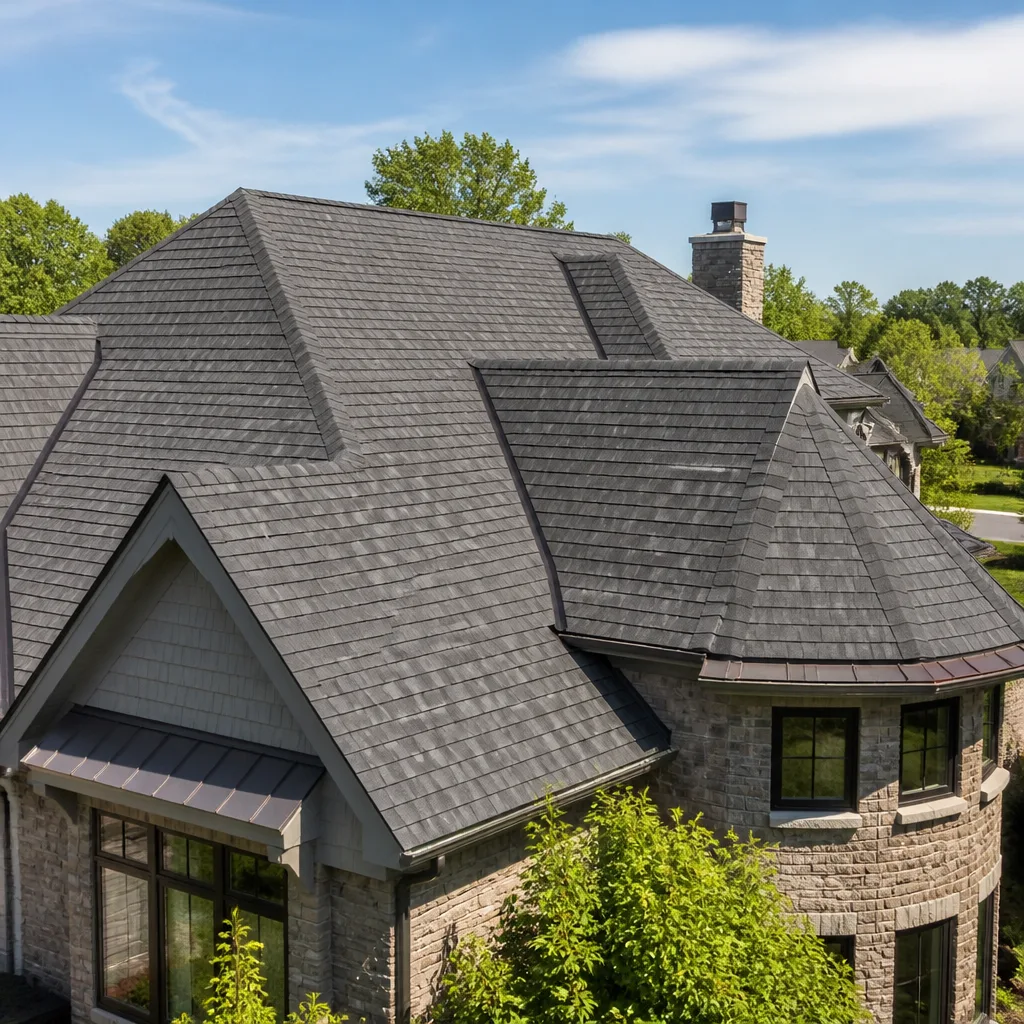 Roofing
 Windows & doors
 Driveway & pavers
 Fence
Free written scope consultation - allowances, timeline, and change-order rules on paper before a single trade is scheduled
Plant Prefab Home Additions & ADU: The Miami Gardens Owner’s Guide
If you own a Plant Prefab addition or accessory dwelling unit and something in it needs service, we handle plant-compatible home additions and ADU work in Miami Gardens, with installed pricing that runs about $53,100 to $153,400 for an addition and $106,200 to $259,600 for a full ADU build-out. Every job gets a written scope, a written price, and a written change order before any work moves forward.
Most Plant Prefab owners in Miami Gardens find us at the same moment: a room that never quite stayed dry through hurricane season, a seam that sounds hollow underfoot, or a mini-split that’s running nonstop because something in the envelope isn’t holding. Plant Prefab builds in a factory in California and ships a finished module. In South Florida, that module meets heat, salt air, and standing afternoon rain. The part that fails first is almost always a connection point, not the box itself.
Key takeaways
- Installed addition work in Miami Gardens generally lands between $53,100 and $153,400; a standalone ADU runs $106,200 to $259,600.
- We’re an independent service provider, not affiliated with Plant Prefab.
- Factory-built walls are fine. The site-set seams, foundation interface, and roof tie-ins are where Miami Gardens weather does its work.
- You get a fixed written price and change orders in writing before anything changes.
Which Plant Prefab Models This Applies To
Plant Prefab’s modular systems arrive as panels or volumetric modules, and the model line matters less than the connection detail. What you need to identify is the envelope assembly: whether the walls are closed-panel with factory insulation and sheathing, or open-panel finished on site. That difference determines how a seam gets opened, dried, and closed again without breaking the weather barrier.
Look for the data plate or stamped label inside a cabinet, on the electrical panel door, or near the entry jamb. It usually lists the panel assembly, wall thickness, and rough opening dimensions. Photograph it. That label is what lets us match the right sealant, flashing, and trim profile rather than guessing.
The OEM-versus-aftermarket decision for Plant Prefab is real. Plant Prefab specifies its own connection hardware, flashing profiles, and manufacturer-approved sealants. For structural tie-ins and envelope penetrations, we match the factory detail, because a matching system is what keeps your warranty story intact and your wall dry. For finish items like trim, threshold transitions, and interior hardware, a quality aftermarket equivalent is often stronger and less expensive than a factory replacement, and we’ll say so.
One compatibility gotcha worth knowing: factory panels are cut to California-driven dimensions and Florida modular approvals sometimes require the panel line to be re-detailed at the seam for wind uplift. A crew that doesn’t know that will install the wrong clip.
Styles & brands we work with
- Kitchen remodeling
- Bathroom remodeling
- Home additions & ADU
- Roofing
- Windows & doors
- Driveway & pavers
- Fence
Signs Your Plant Prefab Home Additions & ADU Is Failing
These are the things Miami Gardens owners actually call us about, and what’s usually underneath them:
- Water staining at the interior seam or ceiling line. The factory panel is fine; the site-set joint flashing or the sealant bead has aged out under UV and heat cycling. Once the bead opens, water tracks sideways.
- A hollow or spongy feel near the floor transition. The subfloor interface to the foundation has taken on moisture, often from irrigation overspray or a grade that drains toward the module instead of away. This is common on properties where the ADU pad sits at the low corner of the lot.
- Bouncing or visible movement at a corner. The tie-down or hold-down hardware has loosened or was never torqued to the modular uplift spec. In a Miami Gardens wind event, that’s the difference between a closed seam and a separated one.
- Condensation on the inside face of exterior walls or at windows. The vapor path has been interrupted, usually by a later renovation that put in a new window or a mini-split penetration without matching the factory barrier.
- Roof or gutter water sheeting past the module edge. Factory roof drainage is designed tight; a site-set downspout or a full gutter channel that fills with oak leaves pushes water into the wall/roof junction.
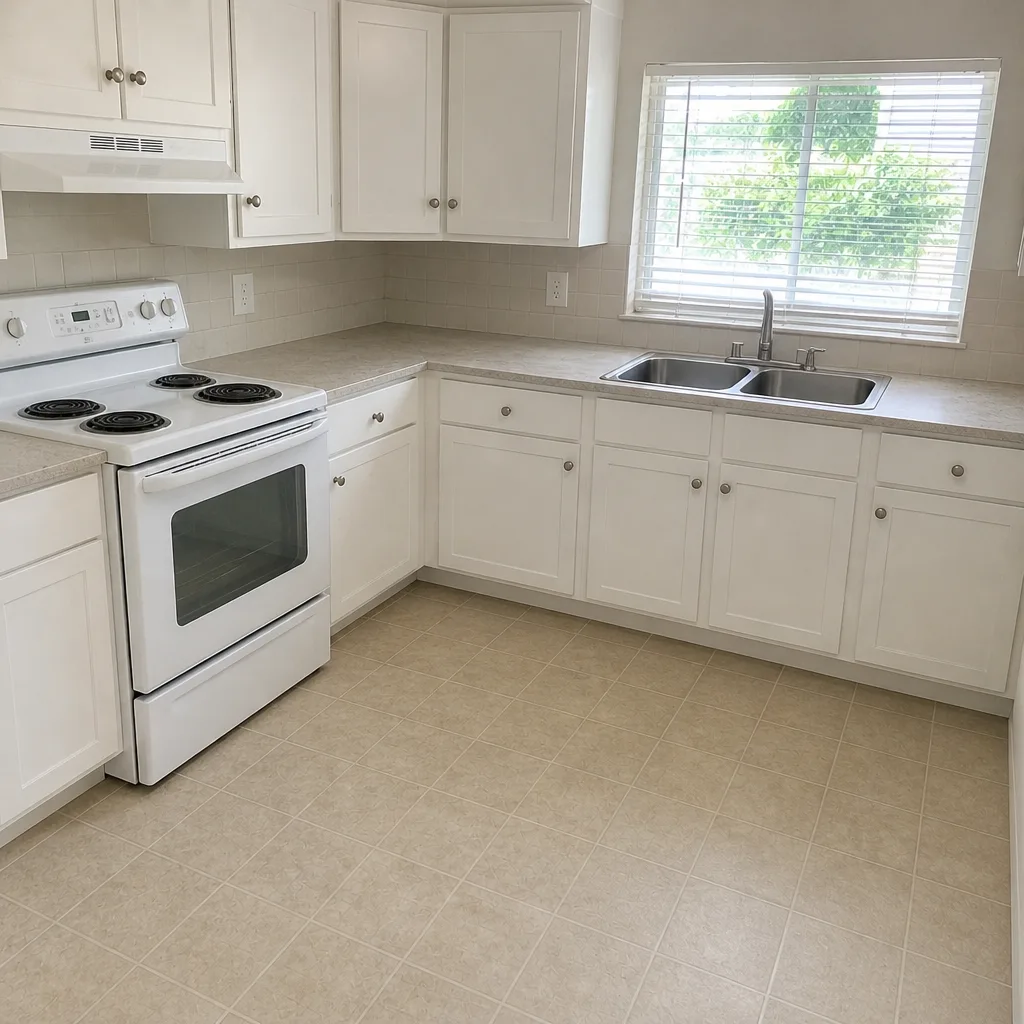
See the difference
 Before
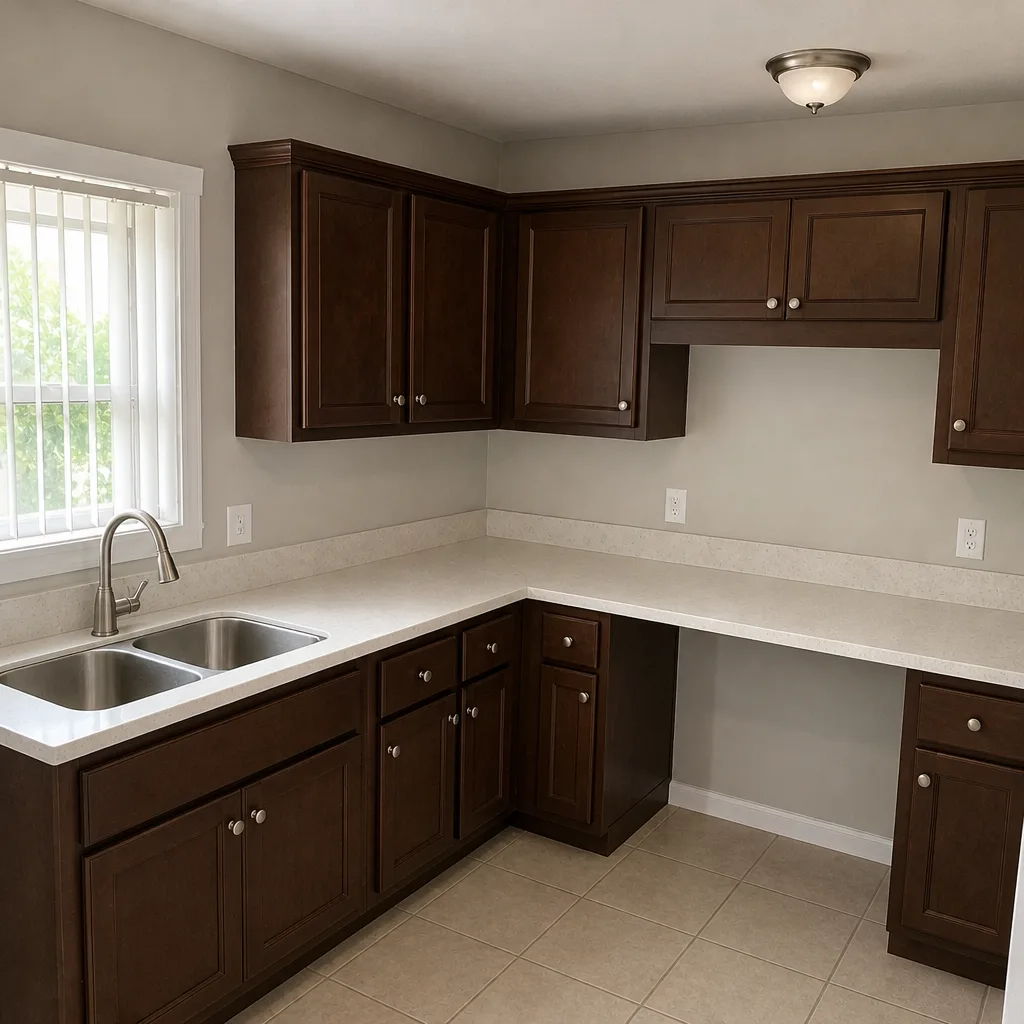 After
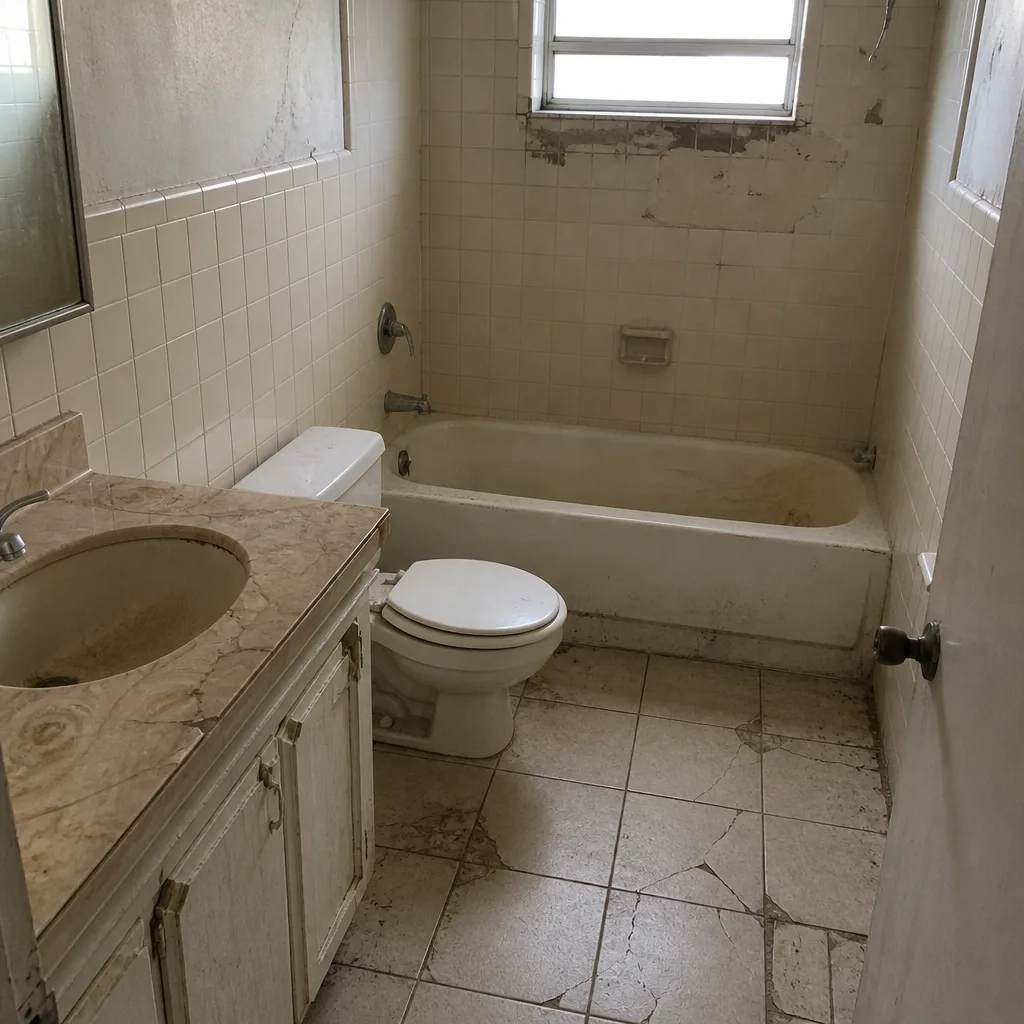 Before
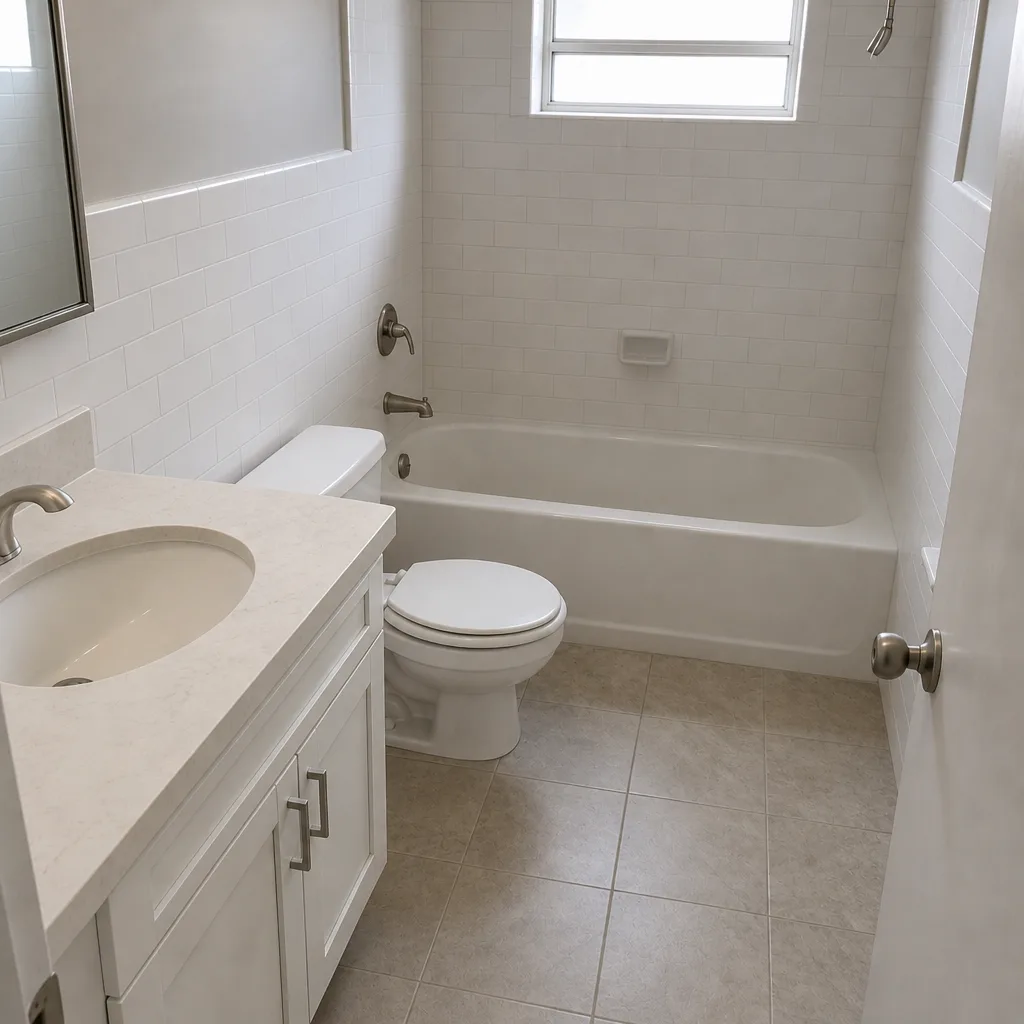 After
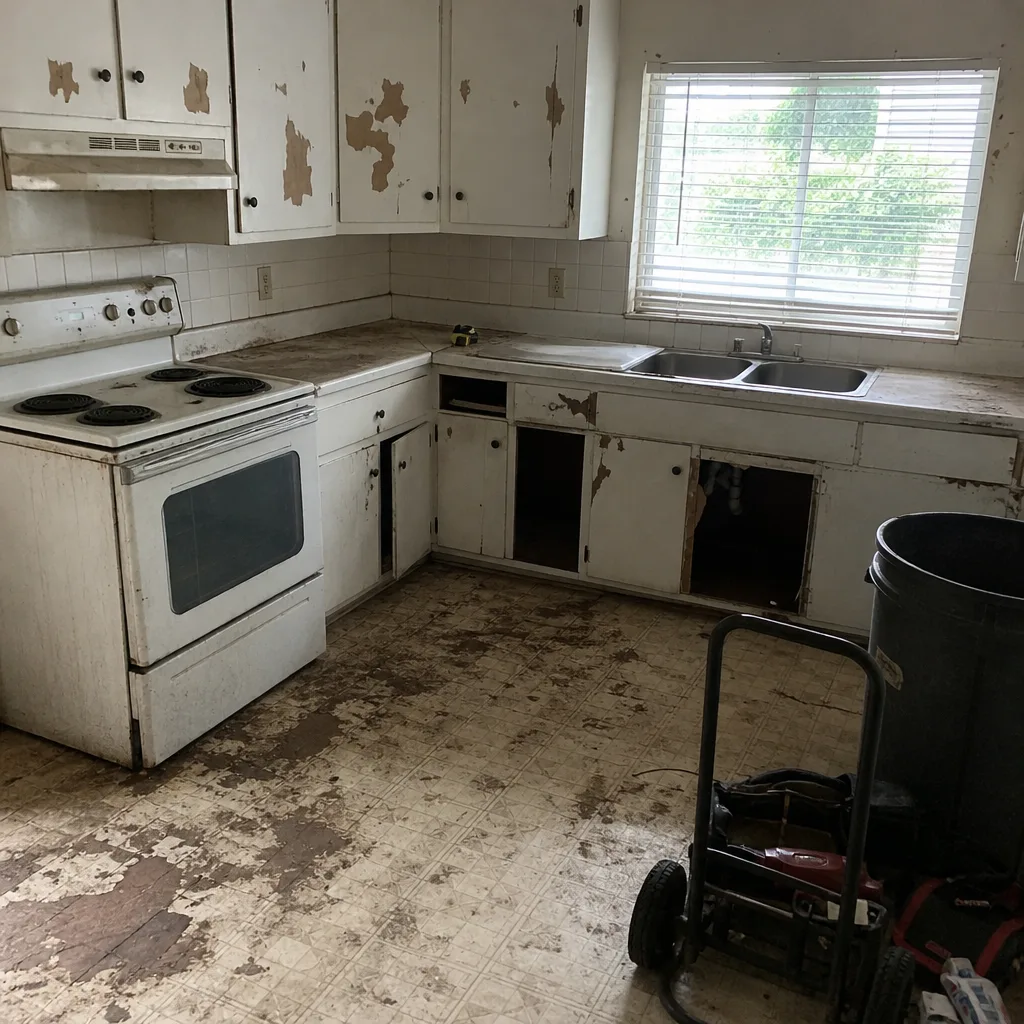 Before
 After
Replacement Cost & What’s Included
Real installed numbers for Miami Gardens, not a phone quote you’ll never see again:
| Scope | Installed Range |
|---|---|
| Home addition (Plant Prefab-compatible) | $53,100 – $153,400 |
| ADU construction | $106,200 – $259,600 |
| Garage conversion | $35,400 – $94,400 |
What drives the range: the size and count of modules, foundation and site prep, the height of the tie-in, whether you need impact-rated glazing to meet Miami-Dade wind code, and how much interior finish is factory versus field. A tight addition on a flat lot with easy access sits at the bottom of the range. An ADU on a lot that needs a pad poured and a new electrical service sits at the top.
Every written estimate breaks out parts and labor separately, so you can see what the hardware costs and what the install costs. Every scope change is a written change order before we move. Workmanship is backed by the 90-Day Done Right Promise, in writing on the contract. Permits get pulled and inspections signed on every eligible job.
DIY or Call Us?
There’s a short list of things you can safely check yourself: the data plate, the sealant bead around a seam, whether water drains away from the pad, and whether a window or penetration was added after the module was set. Write it down. That’s useful information.
What you should not do yourself: open an exterior wall to inspect or repair the tie-down hardware, re-flash a seam, or touch anything in the electrical service. These are structural and moisture-barrier work. A failed hold-down doesn’t announce itself until it does. A seam opened for inspection and closed wrong is worse than the leak you started with. There’s also the wind-uplift math: a properly clipped tie-down carries a load that a homeowner repair simply won’t.
This isn’t a scare tactic. It’s just that the risk-to-reward isn’t there. Call (844) 797-8316 and we’ll walk the module with you, at no charge for the visit inside the county. Doing nothing is fine too; a slow leak in a Miami Gardens summer is patient. It has all afternoon.
FAQs
With the factory envelope and the site-set seams maintained, expect 20 to 30 years from the wall assembly, but the seam sealants and flashing typically need attention at 7 to 12 years in South Florida’s UV and heat. We inspect and re-seal at the lower end of that window, which is why most Miami Gardens failures we see are sealant age, not panel failure.
Yes, most of the time. A failed sealant bead, a flashing detail, or a loosened tie-down is a repair, not a rebuild. We’ll tell you straight if repair is the honest answer. Call (844) 797-8316 and we’ll take a look before you spend for a replacement you may not need.
A repair typically runs one to three days. An addition or ADU build, foundation through finish, depends on permits and scope, and you’ll get the timeline in writing before work starts. What we won’t do is quote a number on the phone and hand you a different bill at the door.
We match the factory detail for structural and envelope items through Plant Prefab’s specified hardware, and we use quality aftermarket equivalents for finish and trim where they’re stronger or less expensive. We don’t carry stock on a truck; every part is ordered to your module’s assembly, and the price is written down before we order.
Barrett & Sons Construction Miami Gardens also installs KraftMaid, Cambria, and Silestone on the finish side of an addition, and we’re an independent service provider, not affiliated with Plant Prefab.
Call (844) 797-8316 for a free estimate on your Miami Gardens addition or ADU work. A live person answers, day or night. We’ll show up, look at the label, and tell you what’s actually wrong before anyone touches a nail.
Written by the team at Barrett & Sons Construction Miami Gardens, serving Miami Gardens and nearby areas.