

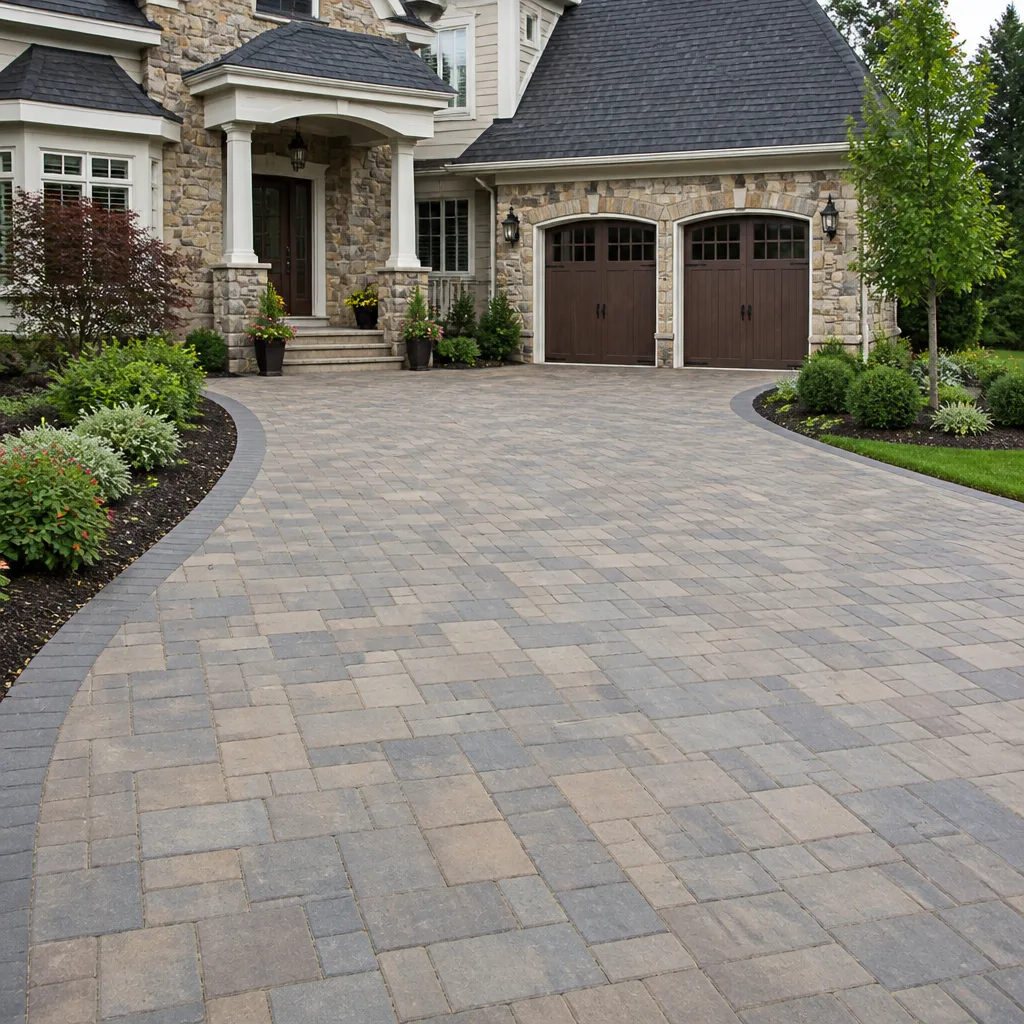
 Driveway & pavers
 Kitchen remodeling
 Bathroom remodeling
 Home additions & ADU
 Roofing
 Windows & doors
 Fence
Free written scope consultation - allowances, timeline, and change-order rules on paper before a single trade is scheduled
Tuff Shed Driveway & Pavers: The Miami Gardens Owner’s Guide
Tuff Shed doesn’t manufacture driveways or pavers, so what Miami Gardens owners actually need is the hardscape and apron work that ties a Tuff Shed pad to the street: the gravel base, the paver driveway or concrete apron, the edging that holds it, and the drainage that keeps water away from the slab. We install and repair all of it and match it to the Tuff Shed footprint and door swing. Paver driveway installation in Miami Gardens runs $8,260 – $21,240, and concrete driveway installation runs $5,310 – $14,160. This is planned work scheduled with a written scope, not emergency dispatch.
The way owners usually find the problem: they back a car out after a summer storm and the pavers under the Tuff Shed door rock and squish. Or the gravel base has washed toward the alley, the edging has spread, and one corner of the pad has dropped half an inch lower than the rest. Nobody has a “part” fail in the sense of a broken hinge. The base under the approach failed, and the shed is telling you.
Key Takeaways
- Your Tuff Shed sits on a pad. The driveway and apron beside it need the same base prep or the slab moves.
- Miami Gardens spodic sand and heavy wet-season rain are the two biggest reasons a shed approach sinks.
- Paver driveway installation: $8,260 – $21,240. Concrete apron: $5,310 – $14,160. Same range on every page, every time.
- Permits pulled, inspections signed, written change orders before any scope moves.
- We are an independent local contractor. We are not affiliated with Tuff Shed, and Tuff Shed has not endorsed this page.
Which Tuff Shed Models This Applies To
Every Tuff Shed series that lands on a slab, a gravel pad, or a set of runners needs an approach that carries you from the door to the street or alley. That covers the Premier Pro Ranch, the Premier Tall Barn, the Tahoe, the Sierra, the Durango, and the smaller Premier Garden and Premier Studio lines. The physical reality is the same across all of them: a heavy loaded pad needs a driveway or apron that won’t settle out from under it. If you used a Tuff Shed dealer to install your shed, pull your paperwork first. It tells you the pad dimensions, the door swing, and where the load is concentrated. Those three numbers tell us how far out the apron needs to run.
How to read your own shed’s specs
Pop the door open and look for the data plate, usually on the inside of the jamb or the header. Note the series, the nominal footprint (for example 12×16), and any load notation. Measure the actual door opening with a tape, because “10 foot door” is a marketing label and the real opening is often two inches narrower. Then measure the depth from the shed’s door threshold out to the alley, driveway or street edge. That gap is the apron you’re paying for. If the paperwork is gone, a tape, a level, and a few photos of the pad edge give us enough to quote.
OEM versus aftermarket is not a question here the way it is with a hinge or a track. Tuff Shed does not sell pavers. The decision is material and grade: a thin residential landscape paver versus a 60mm hardscape paver rated for vehicle load, and a compacted base of 4 to 6 inches versus a skim of sand. A cheap paver on a thin base in Miami Gardens will look fine for eight months and then start to roll. A proper hardscape paver on a compacted base runs more and lasts. We carry Belgard and Techo-Bloc because they’re brands you can look up, not mystery pavers off a truck.
Styles & brands we work with
- Kitchen remodeling
- Bathroom remodeling
- Home additions & ADU
- Roofing
- Windows & doors
- Driveway & pavers
- Fence
Signs Your Tuff Shed Driveway & Pavers Is Failing
- Pavers rock when you step between the car and the shed door. That’s a base that wasn’t compacted or a joint that washed out. Sand in the joints leaves with every wet-season rain, and once sand is gone the pavers move against each other.
- The pad corner by the shed has dropped below the surrounding apron. In Miami Gardens, water pools against the slab, wicks under it, and the fine sand subgrade loses bearing. The visual sign is a gap under the door threshold and a pad that no longer sits flush.
- Edging has spread and the driveway has widened at the bottom. Paver edge restraint takes the load the pavers push against. When the restraint isn’t pinned into the base, the pavement mushrooms at the edge, and the whole field loosens from there.
- Weed growth in the joints after a few rainy weeks. Not a weed problem, a joint problem. Organic fill or sand that’s too fine washes out and the joints open up enough for seeds, and weeds in Miami Gardens are tenacious.
- Standing water for more than an hour after a storm. That’s a drainage bug, not a random low spot. The apron was graded flat or graded toward the shed, and the shed door is the low point. Long-term that means dampness at the slab and rust at the shed’s base trim.
Replacement Cost & What’s Included
Installed pricing for Miami Gardens, using the same ranges on every page we publish:
- Paver driveway installation: $8,260 – $21,240
- Concrete driveway installation: $5,310 – $14,160
- Driveway replacement: $5,900 – $16,520
- Asphalt driveway paving: $4,130 – $10,620
- Paver patio installation (apron or shed approach): $4,130 – $12,980
- Driveway sealing: $295 – $825
What drives the range: total square footage of the approach, the base depth needed given what we find under the old surface, whether old material has to be hauled out, whether you go concrete or paver, and how the water has to run in the wet season. Paver costs more than concrete because pavers come in a rated brand and the labor is in the base and setting. Concrete costs more than asphalt on front end but lasts longer. Your written estimate is line-item: base prep, edge restraint, pavers or pour, drainage. Every scope change is a written change order before work proceeds. Every eligible job gets permits pulled and inspections signed, and every completed job is backed by the 90-Day Done Right Promise, in writing on the contract.
See the difference
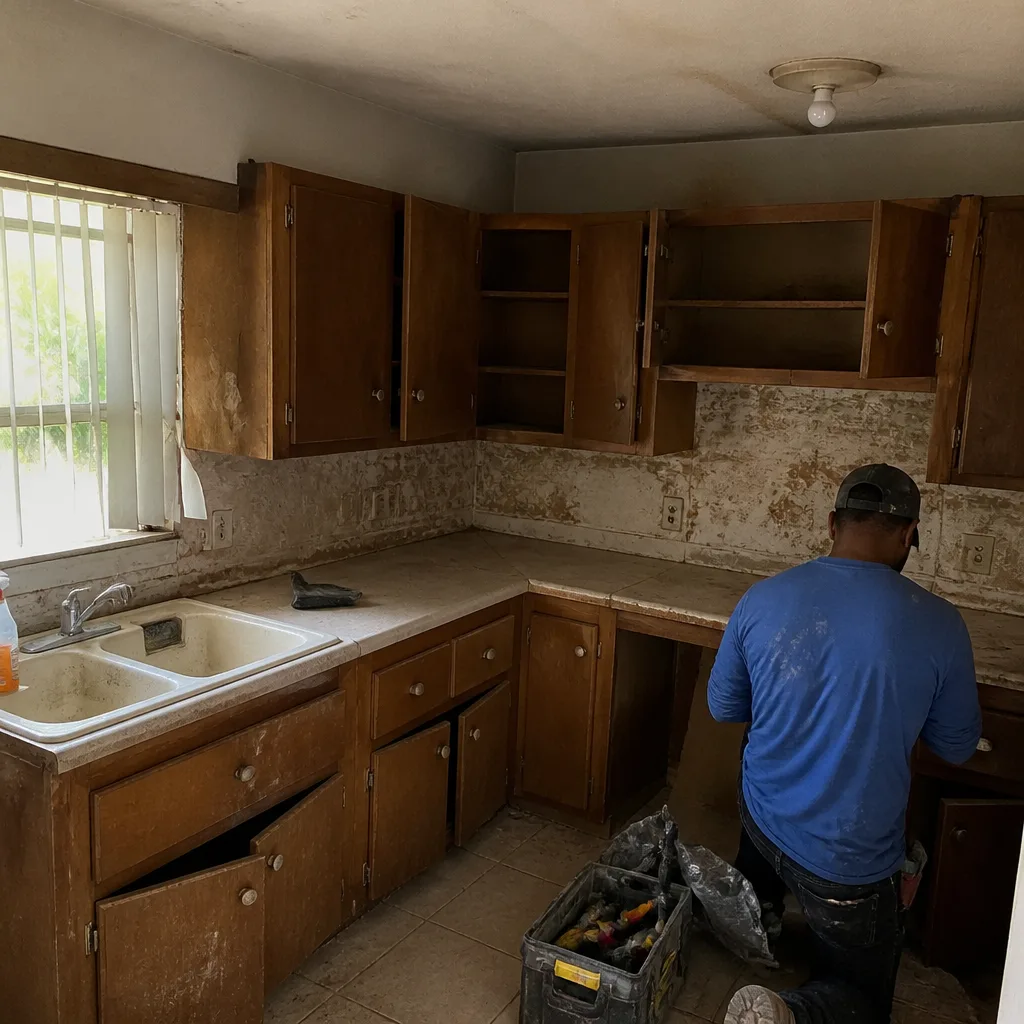 Before
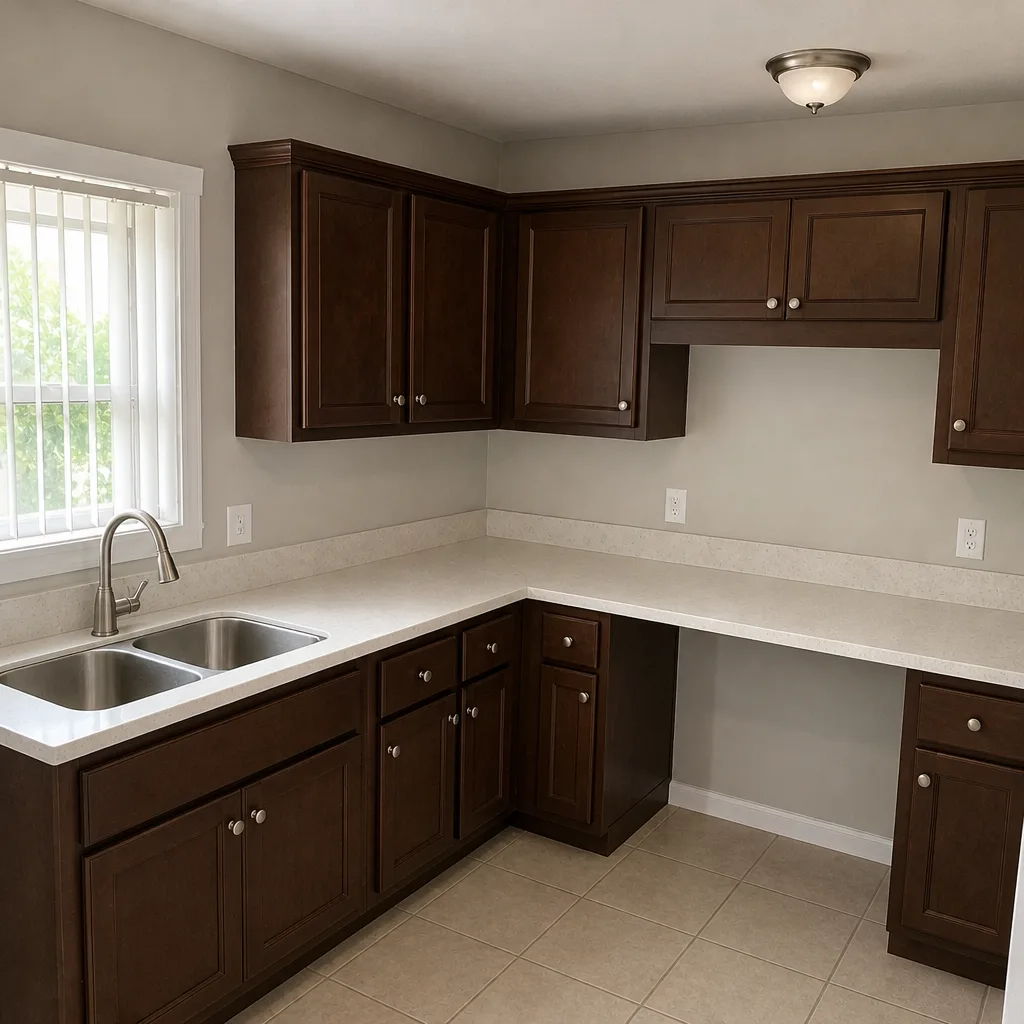 After
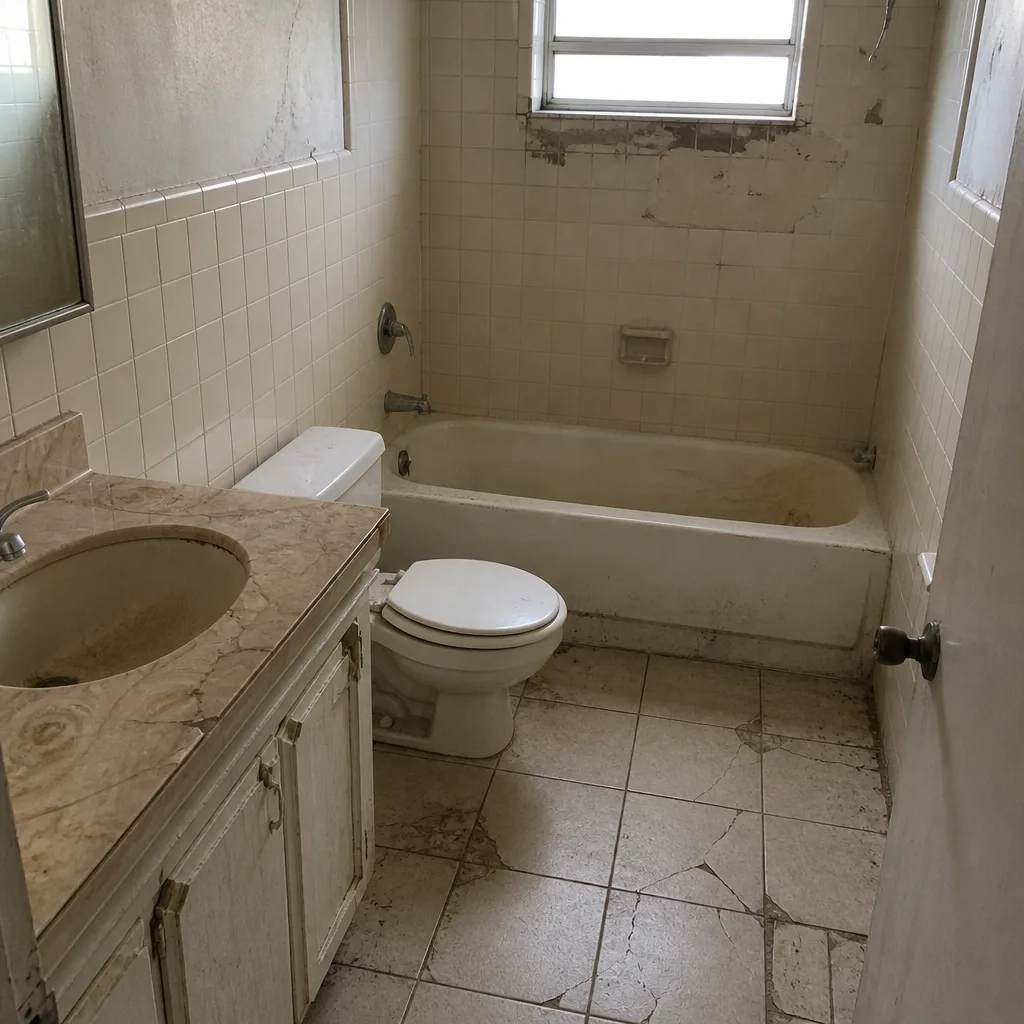 Before
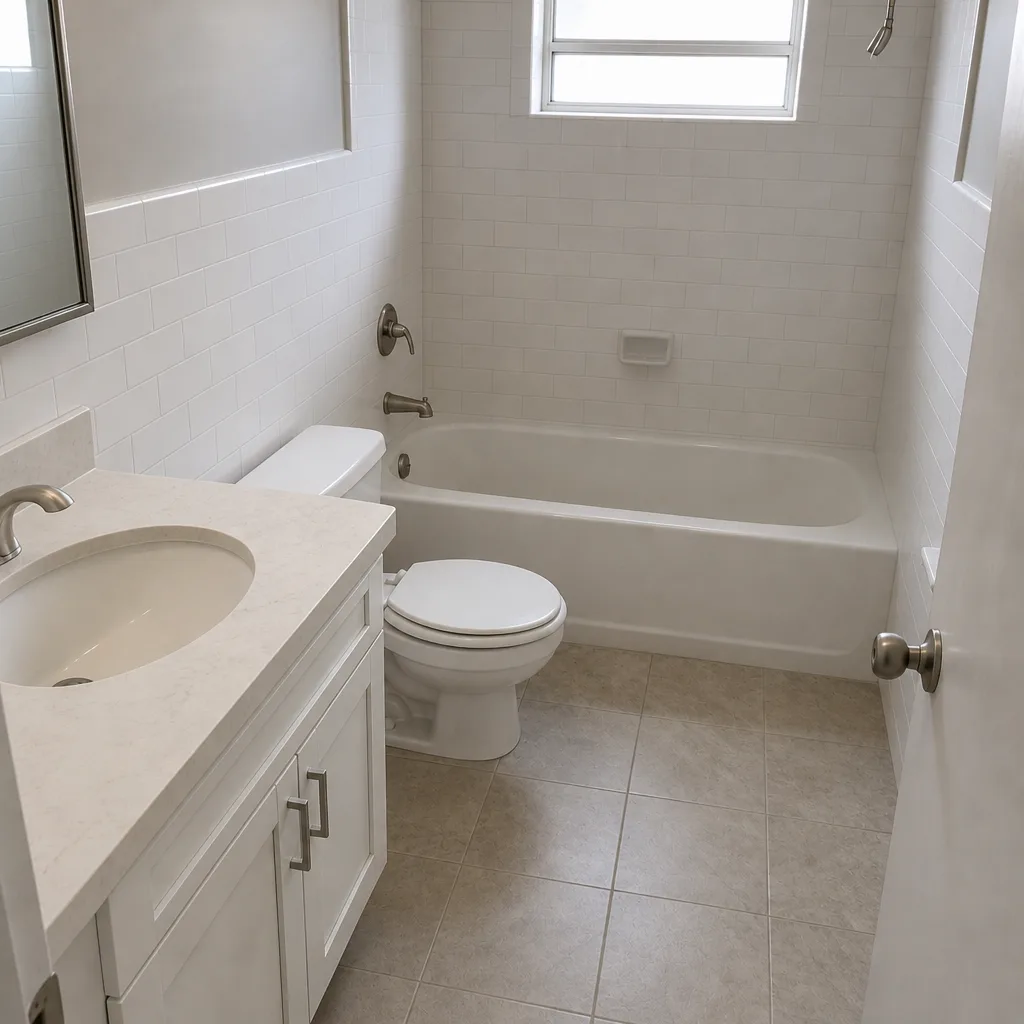 After
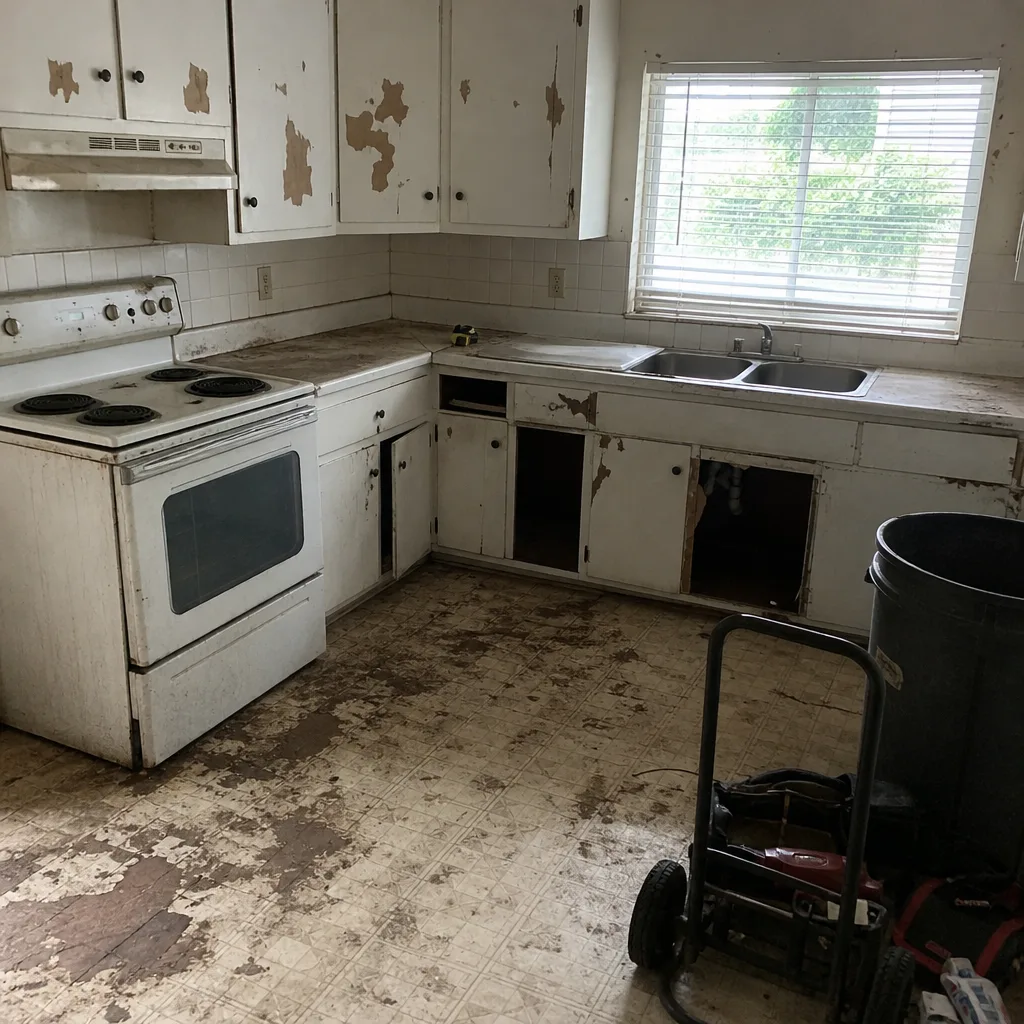 Before
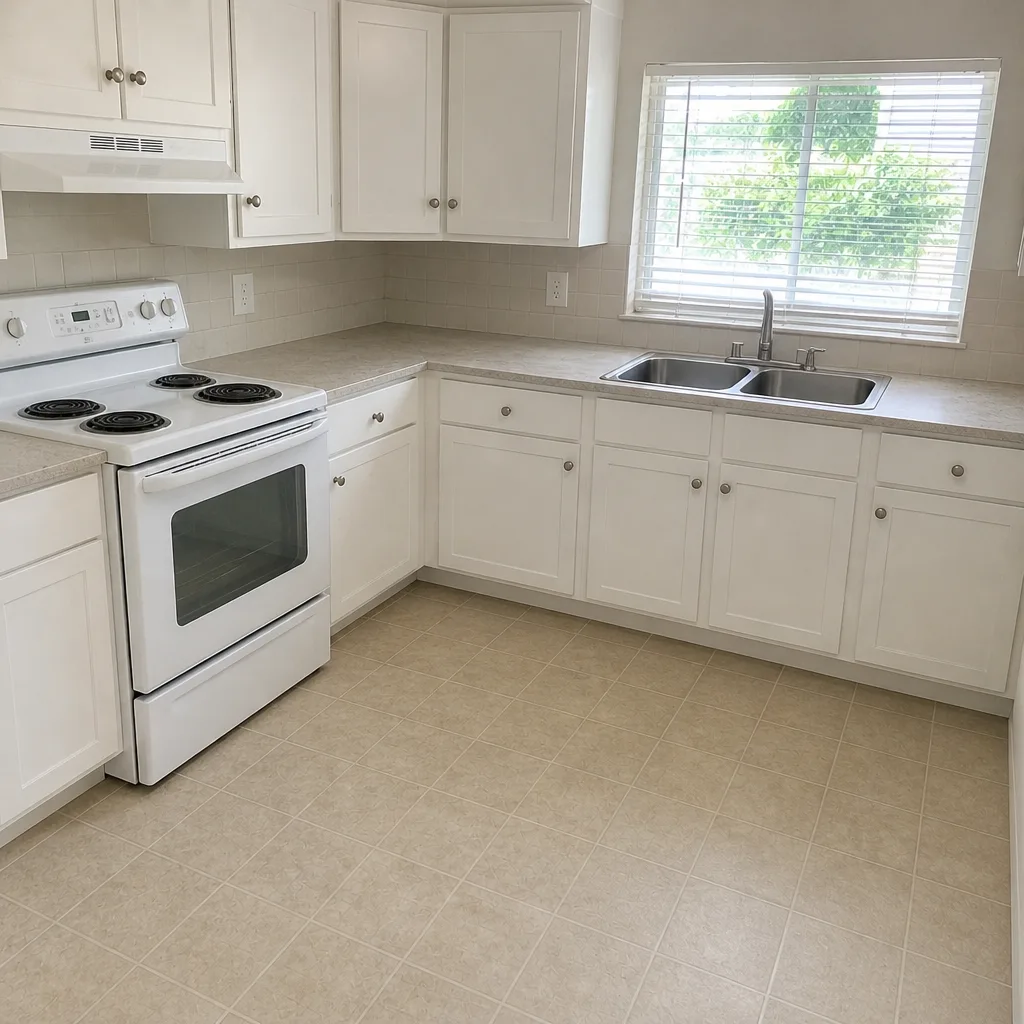 After
DIY or Call Us?
What you can safely check: whether the pavers rock underfoot, where water sits an hour after rain, whether the pad edge is flush to the apron, and whether the joint sand has washed out. Take photos and write down what you find. What goes wrong when homeowners try it: a base skimmed instead of dug and compacted, edge restraint not pinned, pavers laid toward the shed instead of away, and the whole thing looks right until the next wet season. Doing a paver flatwork right is heavy, wet, and rarely finished by a person’s back. The setback in appearance in Miami Gardens after a bad weekend job is far more than the savings. Call our team at (844) 797-8316 and we’ll quote it.
Safety note
One real hazard on this work: a paver or concrete approach poured flush against a Tuff Shed slab needs to slope away from the shed, not toward it. If you simply add soil or sand next to the pad to level a dip, water will sit against the slab and can enter the shed. That’s a slow rot issue, not a fast cut. Let us grade it correctly the first time.
FAQs
How long does Tuff Shed driveway & pavers last in Miami Gardens?
A properly based paver approach lasts 20 to 30 years in this climate, and concrete runs similar if it’s poured thick and drained. The failure is never the material, it’s the base and the drainage. In Miami Gardens the wet season is the test, and a job that skips base prep shows the first sinking pavers within 18 to 24 months. A written quote with base depth spelled out tells you which job you’re buying. Call (844) 797-8316 for an exact quote. Estimates are free.
Can the driveway be repaired instead of replaced?
Often yes. If the failure is joint sand, edge spread, or a localized low spot, a lift-and-rebase on a few square feet or a re-sand and re-seal is the right call. If the pavers are rocking across the whole field, or water stands for more than an hour, the base is the problem and a patch will not fix it. We’ll tell you which one you have before you spend a dollar. Call (844) 797-8316 for a free second opinion on any written estimate you already have.
How long does the swap take?
A typical paver apron or short driveway runs two to four working days, including removal of the old surface, base excavation, compaction, and cutting. Larger driveways and jobs needing a new drainage run toward a week. Weather in the wet season can add a day for the base to dry. The written scope tells you the exact day count before we start.
How do you source the material?
We source through the same supply channels that supply Belgard and Techo-Bloc hardscape products across South Florida, and the base and edge restraint we buy are rated for vehicle load, not landscape use. You will see the brand and spec in the written estimate with a line item before work starts; if the brand isn’t on the paper, don’t agree to it.
Get a Free Estimate in Miami Gardens
If your Tuff Shed approach is sinking, rocking, or holding water, call our crew to take a look. We’ll walk the pad and the apron with you, name the failure, and put a written line-item quote in your hand, no surprises before or after. We pull permits and pass inspections on eligible jobs, every price change is on paper before a nail moves, and the 90-Day Done Right Promise is on the contract. Call (844) 797-8316 for a free estimate.
We also install kitchen finishes by KraftMaid, Cambria, and Silestone if you’re planning a project inside the house while we’re on site.
Written by the team at Barrett & Sons Construction Miami Gardens, serving Miami Gardens and nearby areas.