

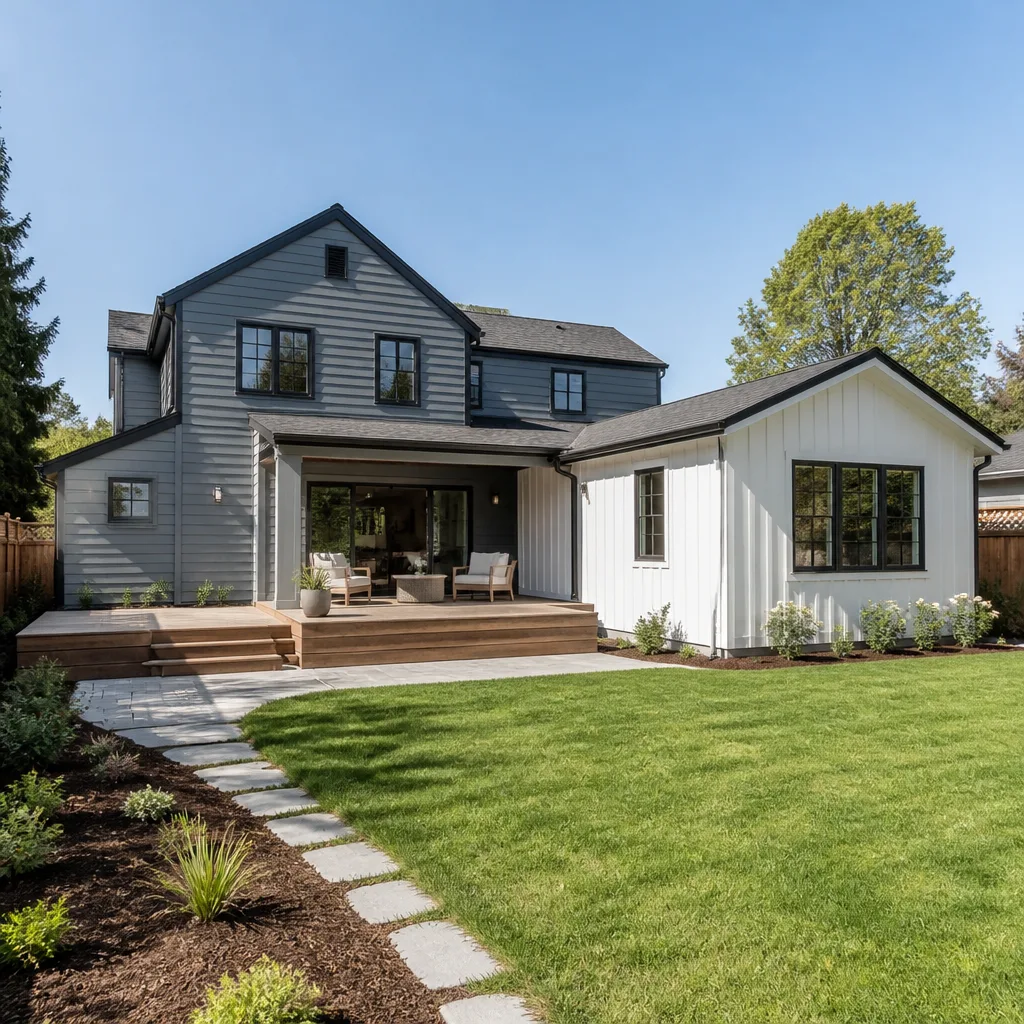
 Home additions & ADU
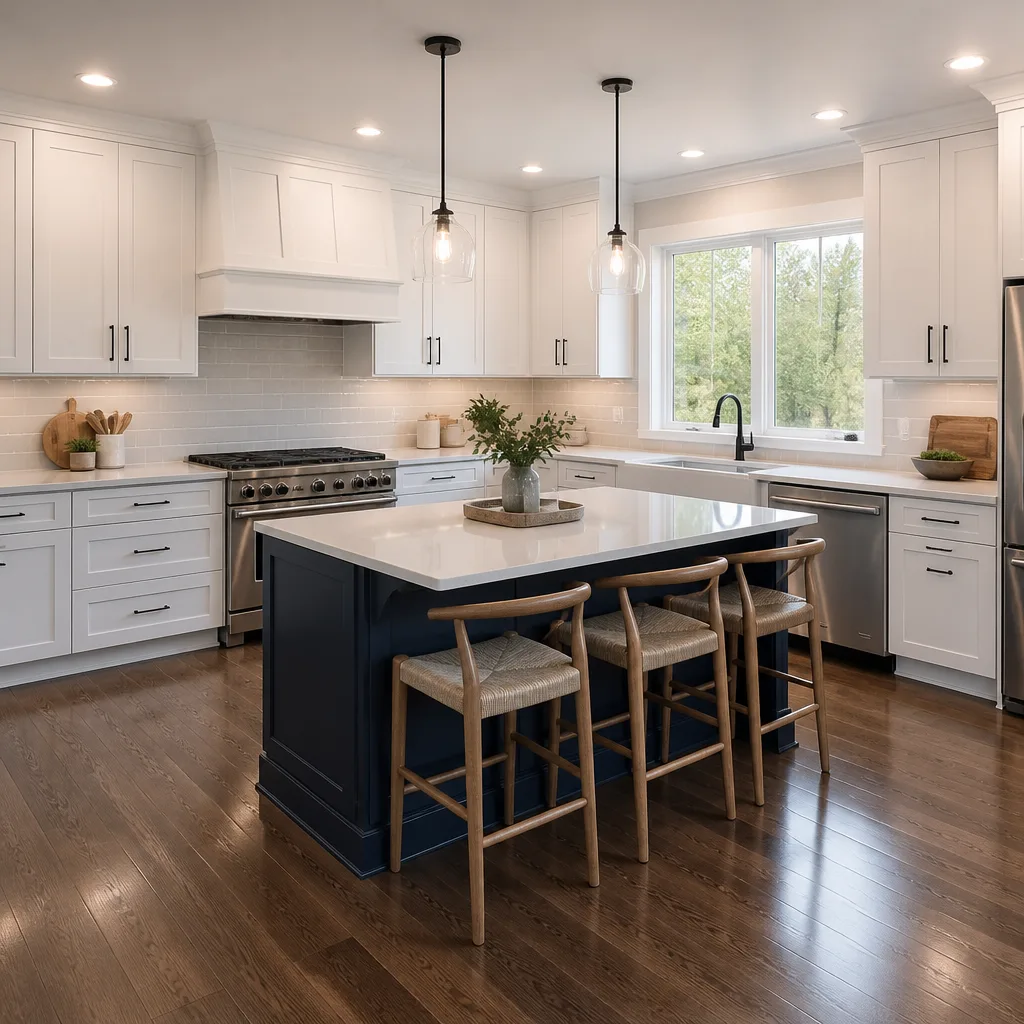 Kitchen remodeling
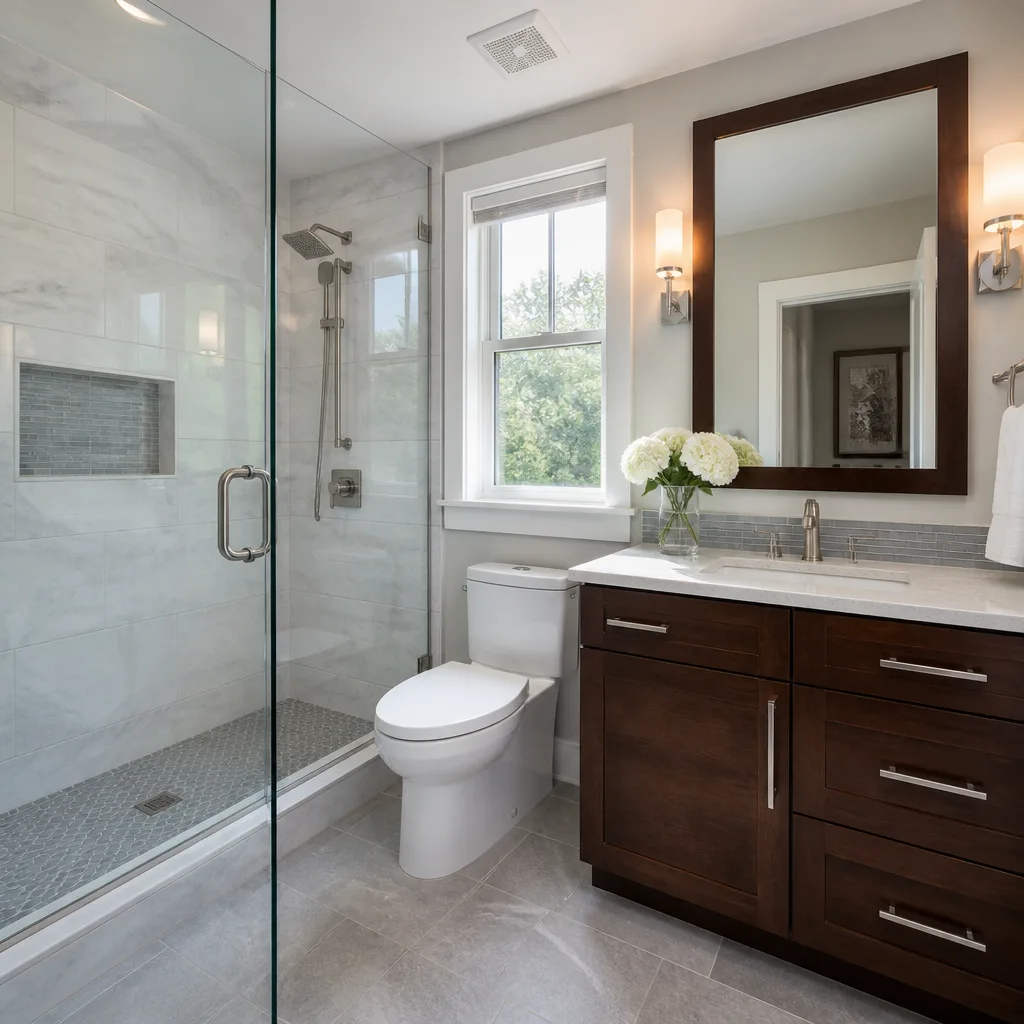 Bathroom remodeling
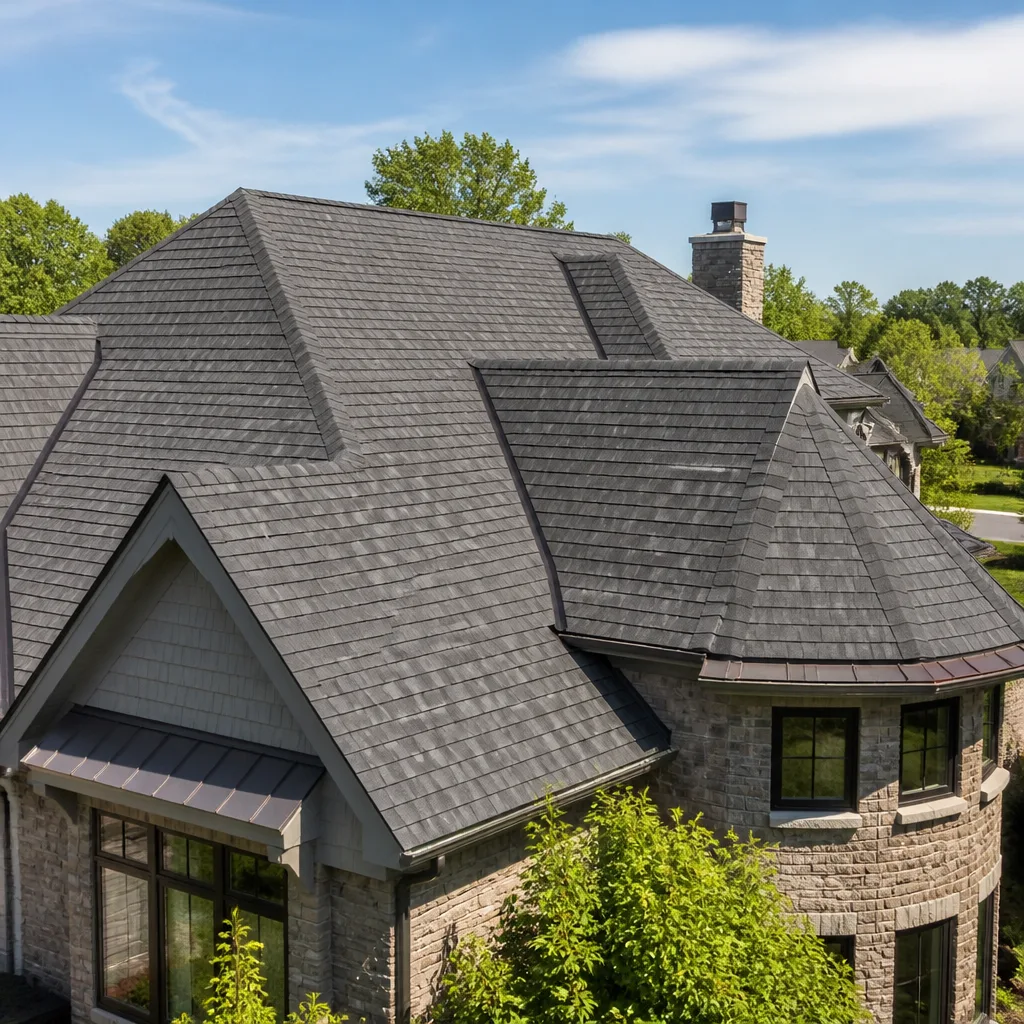 Roofing
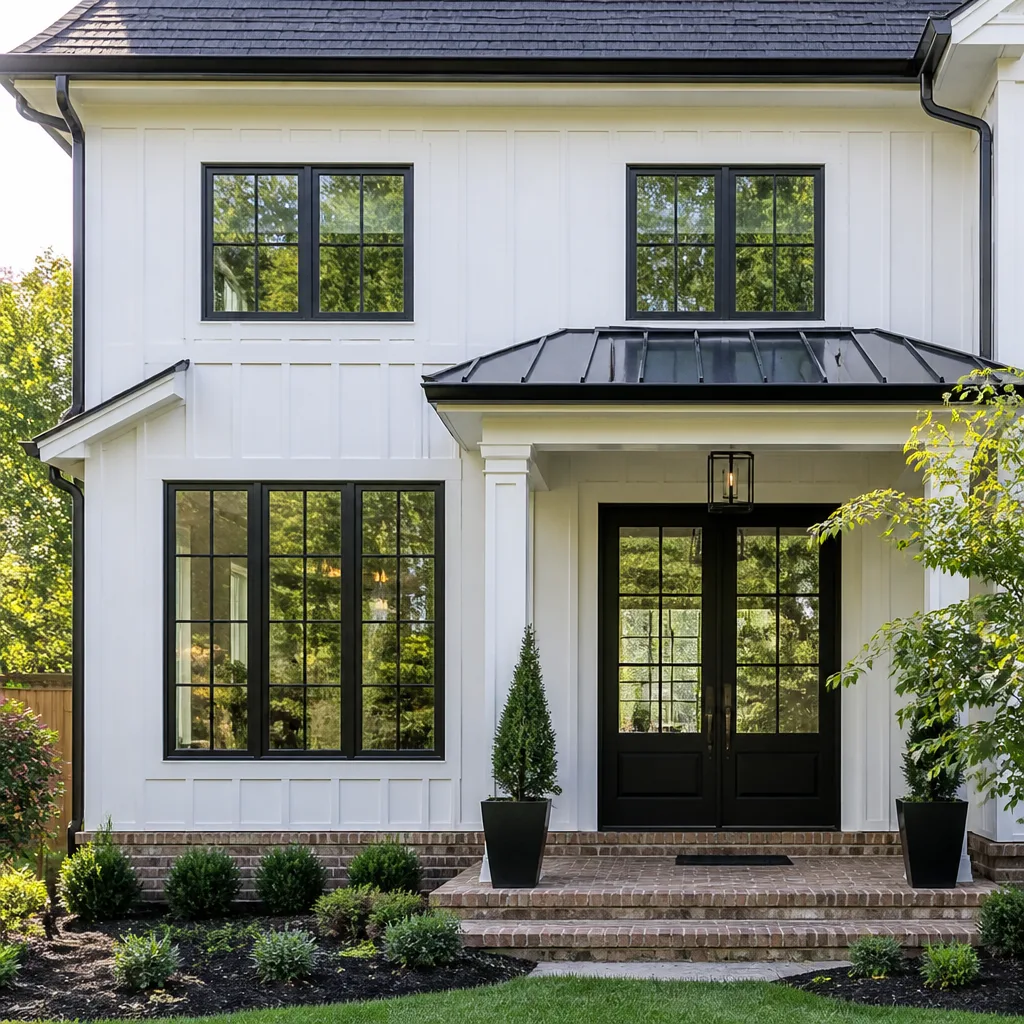 Windows & doors
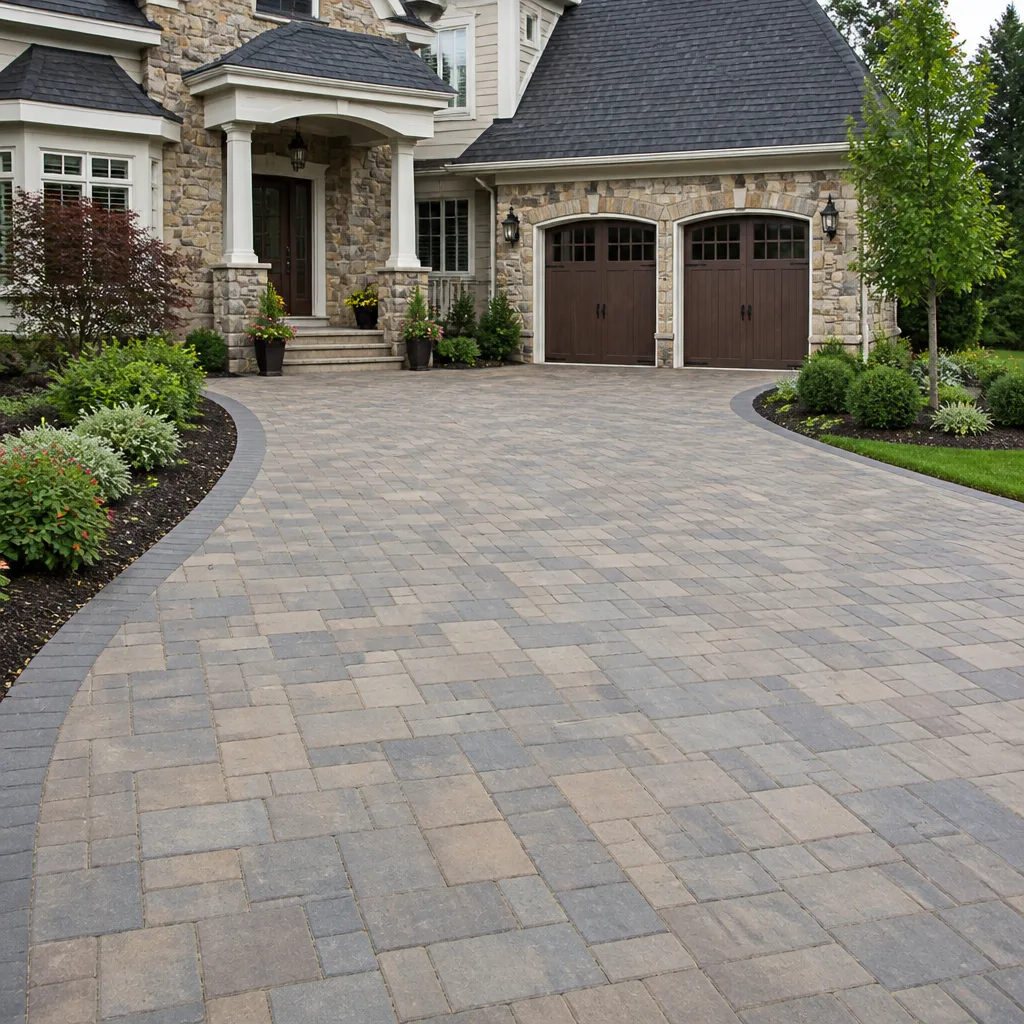 Driveway & pavers
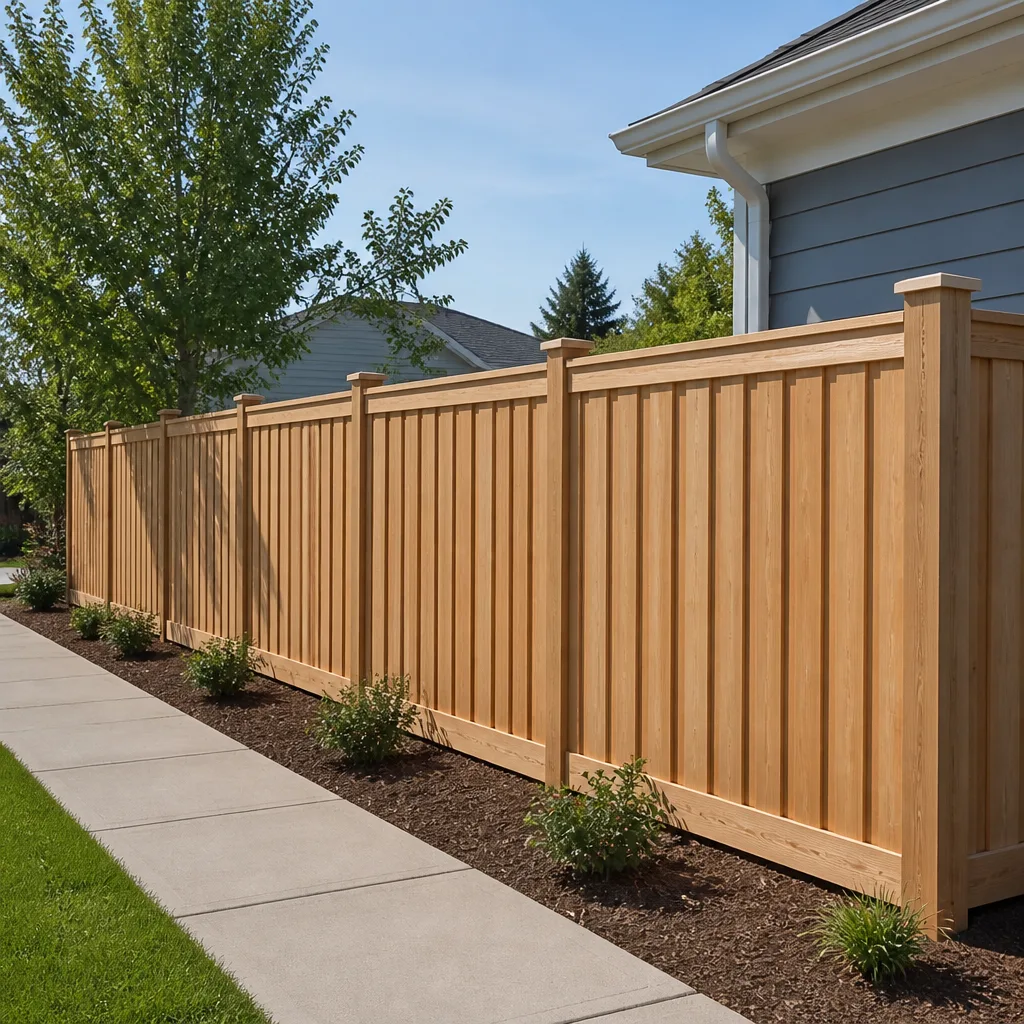 Fence
Free written scope consultation - allowances, timeline, and change-order rules on paper before a single trade is scheduled
IKO Home Additions & ADU: The Miami Gardens Owner’s Guide
We build and finish IKO-compatible home additions and ADUs in Miami Gardens, and homeowners here typically invest $53,100 to $153,400 for a home addition and $106,200 to $259,600 for a detached ADU. That’s the full build, not just the component that failed on you. If you’re landing on this page because something under an existing IKO-roofed addition has gone wrong, you’re in the right place.
Most Miami Gardens owners don’t discover a failing component in one dramatic moment. They spot it slowly: a stain on the ceiling of the new room after a summer storm, a soft spot near a valley where the addition ties into the original roofline, or a trickle of water along the tie-in wall during a heavy rain. Others hear it first (a rattle, a thud when the wind gets under a flashing edge). Once you’ve noticed it, the clock is running. Water that finds a way in through an addition is patient water, and it works on the framing, the insulation, and the drywall long after the rain stops.
Which IKO Models This Applies To
IKO’s product line matters here because the part on your addition isn’t interchangeable with anything off a shelf. For roofing elements, IKO’s shingle families (Cambridge, Dynasty, and their impact-rated lines) each carry different profiles and weights, and the accessory components (starter strips, ridge caps, underlayments) are spec’d to match. If your addition was finished with an IKO system, the tie-in flashing and the transition pieces at the wall are where you’ll usually find the problem, not the shingle field itself. Identifying the correct part means getting the label off the original bundle wrapper or finding the specification sheet the original installer left behind. Failing that, a careful measurement of the existing profile and exposure tells us what we’re matching.
On the OEM-versus-aftermarket question: for IKO specifically, we recommend OEM accessory components where the profile matters (starter courses, ridge applications, and integral flashing pieces), because an aftermarket substitute with the wrong exposure or nail-line can hide a compatibility gap that only shows up after two or three hurricane seasons. For underlayments and general weather-barrier materials, a quality aftermarket equivalent is often fine, and we’ll tell you which is which with the math in front of you. We don’t stock parts or carry inventory in a truck; we source the correct component for your system, show you what we’re installing, and put it in writing. Barrett & Sons Construction is an independent service provider and not affiliated with IKO.
Styles & brands we work with
- Kitchen remodeling
- Bathroom remodeling
- Home additions & ADU
- Roofing
- Windows & doors
- Driveway & pavers
- Fence
Signs Your IKO Home Additions & ADU Is Failing
Here’s what a failing component in an IKO addition assembly looks like in practice, and what’s usually behind it:
- Ceiling stains or bubbling paint after rain. Water is getting past the tie-in flashing where the addition roof meets the original house. South Florida’s summer downpours and wind-driven rain find the smallest gap at that transition first.
- Soft spots or sagging near valley intersections. The underlayment beneath a roof valley has likely degraded, and water has reached the sheathing. Once the deck softens, the problem grows faster than the calendar suggests.
- Visible granule loss on shingles near the addition. IKO shingle granules protect the asphalt; heavy loss exposes it to UV. In Miami Gardens sun, exposed asphalt ages in a hurry.
- Lifted or curled ridge caps and edge pieces. Heat and wind cycling at the top of the addition roof can cause caps and edge details to lift. That’s an entry point for water and a warning about the fasteners underneath.
- Musty smell or high humidity inside the addition. Moisture is trapped, likely between the roof deck and ceiling. It’s the quietest sign and the one that costs the most to ignore.
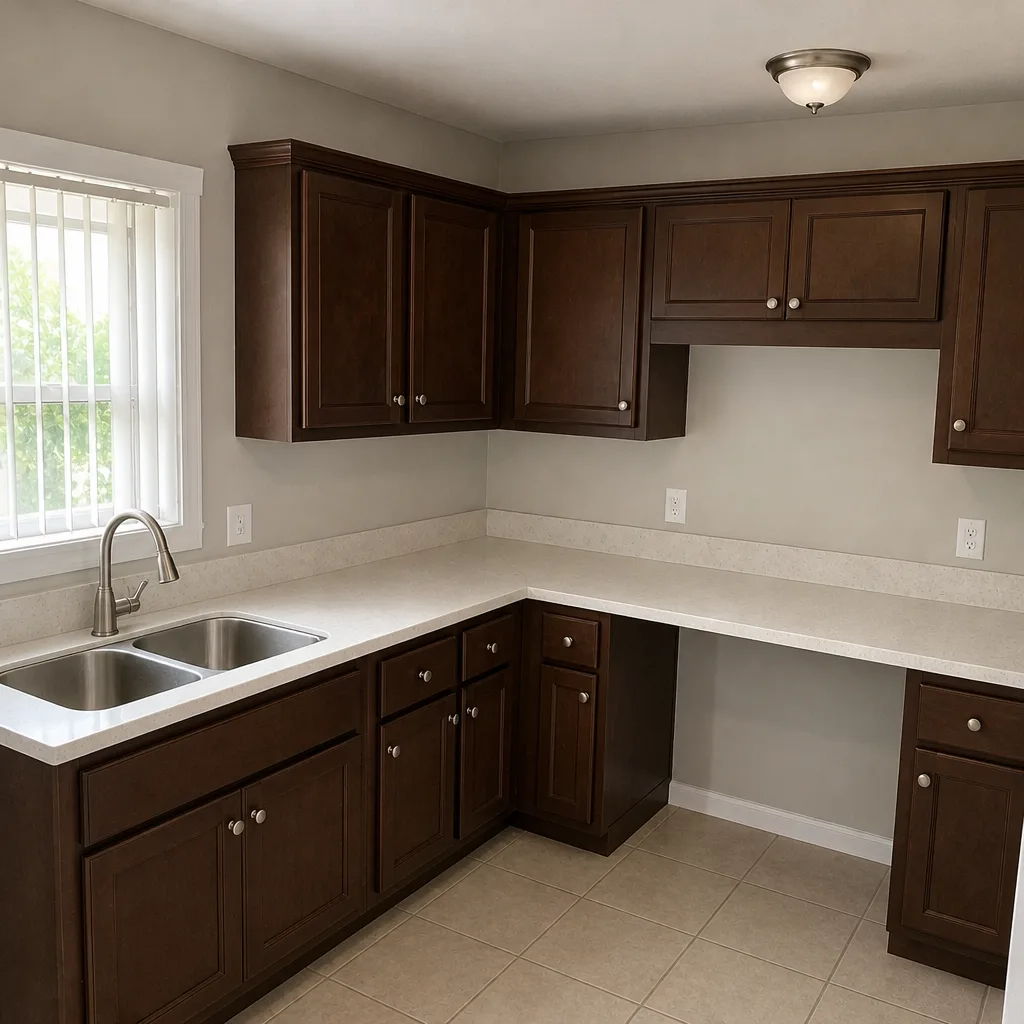
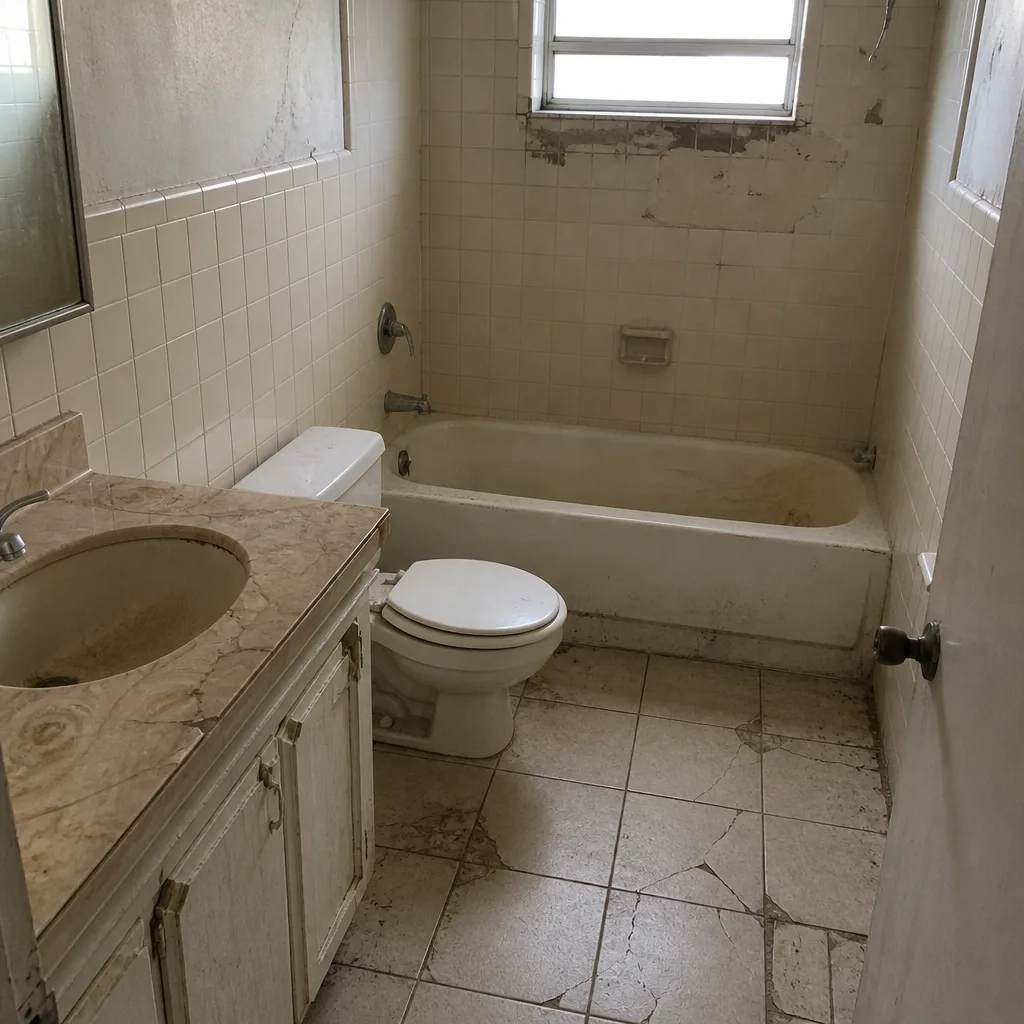
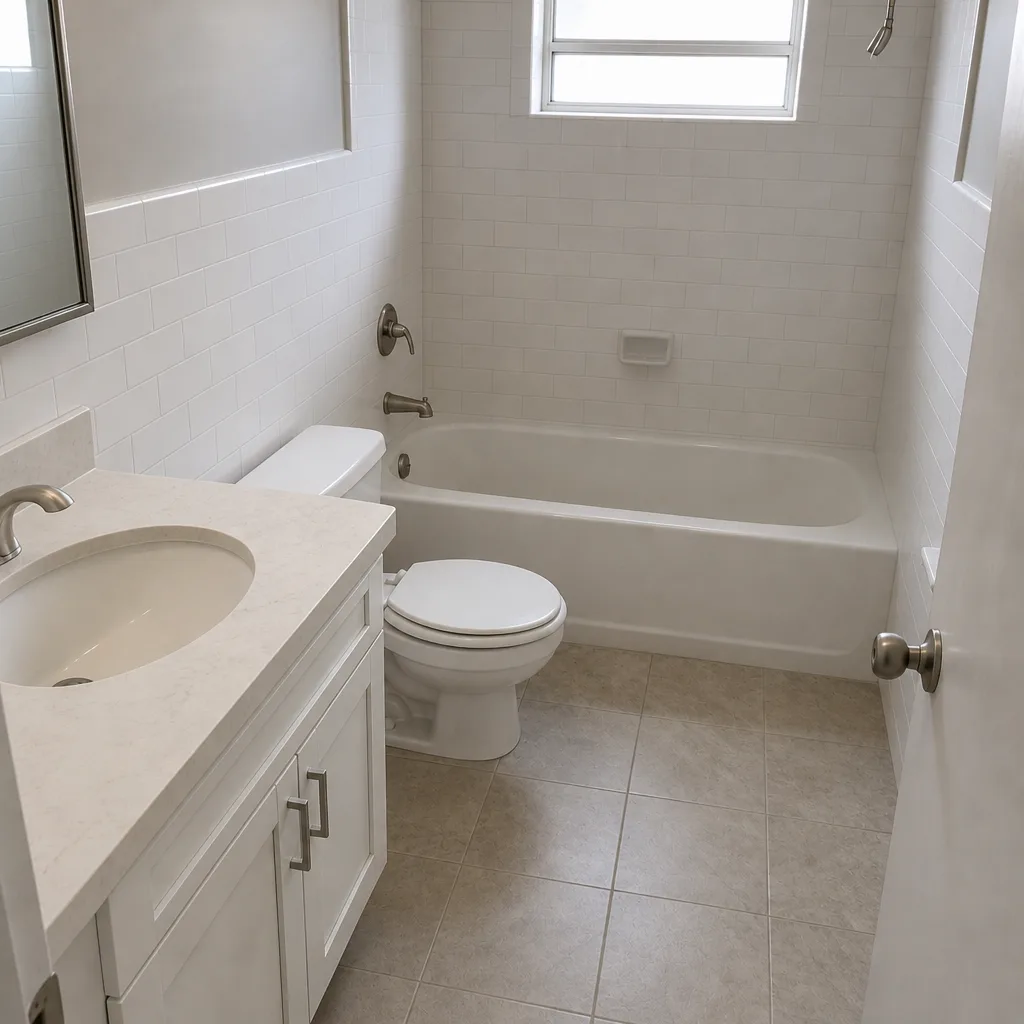
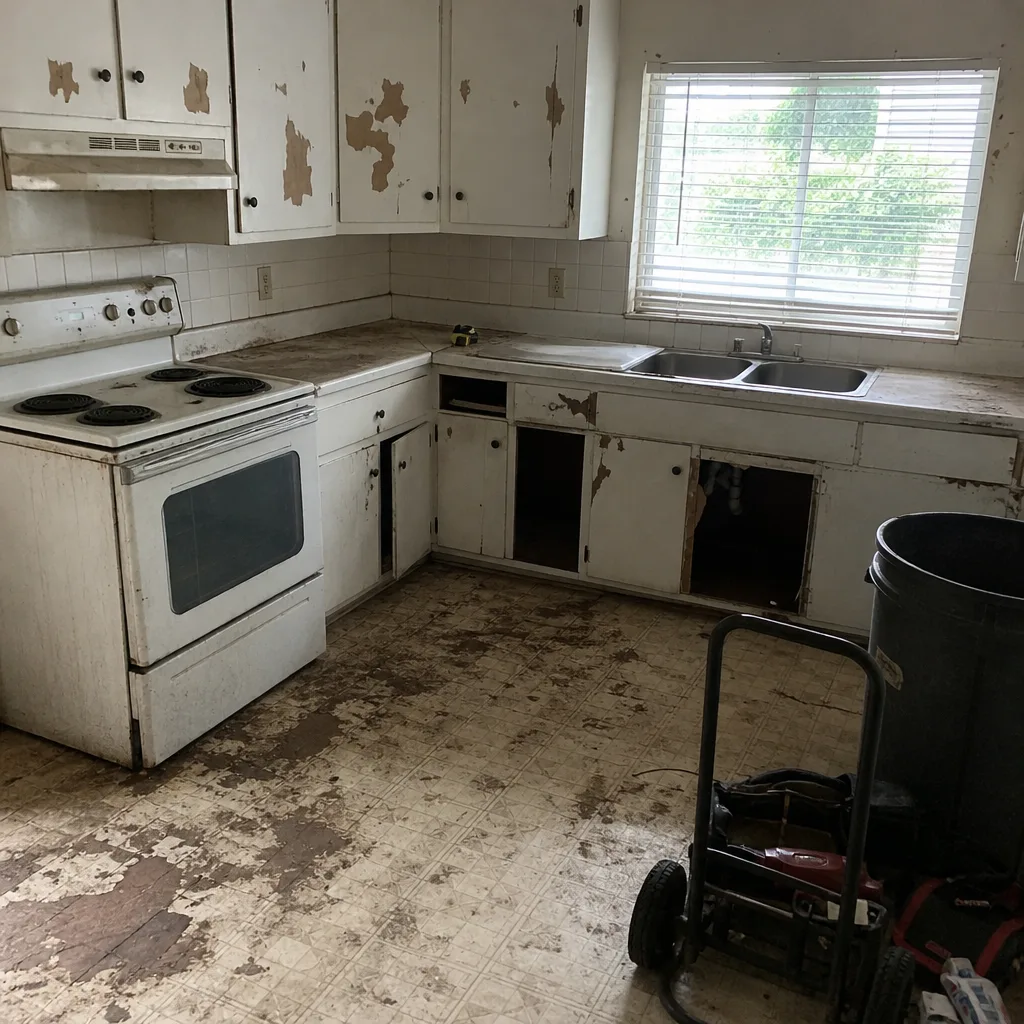
See the difference
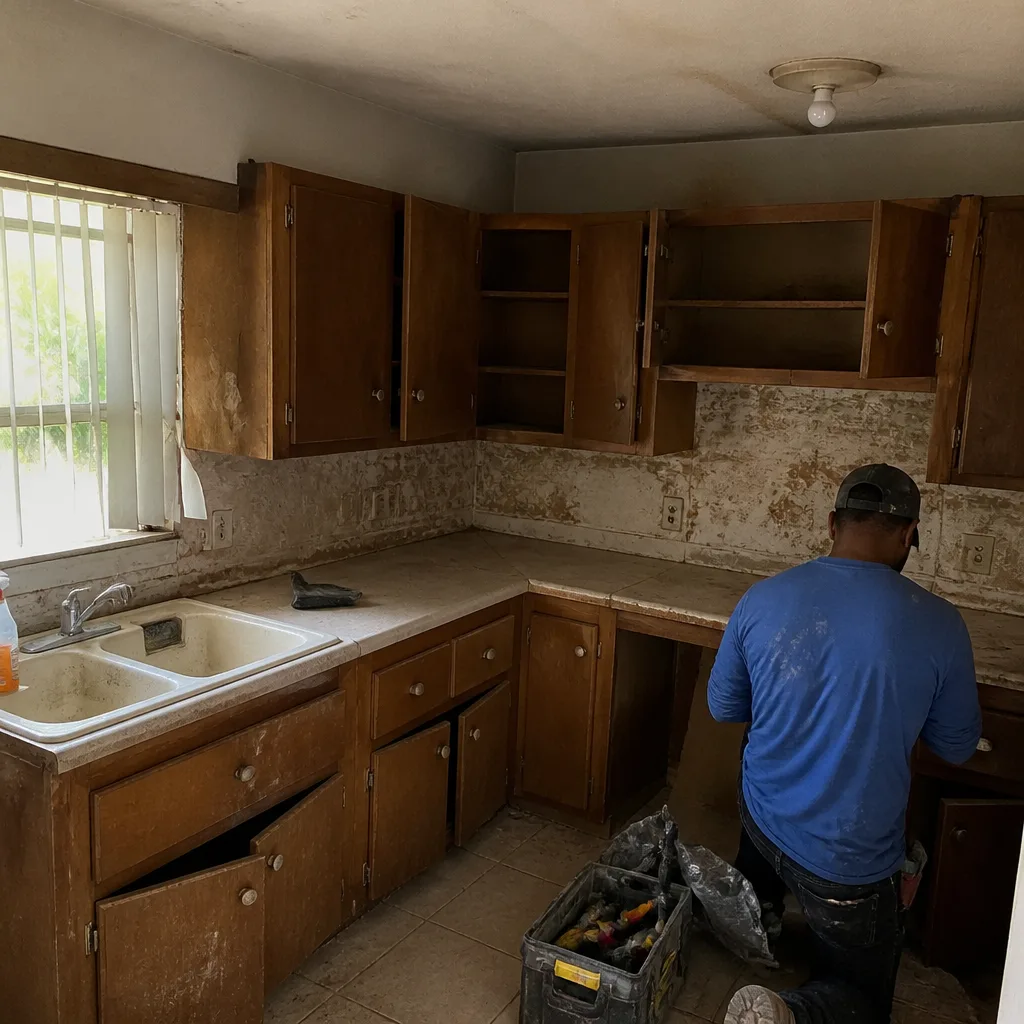 Before
 After
 Before
 After
 Before
 After
Replacement Cost & What’s Included
The costs below are for the full build and are calibrated to the Miami Gardens market. When we’re replacing a specific failed component within an existing addition, the scope is smaller and the estimate reflects it. We quote parts and labor separately, and our crew members have up to 28 years of experience on these systems.
- Home Addition: $53,100 to $153,400
- ADU Construction: $106,200 to $259,600
- Garage Conversion: $35,400 to $94,400
- Roof Replacement (a common need when an addition’s original roof has aged out): $9,440 to $23,600
- Roof Repair: $470 to $2,125
The range is driven by the size of the addition, the condition of the original structure at the tie-in point, whether permits are required for the scope, and what the inspector finds once the assembly is opened up. Every scope, allowance, and price change arrives as a written change order before work happens. The work is backed by our 90-Day Done Right Promise. We pull permits and get inspections signed on every eligible job in Miami Gardens.
DIY or Call Us?
What an owner can safely check: the stain pattern on an interior ceiling after a rain event, whether a visible crack in caulk or sealant at the tie-in is new, and whether shingle edges or ridge caps have lifted. Document what you see with a photo from the ground. What an owner should not do: climb onto a wet, steep addition roof to inspect a flashing detail, or attempt to reseal the tie-in from above without understanding the drainage path underneath. On a pitched roof in Miami Gardens, a fall from height is a real hazard, and a sealant that looks correct from above can trap water and make the problem worse. Our recommendation is simple: leave the roof-surface work to a trained crew. When you’re ready, call us at (844) 797-8316 and we’ll schedule a free estimate at no trip charge inside the county.
FAQs
Most IKO shingle systems last 15 to 25 years in our climate, depending on the line installed, the underlayment, and the ventilation. South Florida’s hurricane seasons and intense UV cycles shorten the life of anything that wasn’t detailed properly at the tie-in. If your addition is 15 years old or more, a professional inspection is overdue.
Often, yes, particularly when the damage is confined to flashing, sealant at the tie-in, or a few ridge caps. The question is whether the underlying deck and underlayment have stayed dry. Once we open the assembly and confirm the wood is sound, a targeted repair is the right call. If the sheathing is wet or soft, repair is a short-term patch and we’ll say so plainly. Call (844) 797-8316 for a free second opinion on any written estimate.
A targeted component replacement on an addition roof usually runs a single working day, weather permitting. A full roof assembly replacement on the addition typically takes two to three days. We build the schedule into the written scope before we start, so you know when the crew will be on site and when they’ll be done.
We identify the system from the original specification sheet, bundle label, or careful field measurement, then source the correct OEM or approved equivalent component. We show you what we’re installing and put it in writing before we order. We don’t stock parts or carry inventory in a truck; we get the right part for your specific assembly.
Everything above is the same conversation we have with homeowners across Miami Gardens every week. The estimate is free, the price is in writing, and a live person answers the phone around the clock. Call (844) 797-8316 to get started – ask for Tom, and he’ll tell you straight whether you’re looking at a repair or a replacement.
Written by the team at Barrett & Sons Construction Miami Gardens, serving Miami Gardens and nearby areas.