
Last updated November 17, 2026
 Driveway & pavers
 Kitchen remodeling
 Bathroom remodeling
 Home additions & ADU
 Roofing
 Windows & doors
 Fence
Free written scope consultation - allowances, timeline, and change-order rules on paper before a single trade is scheduled
How Long Does Driveway & Pavers Take? Timelines and What to Expect
A contractor who quotes you a two-day driveway install either hasn’t pulled your permit yet or isn’t planning to. Miami-Dade permit processing alone routinely runs five to ten business days before a shovel touches dirt, and that’s the fastest part of the schedule to predict. We’ve watched homeowners plan a paver driveway around a phone quote and then spend three weeks parking on the street. This guide walks through the real timeline phase by phase: permit, material lead time, excavation and base, paver setting, joint sand and sealing. It’s written for Miami Gardens, where wet season and sub-base surprises set the pace more than any sales pitch.
Quick Answer
A standard two-car paver driveway in Miami Gardens usually takes three to five weeks of actual working days from permit application to final seal, with roughly two to three weeks of that on site. Add one to three weeks if you’ve chosen an imported travertine or a special-order paver style, and add rain days during the wet season. Most of the total calendar time is waiting on permits and materials, not laying pavers.
Styles & brands we work with
- Kitchen remodeling
- Bathroom remodeling
- Home additions & ADU
- Roofing
- Windows & doors
- Driveway & pavers
- Fence
Table of Contents
- The Phase-by-Phase Timeline
- Why the Permit Phase Takes as Long as It Does
- Material Lead Time: The Phase Nobody Quotes You
- Excavation and Base: Where Surprises Live
- Paver Installation and the Part That Follows
- Wet Season Scheduling and Schedule Buffer
- “Done” vs. Ready for Full Vehicle Load
- What to Ask Before You Sign
The Phase-by-Phase Timeline
Here’s the honest breakdown of a paver driveway project in Miami Gardens, from the day you sign to the day you can park on it. These durations are working-day estimates for a typical 400 to 600 square foot residential driveway. A longer drive or a tight lot with limited access will push the on-site numbers.
- Permit application and processing: 5 to 10 business days with Miami-Dade County. Right-of-way or drainage review can add a few days if your driveway meets the street in a way that triggers it.
- Material order and delivery: 3 to 7 days for standard Belgard or Techo-Bloc styles stocked regionally. 2 to 3 weeks for imported travertine or special-order blends.
- Demo and excavation: 1 to 2 days. Hauling off old concrete or asphalt adds half a day.
- Sub-base prep and compaction: 1 to 2 days. This is where soft spots get discovered and fixed.
- Paver setting: 2 to 4 days for a typical driveway, longer for intricate patterns or border details.
- Edge restraint, joint sand, cleanup: 1 day.
- Sealing: 1 day, after the pavers have had time to settle. We schedule this separately so the surface is dry and cured.
Total on-site time lands around 6 to 10 working days for most jobs. The calendar time stretches to three to five weeks because permits and materials sit in front of the crews. Our technicians have up to 28 years of experience, and the one thing that experience teaches is that the schedule is won or lost before anyone picks up a shovel. If you want to see how this plays out on a full driveway project, our page on Driveway & Pavers in Miami Gardens breaks down the scope and materials.
Why the Permit Phase Takes as Long as It Does
Permits aren’t paperwork. They’re the reason your driveway drains away from the house instead of into the garage, and the reason the county has a record of what’s under your pavers if you ever sell. In Miami-Dade, a driveway that meets the public right-of-way generally requires a permit, and the review checks grading, drainage, and impact on the swale. That review is done by people with a backlog, not by someone waiting on your call.
Processing time varies with the season and the completeness of the submittal. A clean application with a proper site plan and product specs moves faster than one that comes back for corrections. We’ve seen corrections add a full week on their own. The contractor who says they don’t need a permit is either planning to skip it or doesn’t know the rules. Either way, the risk lands on you: unpermitted work can surface at resale, at insurance renewal, or when a neighbor’s drainage complaint triggers an inspection.
Every eligible job we take on includes permits pulled and inspections signed. The permit inspector works for you, not for us. That’s why we like him. If you’re planning improvements beyond the driveway, the same rule applies to fences and additions, and we cover that in our guide to Fence Installation in Miami Gardens.
Material Lead Time: The Phase Nobody Quotes You
The phone quote almost never includes material lead time, and that’s where the calendar quietly stretches. A standard gray or sand-colored paver in a common size is usually sitting in a regional yard, ready to haul within a few days. A specific color blend, a large-format slab, or an imported travertine is a different story.
Imported travertine is the one that catches people. The stone typically ships from overseas, and even a regional distributor may need two to three weeks to fulfill a specific order. If you’ve seen a driveway down the street in a warm cream travertine and you want that exact look, plan on that lead time. It’s not a delay we can fix by calling around; it’s a supply chain fact. Knowing it up front lets you decide whether the look is worth the wait or whether a stocked Belgard style gets you close enough three weeks sooner.
Two things help here:
- Lock the material before the permit clears. Ordering and permitting can run in parallel. A contractor who waits for the permit to order material has stacked two waits end to end for no reason.
- Get the product name and color on the written scope. “Premium pavers” is not a material. A named product you can look up is.
We install Belgard and Techo-Bloc hardscape products because the names are on the pallet and the specs are public. A material you can verify is a material you can hold someone to.
Excavation and Base: Where Surprises Live
Excavation is the phase that most often runs long in Miami Gardens, and it’s not because the crew is slow. It’s because the ground under an old driveway is rarely uniform. This is flat, low-lying ground in a region that gets soaked every summer, and we regularly find soft pockets, old fill, tree roots, or a layer of buried debris where the previous surface was poured over something that shouldn’t be there.
The base is what carries the driveway. A paver surface is only as good as the compacted aggregate under it, so the crew excavates to the required depth, grades for drainage, and compacts in lifts. When they hit a soft spot, the fix is more excavation, more base material, more compaction. That can add a half day or a full day, and it’s not something anyone can see from the curb when they quote you.
This is why the price change has to arrive as a written change order before the extra work happens. The homeowner should see what was found, what the fix is, and what it costs, and sign before the crew proceeds. A surprise invoice at the end of the job is not a surprise at all; it’s a bill someone planned to hand you. If your project grows into something larger, our team on Barrett & Sons Construction Miami Gardens home handles additions and structural work with the same written-scope approach.
Paver Installation and the Part That Follows
Once the base is right, the paver setting itself moves quickly. A crew lays pavers in a running bond, herringbone, or a pattern you’ve chosen, cutting edges and corners as needed. Two to four days is typical for a residential driveway. The job then moves into the finishing phase that homeowners often forget to plan for.
- Edge restraint: a secure border holds the field of pavers in place so the driveway doesn’t creep outward over time.
- Joint sand: swept into the joints, vibrated down, and topped off, this locks the pavers against each other.
- Cleanup: excess sand swept off, site cleared, equipment hauled.
- Sealing: applied separately, once the pavers are dry and settled. Sealing too soon traps moisture from the sand and the ground, and it doesn’t do what it’s supposed to.
That gap between setting and sealing is real schedule, not a sales gimmick. We come back for it. If you’ve been burned by a crew that vanished after the last paver went down, this is the part that matters: the job isn’t finished until the seal is on and the edges are holding, and we’re the ones who come back to do it.
Wet Season Scheduling and Schedule Buffer
Miami Gardens sits in a climate that gives us a wet season from roughly May through October, and the afternoon storms don’t ask permission. A summer downpour can shut a base-prep or sanding day down mid-morning. A day lost to rain isn’t just a day lost; if the crew was mid-compaction or the base is uncovered and holding water, there’s drying time on top.
A contractor who plans properly builds rain buffer into the schedule. That means scheduling around the wet season where possible, keeping an eye on the radar, and having a real answer when the homeowner asks what happens if it rains Tuesday. A contractor who wings it promises you ten days, loses four to weather, and stops answering the phone.
What to expect from a well-planned schedule:
- A quoted window, not a single date. A range of three to five weeks is honest. A specific day ignores weather and permit reality.
- A stated weather policy. Ask what happens if it rains and how quickly they resume.
- An order of operations that protects the base. The base should not sit exposed through a storm cycle if it can be helped.
- Updates without you asking. You shouldn’t be the one calling every morning to find out what’s happening.
The wet season doesn’t make a driveway impossible. It makes a schedule honest or dishonest, depending on who’s running it. That distinction shows up across every trade, including the planning in our Home Additions & ADU in Miami Gardens work, where weather and permits decide the pace just as much.
“Done” vs. Ready for Full Vehicle Load
The day the crew pulls out is not the day you park both cars on it. A paver driveway needs its joint sand settled and, if you’re sealing it, the seal cured before it takes the full weight of daily traffic. The difference between “done” and “ready for full vehicle load” matters for your parking plan, especially if you have two vehicles and a narrow street in front.
In practice, the sequence looks like this: setting is done, edge restraint and joint sand go in, the surface is swept clean, and then the driveway rests. Sealing happens after that settling period, and the sealer needs a dry stretch to cure before traffic. For most of our Miami Gardens projects, the driveway is ready for foot traffic first and full vehicle load a short time after, and we tell the homeowner the exact window on the paperwork rather than leaving them guessing.
Ask before you sign: “When can I park on it, and when can I seal it?” A contractor who can’t answer both with specifics is not planning the finish, only the start.
What to Ask Before You Sign
The timeline conversation is really a trust conversation. These are the questions that separate a contractor who plans from one who sells. Ask them, and judge the answers by whether they’re specific.
- “What’s your schedule buffer, and how do you handle weather delays?” A real answer names the wet season and a process. A vague answer is a warning.
- “Have you pulled the permit, and can I see the application?” The permit number and submittal date should be available to you.
- “Which paver product, and is it in stock?” A named brand beats a vague description every time.
- “Will the base depth be re-checked if you hit soft spots, and how will that be priced?” The answer should be a written change order before the extra work starts.
- “When can I park, and when do you come back to seal?” The seal schedule is part of the job, not an add-on.
- “If something’s not right after you leave, who do I call?” With us, the answer is written on the contract: one call brings Tom back under the 90-Day Done Right Promise.
These are the questions we’d want a neighbor to ask us. Barrett & Sons is owner-operated, and a live person answers the phone around the clock, not a voicemail box. If you’re comparing estimates, a second opinion on any written bid is free, and there’s no trip charge inside the county.
Common Mistakes to Avoid
- Planning your parking around a phone quote. The verbal estimate is a sales number, not a schedule. Ask for the phase-by-phase timeline in writing before you commit the cars to the street.
- Choosing an imported travertine with no lead time. That specific stone can add two to three weeks before work starts, and no amount of pushing gets it here faster.
- Letting a contractor start without the permit. Unpermitted driveway work in Miami-Dade can surface at resale or insurance renewal, and the cost lands on you, not the crew that skipped it.
- Signing off on soft-spot fixes without a written change order. If the price moves, it moves on paper first. An allowance that isn’t on paper is a surprise waiting for a date.
- Parking on the driveway the day the crew leaves. Joint sand and seal need their cure time before full load. Plan a few extra days of street parking.
- Believing a specific rain date. A quoted window with a stated weather plan is honest. A single completion date in a wet-season month is a guess dressed up as a fact.
- Skipping the seal. Sealing isn’t cosmetic in this climate; it helps pavers resist staining and moisture. The contractor should schedule it as part of the job.
See the difference
 Before
 After
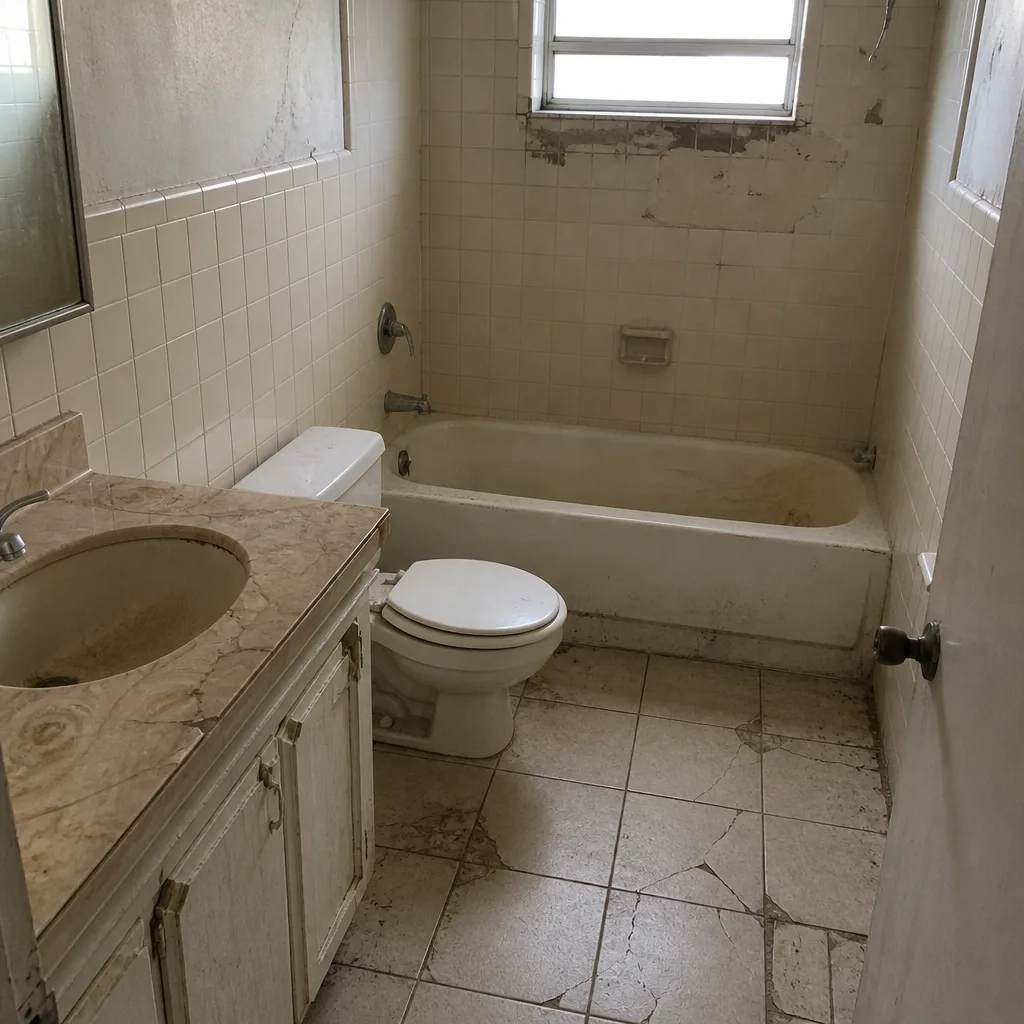 Before
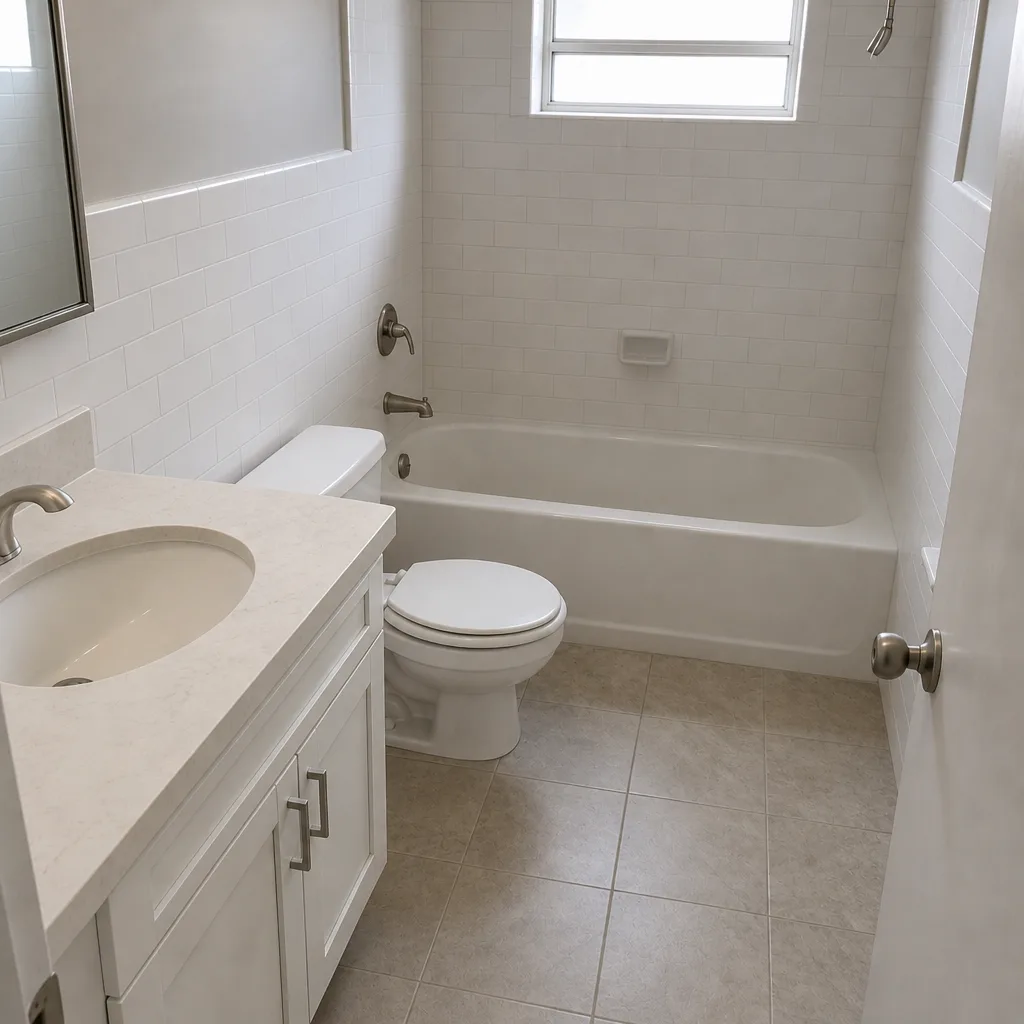 After
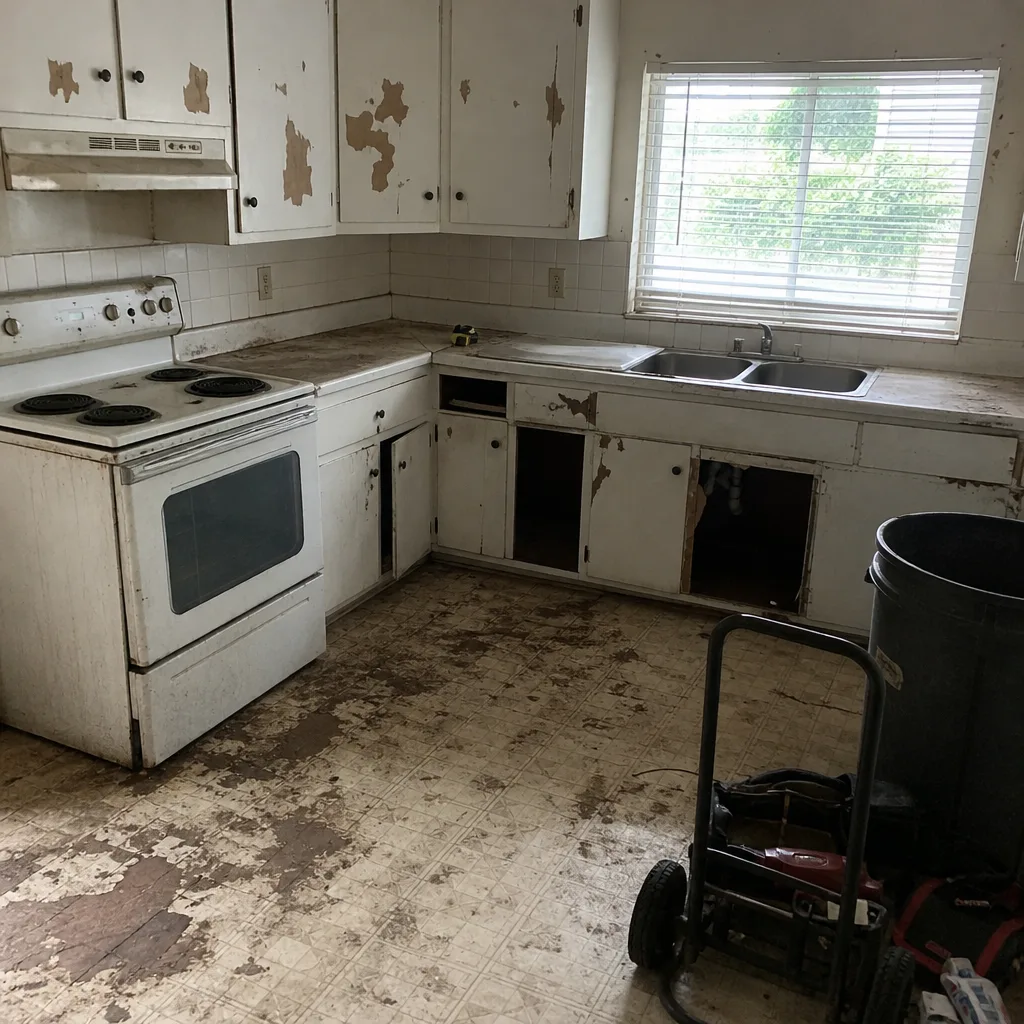 Before
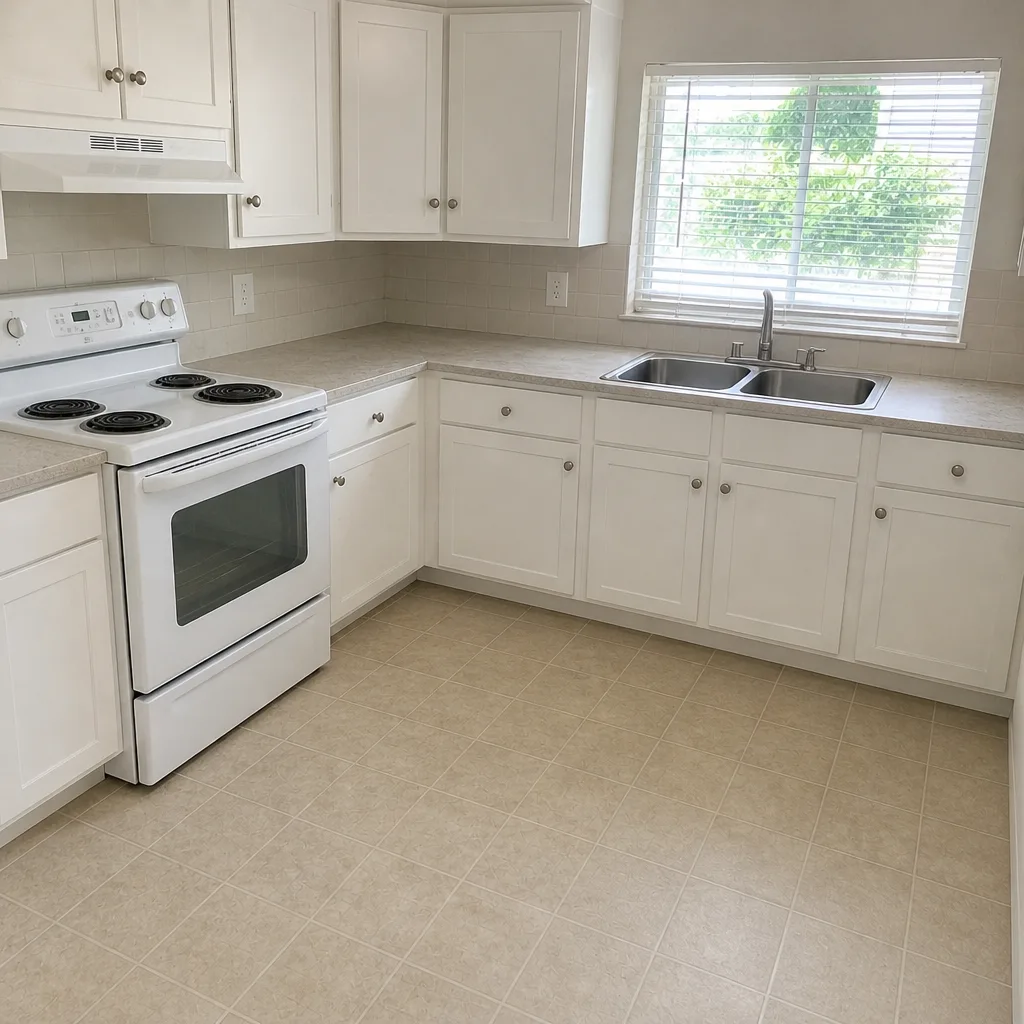 After
When to Call a Professional
Some jobs are a Saturday afternoon with a wheelbarrow. A paver driveway in Miami Gardens isn’t one of them. Call a professional when the job needs a permit and a drainage plan, when the existing surface is failing in a way that suggests a base problem underneath, when you want a specific imported stone and need the lead time handled correctly, or when a previous crew walked off mid-project and you need someone to finish what they started. Tearing out old asphalt or concrete, compacting base in lifts, and getting the grading right are all jobs where the most expensive outcome is a second try. We offer free estimates in Miami Gardens, with the scope, allowances, and timeline in writing before anything starts. Call (844) 797-8316.
Frequently Asked Questions
The on-site work for a typical residential paver driveway is about 6 to 10 working days, but the full calendar window from permit application to final seal is usually three to five weeks. The difference is permit processing (5 to 10 business days) and material lead time. Add one to three weeks if you’ve selected an imported travertine or a special-order blend. Call (844) 797-8316 for an exact timeline on your property; estimates are free.
Yes, in most cases. A driveway that meets the public right-of-way generally requires a permit, and the review covers grading and drainage. Skipping it puts the risk on the homeowner at resale or insurance renewal. Every eligible job we take on includes the permit pulled and the inspection signed.
Yes, with a schedule that accounts for it. The wet season brings afternoon storms that can shut down base prep and sanding for a day, and a soaked uncovered base needs drying time. A contractor who builds rain buffer into the schedule and keeps you updated is the difference between a job that stretches a little and one that stalls. Call (844) 797-8316 to talk through timing for your window.
Foot traffic is usually fine within a day or so after setting, and full vehicle load comes after the joint sand has settled and any sealer has cured. The exact window depends on whether you’re sealing and on the weather, and we put it on the paperwork. Plan on a few extra days of street parking rather than parking the day the crew leaves.
Because it ships from overseas and even a regional distributor may need two to three weeks to fill a specific order. Standard Belgard and Techo-Bloc styles are often stocked regionally and arrive in a few days. If you’re set on the travertine look, plan the wait into the schedule from the start rather than discovering it mid-project.
They fix it, and you get a written change order before the extra work starts. Soft fill, tree roots, and buried debris are common in this area, and the fix is more excavation and base. A contractor who hands you a surprise invoice at the end didn’t find a surprise; they planned the bill. Call (844) 797-8316 for an estimate with the change order process explained up front.
The Bottom Line
The real timeline for a paver driveway in Miami Gardens is three to five weeks on the calendar, with 6 to 10 working days on site. Permits and materials eat most of the wait, and the wet season can stretch it further. The contractors who give you a realistic window, a named paver product, a permit pulled before the shovel moves, and a written change order when the ground surprises them are the ones worth signing with. Ask about schedule buffer, weather policy, and when you can actually park. That’s the conversation that matters, not a two-day promise. Barrett & Sons Construction is owner-operated, and we put every scope, allowance, and price change in writing.
Call (844) 797-8316 to schedule your free estimate with Barrett & Sons Construction Miami Gardens.
Written by the team at Barrett & Sons Construction Miami Gardens.