
Last updated November 17, 2026
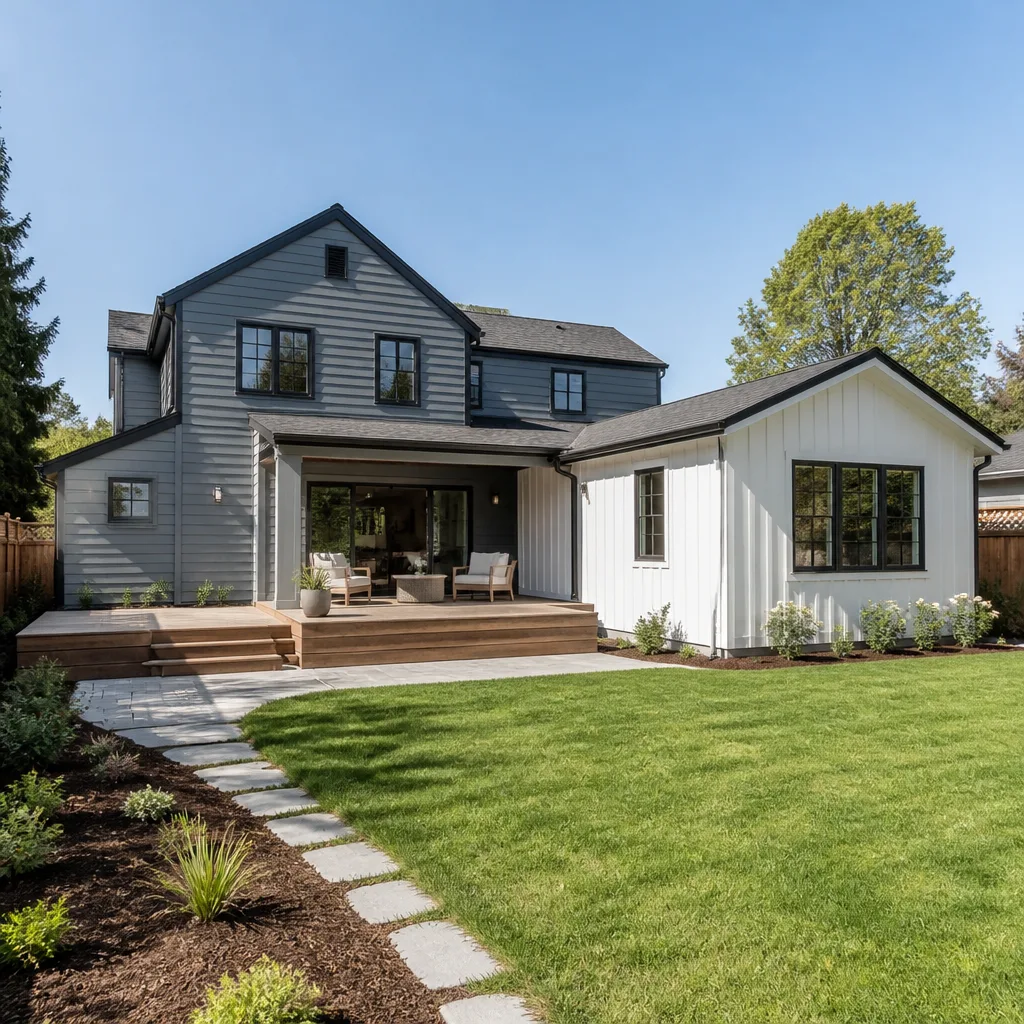 Home additions & ADU
 Kitchen remodeling
 Bathroom remodeling
 Roofing
 Windows & doors
 Driveway & pavers
 Fence
Free written scope consultation - allowances, timeline, and change-order rules on paper before a single trade is scheduled
Home Additions & ADU Troubleshooting: Common Problems and How to Fix Them
A cracked foundation tie-in and a bathroom that smells like sewer gas have almost nothing in common structurally, but they share one cause: a step that got skipped because no one was watching and the homeowner didn’t know to ask. In our experience building in Miami Gardens, the failures that cost the most later were all visible mid-construction to someone who knew the tell. This guide works backward from the most common post-move-in problems so you can catch them before the drywall goes up. We’ll cover Florida structural tie-ins, HVAC sizing that breaks after the fact, electrical symptoms you can spot yourself, and a decision tree for cosmetic-versus-structural.
Quick Answer
Most addition and ADU problems trace back to three places: an under-connected stem wall, roof flashing done without proper overlap and kick-out, and an HVAC system that was never resized for the new square footage. A cracked grout line or a nail pop is usually cosmetic; a door that stops latching on its own, a musty smell that won’t clear, or a breaker that trips under normal load means call a licensed professional today. In Miami Gardens, our high water table and hurricane-zone code make all three failure points more likely, not less.
Styles & brands we work with
- Kitchen remodeling
- Bathroom remodeling
- Home additions & ADU
- Roofing
- Windows & doors
- Driveway & pavers
- Fence
Table of Contents
- The Three Florida Structural Failure Points
- Why Your New Addition Won’t Cool
- Electrical Symptoms That Point to an Undersized Subpanel
- Is It Cosmetic or Structural? A Decision Tree
- Fixable as a Repair vs. Permitted Corrective Work
- The Compounding Liability of Unpermitted Fixes
- Questions That Catch Failures Before Drywall
The Three Florida Structural Failure Points
Florida is not a forgiving place to build. The water table sits high, the wind loading is heavy, and the slab-on-grade details that work in dry climates fail here. These are the three most common structural failure points we see on additions and ADUs across Miami Gardens.
1. Inadequate stem wall connections. The stem wall ties your new addition to the existing slab and footer. When the rebar dowels into the existing footing are too short, spaced too wide, or missing an epoxy set, the new slab moves independently. You see it as a hairline crack at the tie-in or a door that stops closing as the slab shifts. Code requires specific dowel diameter, embedment depth, and spacing; on hurricane-zone work, that’s not a suggestion.
2. Roof tie-in flashing done wrong. The joint where the new roof meets the old wall is the number one leak source in Florida additions. Flashing that’s nailed without proper overlap, missing a kick-out at the wall base, or sealed with caulk instead of layered metal will hold for one dry season and fail in the third. In Miami Gardens, our summer rain load finds every mistake in that joint within a year.
3. Slab-on-grade moisture. Our water table can sit within a few feet of grade in parts of Miami Gardens. Without a proper vapor barrier under the slab and correct finish-grading away from the addition, moisture pushes up through the concrete, wicks into baseboards, and grows mold behind the drywall. That’s the “musty smell that won’t clear” complaint.
Why Your New Addition Won’t Cool
An addition that won’t cool properly is almost never the air conditioner’s fault. It is almost always an undersized return or a duct design that the original system was never built to support.
Here’s what happens. The original HVAC was sized for the original square footage. When the addition goes on, the load increases, but the system doesn’t. If the contractor simply extends a supply duct into the new room without adding return air, that room runs positive pressure. The air leaks out through every gap and the room never cools, no matter what the thermostat says.
Symptoms to look for
- New room stays 5 to 8 degrees warmer than the rest of the house.
- The thermostat reads the target temp but the room feels humid and stuffy.
- You find yourself closing doors to the new space because it “never gets cool.”
- The original rooms now cycle the AC more than they used to.
What the fix actually involves
- A manual J load calculation on the combined envelope.
- A manual D duct design that accounts for the addition’s return air path.
- Either a properly sized second system for the addition or an upgraded main unit, never a “just add a vent” patch.
We see this in Miami Gardens constantly on garage conversions and in-law suites. The homeowner was told “the AC will handle it.” It never does. Resizing the system and the ductwork isn’t optional; it’s part of the actual scope.
Electrical Symptoms That Point to an Undersized Subpanel
An addition almost always gets its own subpanel off the main. The failure mode is when that subpanel is sized for the addition alone, not the combined load of the addition plus everything it pulls from the main.
Symptoms you can observe yourself
- The main breaker trips when the addition’s heavy loads run at the same time. An AC compressor, a microwave, and a hair dryer at once should not kill the panel.
- Lights dim briefly when the AC kicks on. That’s voltage drop from an overloaded feeder.
- The subpanel breaker runs warm to the touch. Warmth means load, load means someone undersized it.
- A breaker trips repeatedly under the same normal use. A 20-amp circuit that can’t hold a space heater is a warning.
- A breaker that never trips but the panel hums. Humming is not normal.
Electrical work is one of the trades you should never troubleshoot with a YouTube tab open. Breaker panel work involves lethal voltage. If any of the above sounds familiar, the right move is to call a licensed electrician today, not to swap in a bigger breaker. A bigger breaker on an undersized wire is how houses burn.
Is It Cosmetic or Structural? A Decision Tree
This is the question we get most in Miami Gardens. Here’s the honest framework. Start with the symptom, work down.
- Where is the symptom? If it’s on a painted wall or a grout line, keep reading. If it’s at a slab edge, a foundation tie-in, or the roof-to-wall joint, call a licensed professional today.
- Is it getting worse over weeks? A hairline drywall crack that follows the same size for months is cosmetic. A crack that widens measurably, week over week, is not.
- Does a door still latch the same way it did? A nail pop or a small drywall crack will not change how a door swings. A door that stops latching, rubs the frame, or swings on its own means the frame is moving.
- Is the smell musty, or is it sewer? Musty is moisture; likely a vapor barrier or grading issue. Sewer gas is a plumbing vent or drain line problem and is a call-today issue.
- Are the cracks sharp or ragged? Ragged, jagged cracks in drywall or tile grout are usually settlement or temperature movement. Sharp diagonal cracks from a corner of a window to a ceiling corner are load-related. Call.
Put plainly: a nail pop or a small drywall crack at a seam is cosmetic. A door that doesn’t latch, a slab crack that crosses the new-addition joint, or a roof leak that shows up after every Miami Gardens summer storm is structural. Call today. The cost of waiting on structural symptoms is the difference between a $600 repair and a $6,000 one.
Fixable as a Repair vs. Permitted Corrective Work
Some problems are honestly fixable as a service call. Others must be permitted corrective work, and it matters which category you’re in before you hire anyone.
Usually a repair: nail pops, drywall seam cracks, a single failed exterior light fixture, a dripping hose bib, missing or failed door weatherstripping, small caulk failures at exterior joints.
Usually permitted corrective work: any repair that involves moving the slab, the roof tie-in flashing, adding or resizing a subpanel, adding or resizing return air, or replacing any of the plumbing rough-in under the addition. These are the repairs that cost less the first time than the fifth time.
The test we use: if the fix touches a system with an inspector’s stamp on the original job (structural, electrical, plumbing, HVAC), it needs the correction to be inspected too. If it’s a finish or a fixture, it’s a repair. If you need a full-assessment on an addition that’s already been permitted and built, our Home Additions & ADU in Miami Gardens page walks through what we check.
The Compounding Liability of Unpermitted Fixes
Here’s the trap. An addition was built without permits, and now there’s a problem. A handyman offers to “fix it for cheap, no paperwork.” That fix, done without permits, creates a second unpermitted scope stacked on the first, and the liability compounds.
When you sell the home, the disclosure question is no longer just about the original addition; it’s about every undocumented repair since. When an insurer looks at a claim, they look at the whole chain of unpermitted work. And when a later contractor is asked to put their name on it, they may refuse to touch it until the earlier work gets permitted correctly first.
The right sequence, if you inherit an unpermitted addition with active problems:
- Get a written assessment of what exists and what fails code from a licensed contractor.
- Bring the existing construction into permit compliance before touching the failure.
- Do the corrective repair as permitted work so it carries a signed inspection.
That’s the honest path. It’s more paperwork up front and often cheaper over 10 years. We’ve watched Miami Gardens homeowners pay this bill twice because a neighbor’s handyman took the shortcut.
Questions That Catch Failures Before Drywall
Most of the failures in this guide were visible mid-construction to anyone who knew where to look. The homeowner who knew what to ask caught them before the drywall went up. The homeowner who didn’t didn’t. Here are the questions to ask your contractor mid-build, in writing.
- Show me the rebar dowels into the existing footing. You should see dowels set in epoxy at the specified diameter and spacing.
- Show me the roof tie-in flashing before the shingles cover it. Layered metal, kick-out at the wall base, no caulk-only seams.
- Show me the vapor barrier before the slab pour. Full coverage, taped seams, tied up the stem wall.
- Show me the manual J and manual D before the HVAC install. These are real calculations, not a hand-written note.
- Show me the subpanel load calculation. Not the panel label; the calculation that produced it.
- Show me the permit number and inspection schedule. Every eligible job has one. Ask before work starts, not after.
We check all six on every addition and ADU we build. Permits are pulled and inspections signed on every eligible job, because the last contractor too many homeowners used told them permits were optional. That’s how a crawlspace gets sealed with no tie-in inspection.
Common Mistakes to Avoid
- Skipping the manual J on HVAC. The contractor who says “the AC will handle it” is guessing. Get the calculation in writing before the drywall covers the ducts.
- Using caulk instead of kick-out flashing at the roof-wall base. In Miami Gardens, our summer rain finds the mistake within a year and the repair is roof tear-off.
- Trusting a handshake change order. An allowance that isn’t on paper is a surprise waiting for a date. If the price changes, it changes on paper before the work proceeds.
- Letting the contractor “self-permit” without showing you the inspection schedule. The permit inspector works for you, not for the contractor. Ask for the schedule.
- Assuming a “minor” breaker trip is normal. A subpanel sized for the addition alone will keep tripping. It’s not a bad breaker; it’s a bad scope.
- Accepting an unpermitted “fix” on top of an unpermitted build. The liability compounds; the resale disclosure gets longer. Don’t sign it.
- Closing on the contractor before seeing the written change-order process. Ask what happens when the scope changes. If the answer is verbal, walk.
See the difference
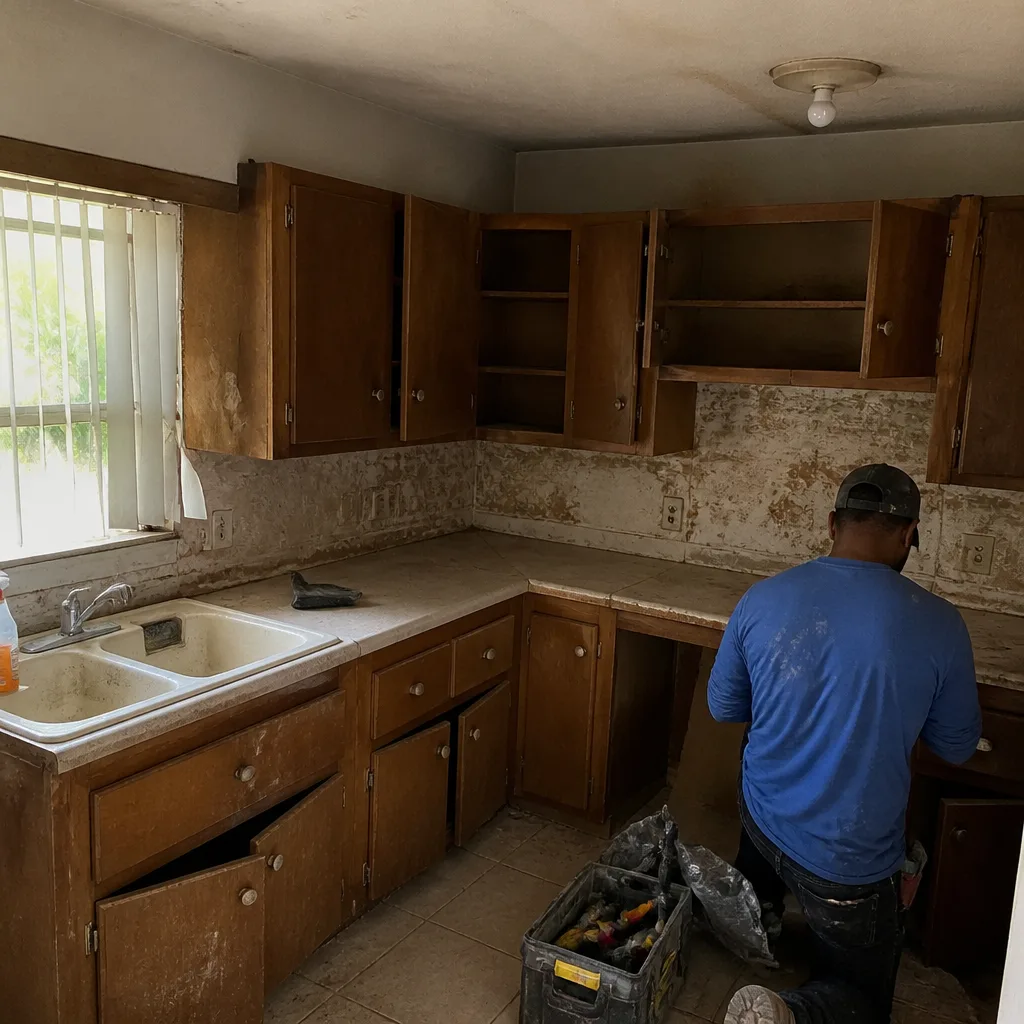 Before
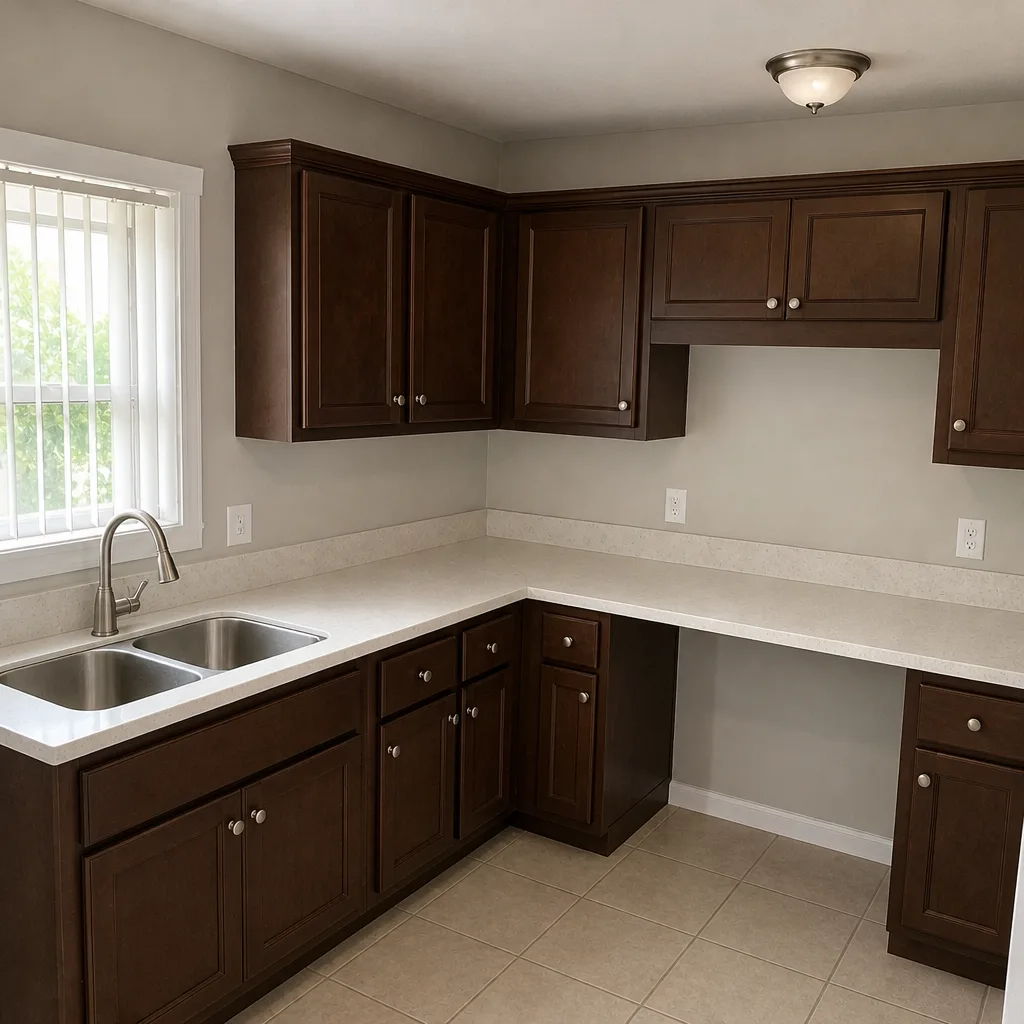 After
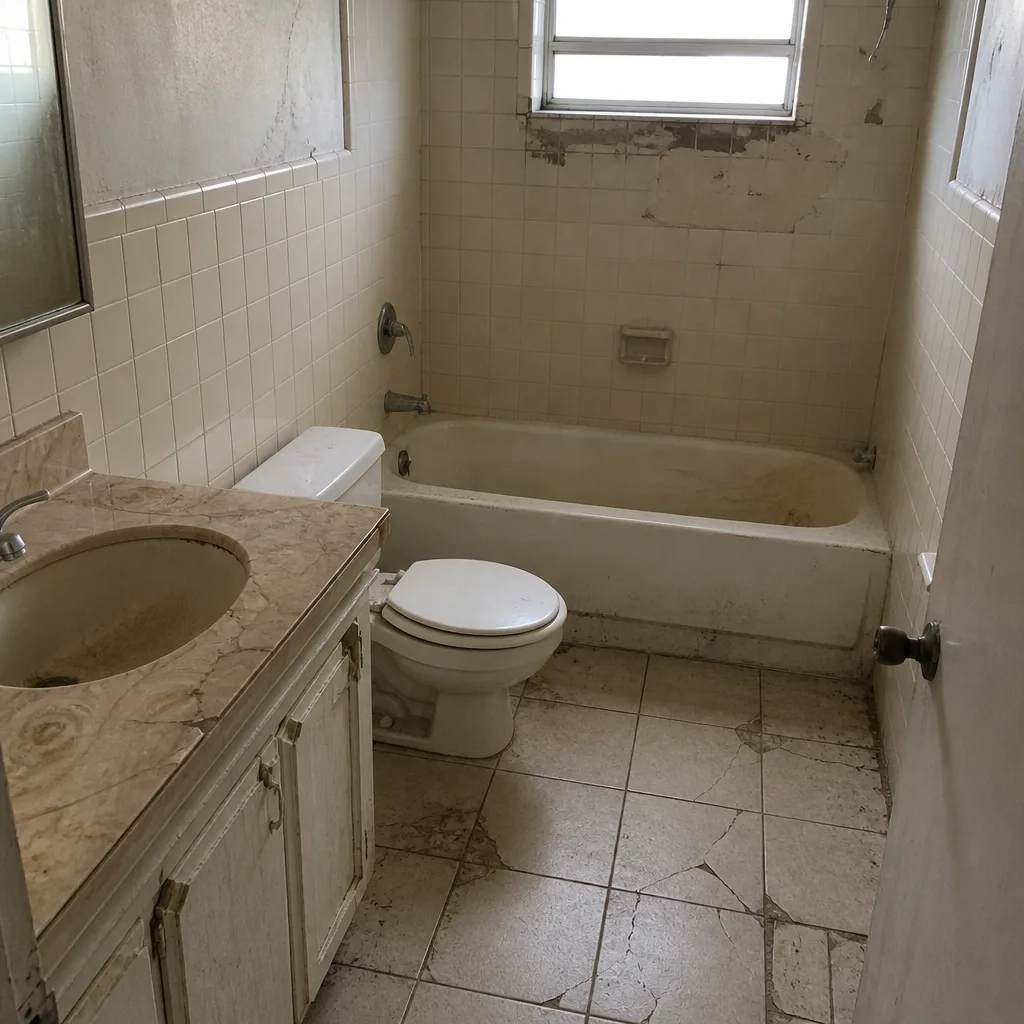 Before
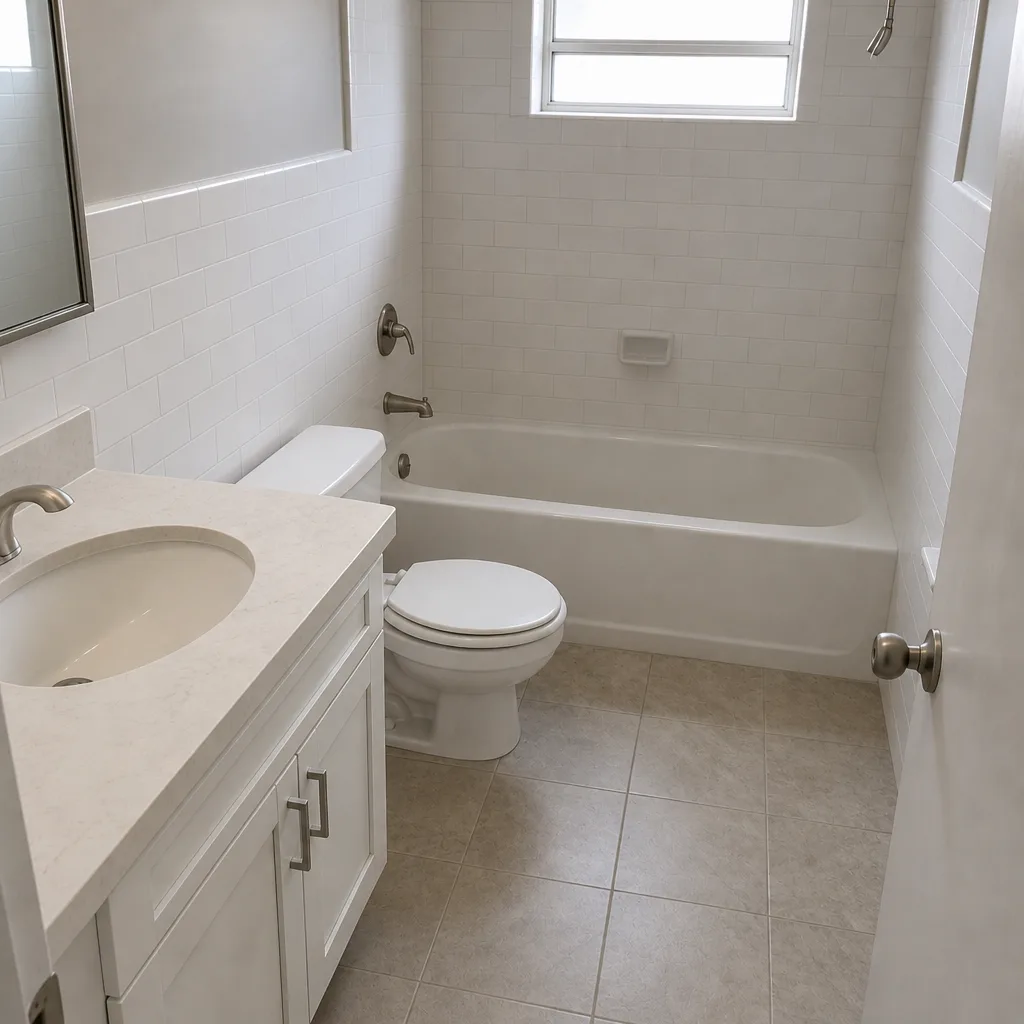 After
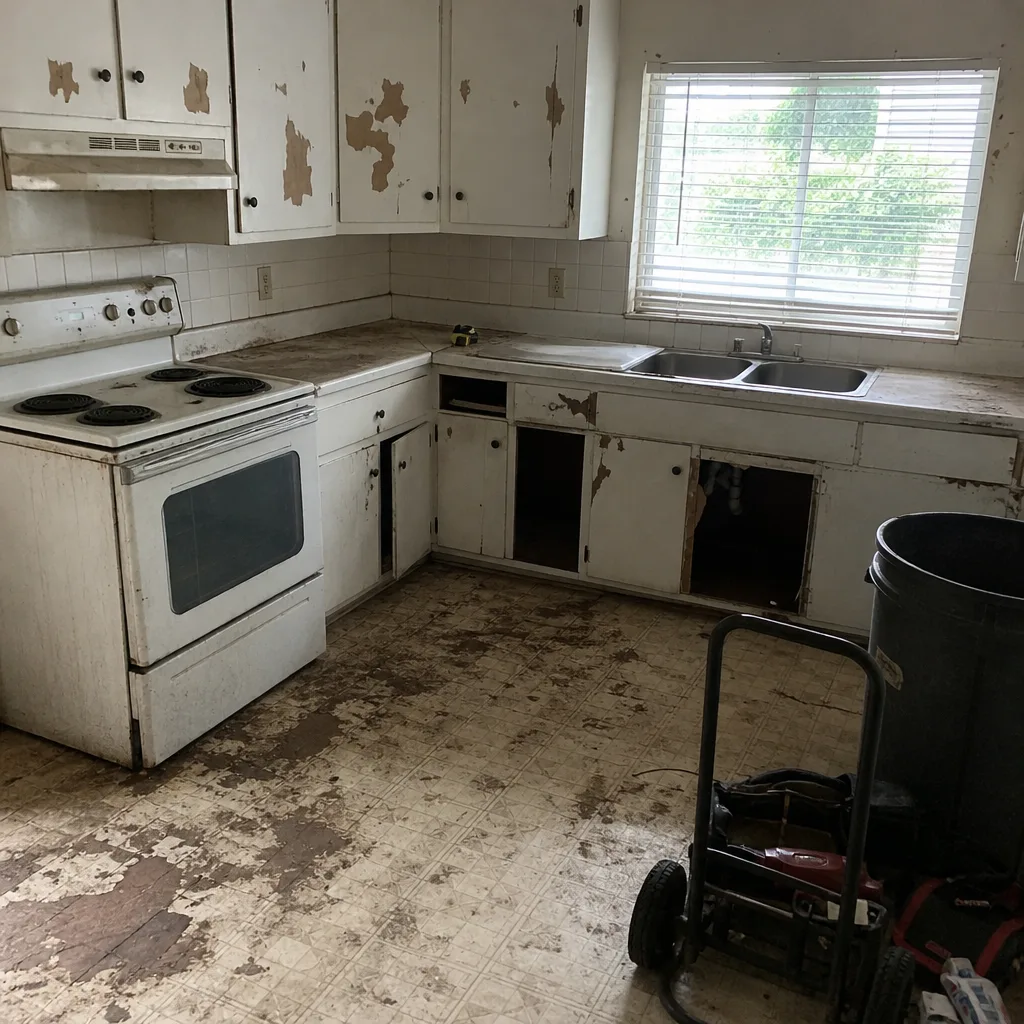 Before
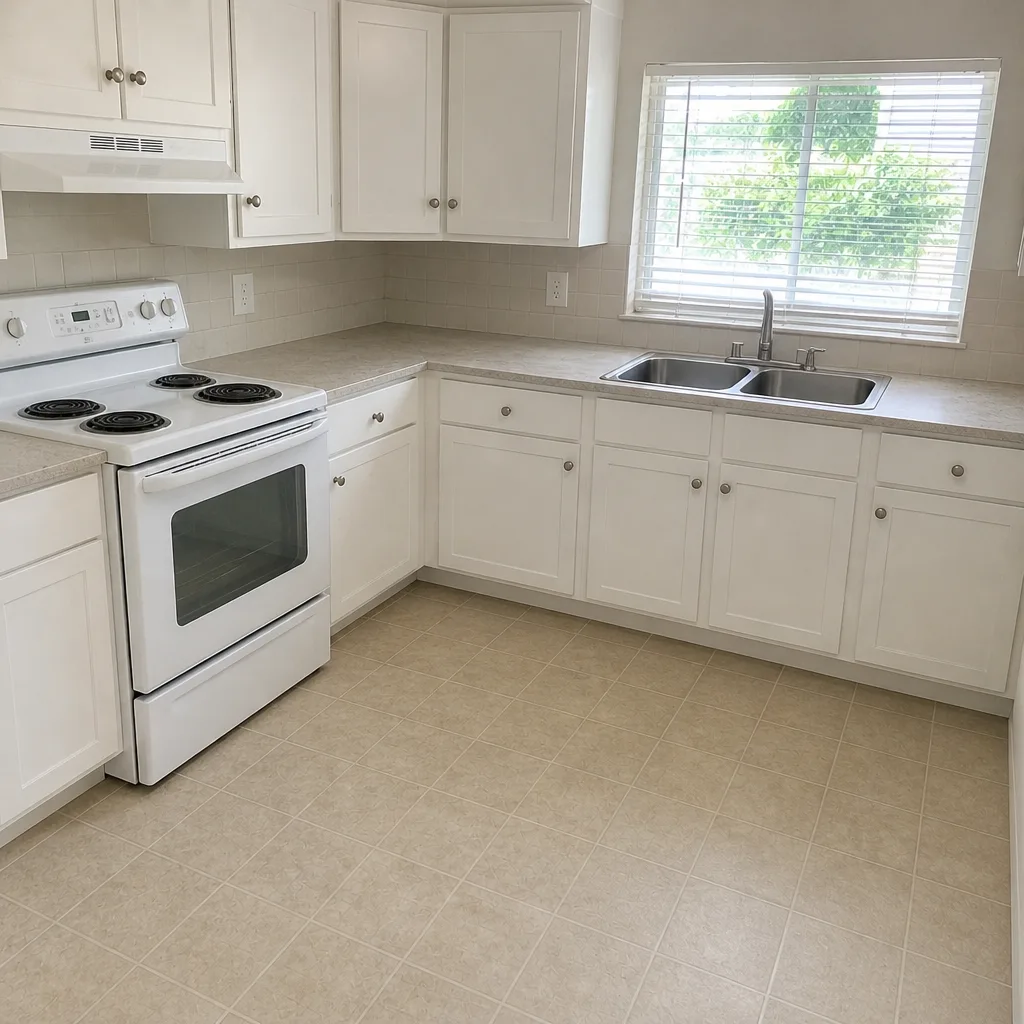 After
When to Call a Professional
Call today if any of these apply: a door in the addition stops latching on its own, a slab crack crosses the new-to-old tie-in joint, the new room stays 5 or more degrees warmer than the rest of the house, a subpanel breaker trips under normal load, you smell sewer gas in the addition, or you see water staining at the roof-to-wall joint after rain. Those are not cosmetic. Any of them can go from a manageable repair to a major corrective scope within a season.
Some things can wait for evaluation but not for a mowing season: persistent musty smell in the addition, a hairline crack that widens over weeks, a grout line whose crack pattern is changing. A permitted corrective repair costs less than a sliding foundation. Barrett & Sons Construction Miami Gardens offers free estimates in Miami Gardens and a free second opinion on any written estimate. Call (844) 797-8316.
Frequently Asked Questions
Structural corrective work on a South Florida addition typically ranges from $1,500 to $3,500 for a flashing or tie-in correction, and $6,000 to $18,000 if the slab tie-in requires re-doweling and partial removal. Full system resizing (HVAC and electrical) adds $4,000 to $9,000 to the scope, depending on the existing equipment. These are market ranges, not our quote on your specific job. Call (844) 797-8316 for an exact figure. Estimates are free.
Almost always, it’s an undersized return or a duct design that the original HVAC was never built to support. The system was sized for the original square footage and never resized for the addition, so the new room runs positive pressure and never cools. A manual J load calculation plus a manual D duct design is the correct fix. If you’re in Miami Gardens, this is the most common call we get on a garage conversion or in-law suite.
Location and behavior, not size. Cosmetic: nail pops, drywall seam cracks, small grout cracks that stay the same month over month. Structural: cracks at the slab-to-old-wall joint, cracks that widen over weeks, a door that stops latching, or any leak at the roof tie-in. If you’re unsure, call a licensed contractor for a free assessment. Waiting is the expensive option.
Yes, and more importantly the existing unpermitted work should be brought into compliance first. Doing a permitted repair on an unpermitted build creates a second unpermitted scope stacked on the first, and the resale disclosure and insurance claim implications compound. The correct order is a written assessment, permit for the existing construction, then the corrective repair as permitted work. Call (844) 797-8316 to schedule an assessment in Miami Gardens.
Most corrective repairs we see in Miami Gardens run 2 to 6 weeks end to end, including permit wait times, which are the long pole. The actual work is usually 5 to 15 working days; the rest is paperwork, inspection scheduling, and materials delivery. If the HVAC or electrical is being resized alongside the structural fix, add 1 to 2 weeks. Every price change in that window arrives as a written change order before work proceeds.
No, and the honest answer is: anyone offering to fix structural, electrical, plumbing, or HVAC work without a permit is offering a shortcut that will cost more later. Those four systems carry an inspector’s stamp for a reason. Cosmetic and finish items (nail pops, caulk, paint) don’t need a permit. Everything in this guide’s structural, HVAC, and electrical sections does.
The Bottom Line
The problems in this guide were mostly visible mid-construction to someone who knew where to look. The homeowner who asked six specific questions before drywall caught them; the homeowner who didn’t paid for them at year three. Know the three Florida failure points: stem wall tie-in, roof flashing, and slab moisture. Know the HVAC and electrical symptoms you can spot yourself. Know the cosmetic-versus-structural decision tree. And know that whether the fix is a repair or permitted corrective work depends on which system the failure touches. Barrett & Sons Construction Miami Gardens pulls every permit and signs every inspection on every eligible job, and every scope, allowance, and price change arrives in writing before the work proceeds.
If you’re in Miami Gardens with an addition that isn’t behaving, the free estimate is the right first move. Call (844) 797-8316 to schedule. A live person answers, day or night. Free second opinion on any written estimate, no trip charge inside the county, and the permanent 10% Senior & Veteran discount all apply. For related projects, our Barrett & Sons Construction Miami Gardens home page covers the full range, and our Driveway & Pavers in Miami Gardens and Fence Installation in Miami Gardens pages cover the exterior scope that most additions eventually touch.
Written by the team at Barrett & Sons Construction Miami Gardens.