
Last updated November 17, 2026
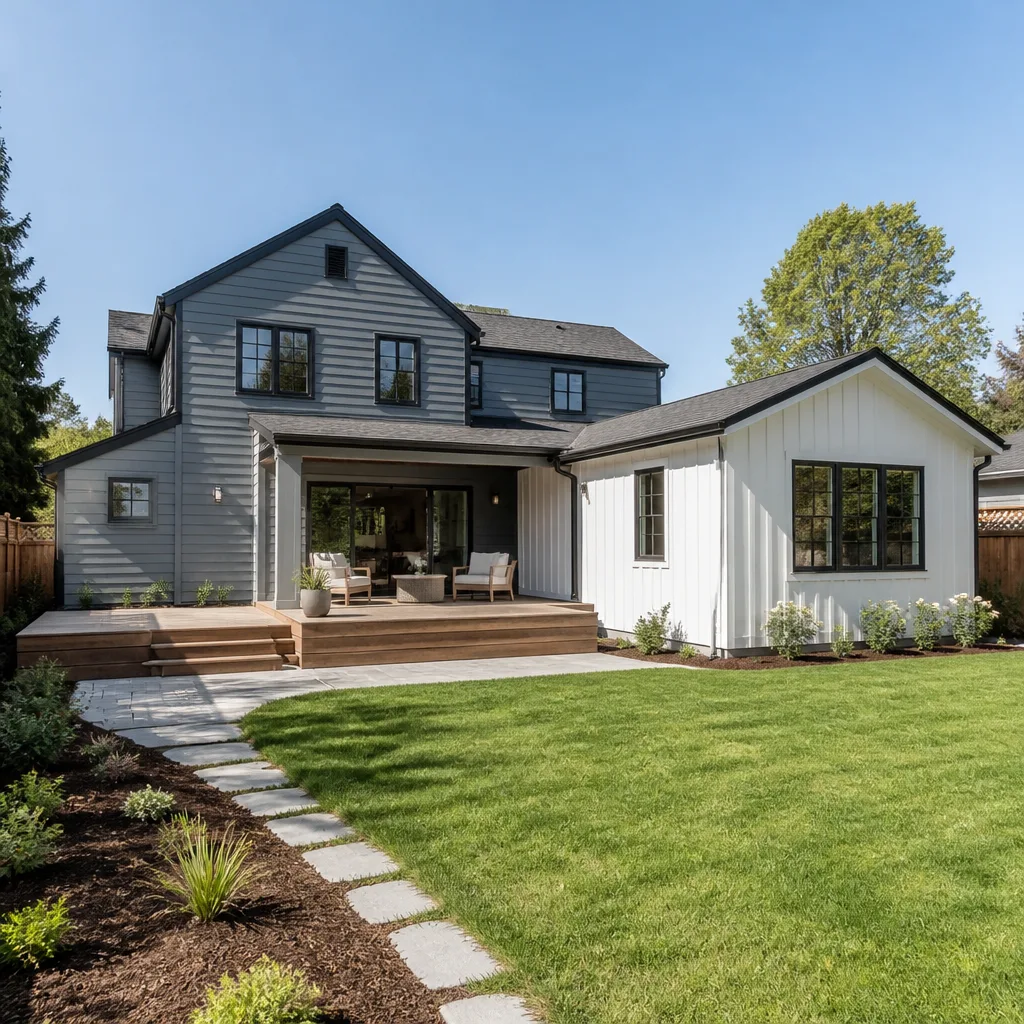 Home additions & ADU
 Kitchen remodeling
 Bathroom remodeling
 Roofing
 Windows & doors
 Driveway & pavers
 Fence
Free written scope consultation - allowances, timeline, and change-order rules on paper before a single trade is scheduled
Home Additions & ADU Warning Signs Every Homeowner Should Know
The number one warning sign in an addition bid isn’t the price. It’s a contractor who can tell you exactly what the project costs before he knows what the permit will require. If he quotes you a firm number on the first visit, before engineering, before a site survey, before anyone has looked at your soil or your setbacks, then one of those two numbers is going to change. It won’t be the permit. By the time most homeowners recognize a project is in trouble, the deposit is spent and the walls are framed. The signs that actually matter show up during the bid and the first two weeks on site. Here’s what to watch for in Miami Gardens.
Quick Answer
The biggest warning signs on a home addition or ADU are a firm price quoted before engineering and permit review, a contract with no line items for permits and impact fees, and any offer to “start without a permit and pull it later.” During construction, watch for foundation formwork that doesn’t match the approved drawings, framing that starts before the slab has cured to inspection standard, and vague answers about mechanical work. Catch these in the bid stage and you avoid the ones that cost five figures.
Styles & brands we work with
- Kitchen remodeling
- Bathroom remodeling
- Home additions & ADU
- Roofing
- Windows & doors
- Driveway & pavers
- Fence
Table of Contents
- Bid-Stage Red Flags: What to Check Before You Sign
- What a Real Pre-Construction Site Survey Looks Like
- Early-Construction Signals That Predict Trouble
- The Subcontractor Warning Sign Most Homeowners Miss
- The Documentation Checklist You Can Verify Yourself
- Miami Gardens Factors That Change Your Adding-On Math
- How Change Orders Should Work (and What Stops Surprises)
Bid-Stage Red Flags: What to Check Before You Sign
An addition is not a roof replacement. The scope depends on engineering, soil, setbacks, and what your existing structure can carry. That’s why an honest bid for an addition in Miami Gardens has contingencies written into it. A contractor who hands you a flat number on day one is either guessing or planning to make it up later with change orders.
Here are the bid-stage red flags that should make you slow down:
- A price quoted before engineering is done. An addition needs structural calculations. If the bid arrived before anyone ran them, the number is fiction.
- No line item for permits and impact fees. Miami-Dade permit fees and impact fees on new square footage are real costs. A bid that lumps them into “miscellaneous” is a bid hiding something.
- “We can start without a permit and pull it later.” No. A permit pulled after the fact on an addition is how homeowners end up tearing out finished work to pass inspection. The permit inspector works for you, not for the contractor, and that’s a good thing.
- A contract that doesn’t specify how change orders are handled. The contract should say, in writing, that every scope change and every allowance adjustment arrives as a signed change order before work moves forward.
- Allowances with no numbers. An allowance that isn’t on paper is a surprise waiting for a date. If the bid says “allowance for finishes” without a dollar figure, ask for the figure in writing.
Ask for the free second opinion on any written estimate you’ve already collected. Two bids side by side tell you more about the contractor than either one alone. A real second opinion costs you nothing and sometimes saves you five figures.
What a Real Pre-Construction Site Survey Looks Like
The contractor who is going to surprise you later skips the survey. He walks the yard, eyeballs the house, and writes a number. The contractor who isn’t going to surprise you does the same four things before a single form is set.
- Soil assessment. South Florida soil is not uniform. Miami Gardens lots near the old fill areas behave differently than lots closer to the Turnpike. A footing designed for one may not carry the other, and the engineer needs to know which you have.
- Utility location. Water, sewer, gas, and electric all run under your yard, and an addition footprint can land right on top of a line. Locating them before the survey saves the cost of relocating them after the foundation is poured.
- Verification of existing setbacks. Setbacks vary by lot, subdivision, and whether the home predates the current code. The surveyor confirms what you’re actually allowed to build, not what the neighbor told you he built.
- Condition of the existing structure. An addition attaches to your house. If the existing wall or roofline is failing, the attachment fails too. A survey confirms the carrying capacity before anybody commits to a design.
If your contractor can’t tell you which of these four he’s done, that’s your sign. Skip the rest of the bid and call someone who can.
Early-Construction Signals That Predict Trouble
By the time you spot a problem on a finished addition, it’s expensive. By the time you spot it in week two, it’s still fixable. Here’s what we’ve seen go sideways, and how early it shows:
- Foundation formwork that doesn’t match the permitted drawings. The formwork is the outline of your future foundation. It should match the plans that were approved, to the foot. If you can walk out and see a footprint that doesn’t line up, stop the work and ask for the drawings.
- Framing that goes up before the slab has cured to inspection standard. Concrete cures on a schedule. Framing on a slab that hasn’t cured to the test standard weakens everything above it, and the inspector will notice eventually.
- “We’ll figure the mechanical out when we get there.” Mechanical means HVAC, plumbing, and electrical. On an addition or an ADU, those systems need to be designed into the plans before the slab is poured. If your contractor is deferring them to later, the “later” will cost you.
- No permit posted on site. A pulled permit should be visible on the job. If it’s not, ask for the permit number and look it up.
- Nobody can tell you who’s coming tomorrow. Your general contractor should know the schedule. If he can’t tell you which trade is on site next, the schedule is already slipping.
The first two weeks tell you most of what you need to know. If any of these appear, get everything in writing and then decide.
The Subcontractor Warning Sign Most Homeowners Miss
An addition requires coordination between multiple licensed trades: foundation, framing, roofing, electrical, plumbing, HVAC, drywall, and finishes. Each of those trades has to show up in sequence, and each has to be inspected before the next one covers it up. That coordination is the entire job of the general contractor.
A GC who doesn’t have established relationships with licensed subcontractors will have scheduling gaps. Those gaps add up. A two-week delay on the electrical rough-in becomes a six-week delay by the time the drywall crew books back around. We’ve watched projects in Miami Gardens stretch by months for no other reason than the GC calling a different electrician every time.
What to check:
- Ask for the names of the subs and their license numbers. A confident GC will give them to you.
- Ask whether the same crews have worked with him before. If they haven’t, the sequencing is a gamble.
- Ask how inspections are currently scheduled. If he can’t walk you through the inspection sequence in order, he hasn’t run many of these.
- Ask who handles the punch list at the end. The answer should be a person who shows up, not a phone number you call and leave a message on.
The brands going into your addition matter too. You should know the name on the cabinet, the name on the countertop, the name on the door hardware before the order is placed. Silestone and Kohler are on every one of those fronts. Ask which brand is being quoted, and get it in writing.
The Documentation Checklist You Can Verify Yourself
You don’t have to take anyone’s word for any of this. The state keeps the records. Here’s the checklist to run before a single nail moves:
- Active contractor license on DBPR. The Florida Department of Business and Professional Regulation maintains the license database. Look up the license number yourself. If the number on the business card doesn’t match the number on the state record, you have your answer.
- Pulled permit posted on site. The permit number should be visible on the job and look up-able through your county or city permitting portal.
- Proof of workers’ comp insurance. A contractor with employees is required to carry workers’ comp in Florida. Ask for the certificate. Look up the carrier.
- Proof of general liability insurance with you as additional insured. The certificate should name you. If your name isn’t on it, the policy doesn’t cover your project.
A contractor who can’t produce these four items in one sitting isn’t ready to build your addition. The good ones will hand them over before you ask. The name on the truck should match the name on the license. The address on the card should be a real address. Ask anyone on your street, or look up the license number yourself. It takes two minutes.
Miami Gardens Factors That Change Your Adding-On Math
Miami Gardens sits in a specific climate and a specific building environment, and both affect how an addition gets built and what it costs to build it right.
Wind load matters. Miami-Dade and Broward have the strictest wind-load requirements in the country. Every addition and ADU is evaluated against the current code, and the products (hurricane straps, impact windows, shingle ratings) aren’t negotiable. GAF and CertainTeed both make product lines rated for this environment. Ask which one is specified on your plans.
Rainy season compresses the schedule. From roughly May through October, afternoon thunderstorms can wash out a foundation pour or stop a framing crew by 2 in the afternoon. A realistic schedule in Miami Gardens builds in weather days. A schedule that doesn’t is going to slip.
ADU rules are local. Florida’s recent ADU legislation has changed what’s allowed on some residential lots, and the details depend on your jurisdiction. That’s exactly why a real survey and a real permit matter here. The permit determines what you can build, and no bid should be final until the permit is issued.
Lot drainage. South Florida flat lots drain slowly. An addition that changes the grade can push water toward the neighbor’s foundation or your own. A proper survey accounts for it.
Impact fees. New square footage on a Miami Gardens property can trigger impact fees that weren’t in the original budget. They should be a line item on the bid, not a surprise invoice at the end.
Our crew members have up to 28 years of experience building in this climate, and they’ve seen all of these play out. The ones who plan for the climate in the bid are the ones who finish on schedule. If you want a closer look at how we approach it, see our Home Additions & ADU in Miami Gardens page.
How Change Orders Should Work (and What Stops Surprises)
A change order is the document that describes a scope change, an allowance adjustment, or a price change, signed by both parties before the work moves forward. It is not a phone call. It is not a text. It is not something you “sort out at the end.”
Here’s the tested way to keep change orders from becoming surprise invoices:
- Every allowance has a number. If the bid includes “allowance for tile,” there should be a dollar figure next to it. Ask for the figure at bid time.
- Every scope change has a change order. When you decide to add the second window or upgrade the countertop, a written change order hits your inbox before the work proceeds.
- Every price change is signed before the work happens. If you haven’t signed, the price hasn’t changed. Period.
- Final invoices match the change orders you signed. The end-of-project invoice should reconcile exactly to the original contract plus the signed change orders. Nothing else.
The owner-operated approach to this is simple: every scope, every allowance, every price change arrives as a written change order before work happens. That’s not a feature you have to ask for. It’s the baseline.
Common Mistakes to Avoid
- Signing before the survey is done. No matter how nice the contractor seems, don’t sign an addition contract before a site survey confirms the setbacks, the soil, and the existing structure. Miami Gardens lots vary more than people expect.
- Hiring without pulling the license number. The number on the truck and the number on the DBPR record should match. Look it up before you sign.
- Accepting “we’ll pull the permit later.” The permit determines what you’re allowed to build. Starting without one puts every dollar at risk.
- Assuming a fixed price means no surprises. A fixed price without engineering behind it is a number someone will find a way to change.
- Skipping the additional-insured line on the insurance certificate. If you aren’t named, you aren’t covered.
- Letting the schedule go unwritten. Ask for a schedule in writing, with weather days built in. If the contractor won’t put it on paper, the schedule is a rumor.
- Ignoring the impact fees on new square footage. Ask about them at bid time, not at final walkthrough.
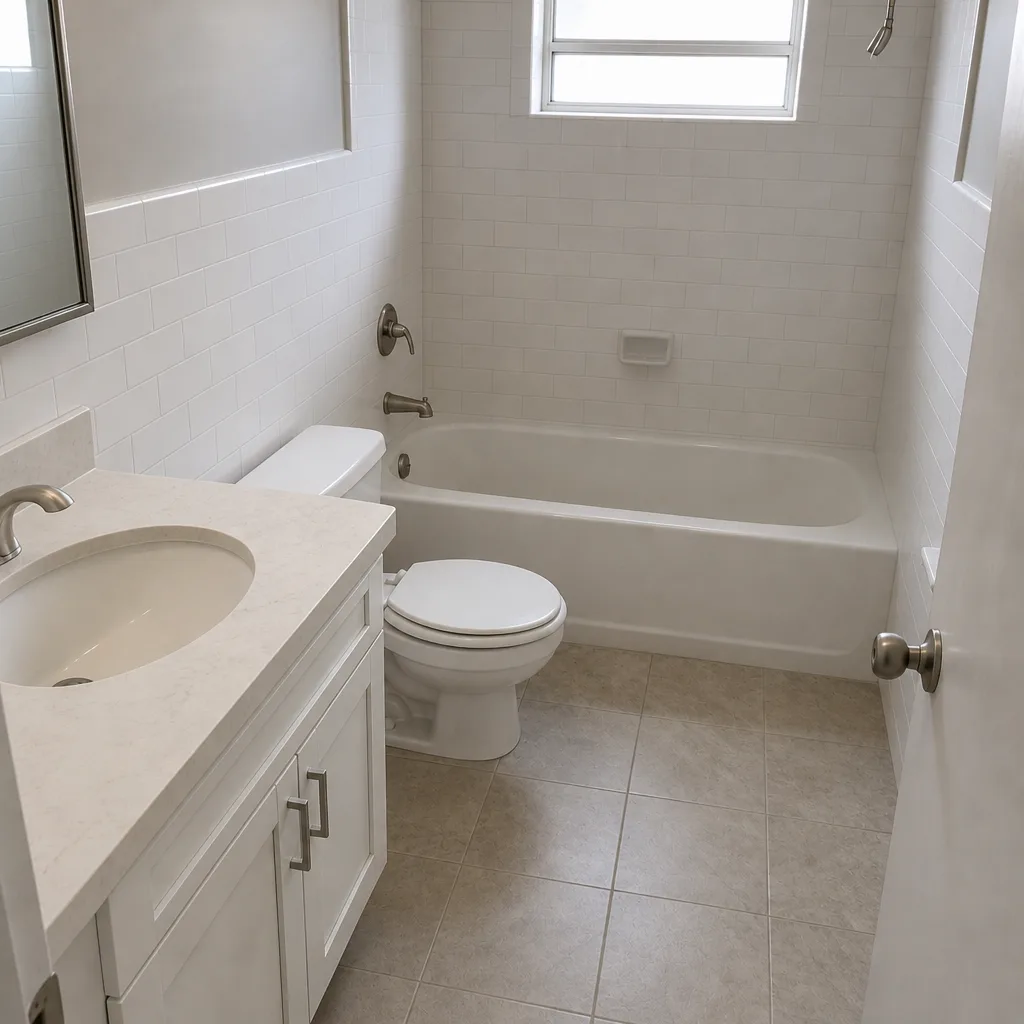
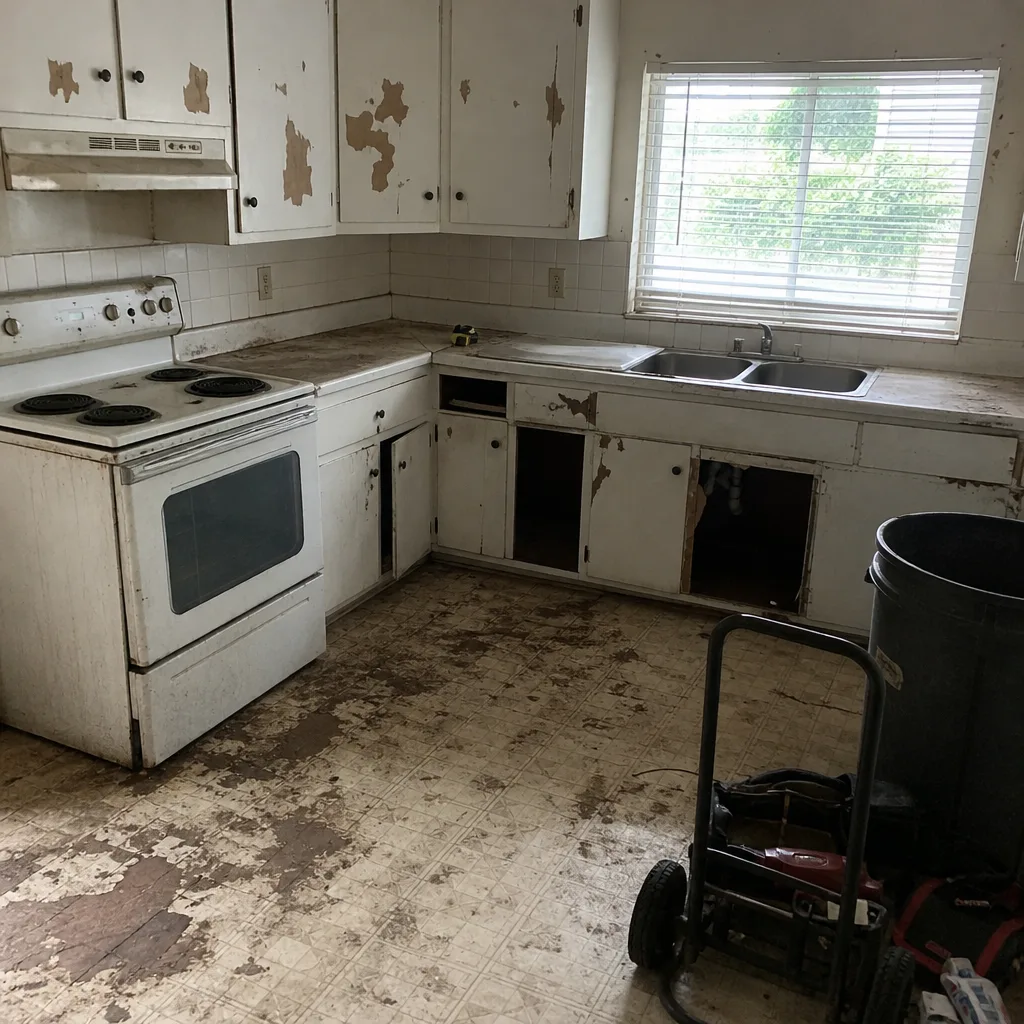
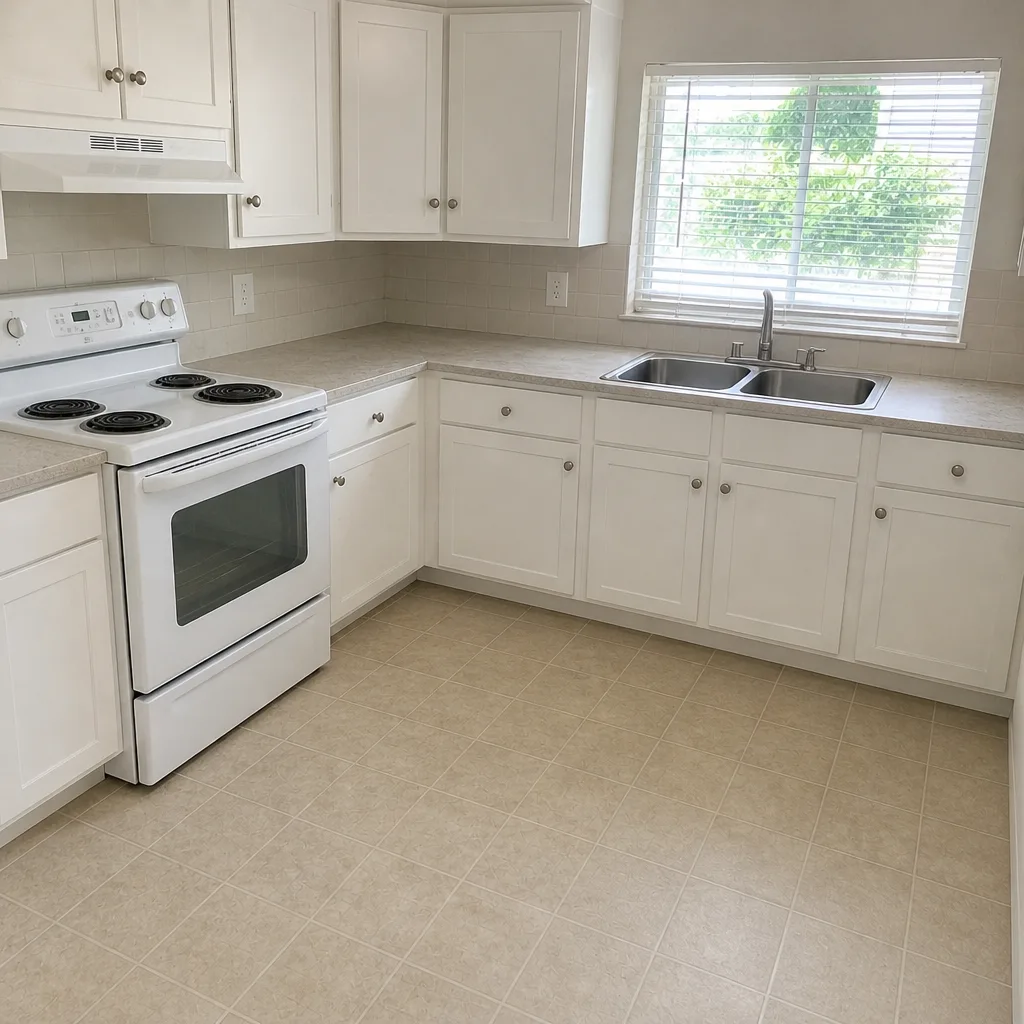
See the difference
 Before
 After
 Before
 After
 Before
 After
When to Call a Professional
Call a professional the moment any of these is true: your current contractor can’t produce a change-order process in writing, the permit isn’t posted on site, the formwork doesn’t match the drawings, the framing is up before the slab has cured to inspection standard, or the mechanical scope is still “we’ll figure it out.” An addition or an ADU is too big a commitment to finish on a hope. Get a free second opinion on any written estimate you’ve collected and compare the two side by side. Barrett & Sons Construction Miami Gardens offers free estimates in Miami Gardens – call (844) 797-8316. See how we handle the work on our Barrett & Sons Construction Miami Gardens home page.
Frequently Asked Questions
A functional addition in Miami Gardens typically runs $200 to $350 per square foot in current market pricing, depending on the finish level and how much of the work involves impact-rated materials. Permit fees and impact fees are additional and should be line items on the bid, not surprises. Call (844) 797-8316 for an exact free estimate on your specific scope.
Yes. An ADU requires permits and inspections the same as any addition, and the specific rules on lot coverage, setbacks, and utilities depend on your jurisdiction and current code. Starting without a permit is the fastest way to tear out finished work to pass inspection later. Ask for the permit number and look it up. Call (844) 797-8316 with questions before you commit.
A firm price quoted before engineering and permit review. An honest bid for an addition reflects engineering, survey, and permit costs, because those determine what you can actually build. If the number comes before the engineering, one of those numbers is going to change. Call (844) 797-8316 for a free second opinion on any written estimate.
A mid-sized addition in Miami Gardens typically takes 4 to 6 months from permit issue to final inspection, and a detached or attached ADU can take 6 to 9 months. The biggest variables are permit turnaround and rainy-season weather days, both of which should be built into the written schedule. Call (844) 797-8316 and we’ll scope your timeline for free.
Look up the license number on the Florida DBPR (Department of Business and Professional Regulation) website. The number on the business card should match the number on the state record, and the license should be active. If it doesn’t match, don’t sign anything. Call (844) 797-8316 to get our license number, address, and insurance certificates before you decide.
No. On an addition or ADU, the permit determines what you’re allowed to build, and starting before it’s approved puts the entire project at risk. The permit inspector works for you, not for the contractor, which is exactly why a reputable contractor wants the inspection passed. Call (844) 797-8316 for a straight answer on your project.
The Bottom Line
The warning signs that actually protect you live in the bid and the first two weeks on site. A firm price before engineering is finished, no line item for permits and impact fees, a permit you can’t verify on site, formwork that doesn’t match the drawings, framing that beats the cure, and a general contractor who doesn’t know who’s coming tomorrow. Catch those early and the rest is ordinary construction. Miss them, and you’re committed to a project that spends months trying to catch up. Miami Gardens homeowners deserve a straight answer on all six. If you want that answer, we’re easy to reach. Looking for related work? See Driveway & Pavers in Miami Gardens and Fence Installation in Miami Gardens.
If you’ve collected a bid you aren’t sure about, or you want to price a new addition or ADU before any commitment is made, call (844) 797-8316 for a free estimate. Every scope, every allowance, and every price change arrives in writing before work happens. The live phone line is answered by a person, day or night. Our technicians have up to 28 years of experience building in this climate, every eligible job gets its permits pulled and inspections signed, and every completed job is backed by the written 90-Day Done Right Promise. Homeowners who want to look it up themselves can check the license number, the address, and the insurance certificates before signing anything. If something’s wrong, we want to know about it, and that’s the whole point.
Written by the team at Barrett & Sons Construction Miami Gardens.