
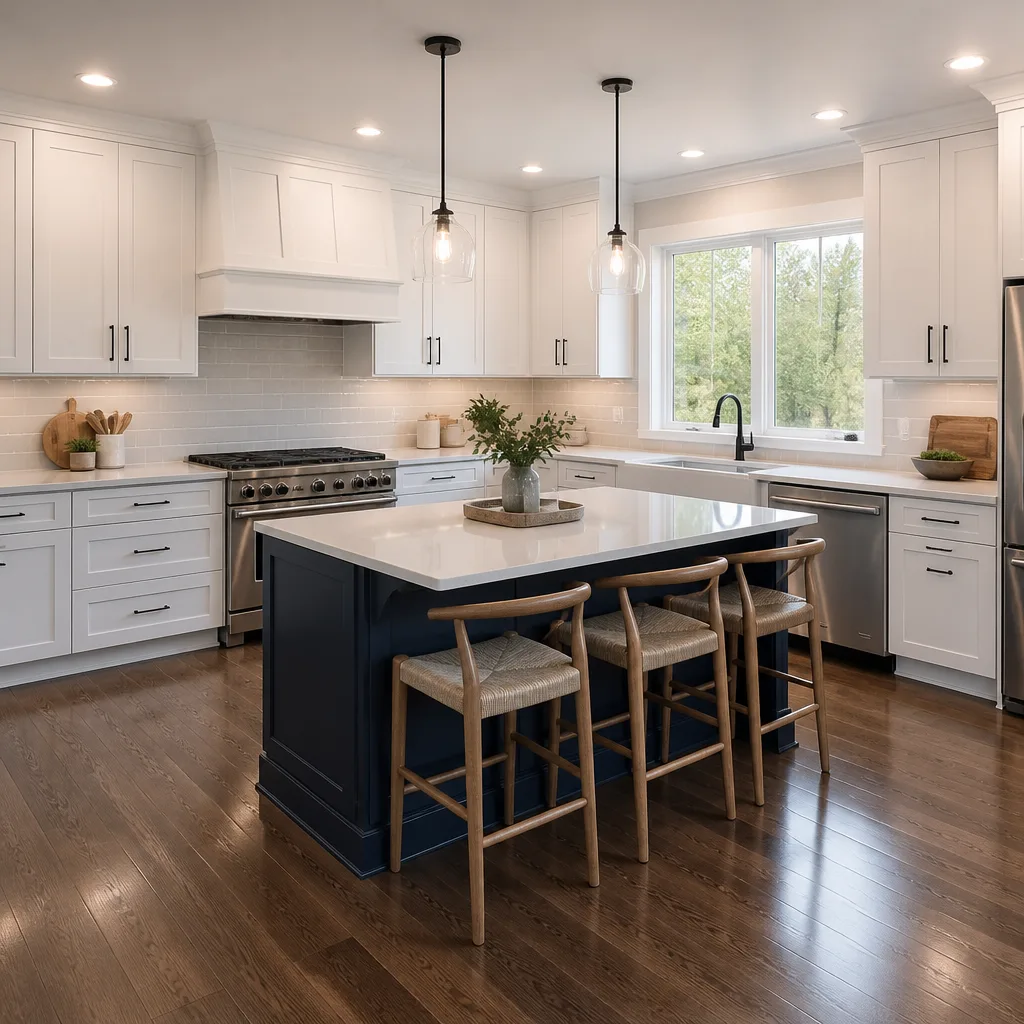
 Kitchen remodeling
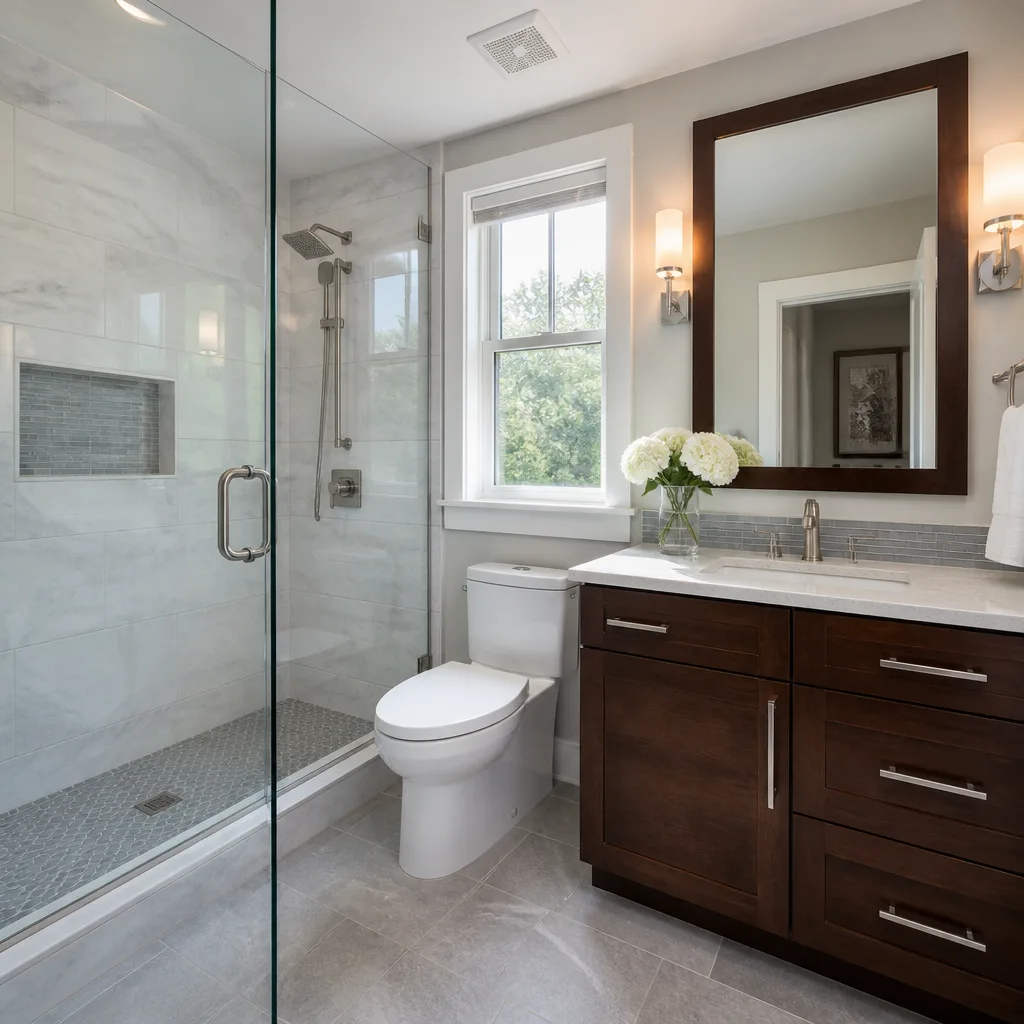 Bathroom remodeling
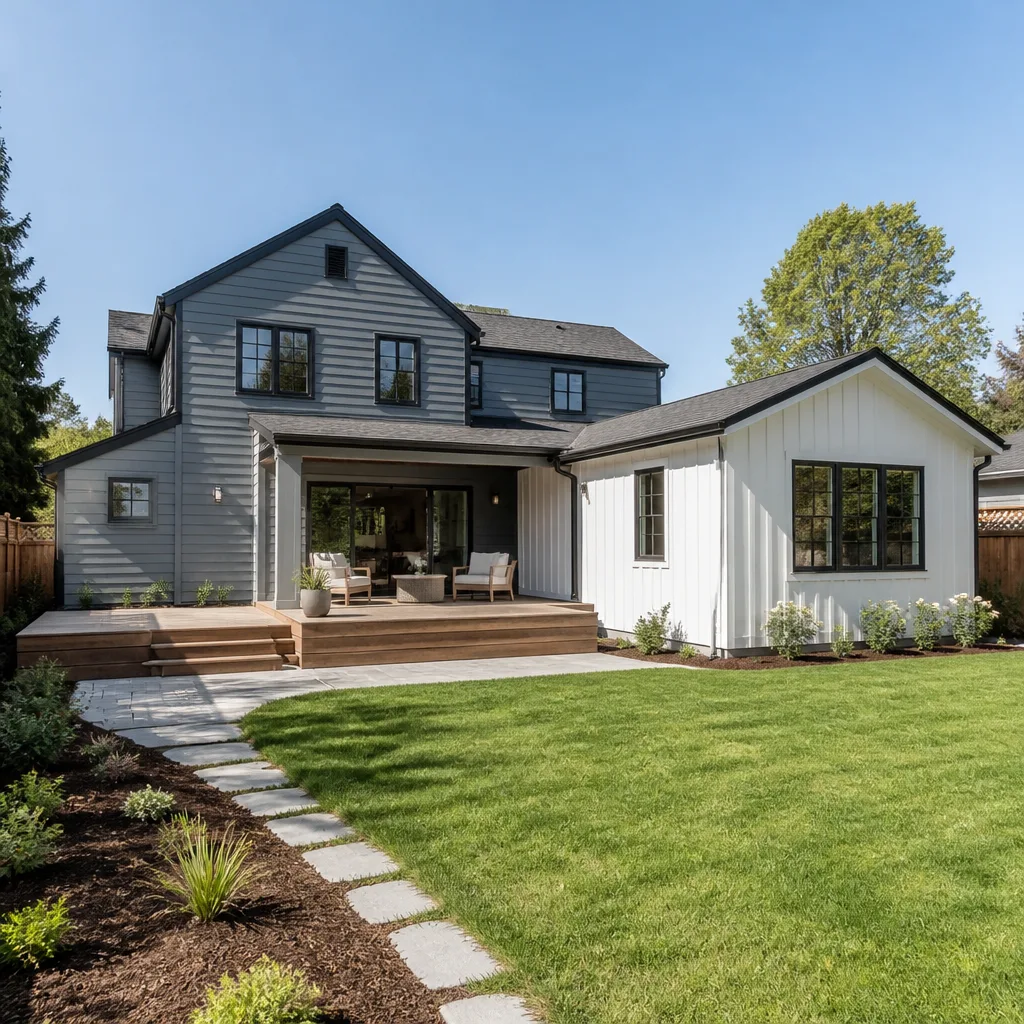 Home additions & ADU
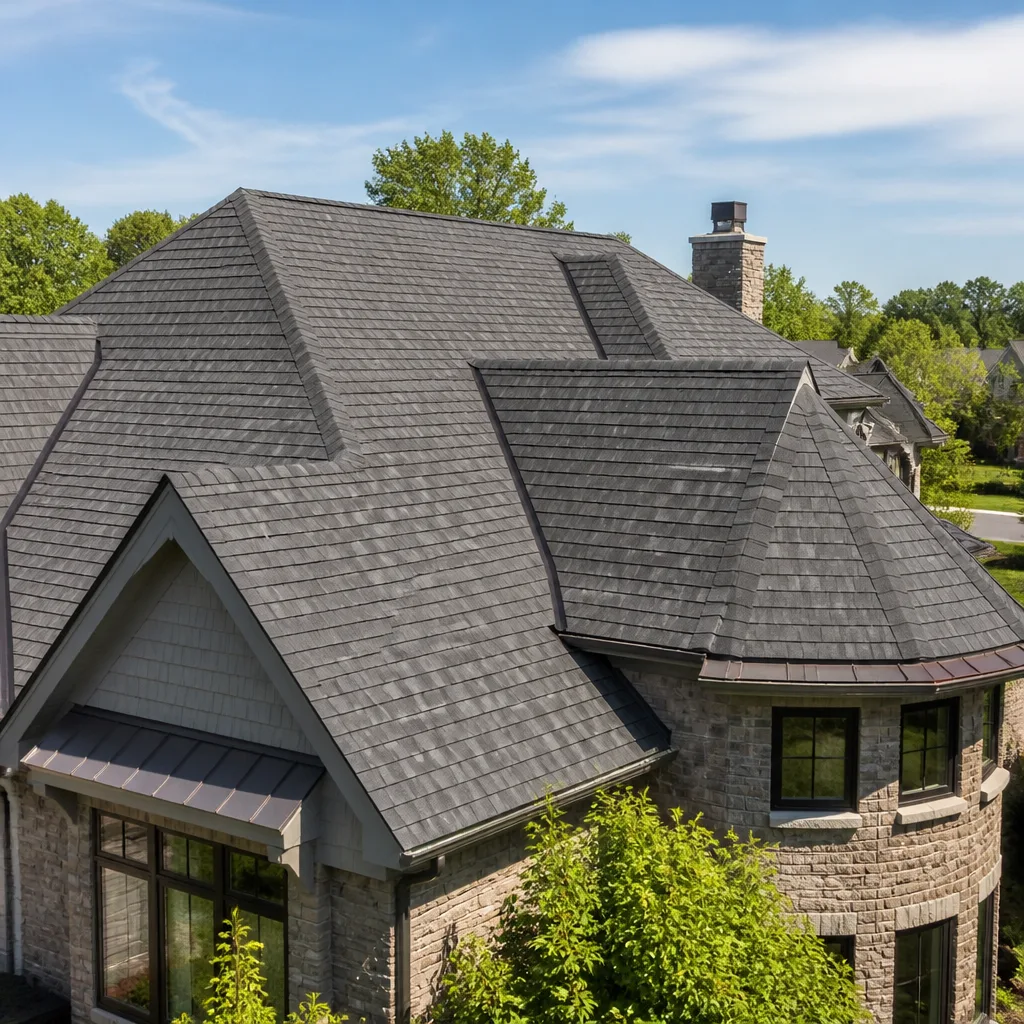 Roofing
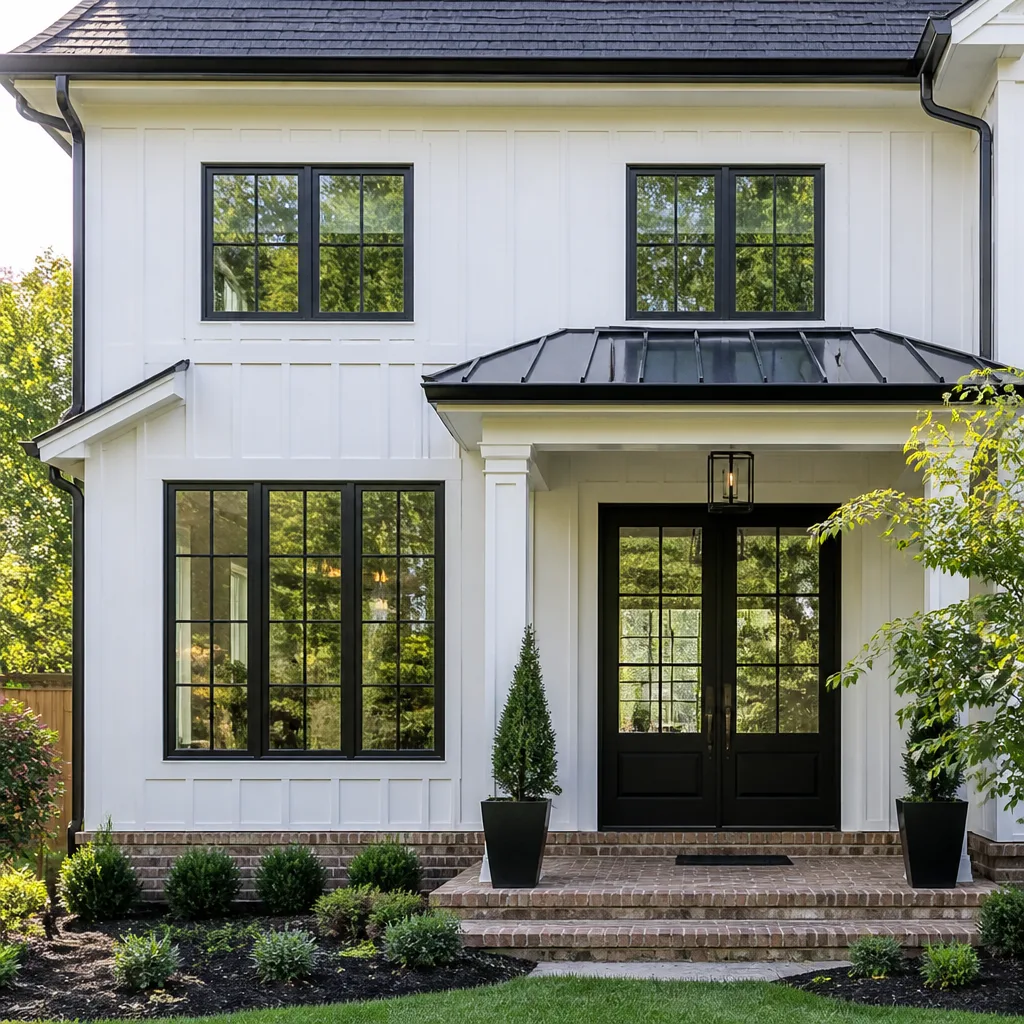 Windows & doors
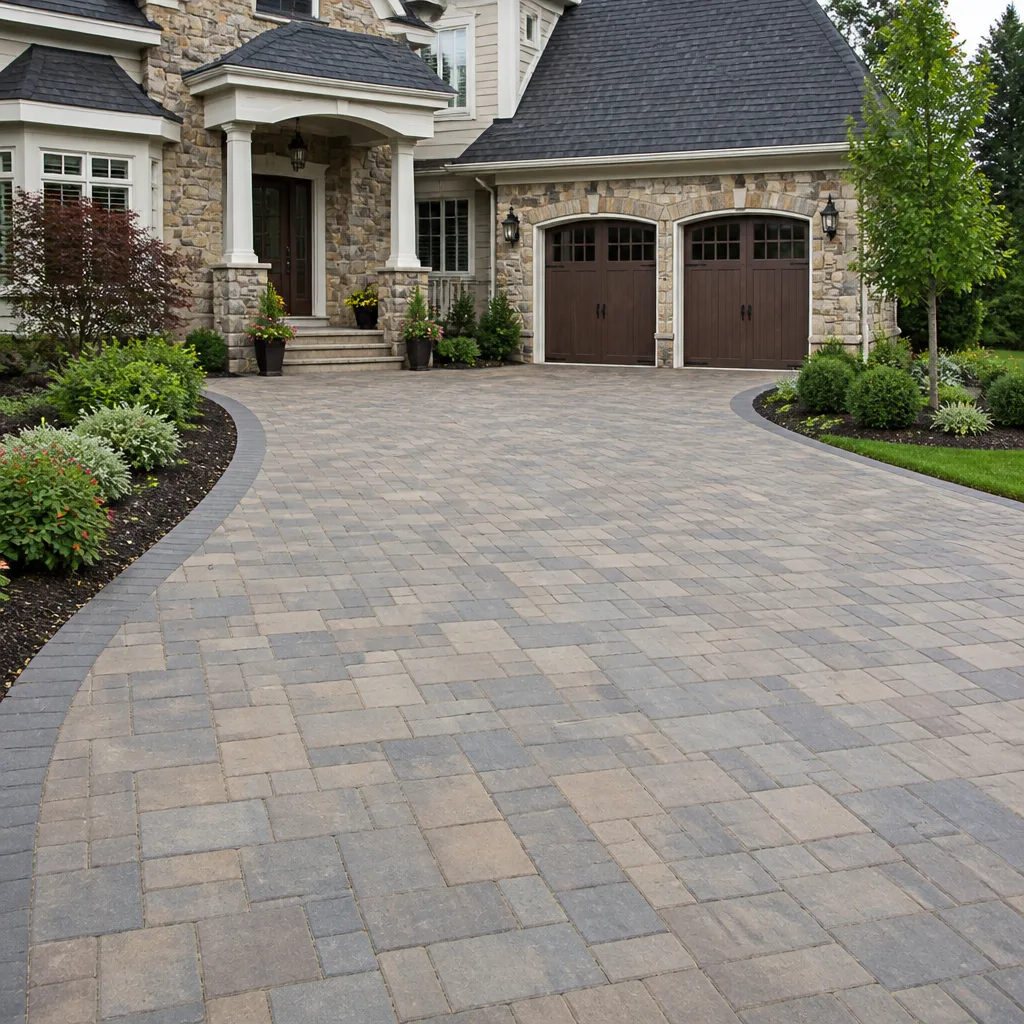 Driveway & pavers
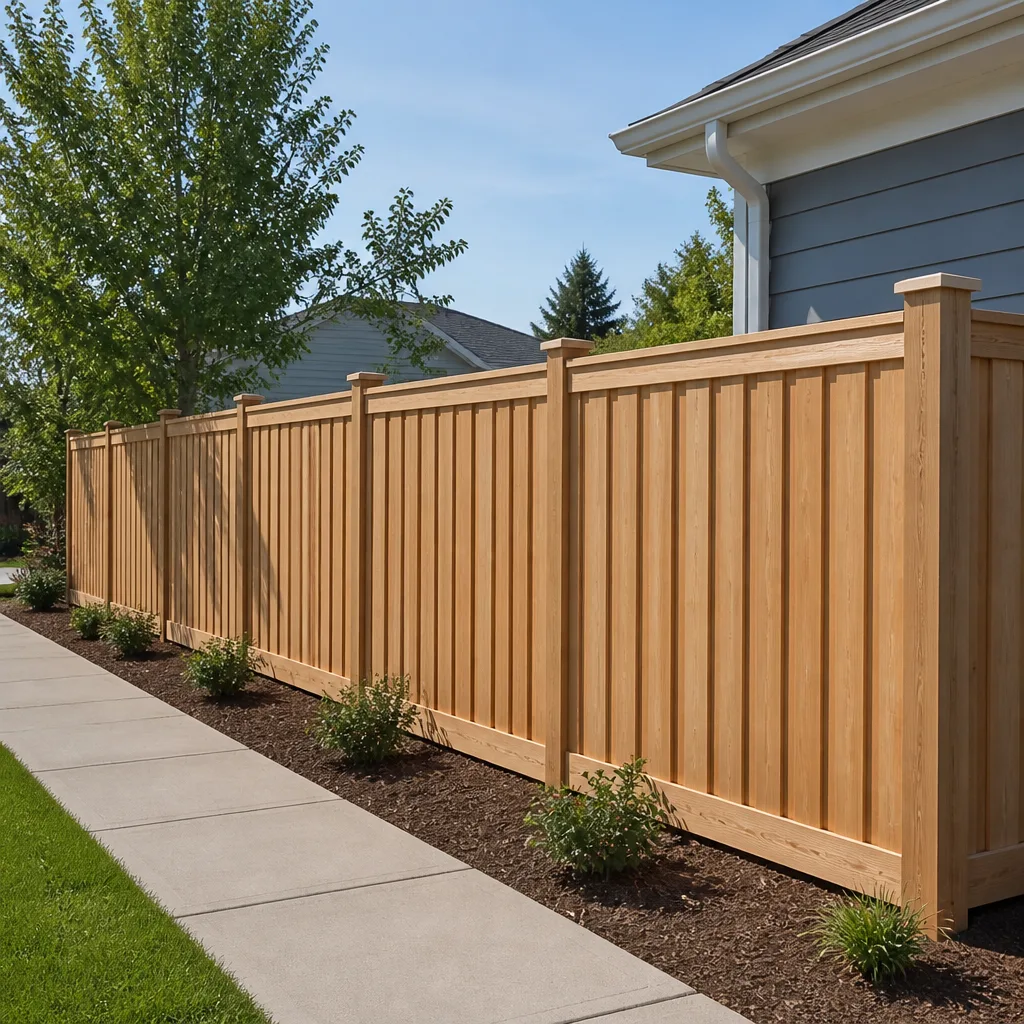 Fence
Free written scope consultation - allowances, timeline, and change-order rules on paper before a single trade is scheduled
Styles & brands we work with
- Kitchen remodeling
- Bathroom remodeling
- Home additions & ADU
- Roofing
- Windows & doors
- Driveway & pavers
- Fence
See the difference
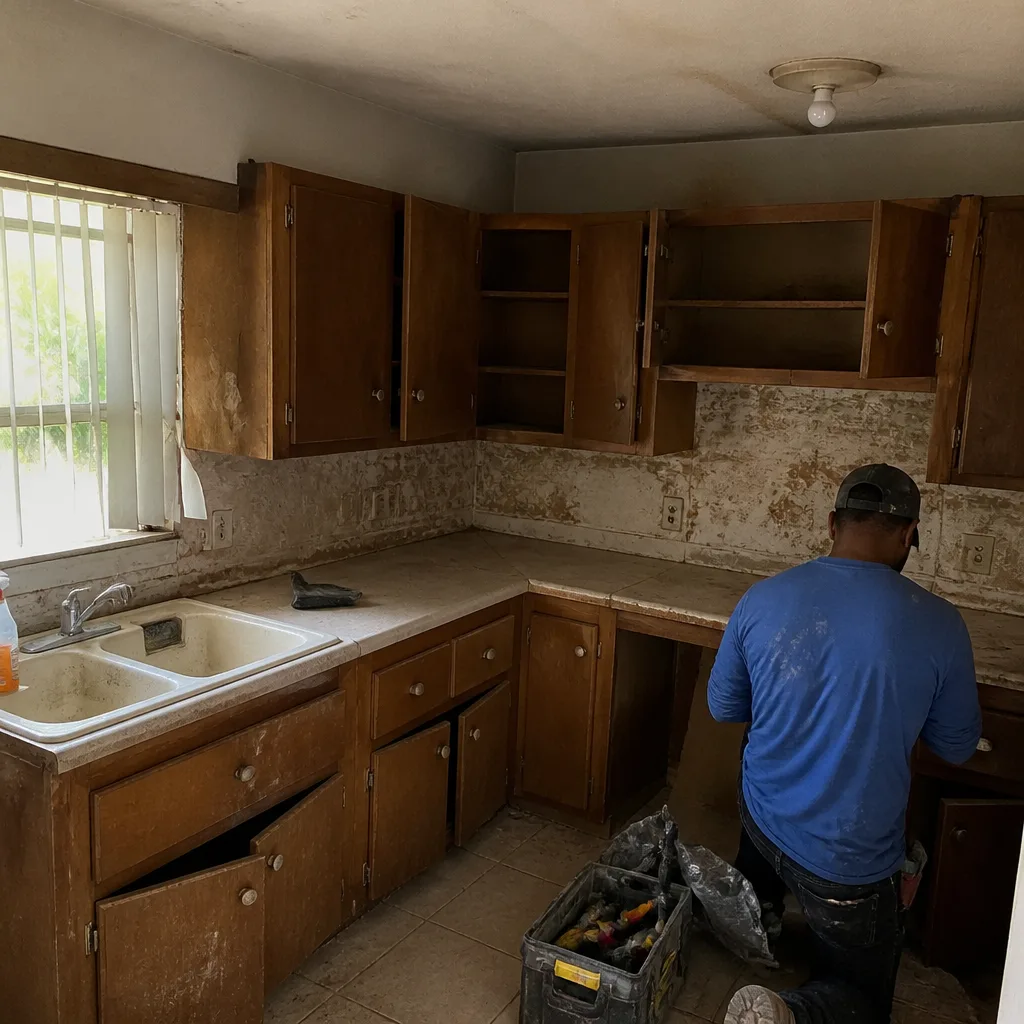 Before
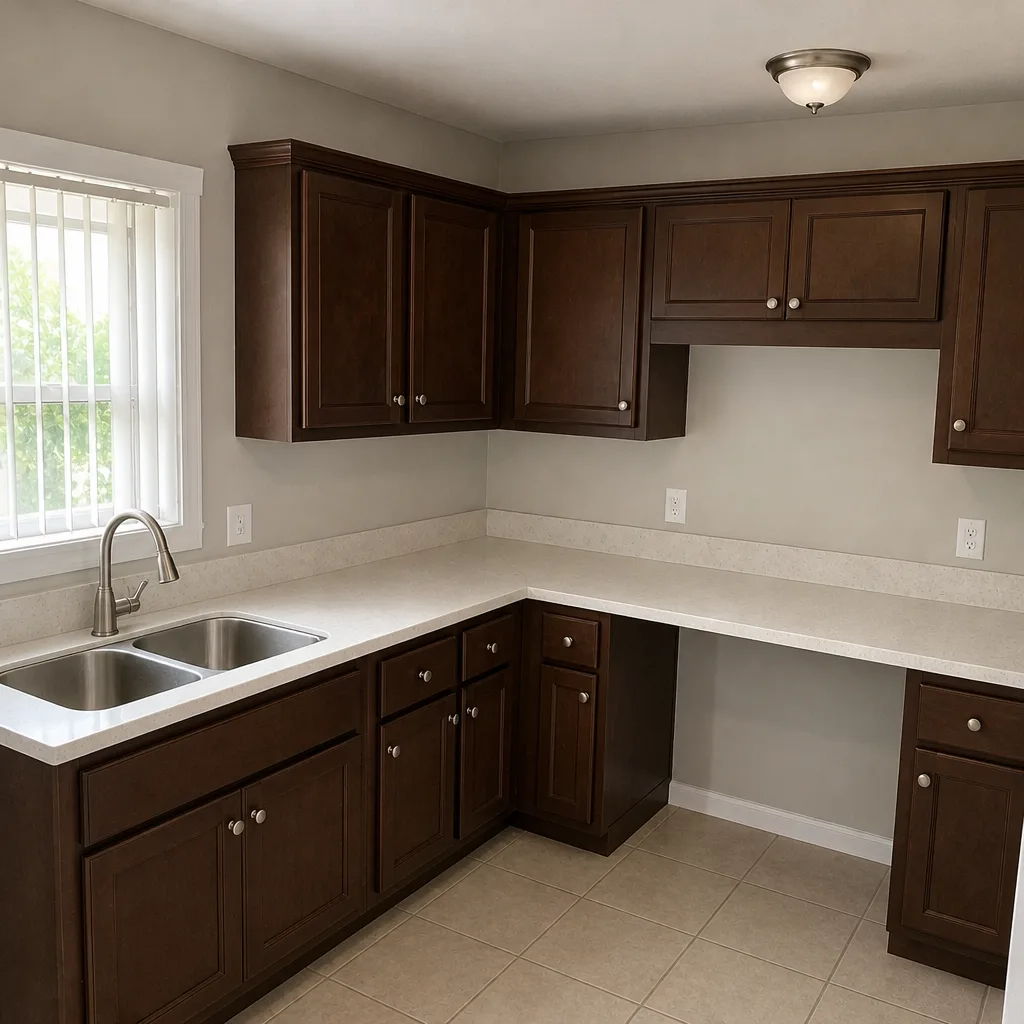 After
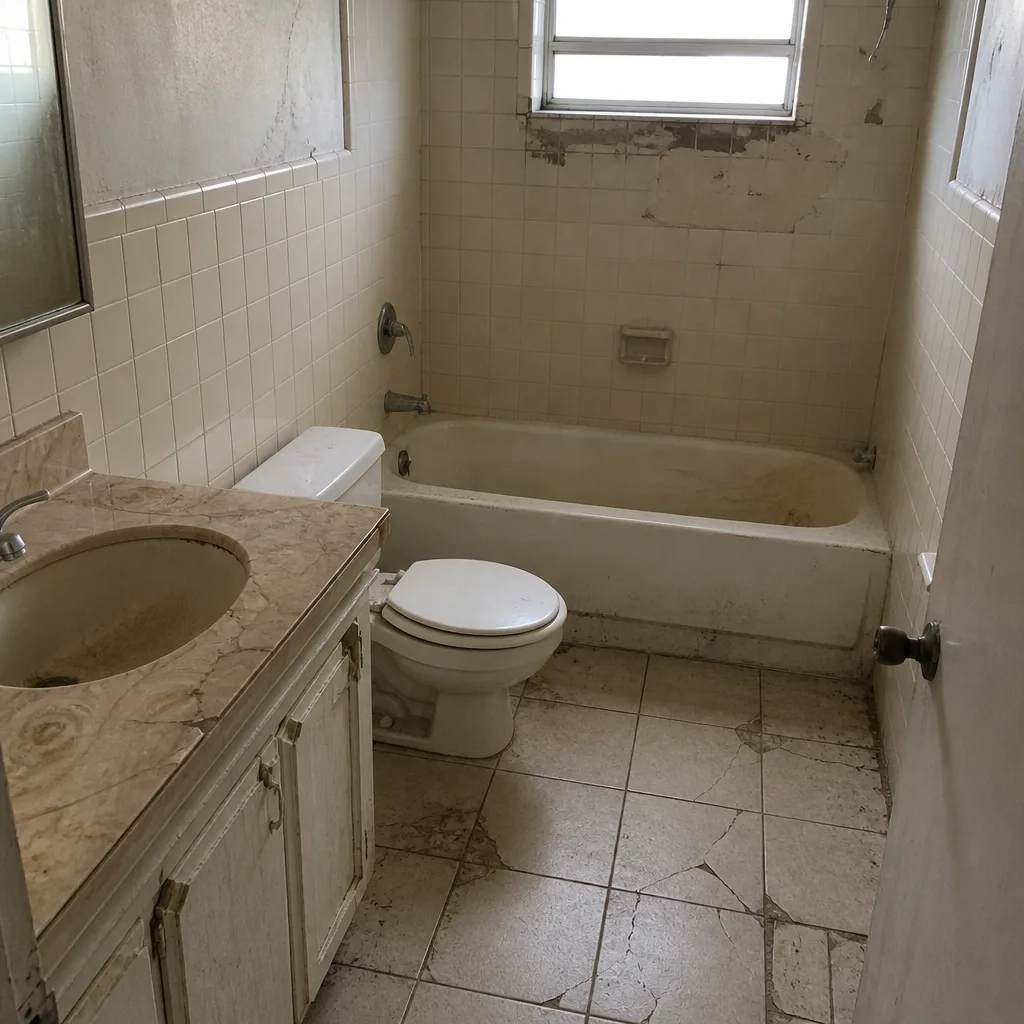 Before
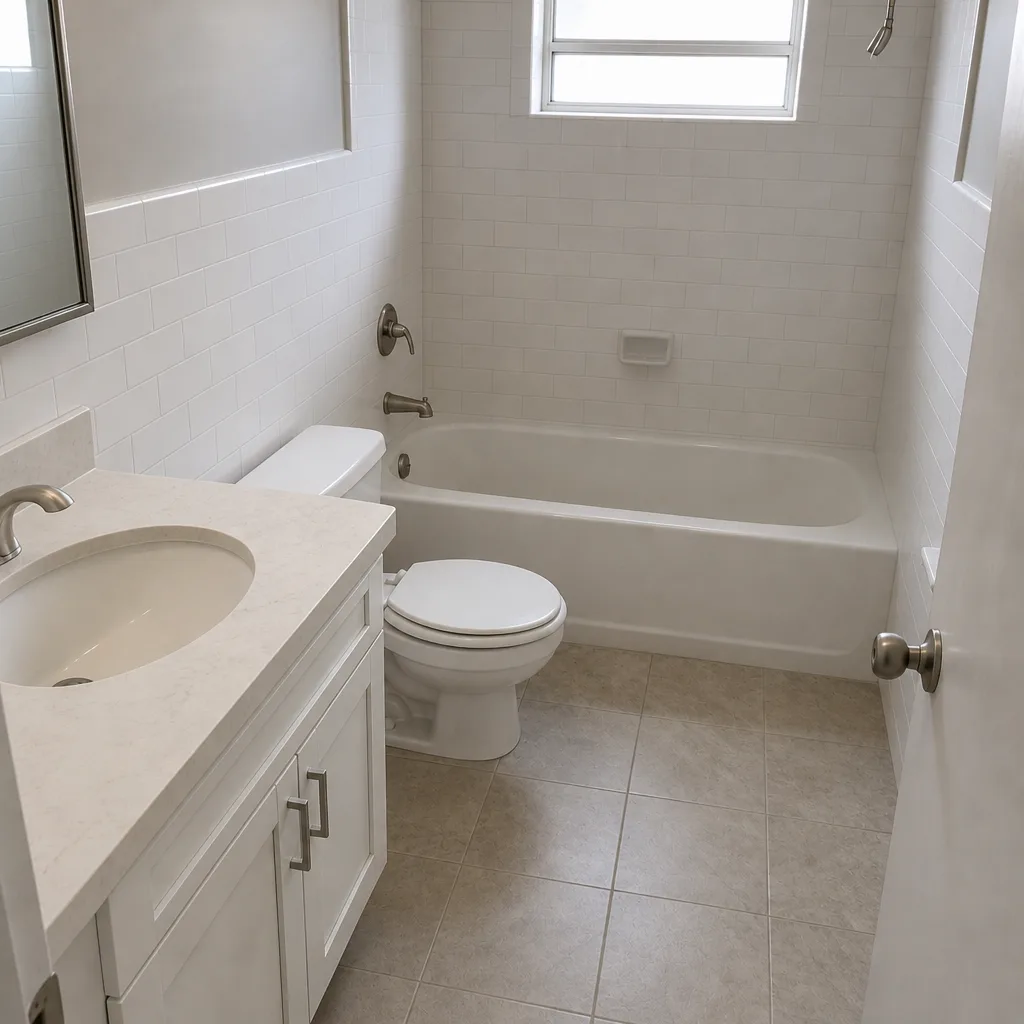 After
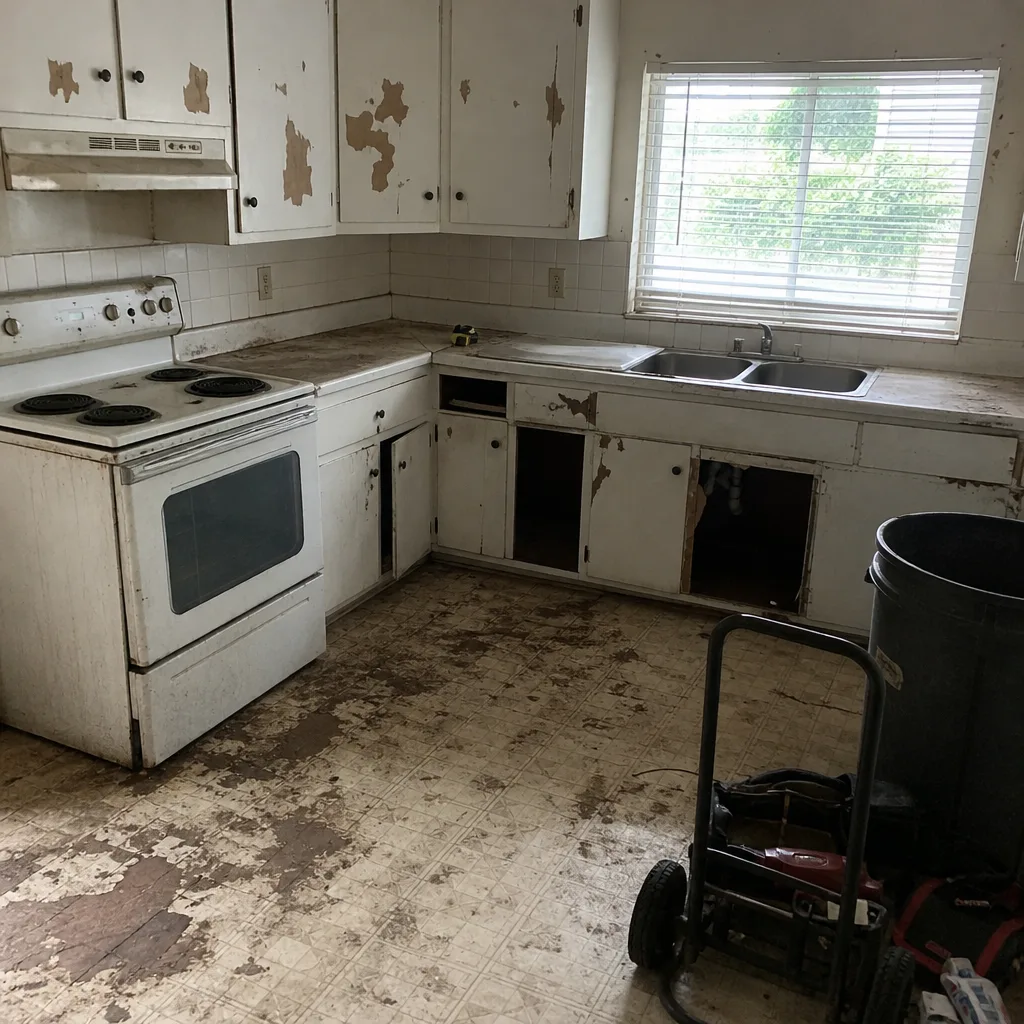 Before
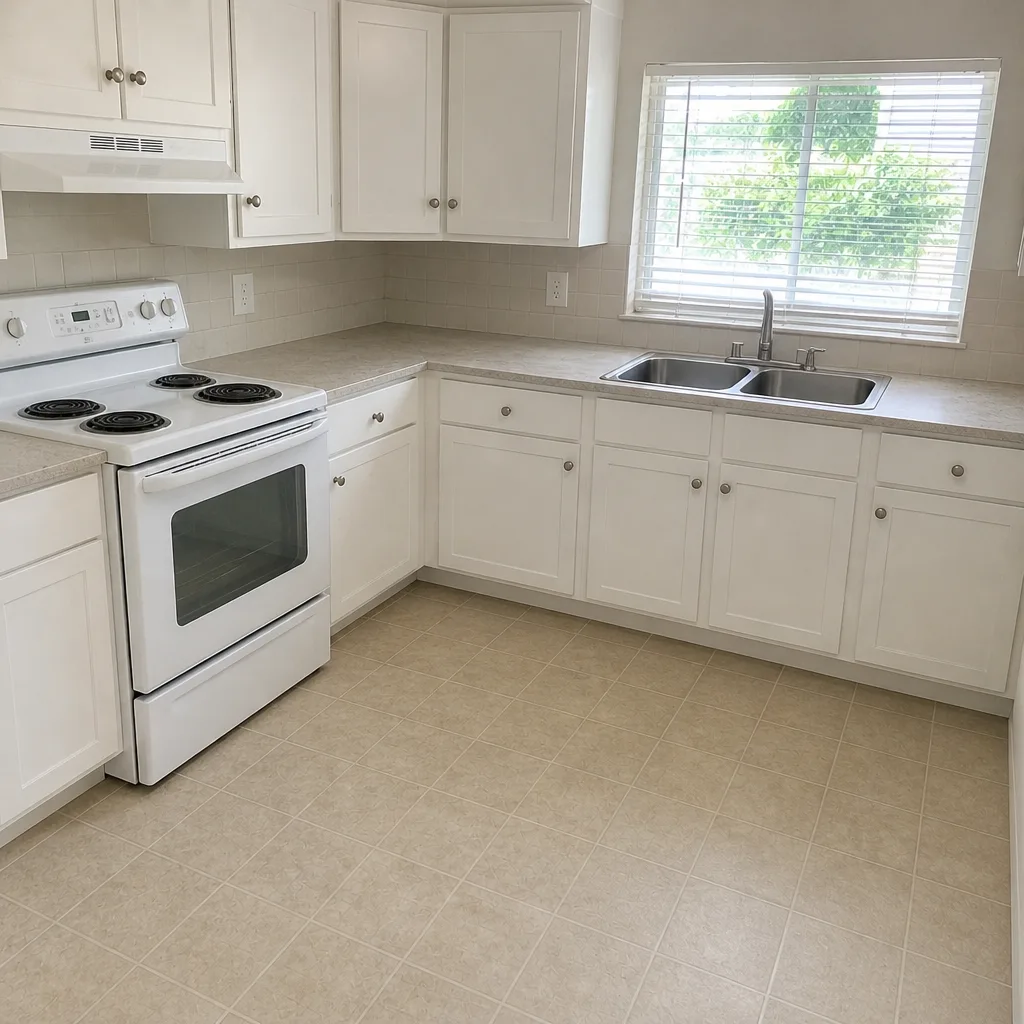 After
ADU Rules and Requirements in Miami Gardens, FL: What Florida Law Allows and What the City Still Controls
Florida’s 2023 ADU law (HB 1339) stops Miami Gardens from banning accessory dwelling units outright, but the city keeps full authority over setbacks, lot coverage, and hurricane wind-load construction. On the typical 50-foot-wide CBS lot in Carol City or Norland, those setback rules are what actually decide whether your detached unit ends up 450 sq ft or 600 sq ft. That is the piece most ADU guides skip. Call (844) 797-8316 and we’ll walk your lot through it before you buy a single plan.
Key Takeaways
- Miami Gardens can’t prohibit ADUs, but it still enforces setback, lot coverage, and building code requirements on every permit.
- Most post-1960s CBS lots here run 7,000 to 8,000 sq ft, which often caps a detached ADU at roughly 400 to 600 sq ft after side-yard setbacks.
- Every new ADU in the high-velocity hurricane zone needs current wind-load connections and impact glazing, and those add real cost.
- Adding an ADU to an existing CBS home may trigger a wind-mitigation inspection before the city approves the permit.
Why Miami Gardens ADU Rules Read Differently From California Guides
Search “ADU rules” and you’ll drown in Los Angeles and Portland content. Florida works differently. HB 1339, which took effect in July 2023, limits how much a municipality can restrict accessory dwelling units on single-family lots. Miami Gardens can no longer say “no ADUs here.” What the city can do, and does, is control how the structure gets built. Setbacks, lot coverage, height, and the Florida Building Code all stay in the city’s hands, and the city has its own building department that reviews plans against its own standards, not just Miami-Dade County’s.
That split matters. You might be legally entitled to an ADU and still watch the plan examiner return your submittal because the side-yard math doesn’t work. Barrett & Sons Construction Miami Gardens handles the Home Additions & ADU side of this every week, and we’ll tell you up front whether your lot supports a detached unit or whether you’re looking at an attached or garage conversion instead.
How Much Detached ADU Can You Actually Fit on a Miami Gardens Lot?
Start with the plat, not the floor plan. Most single-family lots in Miami Gardens were platted between 1960 and 1990, and the common lot is 50 feet wide and 140 to 160 feet deep, roughly 7,000 to 8,000 sq ft. Now subtract the side-yard setback the city requires on each side. On a 50-foot-wide lot, you lose real width before you’ve drawn a wall. What’s left in the buildable envelope often lands a detached unit in the 400 to 600 sq ft range. Sometimes less if you’re also trying to keep a driveway, a mature tree, or a pool clear.
Here’s the practical comparison homeowners ask us about:
| ADU Type | Typical Fit on a Miami Gardens Lot | Price Range |
|---|---|---|
| Detached ADU (new build) | Tightest; often 400-600 sq ft after setbacks | $106,200-$259,600 |
| Garage conversion | Most forgiving; reuses existing footprint | $35,400-$94,400 |
| Attached addition with ADU | Depends on existing structure and roofline | $53,100-$153,400 |
If you’re adding to an existing CBS block home, the existing structure may need a wind-mitigation inspection before the city approves the ADU permit. Out-of-town contractors routinely miss this and the job stalls at the counter. We flag it in the written scope on day one, because the permit inspector works for you, not for us, and a clean inspection serves the homeowner at resale and at insurance renewal.
What Construction Standards Apply to an ADU in the High-Velocity Hurricane Zone?
Miami Gardens sits inside the high-velocity hurricane zone, and every new ADU has to meet current wind-load standards whether the house next door was built in 1972 or not. In practice that means roof-to-wall connections that tie the whole structure into a continuous load path, impact-rated glazing or rated shutters, and moisture detailing that keeps the porous CBS walls from trapping damp. The hot, humid subtropical climate here punishes shortcuts in flashing and soffit work. After every named storm, contractors around Norland and Carol City see a wave of strap retrofits and soffit repairs on 1970s CBS homes that never had a continuous load path to begin with.
None of that is in a generic online ADU calculator. It’s real cost, and it’s why an ADU built here runs higher per square foot than a shed-conversion video suggests. We pull permits and get inspections signed on every eligible job, and we build with materials you can look up by brand, including James Hardie siding and KraftMaid cabinetry where the plan calls for them. No mystery brands off a van.
What Should You Look For Before You Hire an ADU Contractor?
Compare three things on every bid: the written scope, the allowance list, and who’s actually pulling the permit. An allowance that isn’t on paper is a surprise waiting for a date. Here’s what separates a clean submittal from one that bounces back:
- Permits in writing. The bid should say permits and inspections are included, not “handled by the homeowner.”
- Local plan-review familiarity. The city’s building department and strict post-Andrew enforcement don’t read the same as county standards. Ask who has submitted here before.
- Written change orders. Every scope or price change should arrive in writing before work moves, never as a surprise invoice at the end.
- A named, verifiable license. Look the license number up yourself before you sign anything.
- Wind-load and moisture detailing spelled out in the plan set, not promised verbally.
Barrett & Sons Construction Miami Gardens is an owner-operated name-on-the-truck company, and every job carries the written 90-Day Done Right Promise: if something isn’t done right, one call brings us back to make it right. Our crew members are background-checked and carry the name on every visit. You can also take a closer look at how we run a build before you commit.
What Does an ADU Cost in Miami Gardens, and What Drives the Number?
Plan on $106,200-$259,600 for a detached ADU in Miami Gardens, with the wide range coming down to size, foundation, and wind-load detailing. Garage conversions run $35,400-$94,400 and often fit a tight lot better. Home additions that include ADU space fall in the $53,100-$153,400 band. The variables that move the number most are the buildable envelope after setbacks, whether the existing CBS home needs a wind-mitigation inspection or structural retrofit first, and how much impact glazing the plan requires. A Home Additions & ADU in Miami Gardens walkthrough of your specific lot will narrow the range to an actual figure before you commit a dollar.
We quote with upfront pricing, put the scope and allowances in writing, and issue a written change order before any scope change touches the job. Our technicians have up to 28 years of experience, and we answer the phone live any hour. Standing offers: $40 Off Any Repair Over $200, a Free Second Opinion on Any Written Estimate, No Trip Charge Inside the County, and a permanent 10% Senior & Veteran discount.
FAQs
No. Florida’s 2023 preemption law (HB 1339) prevents Miami Gardens from outright banning accessory dwelling units on single-family lots. The city still controls setbacks, lot coverage, height, and hurricane wind-load construction through its own building department, so the design has to comply even though the use is allowed. Call (844) 797-8316 for a free read on your lot.
Usually somewhere between 400 and 600 sq ft for a detached unit, once side-yard setbacks and lot coverage come off a standard 50-foot-wide, 7,000-8,000 sq ft lot. That’s why we measure the buildable envelope before anyone picks a floor plan. An exact answer depends on your specific plat. Call us and estimates are free.
Yes. Miami Gardens is in the high-velocity hurricane zone, so every new ADU needs current wind-load connections, a continuous load path, and impact glazing or rated shutters, regardless of how old the neighboring homes are. That adds real cost the generic ADU calculators miss. Call (844) 797-8316 for a quote that accounts for it.
Converting a garage is almost always cheaper, typically $35,400-$94,400 versus $106,200-$259,600 for a new detached build, and it sidesteps the setback crunch on tight lots. Which one works best comes down to your existing footprint and roof condition. Call for a no-pressure assessment and a written scope.
If you’d rather have it looked at, Barrett & Sons Construction Miami Gardens offers a no-pressure assessment in Miami Gardens. We’ll measure the envelope, check setbacks, and tell you what’s actually possible before you spend on plans. Call (844) 797-8316 for a free estimate.
Written by the team at Barrett & Sons Construction Miami Gardens, serving Miami Gardens, FL.