
Last updated November 17, 2026
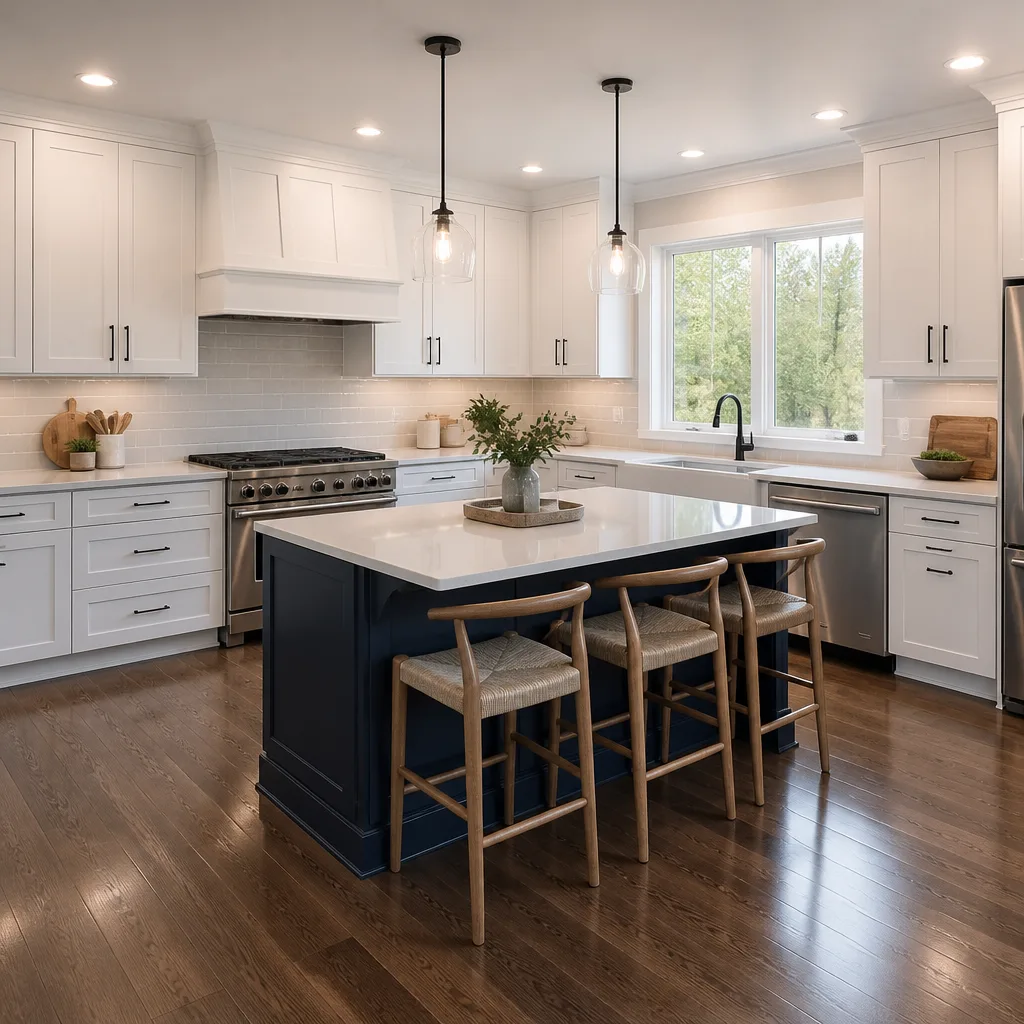 Kitchen remodeling
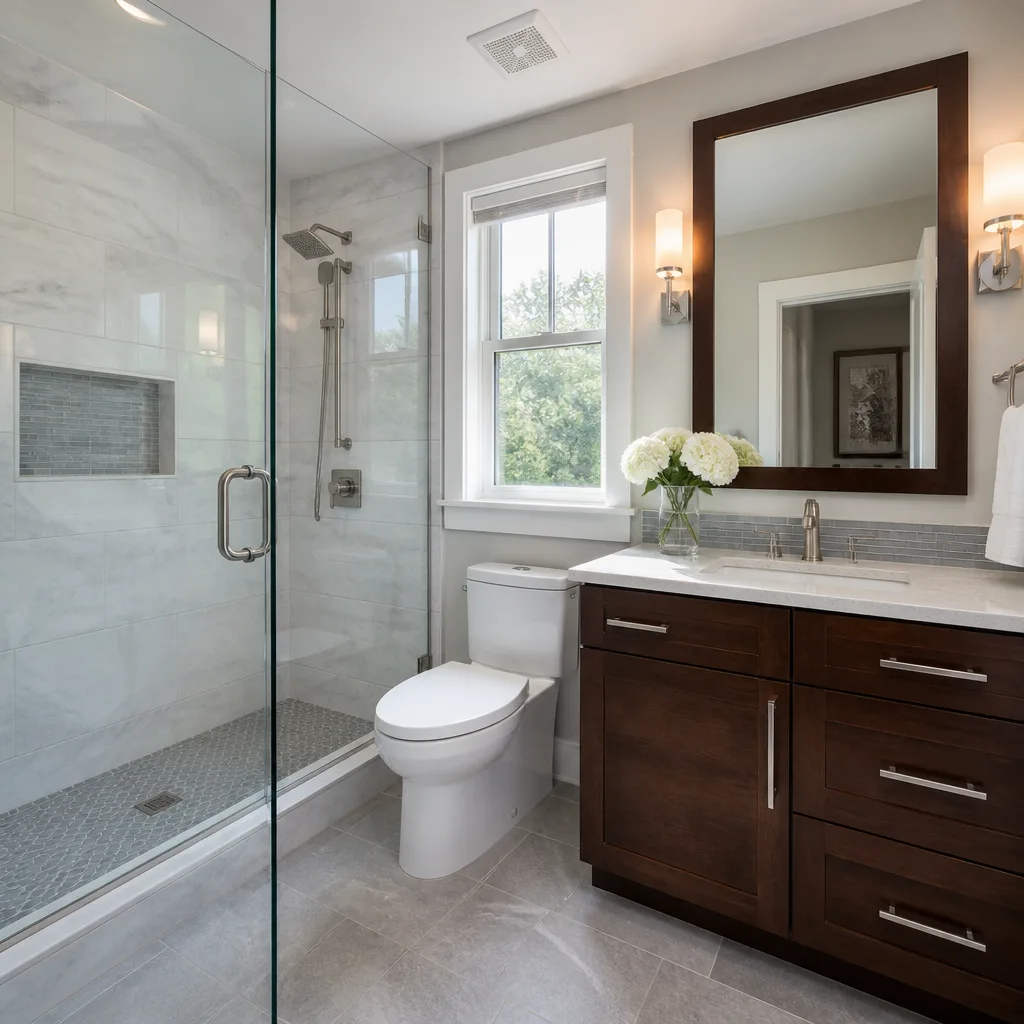 Bathroom remodeling
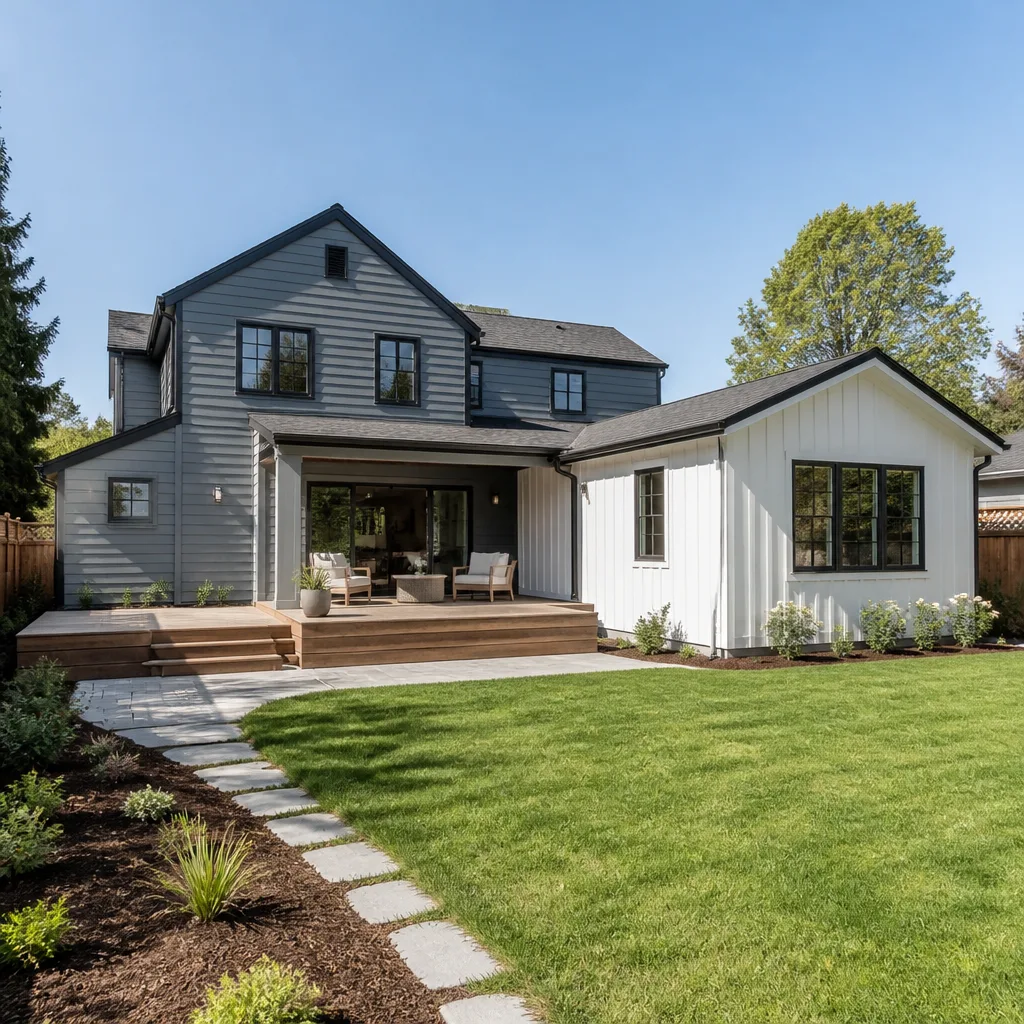 Home additions & ADU
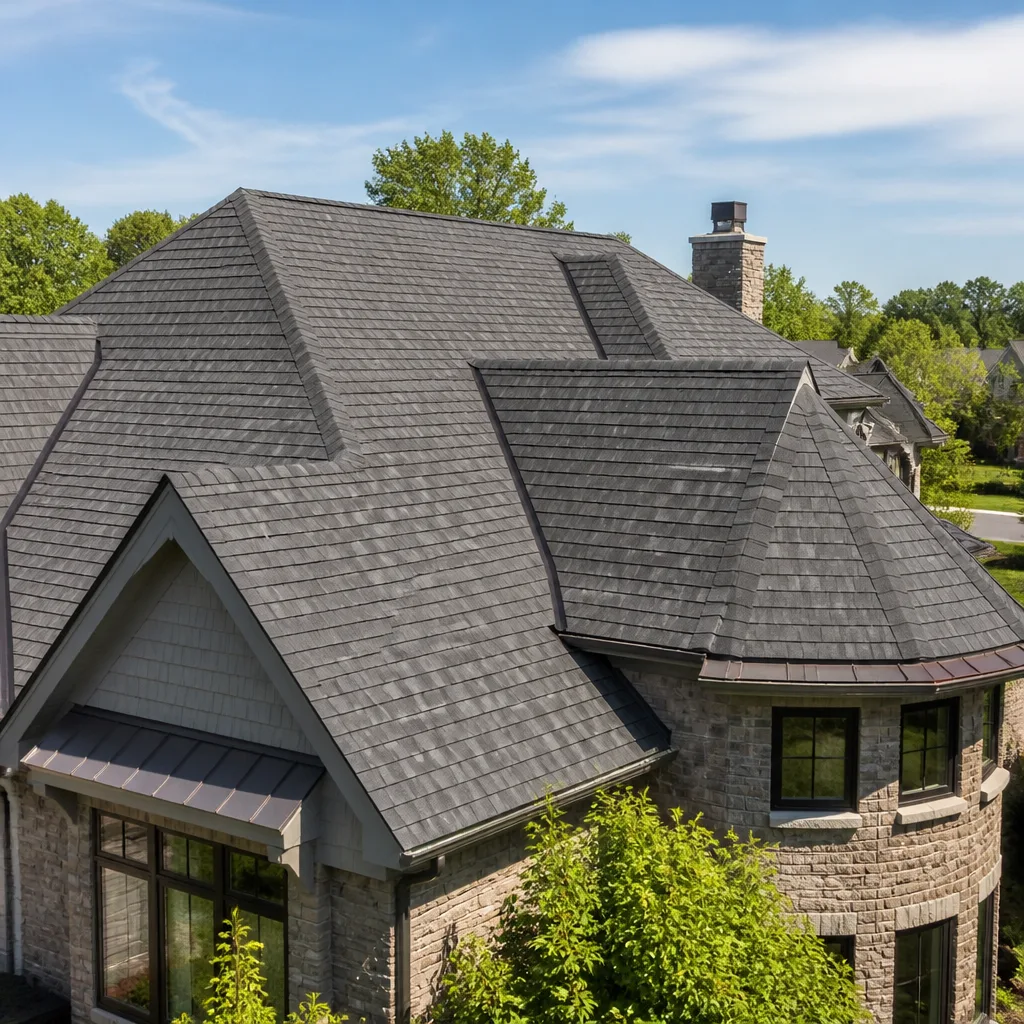 Roofing
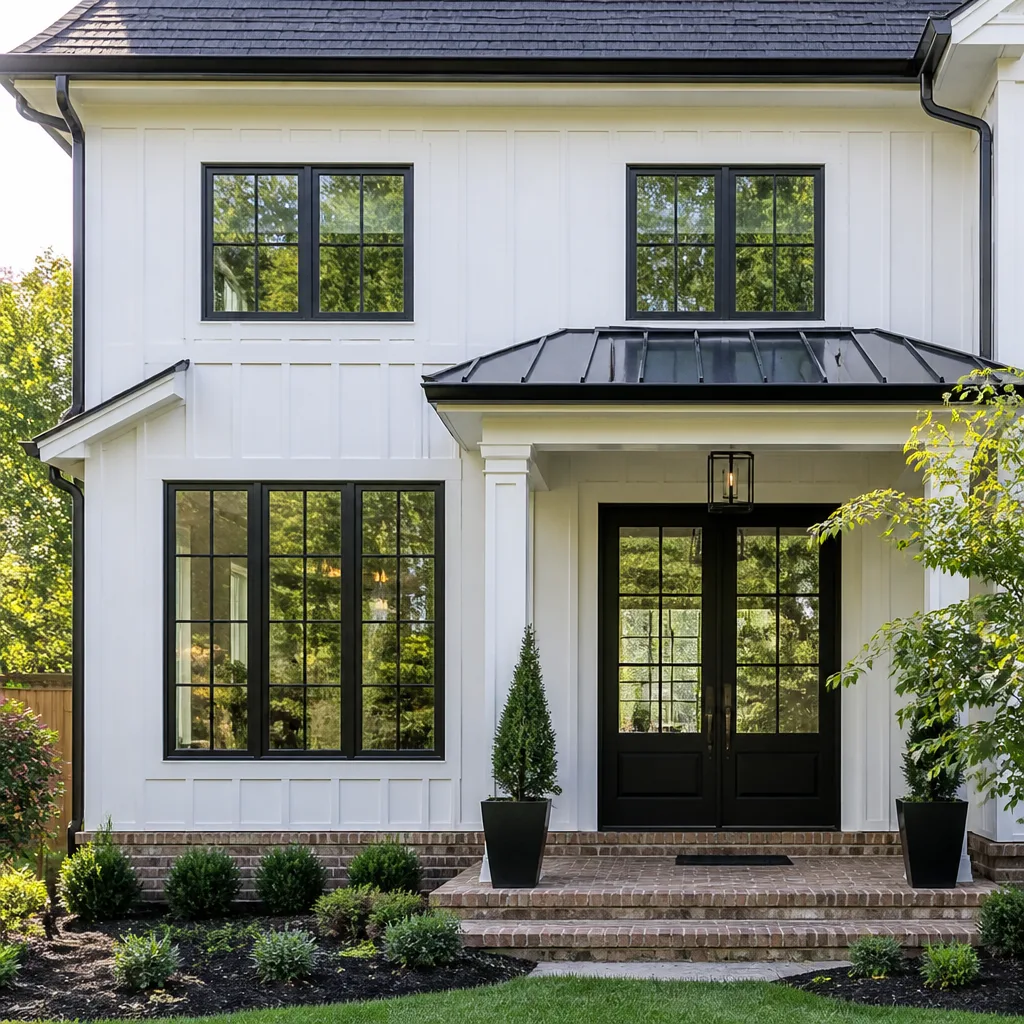 Windows & doors
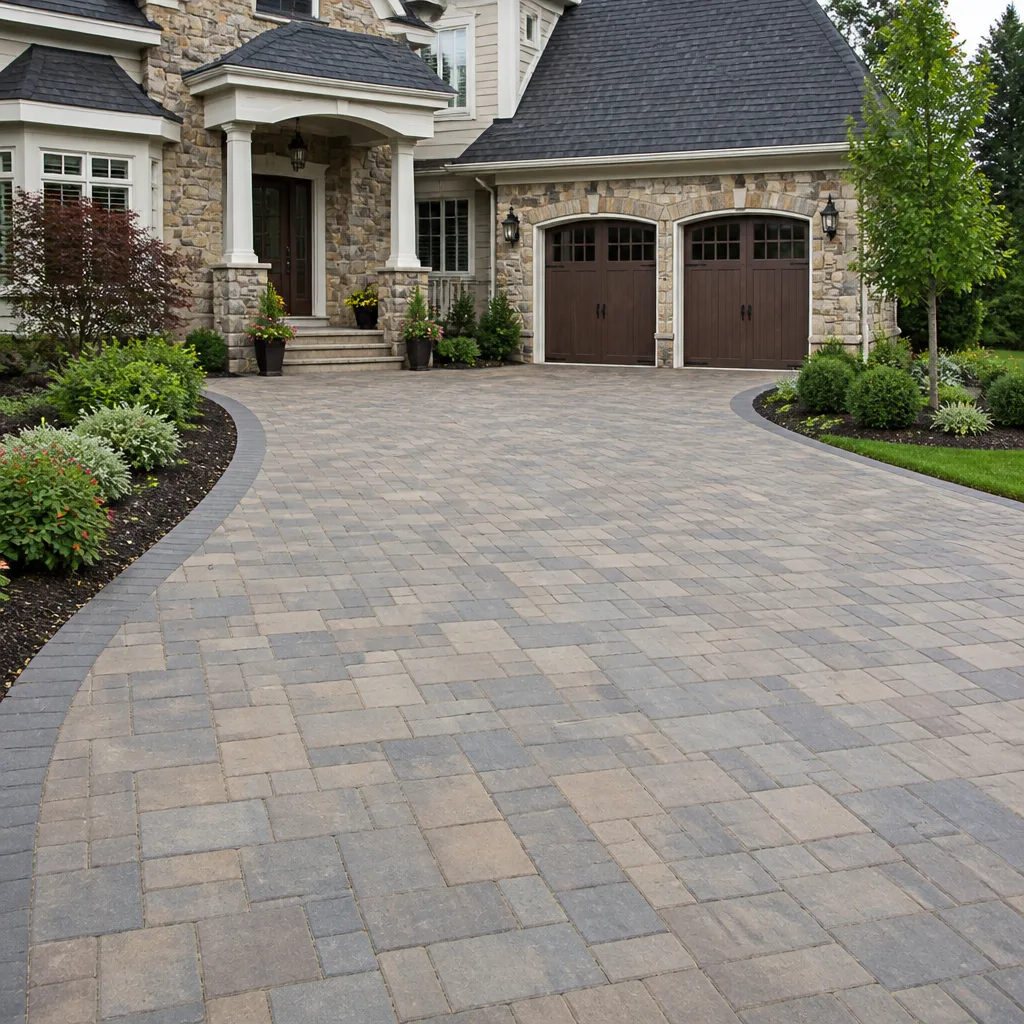 Driveway & pavers
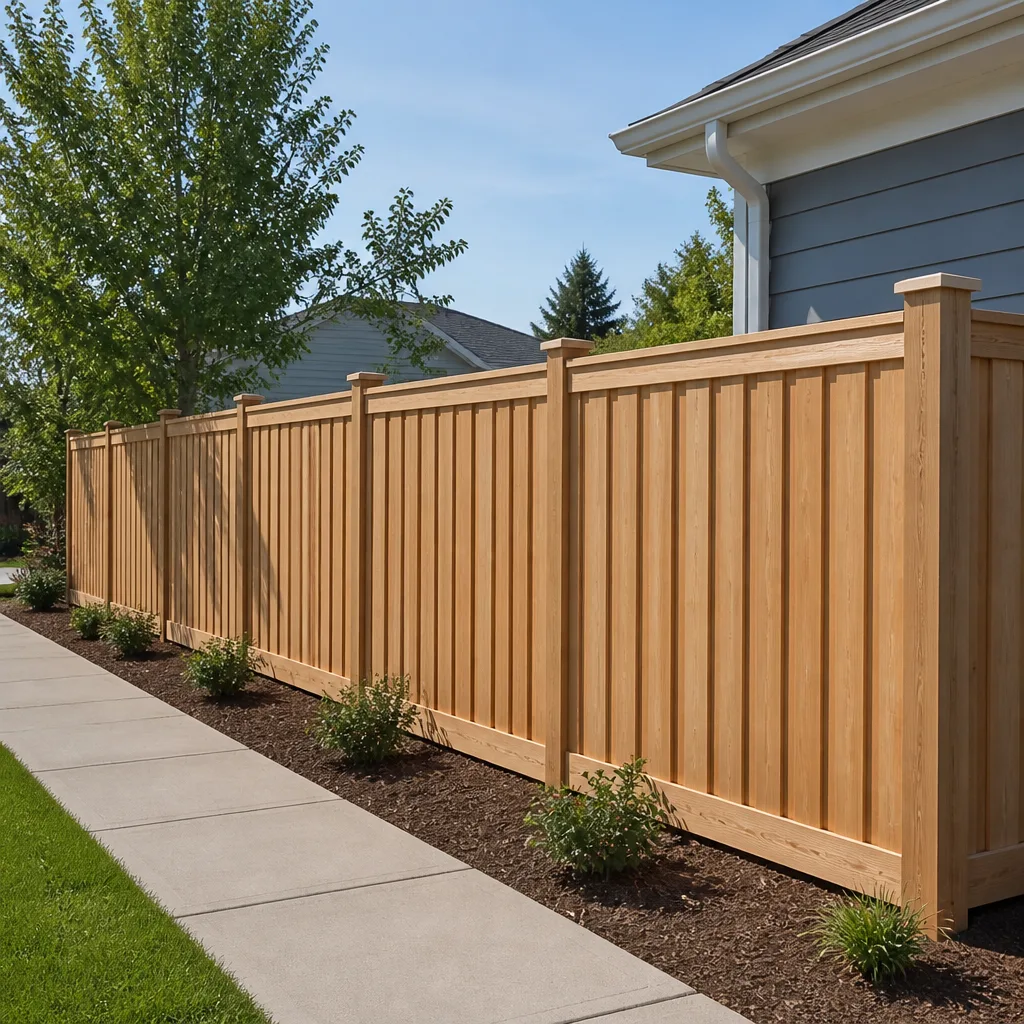 Fence
Free written scope consultation - allowances, timeline, and change-order rules on paper before a single trade is scheduled
Construction Permits, Codes & Inspections in FL: What You Need to Know
Most Florida homeowners assume the building code is one book. It is, and it isn’t. The Florida Building Code sets the state baseline, but Miami-Dade County layers its own amendments on top, and those amendments are stricter than almost anywhere else in Florida. The reason is simple: all of Miami-Dade sits inside the High-Velocity Hurricane Zone, a designation that adds requirements you won’t find in Orlando or Tallahassee. Those rules touch everything from the nails in your roof decking to the glazing in your windows. Skip them and your project stalls at inspection, or worse, your closing blows up years later. We’ve watched both happen in Miami Gardens. This guide walks you through what actually controls your project, how permits get tracked, and where things go wrong.
Quick Answer
In Miami-Dade County, your project must meet both the Florida Building Code and the county’s stricter local amendments, and the stricter rule always wins when they conflict. Permits are filed through Miami-Dade’s BuildingCode portal (formerly ePermits), where your contractor tracks status in real time. Any eligible job needs a pulled permit and a signed-off inspection, and unpermitted work gets discovered at resale by title companies, appraisers, and inspectors using satellite imagery and permit history.
Styles & brands we work with
- Kitchen remodeling
- Bathroom remodeling
- Home additions & ADU
- Roofing
- Windows & doors
- Driveway & pavers
- Fence
Table of Contents
- State FBC vs. Miami-Dade Local Amendments: Which One Controls?
- What the High-Velocity Hurricane Zone Means for Your Project
- Owner-Builder Permits: What They Allow and What They Expose You To
- How to Track a Permit Through the Miami-Dade Portal
- Why Permits Get Flagged or Held in Miami Gardens
- Unpermitted Work at Resale: How It Gets Found
- The Inspection Sequence: What Happens and When
State FBC vs. Miami-Dade Local Amendments: Which One Controls?
The stricter rule controls. When the Florida Building Code says one thing and Miami-Dade’s local amendments say another, you follow Miami-Dade. That’s the short version. The Florida Building Code is the statewide document, updated on a three-year cycle, and local jurisdictions can adopt amendments that exceed it. Miami-Dade has done that aggressively because of hurricane risk.
What does that mean in practice? A few examples that come up on Miami Gardens jobs:
- Roof deck attachment: Miami-Dade requires specific nail patterns and enhanced fastening that go beyond the base code, especially for tile roofs.
- Product approval: Every product used in the building envelope needs a Florida Product Approval number or a Miami-Dade Notice of Acceptance (NOA). Missing that number is one of the fastest ways to get a permit held.
- Impact glazing: Windows and doors in the HVHZ must meet large-missile impact standards, which narrows the products you can legally install. Brands like Andersen and Marvin publish HVHZ-compliant lines, but not every model qualifies.
- Wind load calculations: The design wind speed in Miami Gardens is higher than most of the state, and your engineering has to reflect it.
If you’re planning a home addition or ADU, this matters early, not at the end. Our team handles Home Additions & ADU in Miami Gardens with the county amendments factored into the drawings from day one, because retrofitting compliance after framing is expensive.
What the High-Velocity Hurricane Zone Means for Your Project
The High-Velocity Hurricane Zone covers all of Miami-Dade and Broward counties, plus a sliver of coastal Palm Beach. It’s the state’s toughest wind zone, and it changes the rules on nearly every exterior component of a home.
In the HVHZ, products must pass large-missile impact testing, not just small-missile. That’s the difference between a window that survives a lawn chair and one that survives a chunk of someone else’s roof. Roofing materials, skylights, exterior doors, and shutters all get tested to a higher threshold. Fasteners and connectors get stricter too, and the inspection sequence includes more hold points where the inspector sees the work before it’s covered up.
What does that cost you? Expect to pay more for materials than a homeowner in Jacksonville would for the same job. A qualifying impact window runs 20% to 40% higher than a standard unit, and a tile roof in Miami Gardens costs more per square than a comparable roof in Central Florida because of the attachment requirements. That’s the reality of building where the wind blows hardest. The trade-off is real: HVHZ-compliant homes hold up better, insure for less, and appraise higher.
Our crew members have up to 28 years of experience installing HVHZ-rated products, and we specify brands you can look up, like James Hardie siding with published wind ratings, rather than mystery materials off a van.
Owner-Builder Permits: What They Allow and What They Expose You To
Florida law allows a homeowner to pull an owner-builder permit for work on a property they own and will occupy. You don’t need a contractor’s license. What you do need is a working understanding of the code, the inspection sequence, and the liability you’re taking on.
Here’s where homeowners get hurt. When you pull an owner-builder permit, you’re certifying that you’ll do the work yourself or supervise it directly, and you’re accepting full responsibility for compliance and safety. If the work is defective, there’s no contractor’s license on the line. There’s just you.
The bigger exposure shows up at sale. Florida Statute allows a buyer to come back on an owner-builder for a period of years after a sale if latent defects surface, and courts have read those windows more strictly than homeowners expect. If you build an addition under an owner-builder permit and sell within the statutory window, you may face claims you’d never have faced if a licensed contractor had signed the contract.
Owner-builder permits also don’t let you rent out the property during the project or build on property you don’t occupy. And county inspectors tend to look harder at owner-builder jobs because they assume the person doing the work may not know the sequence.
Our advice for most Miami Gardens homeowners: use the owner-builder route sparingly, and only for small, cosmetic work. On anything structural, electrical, or roofing-related, pull the permit through a licensed contractor. It’s not an inconvenience. It’s the difference between a project that closes cleanly and one that drags.
How to Track a Permit Through the Miami-Dade Portal
Miami-Dade’s BuildingCode portal lets you check a permit’s status any day of the week, and you should. Every permit has a number, every inspection has a result, and every reviewer comment gets logged. When you know how to look, you stop calling your contractor for updates and start catching problems early.
Follow these steps:
- Get the permit number in writing. The day your contractor files, ask for the permit number and the address listed on the application. Confirm both.
- Create an account on the BuildingCode portal. Registration is free and takes a few minutes. Use the email you check daily.
- Search by permit number or address. The portal accepts either. The permit number is faster and less error-prone.
- Bookmark the status page. Check once a week during active work. Status will move through “Application Received,” “Under Review,” “Permit Issued,” “Inspections,” and “Final.”
- Read the reviewer comments. If the permit bounces back, the comment tells you exactly what’s missing. Missing NOA numbers, incomplete energy calcs, and expired surveys top the list.
- Confirm inspections are scheduled, not just requested. A “requested” inspection that sits for two weeks is a delay you can spot before it costs you the framing sequence.
If you’re having work done on exterior hardscape, we’ve seen drainage and grading questions come up in review on pavers projects. Our team handles Driveway & Pavers in Miami Gardens with any required permits pulled before the first load of base material arrives.
Why Permits Get Flagged or Held in Miami Gardens
The county holds permits for a short list of reasons, and nearly all of them are preventable. These are the ones we see most often on Miami Gardens projects:
- Expired survey. A survey older than a year is often rejected for new construction, additions, and fence installations on the property line. Get a fresh one before you file.
- Missing or wrong NOA numbers. Products used in the building envelope need a valid Miami-Dade Notice of Acceptance or Florida Product Approval. Wrong number, wrong product, wrong revision, permit held.
- Incomplete energy calculations. The energy code (Florida Energy Efficiency Code for Building Construction) requires a full calculation using approved software. Half-finished submissions sit in review for weeks.
- Site plan mismatches. The address on the drawings has to match the address on the survey and on the deed. Sounds obvious. It fails constantly.
- Missing historic or flood zone review. Some Miami Gardens properties fall within flood zones that require elevation certificates or additional review before a permit will issue.
- Unrelated open permits on the property. An old permit that never got a final inspection can block new permits on the same address. We see this on homes that changed hands two or three times.
If you can’t get past one of these on your own, our team will look at the file. We offer a free second opinion on any written estimate, and that applies to permit and inspection paperwork too. Call us if you’re stuck.
Unpermitted Work at Resale: How It Gets Found
Most homeowners assume unpermitted work won’t come up at sale. It comes up more often than they think, and the reasons are more mundane than dramatic.
Here’s how title companies, appraisers, and inspectors find it:
- Permit history on the property record. The county keeps a record of every permit pulled at every address. A room addition with no permit on file raises an immediate flag.
- Satellite imagery. Appraisers and inspectors pull historical satellite images of the property. A pool that appears in 2019 and wasn’t in the 2018 permit records is easy to spot.
- Square footage mismatches. The tax appraiser’s records show square footage. If the listed square footage doesn’t match what’s on the ground, the discrepancy gets flagged.
- Home inspections. A licensed home inspector notes visible signs of unpermitted work in the report. Buyers see it, lenders see it, and the deal stalls until it’s resolved.
- Insurance underwriting. Insurers now check permit databases for roof replacements. A new roof with no permit on file often means a request for re-inspection or a refusal to underwrite.
If unpermitted work is discovered, you have two paths. You can file for an after-the-fact permit, which requires demonstration that the work meets code. Or you can negotiate with the buyer. Both options cost far more than pulling the permit the first time.
Roof and window replacements get caught most often because insurers check. Our team handles Barrett & Sons Construction Miami Gardens home permit tracking on every roofing and window job, and we pull the permit before the first shingle comes off.
The Inspection Sequence: What Happens and When
An inspection isn’t one event. It’s a series of hold points where an inspector reviews work before it’s covered up. Miss a step and the sequence backs up, which costs weeks.
A typical sequence for a residential addition or roof replacement in Miami Gardens:
- Pre-construction or slab inspection. Forms, rebar, and any underground plumbing are inspected before concrete pours.
- Foundation inspection. After the pour, before framing starts.
- Framing inspection. Structural framing, sheathing, and hurricane straps are inspected before the drywall goes up.
- Rough-in inspections. Electrical, plumbing, and mechanical (HVAC) are inspected before walls close.
- Insulation and drywall inspection. Insulation R-values and drywall attachment.
- Final inspection. Every trade’s final, plus a Certificate of Occupancy (CO) or Certificate of Completion (CC).
Roofs have their own sequence: dry-in, then final. HVHZ roofs also require underlayment attachment to be visible for a specific inspection before the tile or shingle goes on. That’s the one homeowners miss most. If the roofer covers the underlayment before the inspector sees it, that inspection fails and the roofer has to pull material back off.
Our crew members walk every inspection with the assigned inspector in mind. The county inspector works for you, not for us. That’s why we like the process. It removes any doubt about what got installed.
Common Mistakes to Avoid
- Treating permits as optional. We’ve seen homeowners skip permits to avoid a few hundred dollars in fees and then pay ten times that at sale, inspection, or insurance review. The permit is the cheap part.
- Using an owner-builder permit on structural work. Owner-builder permits shift liability onto you and create resale exposure. Structural, electrical, plumbing, and roofing work belongs in a licensed contractor’s name.
- Not checking the portal. Homeowners who never look at the permit status get surprised when the job stalls in review. Weekly checks catch problems while they’re still small.
- Assuming a product approval number is enough. A product approval doesn’t guarantee the installation method matches. If the crew installs a compliant product wrong, the inspection fails anyway.
- Letting old permits sit open. If a prior owner left a permit unfinalized, that can block your new permit on the same property. Check the history before you file.
- Skipping the energy calc. Florida’s energy code requires a full computer-generated calculation. Submitting without it holds the permit for weeks.
- Assuming the survey on file is current. A survey that’s over a year old gets rejected on additions and fence installation. Get a fresh one.
If you’re putting up a new fence on a property line, checking the survey first saves you headaches with the county and with your neighbor. We handle Fence Installation in Miami Gardens with permits pulled and the survey verified before we set a post.
See the difference
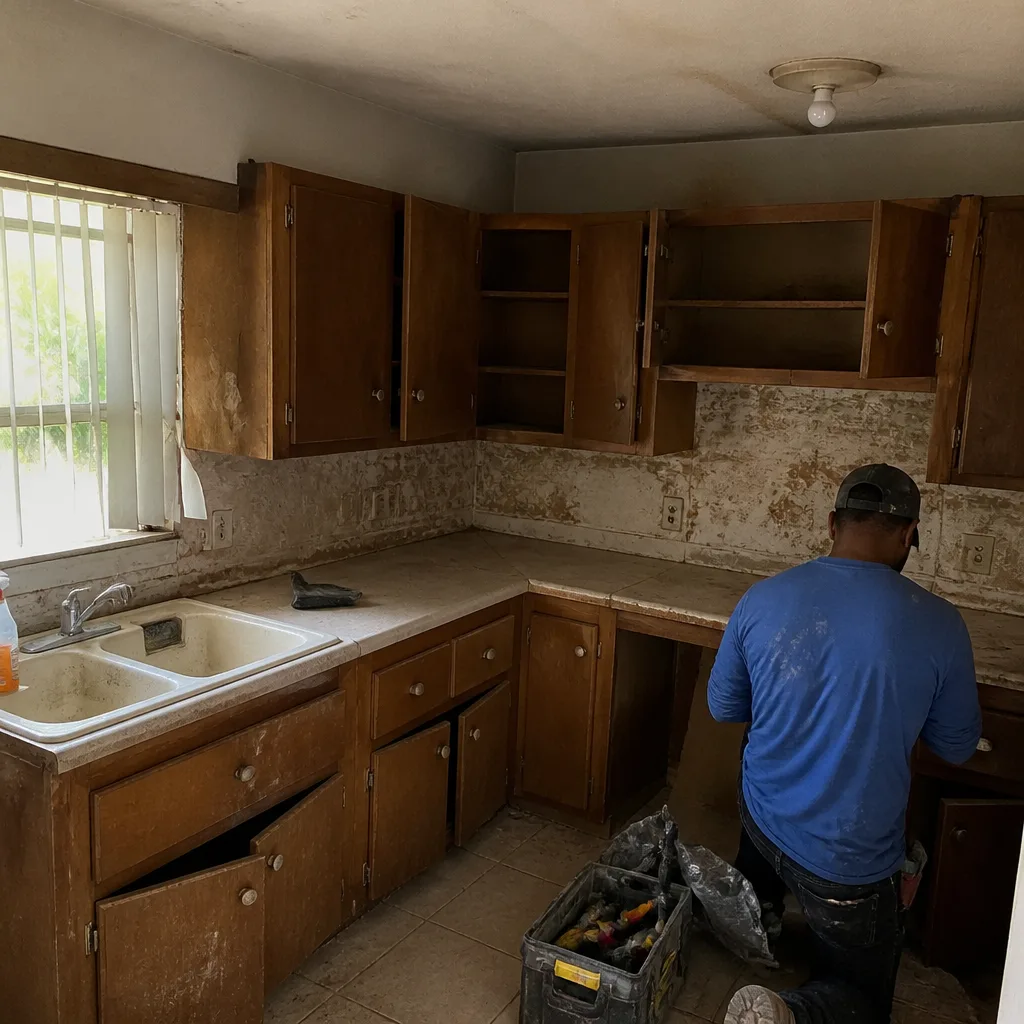 Before
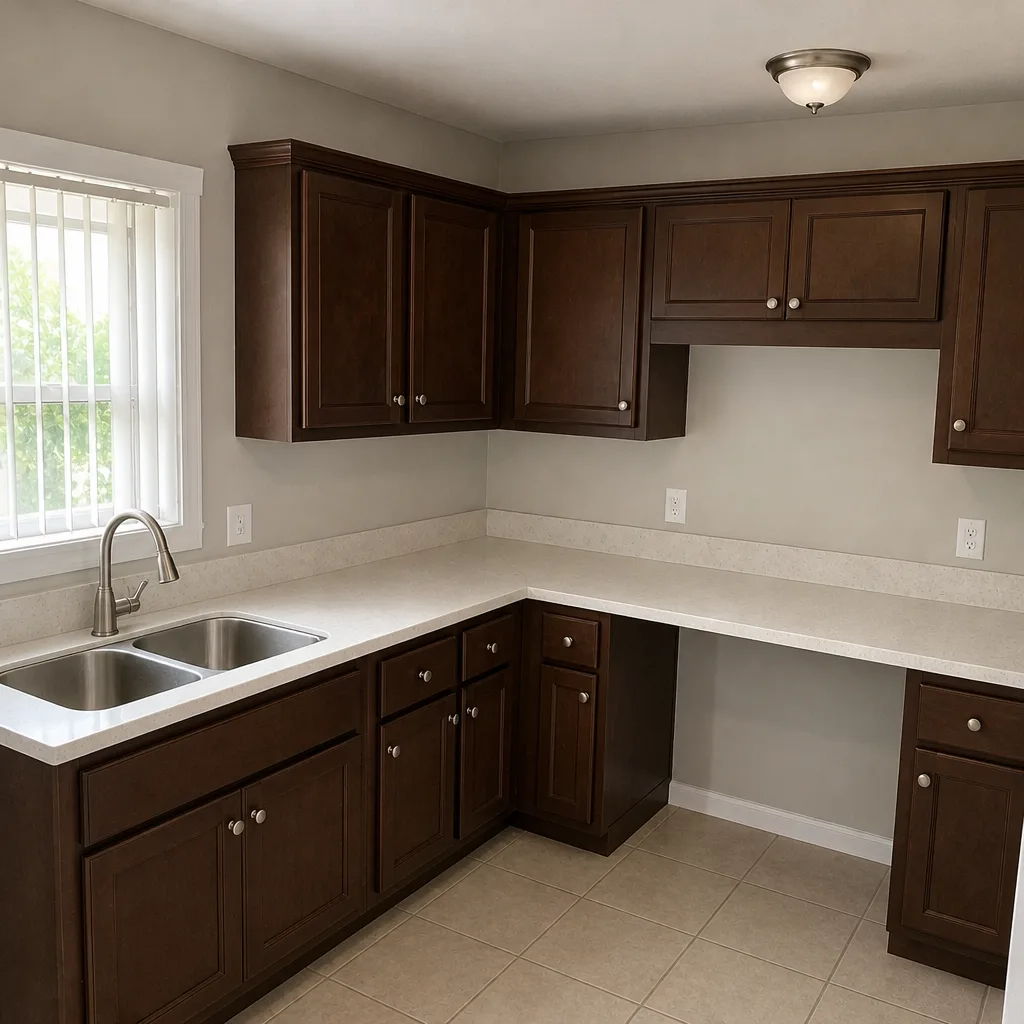 After
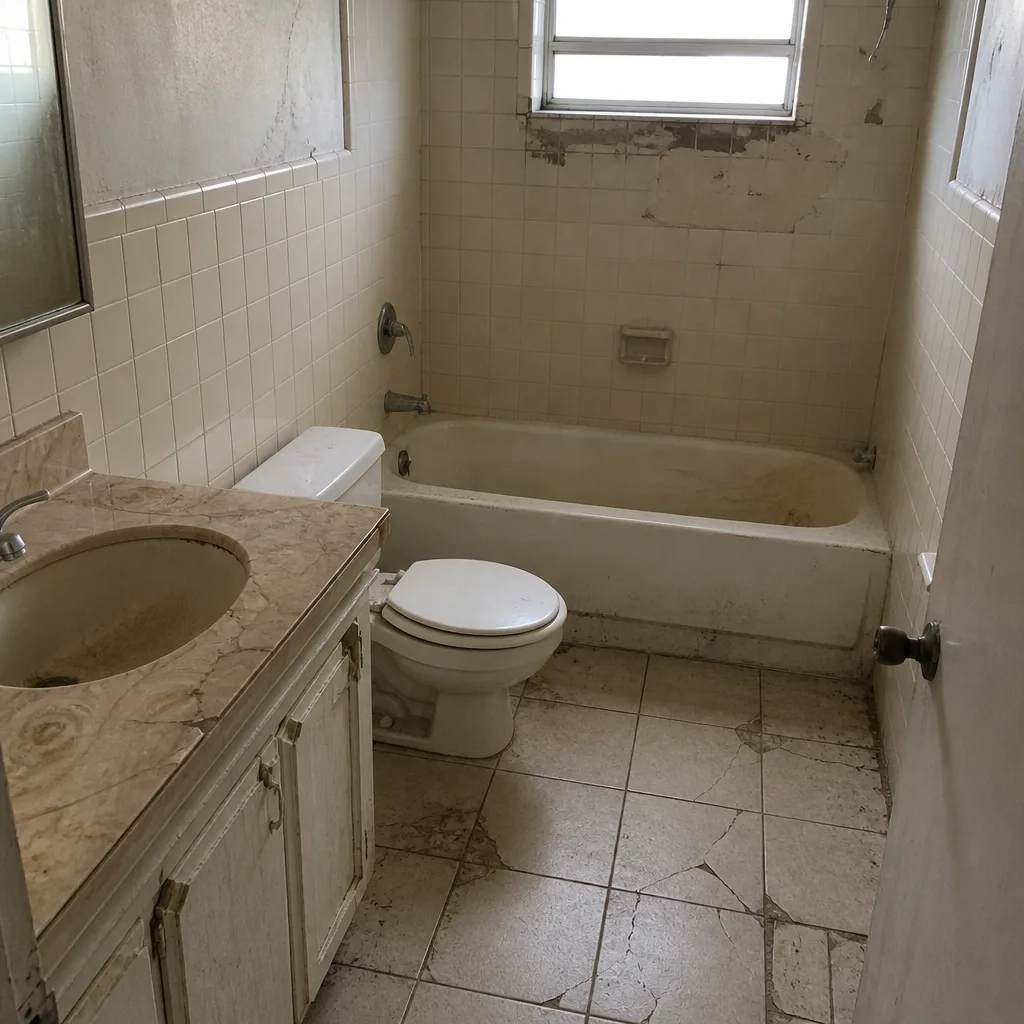 Before
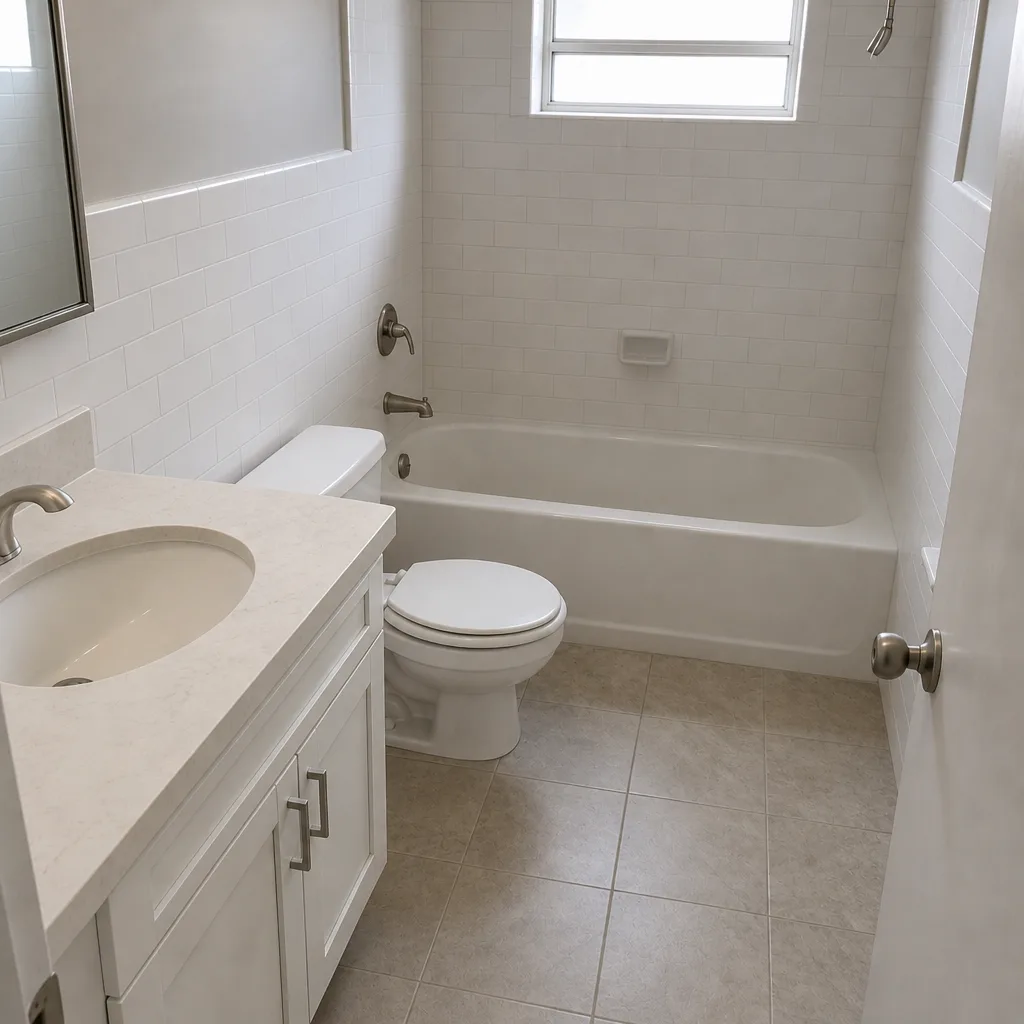 After
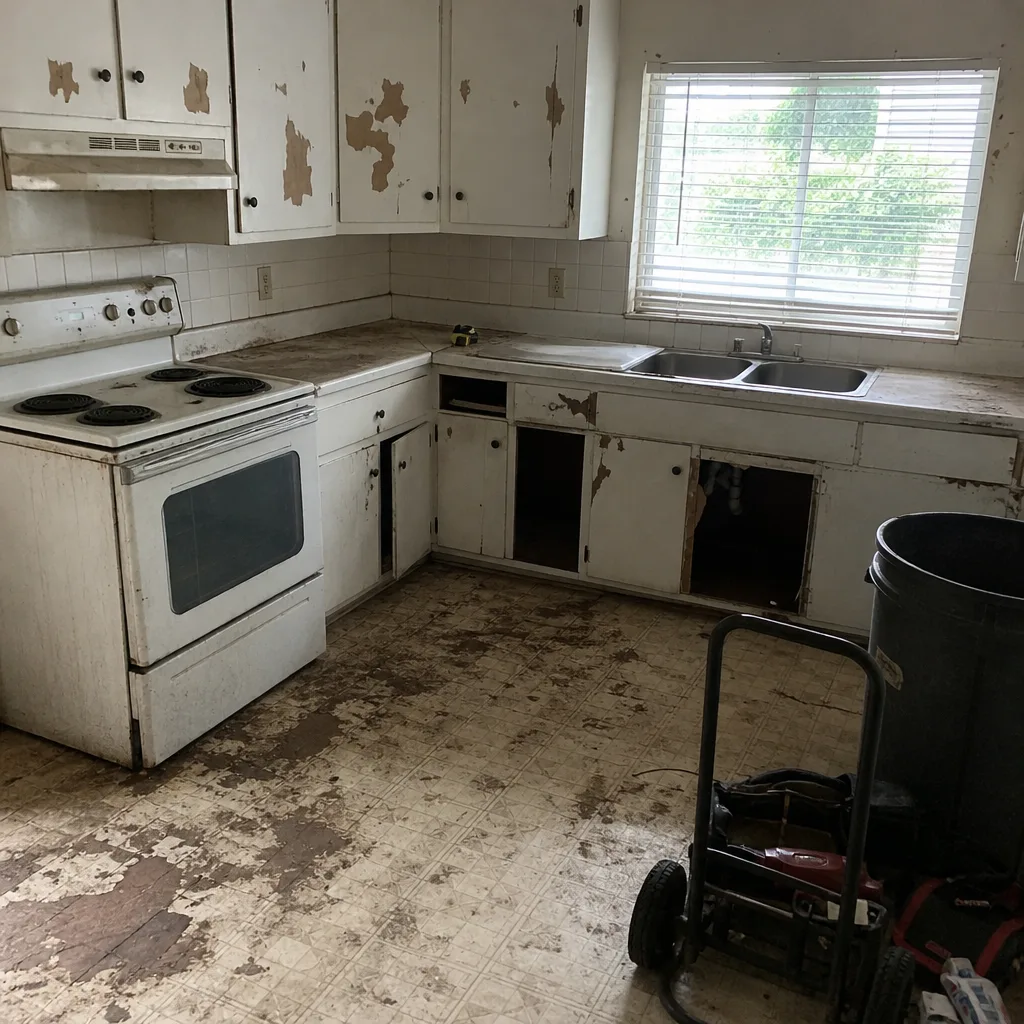 Before
 After
When to Call a Professional
If your project touches the structure, the electrical system, the plumbing, the roof, or the exterior envelope, you need a licensed contractor to pull the permit and sign the inspections. That’s not a sales pitch; it’s the law and it’s where the liability sits. Homeowners get tripped up by jobs that seem simple, like a kitchen remodel that relocates a load-bearing wall or a bathroom remodel that moves plumbing. Those touch code.
We’ve also seen homeowners get stuck on permits filed by contractors who stopped responding, and the county won’t release the permit without a formal transfer. That’s a hard situation to fix alone. If you’re stuck on a permit, call us and we’ll look at the file with you. Barrett & Sons Construction Miami Gardens offers free estimates in Miami Gardens. Call (844) 797-8316. Every price change arrives in writing before work proceeds, every eligible job includes the permit pulled and the inspection signed, and a live person answers the phone 24 hours a day, 7 days a week.
Frequently Asked Questions
Yes, if the work touches electrical, plumbing, mechanical, or structural systems, you need a permit. Cosmetic work like paint, tile, or cabinetry that doesn’t move a wall or a utility generally doesn’t require one. If you’re unsure, call the county’s Building Department before you start. Call (844) 797-8316 if you want a free second opinion on the scope.
Residential permits typically take 10 to 30 business days from a clean submission, but incomplete submittals push that out by weeks. Missing NOA numbers, expired surveys, and incomplete energy calculations are the three most common causes of delay. If your permit has been sitting for longer than expected, call us and we’ll look at the file.
An owner-builder permit lets a homeowner pull a permit without a contractor’s license, but only for property they own and occupy. It shifts full liability for code compliance and safety to you, and it can create resale exposure if you sell within the statutory window. For most Miami Gardens homeowners, the owner-builder route is best used only on small, non-structural work. Call (844) 797-8316 for a free consultation before you file.
Look it up on Miami-Dade’s BuildingCode portal, using the permit number or the property address. Bookmark the status page and check it weekly during active work. The portal shows every reviewer comment and every inspection result, so you catch delays while they’re still fixable. Call us if a status looks stuck and you’re not sure why.
Unpermitted work can stall your closing, trigger a lower appraisal, or force an after-the-fact permit before the sale can go through. Title companies, appraisers, and insurers find unpermitted work through permit records, satellite imagery, and square footage mismatches. Call (844) 797-8316 if you’re planning to sell and want a free second opinion on the property’s permit history.
Expired surveys, missing or incorrect NOA numbers on products, and incomplete energy calculations are the top three, followed by unrelated open permits on the property and site plan discrepancies. All of these are preventable. Call (844) 797-8316 for a free second opinion on a held permit.
The Bottom Line
Permits in Miami-Dade County are stricter than most of Florida because of the High-Velocity Hurricane Zone requirements. That’s not bureaucracy for its own sake; that’s what it costs to build where the wind is strongest. File the permit, watch the portal, and hire a licensed contractor for anything structural. If you’re planning a project in Miami Gardens and you want the permit pulled and the inspection signed, our team does it on every eligible job. Call (844) 797-8316 for a free estimate, and never sign an estimate without a free second opinion first.
Written by the team at Barrett & Sons Construction Miami Gardens.