
Last updated November 17, 2026
 Home additions & ADU
 Kitchen remodeling
 Bathroom remodeling
 Roofing
 Windows & doors
 Driveway & pavers
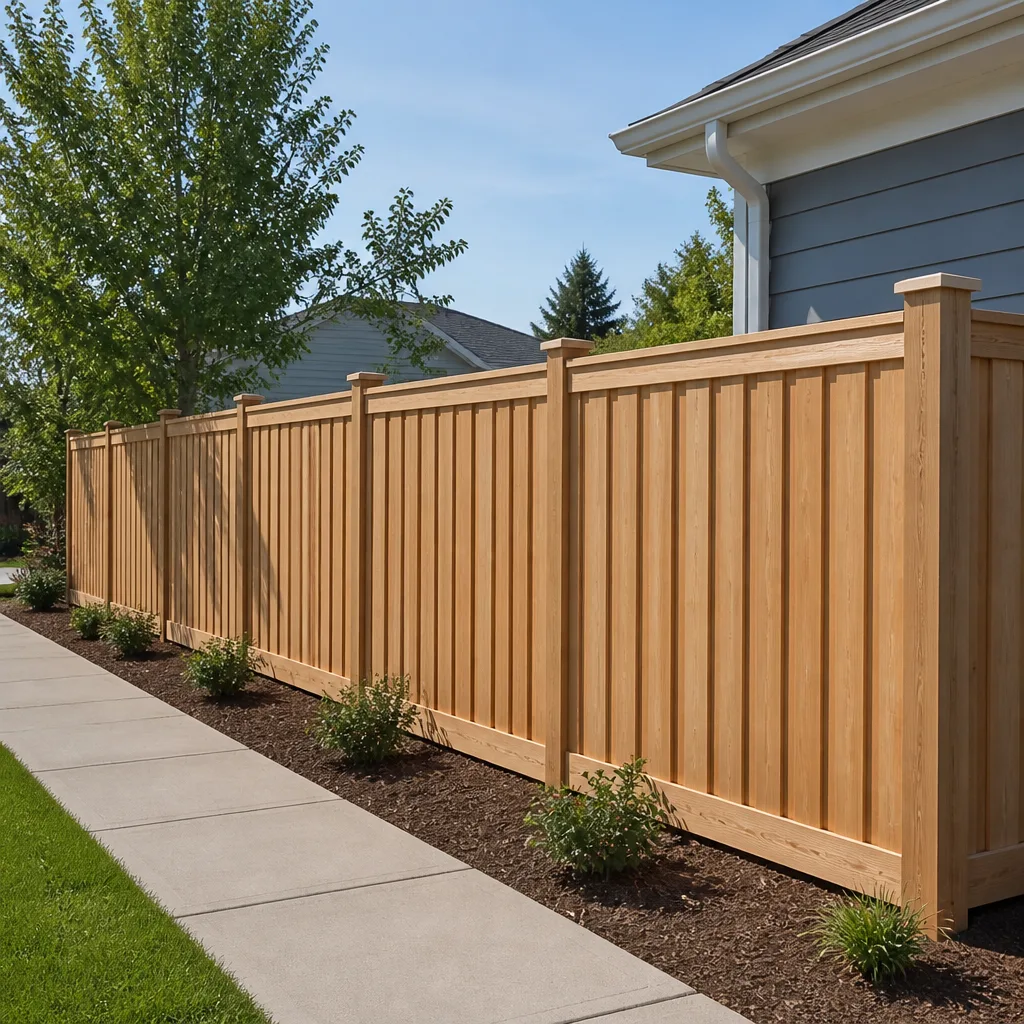 Fence
Free written scope consultation - allowances, timeline, and change-order rules on paper before a single trade is scheduled
Seasonal Construction Care for Miami Gardens: Year-Round Homeowner’s Guide
Miami Gardens doesn’t run on four seasons. It runs on two: a wet season that arrives like a switch in early June and doesn’t fully let go until late September, and a dry season that gives you a real stretch of working weather from October into April. The six weeks between mid-October and Thanksgiving are the most valuable construction window in Miami Gardens. Dry enough for crews to work without racing the radar, cool enough for concrete to cure without flash-cracking, and just before the holiday backlog hits every trade in the county. Miss that window and you’re booking into a full spring schedule or working in a downpour. This guide lays out what to inspect, when to schedule, and how to keep a maintenance log that protects you at resale and at claim time.
Quick Answer
Home maintenance in Miami Gardens follows two seasons, not four. Button up before June (exterior inspections, drainage, roof, fence, and caulking done by April or May), monitor during the wet months, and schedule the heavy trades (roofing, exterior painting, concrete, pavers) for October through March. Keeping a dated photo log of every storm walk-through and repair is what makes an insurance claim and a resale go smoothly.
Styles & brands we work with
- Kitchen remodeling
- Bathroom remodeling
- Home additions & ADU
- Roofing
- Windows & doors
- Driveway & pavers
- Fence
Table of Contents
- Pre-Wet-Season Checklist (April and May)
- In-Season Monitoring (June through September)
- Post-Storm Walk-Through Protocol
- Dry-Season Project Timing: October through March
- Building a Maintenance Log That Actually Matters
- A Service-by-Service Care Calendar
- Common Mistakes to Avoid
- When to Call a Professional
Pre-Wet-Season Checklist (April and May)
South Florida goes from dry to saturated fast. The first real June system can drop three or four inches in an afternoon, and whatever drainage problem you didn’t notice in April shows up as water against the house in June. April and May are when you fix things quietly, while the ground is still hard and the trades aren’t yet slammed.
Walk the perimeter first, then work inward. Do this over one weekend and keep notes as you go.
- Roof and attic: Look for lifted or missing shingles, dark staining where water sits, and cracked pipe boots. From inside the attic, check for daylight at seams and any brown streaks on the rafters.
- Gutters and downspouts: Clear what winter blew in, then confirm every downspout sends water at least a few feet away from the foundation. In older sections of Miami Gardens, downspouts often dump right at the wall.
- Drainage and grade: The soil should slope away from the house on every side. If it dips toward the slab, that’s where water sits.
- Exterior caulking and paint: Re-caulk around windows, doors, and where walls meet trim. Chalky, flaking paint means moisture is getting behind it.
- Doors and windows: Check that weather sealing still seats tight and nothing sticks after the dry months. Impact-rated units made by Andersen or Marvin hold up well, but seals still need a look.
- Fence and mailbox posts: Wood softens, hardware loosens. Push every post; wobbly posts get worse once the ground saturates.
- Driveway and walkways: Note cracks and settled edges. Filled now, a hairline crack is a quick repair. Filled in July, it’s a job.
- Trees and limbs: Trim anything leaning toward the roof before the first strong system. This is a homeowner job for lower branches, a professional one for anything near the roofline.
Button all of this up by mid-May in Miami Gardens and you go into the wet season with nothing meaningful left to fail.
In-Season Monitoring (June through September)
Once the afternoon storms settle in, the job shifts from fixing to watching. Plenty of it is doable yourself. Some of it isn’t, and knowing the difference is what keeps a small issue from becoming a claim.
What you can watch yourself
- Water pooling anywhere it shouldn’t: by the door thresholds, along the base of walls, at the foot of the driveway.
- New stains, bubbling paint, or soft spots on ceilings and along the top of interior walls.
- Doors and windows that suddenly stick or won’t latch. Swelling can be seasonal, but it also signals moisture where it shouldn’t be.
- Loose fence panels and leaning posts after each system passes.
- Gutters overflowing in a heavy downpour. Watch them work, don’t just clear them once in May.
What needs a professional set of eyes
- Active roof leaks or water at a penetration such as a vent, skylight, or chimney. Roof work is fall-and-injury territory.
- Any moisture inside an electrical panel or around outlets and switches. Don’t probe it yourself.
- Structural movement: cracks widening in walls, slabs cracking in a new pattern, doors that no longer close square.
- Mold you can’t trace to a single obvious source.
Strong tropical systems can bend shingles flat and still leave the roof looking intact. That kind of damage is exactly what a trained eye catches and a homeowner never does. In our experience across Miami Gardens, a lot of the wet-season “new” leaks we see actually started with a system from the previous August that was never looked at closely.
Post-Storm Walk-Through Protocol
After a named storm or a strong tropical system, do the same walk in the same order every time. Same routes, same photo angles. The consistency is what makes the log useful later.
- Photograph before you touch anything. Wide shots of the yard and each side of the house first, then close-ups. Timestamped, if your phone supports it.
- Walk the yard. Note downed limbs, fence damage, and any pallets or debris the wind dropped.
- Work the roof from the ground. Binoculars and a slow look. Stay off a wet roof; don’t go up to inspect.
- Check the attic at daylight. Any new daylight through the decking, any fresh stain on rafters.
- Interior ceiling and walls. Photograph every new stain or line, with a mark for scale.
- Perimeter drainage. Look for water standing longer than a few hours or backed up at the slab.
- Write the date and the storm name in your log, then list what you found and what you did about it.
That log becomes the document your insurer and the crew both work from. It saves arguments, and it can save money.
Dry-Season Project Timing: October through March
This is the window that matters most, and it’s the one most homeowners schedule wrong. From October through March you get less rain, more working days, and cooler temperatures that let concrete cure at the right rate instead of flashing dry in afternoon sun. Book the heavy trades for this stretch.
- Roofing: Roofers work faster and inspect more accurately without daily storms. Get on the schedule early; by March the calendar fills for good.
- Exterior painting: Paint needs dry time to bond. October through March gives you that in Miami Gardens; June through September doesn’t.
- Concrete work: Driveways, slabs, footings, and pads all cure better in the dry months. Pouring in the heart of summer means racing the heat and hoping.
- Paver work: This is the season for re-sanding joint lines and leveling or replacing sections. If you’re planning a full driveway replacement, a spring-loaded calendar is common by March.
- Fencing: The ground is firmer and footing holes stay dry. Wood and composite both install cleaner in the dry stretch.
- Additions and ADUs: Any excavation-heavy project benefits from starting in this window. The framing and rough-in finish before June rains.
If you’re eyeing a driveway or paver job, this is also the season when premium hardscape product is easiest to source and confirm. Unilock, Techo-Bloc, and Tremron pavers all lay down cleanly in the dry stretch, and the install itself is cleaner. For a deeper look at that work, see Driveway & Pavers in Miami Gardens.
Building a Maintenance Log That Actually Matters
A maintenance log is worth exactly what you put into it. Done right, it does two jobs: shows the next contractor exactly what’s been done and when, and gives an insurance adjuster a clean paper trail if a claim ever goes sideways.
What to log
- Every repair or install, with the date, the crew, the material, and the brand. “KraftMaid cabinets installed in the kitchen, March” is a log entry. “New cabinets” isn’t.
- Every storm walk-through. Same photos, same angles, same order each time. Rain-damage claims get much easier to handle when you can show the state of the house before and after.
- Permits and inspections. Keep the permit number and the inspection sign-off. Permits pulled and inspections signed aren’t just a legal formality; they’re proof the work was done to code, which matters at resale.
- Product specs and warranties. Brand, model, install date. The window unit on your house has a spec sheet, and your insurer or future buyer may want it.
- Contractor and change-order paperwork. Keep every written change order. A job with no surprise invoices is a job with a clean file, and a clean file is a log that works.
How to keep it
A binder with tabs and a phone folder of photos both work. Pick one, keep it current, and put the date on everything. When you sell, the log becomes a value-add in the listing. When you claim, it becomes the record that wins the argument.
A Service-by-Service Care Calendar
Every system on a Miami Gardens home has a right time to service it. Here’s the split by service, not by month, so you can line up your own schedule.
- Roofing: Inspect annually in late October or early November, right after storm season. That window gives you the full dry season to plan a repair or replacement. See Barrett & Sons Construction Miami Gardens home for the full range of work.
- Windows & Doors: Check seals and operation in April, then again in October. Replace or re-seal in the dry months.
- Fencing: Inspect for rot and loosened hardware in April. Replace or repair in the dry stretch. For that work, see Fence Installation in Miami Gardens.
- Driveways & Pavers: Clean and re-sand joints in November. Repair settled sections in December through February.
- Additions & ADU: Plan in late summer, break ground in October or November, and get dried in before June. More at Home Additions & ADU in Miami Gardens.
- Kitchen & Bath: Interior work can run year-round, but the trade calendars are quieter in the dry months. Schedule finish work for February or March to avoid the spring rush.
One habit makes all of this easier: batch the annual inspections into a single week in late October. Book the roof, windows, and fence looks together, and you’ll know exactly what needs a dry-season project before the trade calendars close.
Common Mistakes to Avoid
- Waiting until the first storm to check the roof. By then the crews are booked for weeks, and you’ve lost your dry-season window. Inspect in October, repair in winter.
- Paying for a roof repair with no written scope. A phone quote that isn’t on paper isn’t a quote. Ask for the scope and the price in writing before anyone climbs up.
- Pouring concrete in the summer heat. It can set too fast and crack. In Miami Gardens, schedule concrete for the dry season and let it cure properly.
- Skipping a permit because a previous contractor said it was optional. It wasn’t then and it isn’t now. Unpermitted work becomes a problem at inspection and at resale.
- Clearing gutters once a year and forgetting them. In a wet season, downspouts need a mid-summer check too. Water at the foundation is expensive water.
- Throwing away storm photos. Delete the pre-storm shots and you lose the before-and-after that a claim adjuster relies on.
- Treating a wet-season leak like a rainy-day nuisance. A small roof leak compounds. Every week you wait, a little more of the decking gets wet.
- Booking a December roof replacement in March. The calendar fills early. If you know you need a new roof, get on the schedule by late summer.
When to Call a Professional
Some things are a weekend project. Some aren’t. Call us when it’s a roof leak or active ceiling stain, when there’s moisture in an electrical panel or outlet, when you see widening cracks or structural movement, when a fence post is leaning after a storm, or when a driveway or paver section has settled. All of those need trained eyes and the right equipment. Roofing in particular involves height and fall risk; stay off it and let a crew handle it. Barrett & Sons Construction Miami Gardens offers free estimates in Miami Gardens – call (844) 797-8316. Every eligible job gets permits pulled and inspections signed, and every price change arrives as a written change order before work starts. Our technicians have up to 28 years of experience, so they’ve watched more than one Miami Gardens storm season.
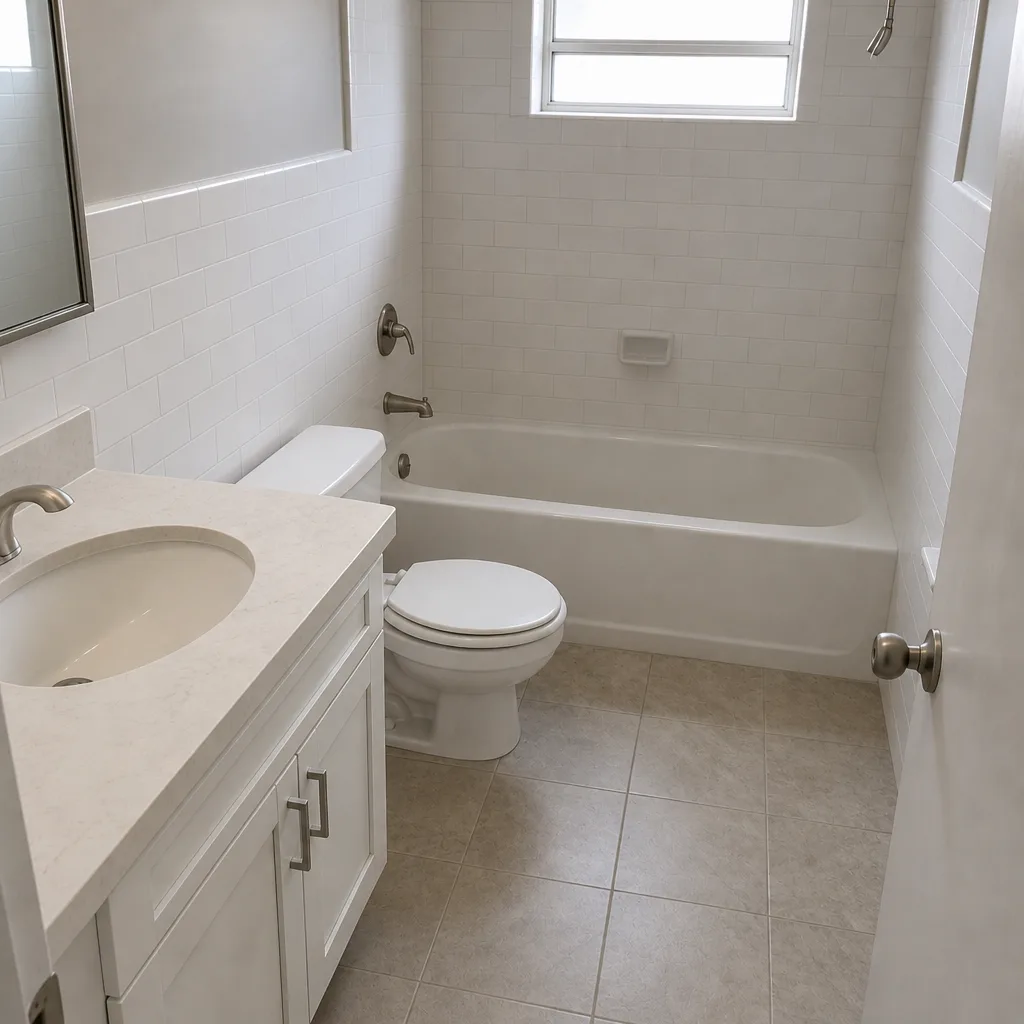
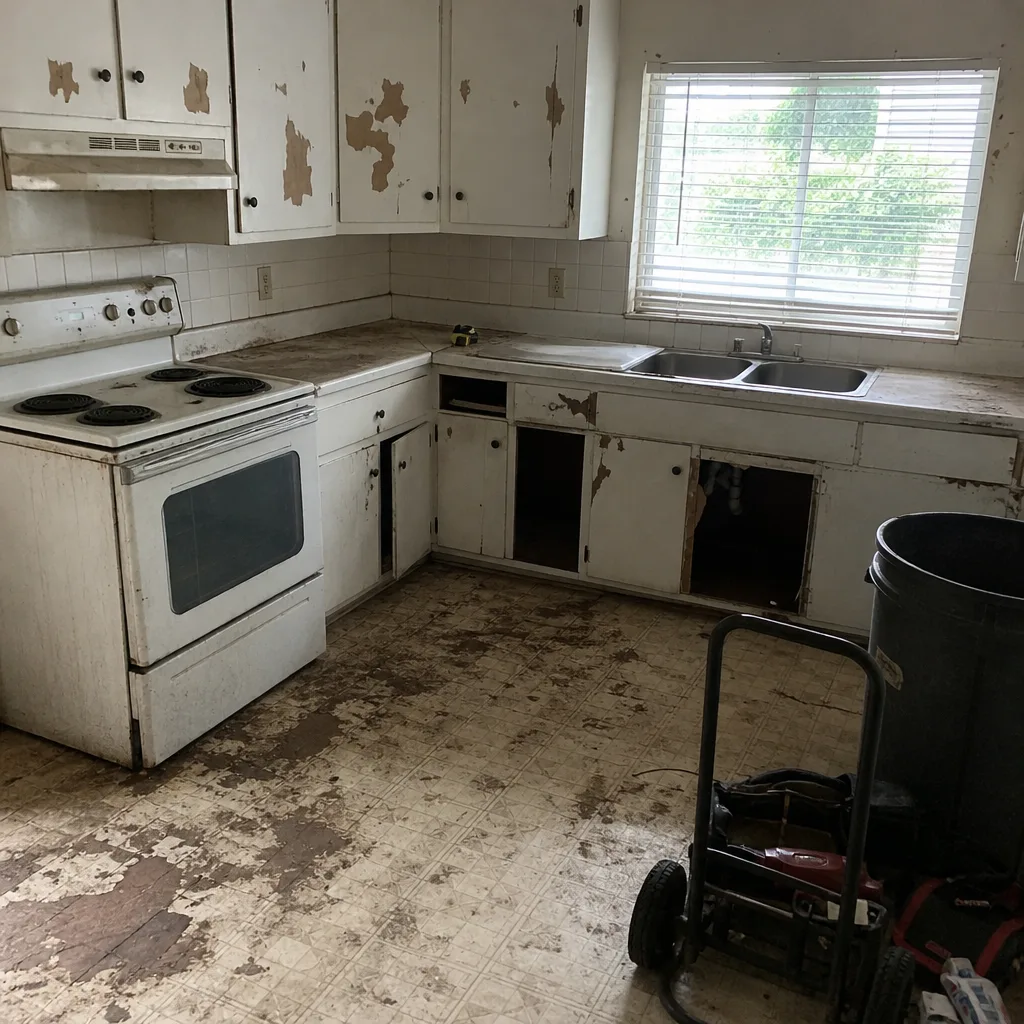
See the difference
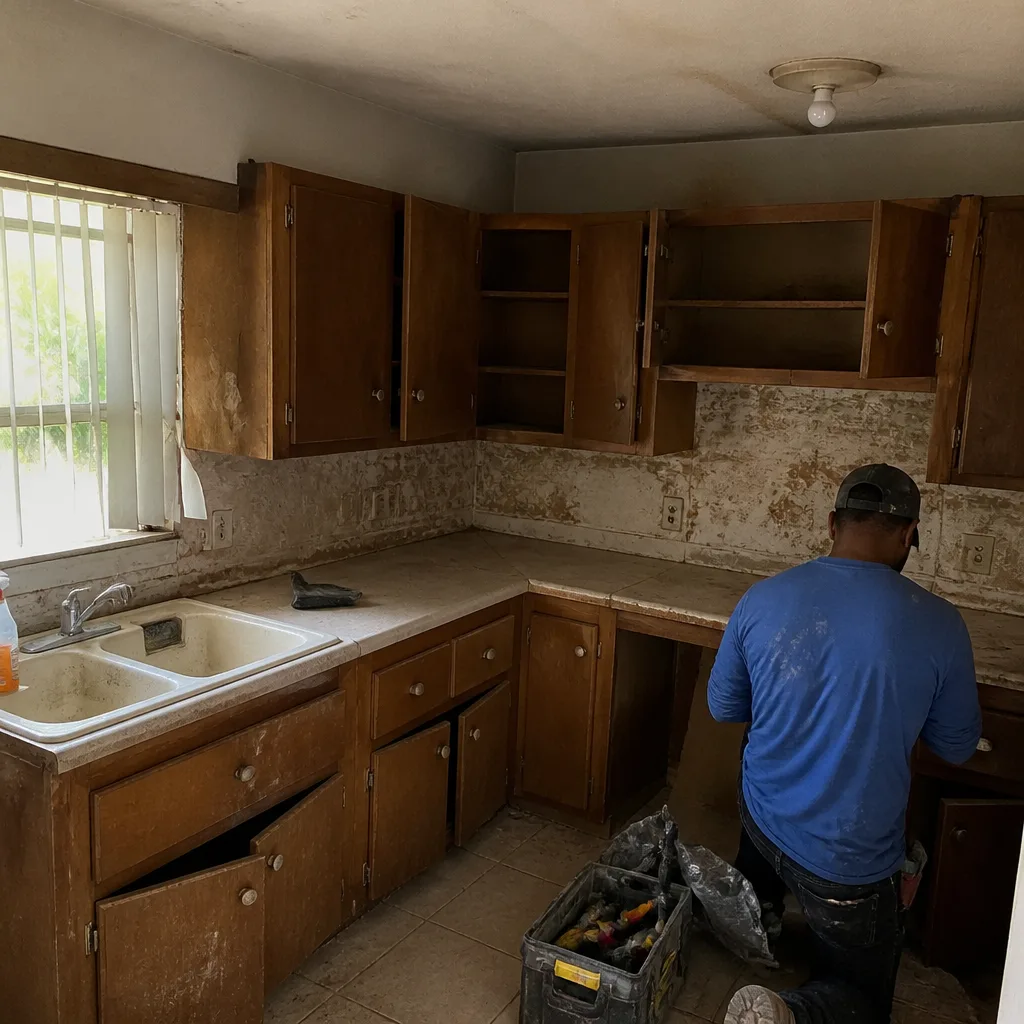 Before
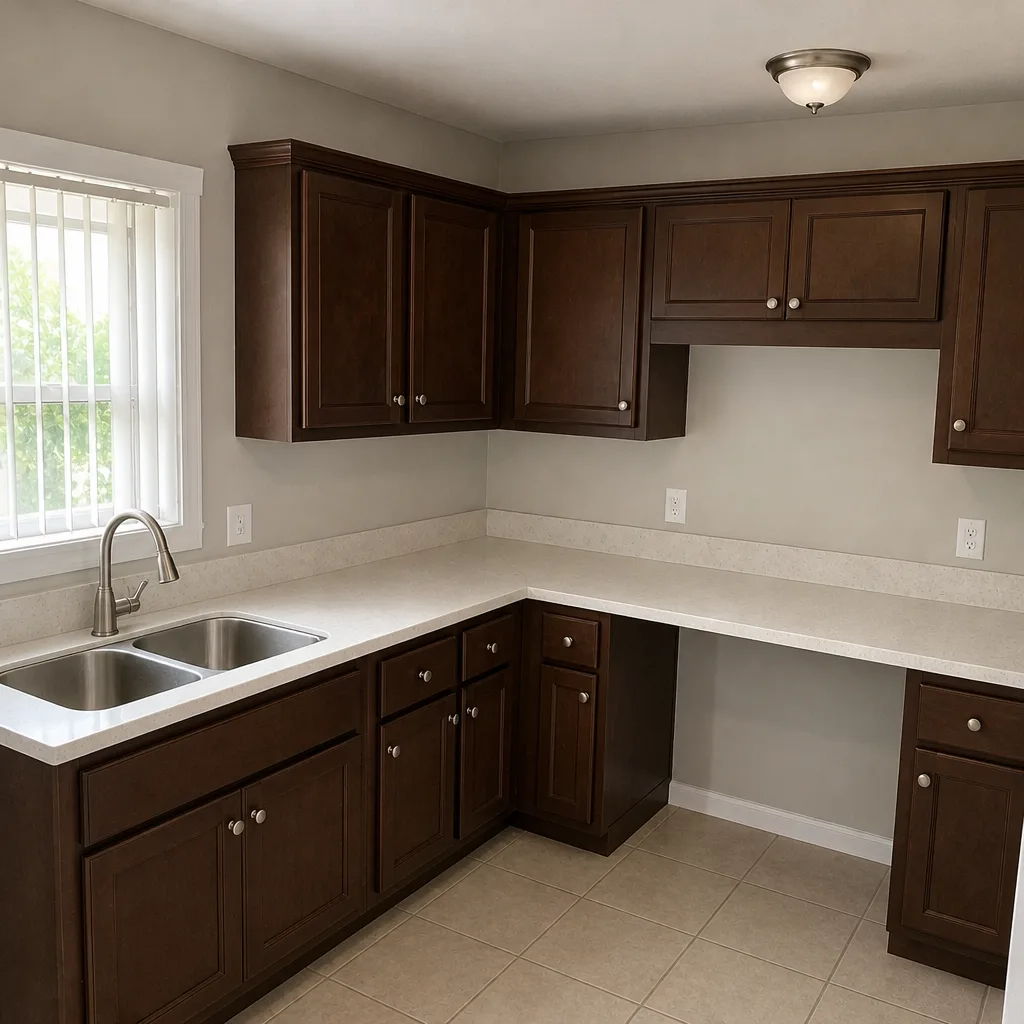 After
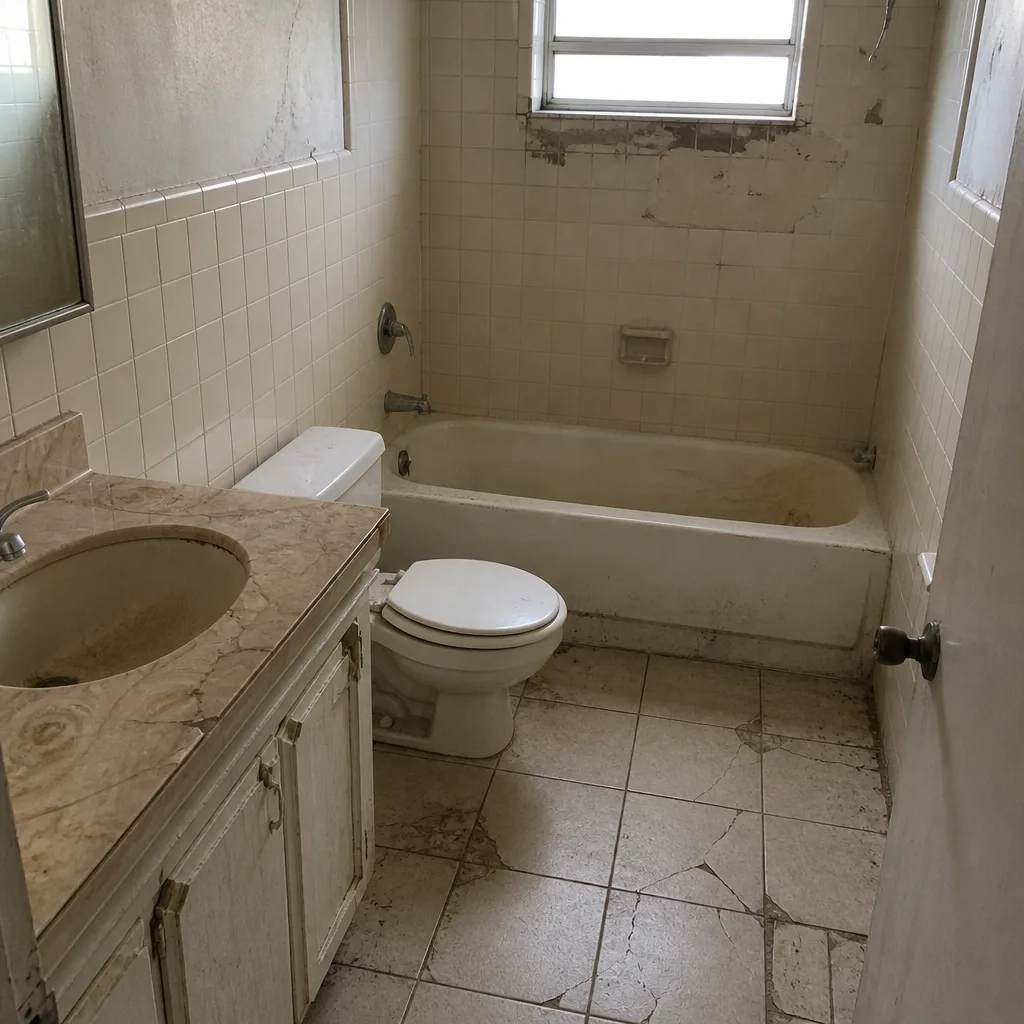 Before
 After
 Before
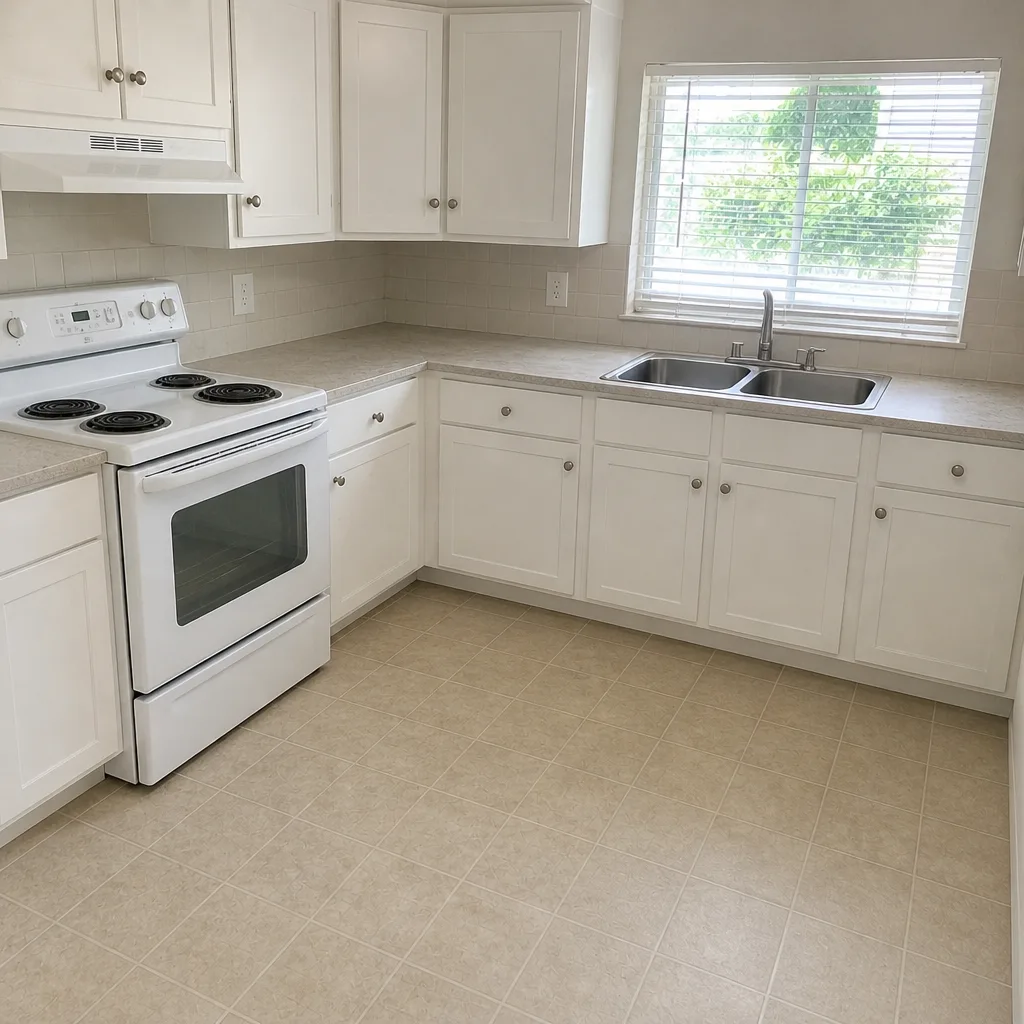 After
Frequently Asked Questions
October through March. That’s the dry stretch with the fewest rain delays, the best conditions for shingle and underlayment work, and the most accurate inspection conditions. Book by late summer, because the calendar fills quickly once the holiday backlog hits every trade.
You can inspect from the ground with binoculars, but don’t climb up. Roof work is a fall hazard, and a wet-season inspection done from the eaves misses plenty. A trained crew knows what to look for and can get on the roof safely to check shingles, boots, and flashing.
At least twice during the wet season and once in the dry season. Clear them in April before the first storms, again in mid-summer, and once more in October. Downspouts that back up push water to the foundation, and that’s where repair bills start.
It’s possible, but it’s the wrong time. Summer heat makes concrete cure too fast; pavers lay down cleaner in dry conditions. For any real concrete or paver project in Miami Gardens, schedule it for the dry season between October and March.
Often yes. Requirements vary by project and lot, and the safest habit is to have any licensed contractor answer that question before work starts. Every eligible job we take includes the permit pulled and the inspection signed, and you get the documentation in your file.
Dated photos of every storm walk-through, records of every repair and install with the brand and date, and every permit and inspection sign-off. That combination shows the home was maintained and gives an adjuster a clean record if you ever file a storm-damage claim.
By late summer for anything on the heavy trades. Roofing, concrete, and additions are the tightest. Book in August or September and you stand a real chance of getting on the schedule for October or November.
Walk the same route every time, photograph from the ground, and note anything new: stains, pooling water, loose panels, cracks. You don’t need to diagnose what you’re seeing. Document it, then bring it to a professional who can tell you what it means.
The Bottom Line
Miami Gardens doesn’t need a four-season maintenance plan. It needs two checkpoints and one working window. Button up in April and May before the first June system, watch closely through the wet months and after every storm, then put your real projects into the October-through-March window when the dry weather and the trade calendars both work in your favor. The most valuable piece of the whole system is the log: dated photos, repairs in writing, permits and inspections kept together. Do that, and a small problem stays a small repair instead of becoming a claim.
Barrett & Sons Construction Miami Gardens is happy to put a free estimate together for any of the work in this guide. Call (844) 797-8316 to schedule yours.
Written by the team at Barrett & Sons Construction Miami Gardens.