
Last updated November 17, 2026
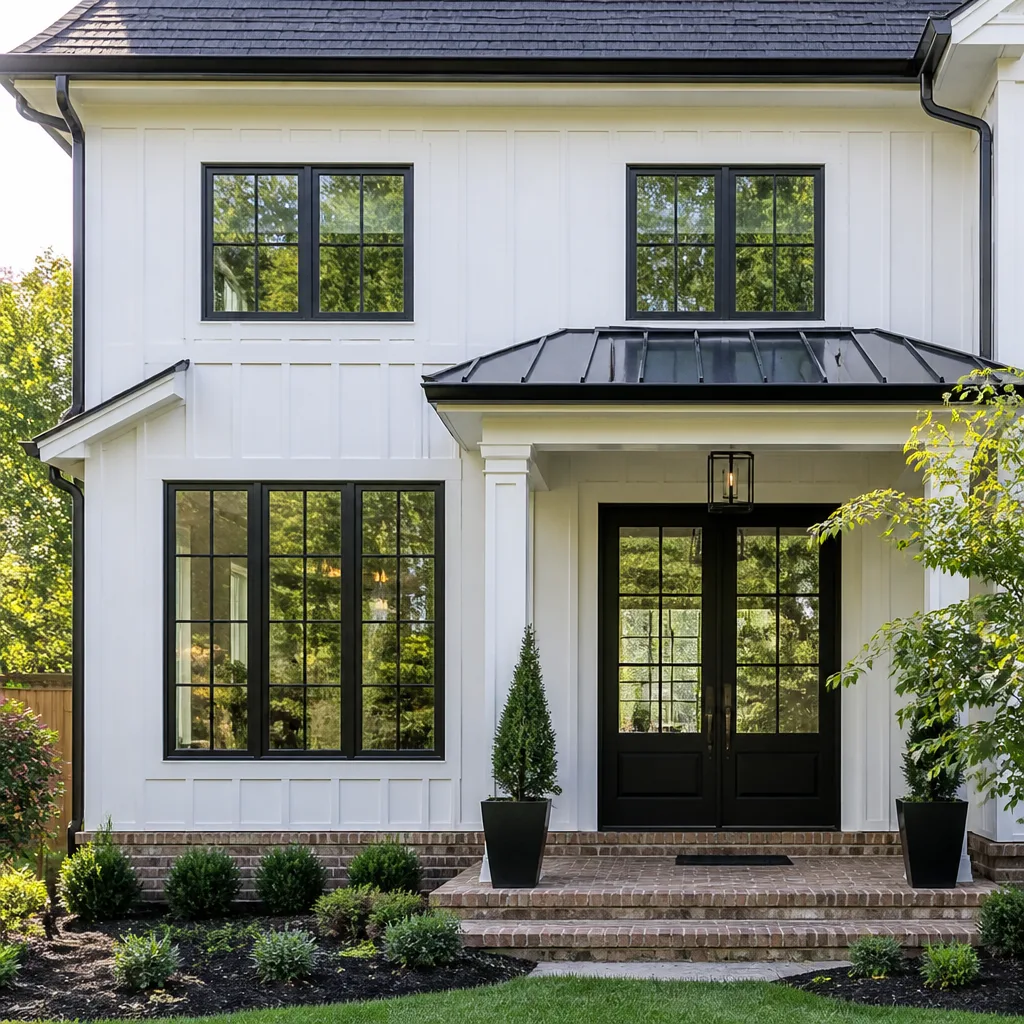 Windows & doors
 Kitchen remodeling
 Bathroom remodeling
 Home additions & ADU
 Roofing
 Driveway & pavers
 Fence
Free written scope consultation - allowances, timeline, and change-order rules on paper before a single trade is scheduled
Windows & Doors Troubleshooting: Common Problems and How to Fix Them
A window that’s hard to open in January and impossible to open in August isn’t swelling from rain. In Miami Gardens, it’s almost always a frame that’s shifted from thermal expansion, and the fix is completely different depending on whether the frame is wood, aluminum, or vinyl. Treat an aluminum slider like a wood double-hung and you’ll chase the wrong problem for years. We’ve watched homeowners replace perfectly good doors when the real culprit was a settled slab beneath them. This guide walks through the problems we see most in Miami Gardens homes, how to spot each one early, and how to judge what you can fix yourself versus what needs a trained crew.
Quick Answer
Most window and door problems in Miami Gardens come from three predictable forces: salt-air corrosion, thermal cycling between hot afternoons and cooler nights, and storm pressure against the building envelope. Foggy glass, sticking frames, doors that won’t latch, and peeling weatherstripping are early warning signs, not random failures. Fix the small signs early and you’ll avoid replacement costs; ignore them and the underlying frame or opening usually needs professional repair.
Styles & brands we work with
- Kitchen remodeling
- Bathroom remodeling
- Home additions & ADU
- Roofing
- Windows & doors
- Driveway & pavers
- Fence
Table of Contents
- Start With the Right Diagnosis
- Aluminum Frames: How Salt Air and Heat Show Up
- Vinyl Windows: UV Warping and What It Looks Like
- Wood Windows and Doors: Miami Gardens Humidity and Rot
- Doors That Drag or Won’t Latch: Door Problem or Framing Problem?
- Impact Window Seal Failures: Foggy Glass and Storm Protection
- Weatherstripping and Thresholds That Survive Salt Air
- Repair or Replace: A Straight Answer
Start With the Right Diagnosis
Before you buy a can of silicone or a new sash, identify what you’re actually looking at. In Miami Gardens, the same symptom shows up on very different window types, and the wrong diagnosis wastes money. Here’s how we sort it.
- Note when the problem happens. Morning only? Afternoon only? After a hard rain? Year-round? A window that sticks only in the heat points to frame movement. One that sticks after rain points to swollen wood or a failed seal.
- Look at the frame, not just the glass. White powdery buildup on aluminum, bubbled paint on wood, or a frame that’s no longer square tells you a lot about what’s moved.
- Test the latch, the lock, and the threshold. If the lock lines up but the door drags, it’s the door. If the lock no longer lines up, the opening has shifted.
- Check for water intrusion signs. Stains on the sill, soft spots on the drywall below, or peeling paint on the interior trim.
- Write down what you find. When you call a contractor, that short list shortens the diagnosis and saves a trip charge.
If you’re already planning bigger changes to the opening, our team covers Barrett & Sons Construction Miami Gardens home with the full picture of what we handle. For most windows and doors, though, the first step is still diagnosis.
Aluminum Frames: How Salt Air and Heat Show Up
Aluminum windows dominate mid-century and 1970s-1990s homes across Miami Gardens, especially in neighborhoods closer to the coast and along busy corridors where salt spray drifts inland on easterly wind. Aluminum is a good material, but it doesn’t fail quietly. It gives you signs for years before it becomes a real problem.
Here’s what to look for and what each sign means:
- White powdery haze on the frame. That’s aluminum oxide, the metal reacting to salt and moisture. Wipe it and it returns. Left alone, it pits the frame and dulls the finish within a few seasons.
- Pitted surfaces, especially near the coast. Small dark pits in the metal mean the anodized or painted coating has given up. It’s cosmetic on the surface but weakens the frame over time.
- Screws that have rusted into the frame. Aluminum doesn’t rust, but the steel fasteners holding the frame do. When they rust through, the frame loses its grip on the wall, and the window starts to shift.
- Sticking sliders and windows that jump the track. Thermal expansion pushes aluminum frames slightly through the day. If the track is dirty or corroded, that slight movement turns into a jam.
- Condensation on the inside of the glass that won’t clear. On a single-pane aluminum window, this is expected in humidity. On a double-pane, it’s a seal failure (more on that below).
The fix depends on severity. Light oxidation can be cleaned and sealed. Rusted screws need to be replaced with stainless fasteners. Pitted frames or sliders that no longer track properly usually mean replacement is cheaper than repair. Aluminum windows are also where we see the most wear on impact units, since storm-rated frames take the brunt of wind pressure tests and every storm that brushes Miami Gardens adds a little fatigue.
Vinyl Windows: UV Warping and What It Looks Like
Vinyl is a popular retrofit choice in Miami Gardens because it insulates well and doesn’t react to salt the way metal does. But vinyl has one real vulnerability here: ultraviolet light. South Florida sun is genuinely harsher than most of the country, and lower-quality vinyl windows show their age in five to ten years.
Signs of UV-related vinyl failure:
- Sagging or bowing sashes. The frame softens in afternoon heat and gradually loses its shape.
- Yellowish discoloration. Not always a structural problem, but a reliable marker that the material is breaking down.
- Corners that pull apart. Look at the welded corners of the sash. Hairline gaps mean the weld is failing.
- Sticking tracks in the afternoon only. Thermal expansion is stronger in vinyl than aluminum, so if the window opens in the morning and jams by 4 p.m., it’s the material.
- Crumbling weatherstripping. UV destroys the foam gaskets faster than anywhere else in the country.
Quality vinyl holds up much better than the bargain-bin stuff. If you’re replacing, ask what UV stabilizer is in the compound and whether the frame is reinforced at the lock stile. We install Andersen and Marvin on most replacement jobs because they hold up under our sun and give you a brand you can look up. A cheap vinyl window that warps in six years is not a savings.
Wood Windows and Doors: Miami Gardens Humidity and Rot
Wood windows and doors in Miami Gardens contend with the opposite problem from vinyl. Wood doesn’t warp from heat, but it swells from humidity and rots where water pools. Older homes in and around neighborhoods like Andover and Bunche Park still have original wood units, and they reward a little attention with decades of service.
The most common failure points, in order:
- Bottom rails and sills. Water sits at the base. If the paint fails, the wood underneath absorbs moisture and begins to soften.
- Glazing putty around the panes. Old putty cracks and lets water behind the glass.
- Sill noses and drip edges. Once the sill nose rots, water wicks back under the frame and into the wall.
- Joints at the corner of the sash. Water enters at the joint, and the corner softens over a season or two.
- Bottom of exterior doors. Door bottoms take splash directly off the slab and are usually the first wood to go.
A soft spot you can press a screwdriver into is rot. Small areas can be repaired with epoxy consolidants and dutchman patches; larger areas, especially at the sill or the bottom third of a door, usually call for replacement of that component or the whole unit. The key here is not to paint over rot. Paint traps the moisture inside and makes the problem worse faster. If you see paint bubbling without a clear reason, dig into it.
Doors That Drag or Won’t Latch: Door Problem or Framing Problem?
This is the diagnosis that saves the most money. When a door in Miami Gardens starts dragging or won’t latch, the temptation is to call for a door replacement. Half the time, that’s the wrong call. The door itself is fine. The opening it sits in has moved.
Here’s how to tell the difference:
- Does the gap around the door look even? Close the door and look at the gap along the top, sides, and bottom. An even gap that’s just tight at the bottom = door problem. An uneven gap (top corner tight, opposite bottom corner wide) = the opening is out of square.
- Does the deadbolt line up? If the deadbolt used to slide home easily and now needs a shove, the door has shifted relative to the frame. If the striking plate is no longer centered in the hole, the opening has moved.
- Is the drag seasonal or constant? Seasonal drag often means humidity-related movement in the door or frame. Constant drag that gets worse over months usually points to foundation or framing movement.
- Check the floor for cracks or slope. A crack running toward the door corner, or a visible slope in the floor near the threshold, is a strong signal that the slab or the framing below has moved.
- Look at neighboring doors and windows. If two or three openings in the same wall are acting up, it’s almost certainly a building-movement issue, not a door issue.
What we do next depends on the answer. A dragging door with an even gap usually needs the hinges adjusted, the door trimmed slightly, or the threshold replaced. An out-of-square opening needs the frame re-shimmed and, if the movement is structural, a conversation about the foundation. Replacing the door when the problem is the opening just recreates the same problem in six months. If the movement is part of a bigger remodel, our Home Additions & ADU in Miami Gardens work often starts by stabilizing the openings before anything new goes in.
Impact Window Seal Failures: Foggy Glass and Storm Protection
Impact windows and doors are close to standard in Miami Gardens new construction and most remodels, and they’re excellent until the seal between the two panes of glass fails. That’s called a failed IGU (insulated glass unit), and the symptom is a cloudy, foggy, or streaky look between the panes that you can’t clean off.
How to identify a failed IGU:
- Fog or haze between the panes that shifts with the temperature and doesn’t wipe away from either side.
- Water droplets or streaks inside the glass cavity. This is a full seal failure, not condensation on the room-side surface.
- A visible dark or discolored edge band along the perimeter of the glass where the seal has broken down.
- Condensation on the inside of the glass in cool, dry weather (a rare but real Miami Gardens sign, since it usually shows up after a cold front).
Here’s the part that matters for storm protection. Impact glass gets its strength from laminated glass construction and the frame, so a failed IGU doesn’t immediately mean the window will fail in a storm. But the seal failure lets moisture into the frame, which degrades the fasteners and the perimeter seal over time. It also cuts the insulation value and can allow mold growth inside the cavity. In our experience, this is not a DIY repair. The glass unit needs to be ordered to spec, the frame needs to be inspected for water intrusion, and the unit needs professional reinstallation to keep the impact rating intact.
If you’re seeing foggy glass on multiple units in the same house, it’s a sign the windows are at end of life as a set, not just the individual panes. That’s a good moment to look at a full replacement rather than chasing single units.
Weatherstripping and Thresholds That Survive Salt Air
Weatherstripping is the cheapest part of the whole system and often the first to fail. In Miami Gardens, salt air and UV destroy low-grade foam and cheap vinyl gaskets within two years. The wrong replacement choice means you’re doing it again in 24 months.
What holds up here and what doesn’t:
- Holds up: Silicone bulb gaskets, EPDM rubber seals, and bronze or stainless spring-metal weatherstripping. These handle UV and salt.
- Holds up: Solid aluminum or bronze door sweeps with a replaceable rubber insert.
- Holds up: Adjustable saddles and threshold plates on exterior doors.
- Fails fast: Foam tape weatherstripping. UV destroys it in a single summer.
- Fails fast: Cheap vinyl bulb seals from big-box stores. They harden and crack within a year or two.
- Fails fast: Fixed (non-adjustable) thresholds on doors that see heavy use.
The fix for worn weatherstripping is straightforward and doesn’t require a contractor. Pull the old strip, clean the channel, install new silicone or EPDM gasketing, and adjust the threshold so the door just kisses the sweep. That job usually costs under $100 in materials and pays back in lower cooling bills. When the seal fails at the threshold because the door has dropped or the slab has shifted, that’s when it becomes a contractor job, because no amount of weatherstripping fixes an out-of-square door. On driveways and slabs, our Driveway & Pavers in Miami Gardens work often solves the water-pooling that feeds door-sill rot in the first place.
Repair or Replace: A Straight Answer
Most homeowners get a hard sell on replacement when repair is the right answer, or a shrug when replacement is overdue. Here’s how we draw the line.
Repair is the right call when:
- The problem is weatherstripping, a lock, a threshold, or a single hardware piece.
- The frame is sound and the glass is intact except for one failed IGU in an otherwise good window.
- The door drags from humidity swelling, not from movement in the opening.
- Rot is localized to a small area that can be epoxied or patched.
- The window was installed recently and the manufacturer warranty may still cover the issue.
Replacement is the right call when:
- Multiple units in the same wall show fogged glass, warped frames, or failed corners.
- The frame itself has pitted through or lost structural integrity.
- Water intrusion is showing up on interior drywall or trim below the opening.
- The opening is out of square and the door or window won’t stay adjusted.
- You’d be spending more than half the replacement cost on repairs within a two-year window.
If it’s a close call, get a free second opinion on any written estimate before you sign. We offer that as a standing offer, no strings attached. And if you need replacement of fence lines, gates, or fencing around a door the wind has taken down, our Fence Installation in Miami Gardens page is where that conversation starts.
Common Mistakes to Avoid
- Caulking over a leak without finding the source. Caulk traps water on the wrong side of the wall assembly and accelerates rot. Find the entry point first.
- Painting over wood rot. Fresh paint over soft wood hides the problem for a month and makes it worse for a year. Probe with a screwdriver before you paint.
- Replacing a door when the opening has moved. If the gap is uneven around the door, the door was never the problem. New door, same headache.
- Ignoring foggy glass on impact windows. A failed IGU on an impact unit isn’t just cosmetic. It lets moisture into the frame and degrades the storm protection over time.
- Buying cheap foam weatherstripping. In Miami Gardens, it fails in a single summer. Pay for silicone or EPDM once.
- Forcing a sticking window with a shoulder. You can crack the glass or bend the sash. Fix the track or the frame instead.
- Letting a contractor skip the permit on window or door replacement. Miami-Dade County requires permits on most window and door replacements, especially impact-rated units, because they change the building envelope. A contractor who tells you the permit is optional is putting you at risk when you sell or insure the house.
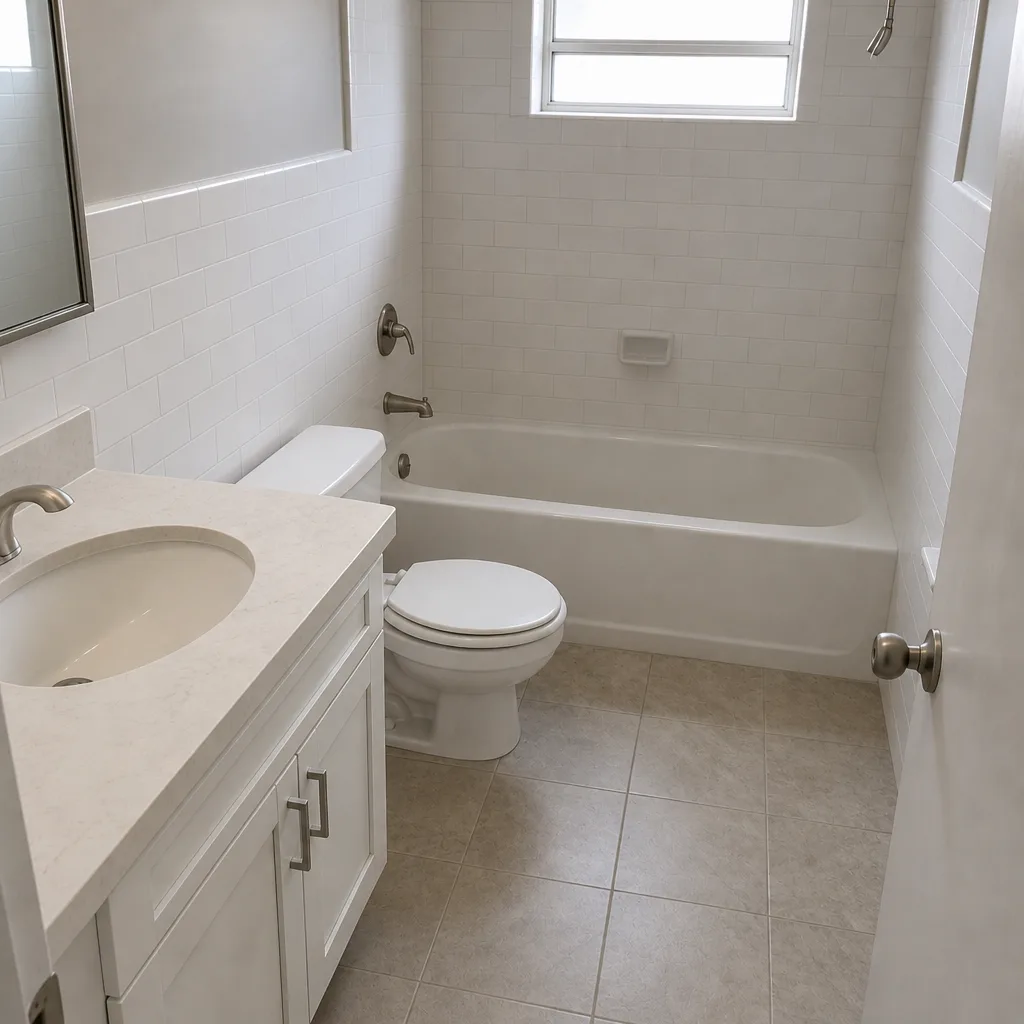
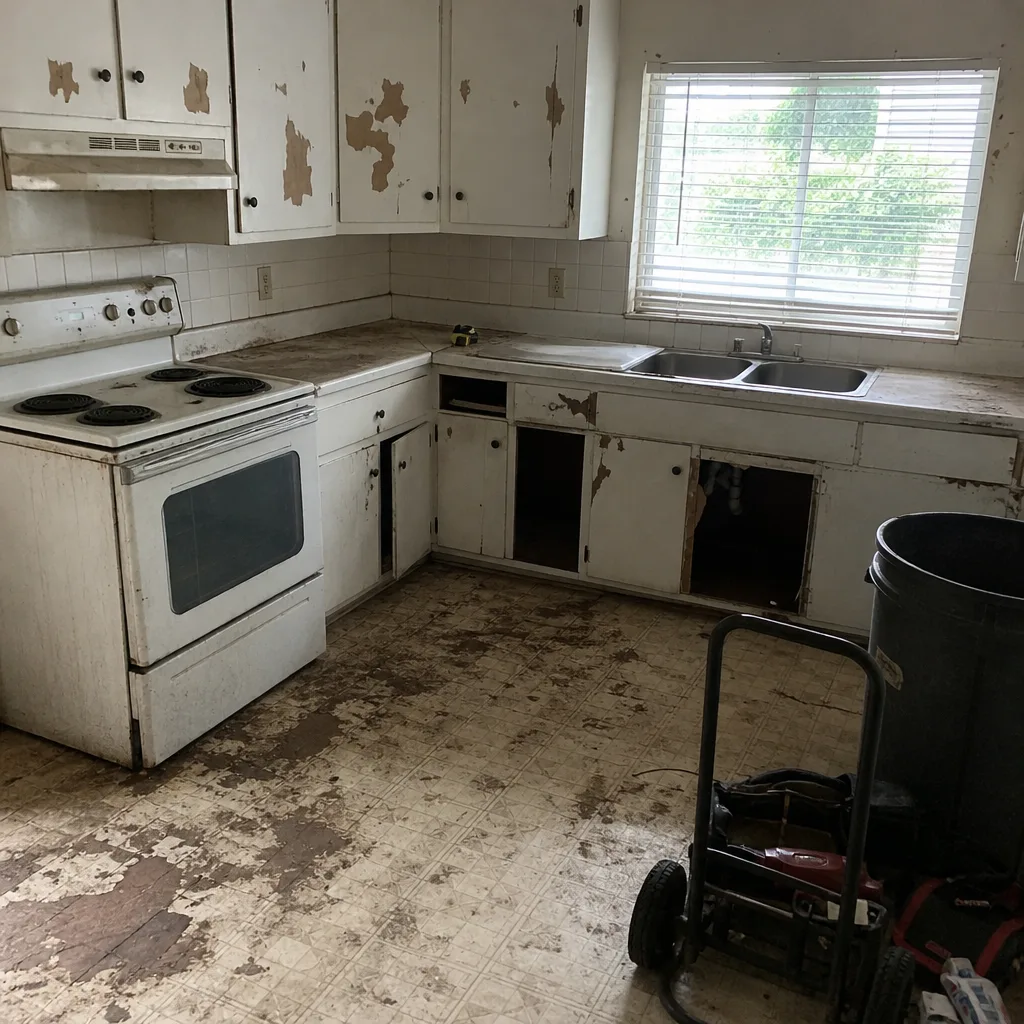
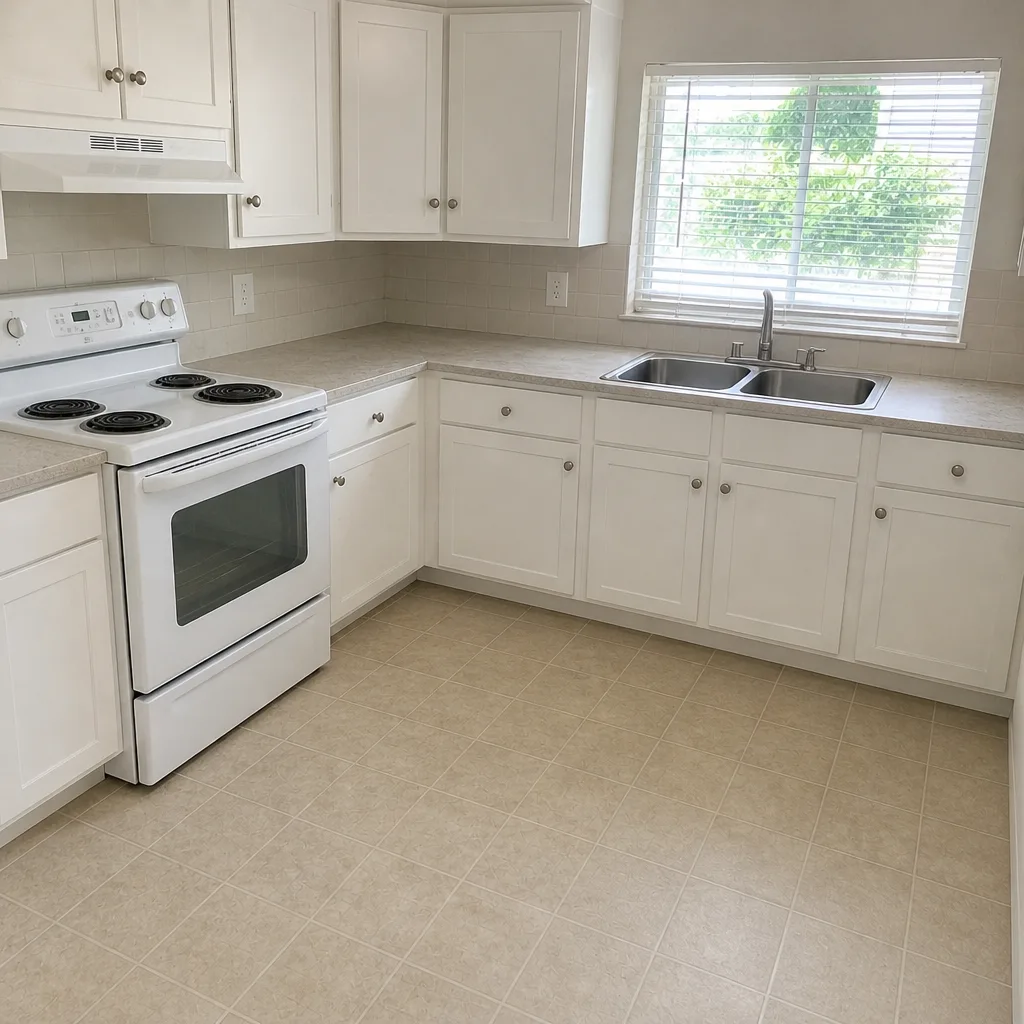
See the difference
 Before
 After
 Before
 After
 Before
 After
When to Call a Professional
Call a trained crew when the problem is behind the wall or above your head, not on the surface. Fogged impact IGUs, out-of-square door openings, water intrusion showing up on interior drywall, structural rot at sills or door bottoms, or any sign that the building envelope has moved are all jobs for a licensed contractor. The safety line is real: windows and doors sit inside the structural envelope, and mistakes here show up as leaks and mold, not just misaligned latches. Barrett & Sons Construction Miami Gardens offers free estimates in Miami Gardens, pulls permits on every eligible job, and backs completed work with our written 90-Day Done Right Promise. Call (844) 797-8316 to schedule yours.
Frequently Asked Questions
Humidity and heat cause wood doors and frames to swell slightly, which closes the gap at the strike side or the bottom of the door. In Miami Gardens, this is normal seasonal movement, and it usually calls for a hinge adjustment, a small trim at the bottom, or a threshold adjustment, not a door replacement. If the drag is constant and getting worse, it’s a different problem (likely the opening moving). Call (844) 797-8316 for a free estimate and we’ll look at the gap pattern before recommending anything.
Sometimes. Most insulated glass units carry a manufacturer warranty on the seal, typically 5 to 20 years depending on the brand. Andersen and Marvin both have published seal warranties, and we recommend keeping your paperwork or looking up the model number before calling. If the window is out of warranty, an IGU replacement is still cheaper than a full window, and it keeps the impact rating intact when it’s done right. Call us for a free second opinion on any written estimate you’ve already received.
Light white oxidation can be cleaned with a mild acid wash and sealed with a clear coating, which is a reasonable homeowner job. Pitted frames, rusted fasteners that have eaten into the frame, and sliders that no longer track cleanly are beyond a homeowner fix. Those need new hardware or a full replacement. If you’re not sure which category you’re in, take a photo and call (844) 797-8316.
Repairs vary widely by type. Small hardware and weatherstripping fixes are often under $200. A single IGU replacement on an impact window usually runs several hundred dollars per unit depending on size and brand. Full window or door replacement is a different budget tier and depends on the opening, the material, and whether permits are needed. We offer written line-item quotes with no change orders after the fact, and we honor $40 Off Any Repair Over $200 plus a permanent 10% Senior & Veteran discount. Call for a free estimate.
Yes. Miami-Dade County requires permits on most window and door replacements, especially impact-rated products that change the building envelope, and we pull the permit and pass the inspection on every eligible job. The permit inspector works for you, not for us. If a contractor tells you the permit is optional, that’s a reason to keep looking. Call (844) 797-8316 to talk through your specific job.
It comes down to how much of the wood is compromised. Small areas of rot can be dug out, hardened with epoxy, and patched. If more than about a third of the sash, sill, or door bottom is soft, replacement of that component is usually the better long-term spend. Paint bubbling without an obvious cause is an early sign to probe and find out which lane you’re in. Our crew can look at it and give you a straight answer in a free estimate. Call (844) 797-8316 to schedule.
The Bottom Line
Windows and doors in Miami Gardens fail in predictable ways: salt-air corrosion on aluminum, UV warping on vinyl, humidity rot in wood, settled openings behind dragging doors, and failed IGU seals on impact glass. Each one has an early warning if you know what to look for, and most cheap repairs are genuinely homeowner jobs. The expensive ones – frame movement, failed IGUs, sill rot, and out-of-square openings – need a licensed contractor who pulls the permits and stands behind the work. Diagnose before you buy, and fix the small signs before they become a replacement. The kitchen and bath brands homeowners ask about most (KraftMaid, Cambria) tell you we hold to a standard that doesn’t cut corners on the envelope either.
Barrett & Sons Construction Miami Gardens has spent 28 years’ worth of our technicians’ combined experience on homes across South Florida, and we bring the same approach to windows and doors that we do to a full remodel: scope in writing, allowances in writing, change orders in writing. If you’re staring at a window or door problem and want a straight answer from someone who’ll show up, call (844) 797-8316 for a free estimate.
Written by the team at Barrett & Sons Construction Miami Gardens.