
Last updated November 17, 2026
 Fence
 Kitchen remodeling
 Bathroom remodeling
 Home additions & ADU
 Roofing
 Windows & doors
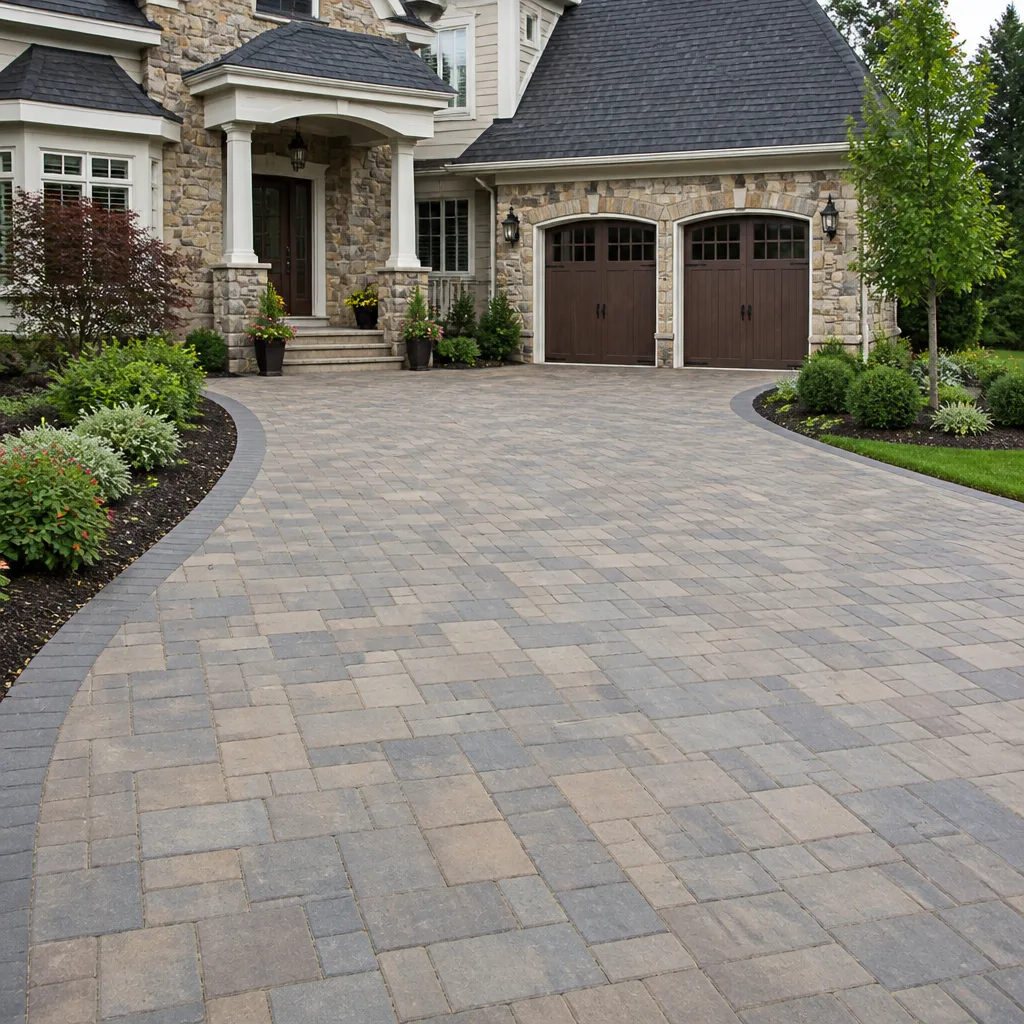 Driveway & pavers
Free written scope consultation - allowances, timeline, and change-order rules on paper before a single trade is scheduled
Fence Installation Troubleshooting: Common Problems and How to Fix Them
A leaning fence post in Miami Gardens is almost never a wind problem. It’s usually a post that was set in soil that wasn’t tamped correctly, and the lean will come back six months after any fix that doesn’t address the base. That’s the frustrating part about fence trouble in South Florida: the failure you see on the surface is rarely the failure you need to fix. We’ve walked hundreds of fence lines across Miami Gardens and the surrounding towns, and the same handful of root causes keep showing up. This guide is built problem-first, so you can figure out what you’re actually looking at before you spend a dollar. You’ll learn how to diagnose a leaning post, why alkaline soil eats wood at grade, how to tell cosmetic rust from structural corrosion, and the questions that separate an honest repair assessment from a replacement pitch.
Quick Answer
Most fence problems in Miami Gardens come down to four root causes: posts set too shallow or in poorly tamped soil, wood that wasn’t rated for ground contact rotting at grade, fasteners that can’t handle salt air, and drainage that keeps the post base wet year-round. Diagnosing which failure you have determines whether you fix a single panel, reset one post, or rebuild a section. Throwing a new picket on a rotten post base is the most common waste of money we see.
Styles & brands we work with
- Kitchen remodeling
- Bathroom remodeling
- Home additions & ADU
- Roofing
- Windows & doors
- Driveway & pavers
- Fence
Table of Contents
- Why is my fence post leaning?
- Why does wood rot so fast at ground level in Miami Gardens?
- How do I tell surface rust from structural corrosion?
- What do wind-driven rain, standing water, and impact damage each look like?
- How do I get an honest repair assessment?
- Fence repair vs. full replacement: which makes sense?
- Installation mistakes that cause 90% of later repairs
Why is my fence post leaning?
A leaning post is a symptom with four possible causes, and each one takes a different fix. Before you grab a shovel, work out which one you have. If you reset a post without addressing the real cause, the lean returns – sometimes within a single wet season.
- Concrete failure. The concrete collar around the base cracked, heaved, or was never poured deep enough. Hairline cracks radiating from the post are the giveaway. The fix is to dig out the old collar and repour, not to brace it.
- Insufficient depth. Many fences get set 18 to 24 inches deep when they needed more, especially for a 6-foot privacy fence. A shallow post has nothing holding it against lateral load. This one requires a full reset with a deeper hole.
- Soil saturation. Miami Gardens sits on soil that holds water after heavy summer rain. When the ground around a post stays soggy, the soil loses bearing capacity and the post starts to walk. Look for dark, spongy dirt at the base.
- Post rot at grade. The wood is failing right where it meets the soil. Push a screwdriver into the post about an inch above grade. If it sinks easily, the wood is gone and no amount of bracing will hold it.
Here’s what most homeowners miss: a post can show two of these at once. A post with a shallow hole in soggy soil is going to lean no matter how straight you set it today. That’s why our Fence Installation in Miami Gardens crew digs to depth and checks drainage before a single bag of concrete gets opened. If you’re already leaning, it’s worth knowing whether a spot repair will hold or whether you’re looking at a section rebuild.
Why does wood rot so fast at ground level in Miami Gardens?
South Florida soil runs alkaline, and that chemistry speeds up the breakdown of wood fibers, even in lumber that’s rated for ground contact. Add year-round warmth and heavy summer rain, and the zone right at the soil line becomes a rot factory. Pressure-treated lumber rated for ground contact is still the right material, but the realistic lifespan for a post in Miami Gardens soil is often shorter than the rating suggests – think 10 to 15 years of solid service on a well-set post, and noticeably less on one where water pools at the base.
The pattern we see most often: the post is fine at eye level and soft an inch above grade. Rot starts at ground level and works up and inward, so a visual check of the pickets won’t catch it. Here’s a simple check you can do yourself.
- Probe the post with a screwdriver about an inch above the soil line. Soft resistance means rot.
- Look for a dark waterline stain on the post where wet soil sits against it.
- Check whether the base sits in a low spot where rain collects.
- Look at the concrete collar. If the post meets soil rather than concrete, water sits right against the wood.
The fix for a rotted post is replacement, not treatment. Wood hardeners and paint-on preservatives slow the visible decay but don’t restore structural strength. When we set posts in Miami Gardens, we set them so the concrete collar sheds water away from the base instead of trapping it. If you’re planning a fresh install, our Driveway & Pavers in Miami Gardens crew often coordinates grading at the same time, so water moves away from the fence line instead of under it.
How do I tell surface rust from structural corrosion?
Not all rust is equal. Surface oxidation is cosmetic and fixable. Structural corrosion means the fastener has lost enough metal that it can no longer hold the fence together under wind load – and in Miami Gardens, wind load is not a theoretical concern. Here’s how to tell them apart:
- Surface oxidation: a light orange film on the surface of the screw or bracket. Wire-brush it off and the metal underneath is solid. This is fixable.
- Structural corrosion: pitting, flaking, or a fastener that snaps or strips when you test it with a screwdriver. The metal has lost its cross-section. Replace it.
- Galvanic staining: dark staining around mixed-metal fasteners, often where stainless meets galvanized. This is a red flag for hidden corrosion.
- Hidden corrosion at the hinge or bracket: swing gates and gates in strong wind are the first place to fail. Wiggle the gate. Any give at the hinge means the fastener is compromised.
Salt air accelerates all of this. Even well inland, Miami Gardens sees enough humidity to chew through cheap electro-galvanized screws. We use hot-dip galvanized or stainless fasteners on the fences we install, because the difference in lifespan is measured in years, not months. One wire-brush and a hardware store run will fix surface oxidation. Structural corrosion is the one that quietly takes a fence offline in the first real storm.
What do wind-driven rain, standing water, and impact damage each look like?
Panel damage has a fingerprint. Wind-driven rain, standing water, and impact each leave a different pattern, and each one calls for a different repair.
Wind-driven rain
Lifted or broken fasteners at panel corners, pickets bowed in one direction, and stain lines on the leeward side of the panel. Wind-driven rain on a 40 mph summer squall is one thing; sustained tropical wind is another. What it legitimately requires is re-securing the panel and checking every fastener on the run, not a full rebuild.
Standing water
Swelling at the base of pickets, rot concentrated at the bottom rail, and delamination on composite or wood panels. Standing water is a drainage problem, so the fix is often a base-and-drainage correction, not a panel swap. If your yard pools at the fence line, the fence will keep failing until the water moves.
Physical impact
A clean break line, a smashed picket or two, and localized post damage with the rest of the run intact. That’s genuinely a spot repair unless the impact cracked the post collar. This is where a lot of homeowners get sold a full replacement they don’t need – a broken picket from a storm-blown limb is a $100-ish fix, not a new fence.
What each of these has in common: the repair has to match the failure. Put a new picket on a wind-damaged panel without checking the fasteners and the next gust takes it off. Our crews treat each panel as a diagnostic – the pattern tells you what the fence needs.
How do I get an honest repair assessment?
Ask direct questions and listen for whether the answers point at your actual fence or at a sales target. A good contractor will walk the line with you, put a screwdriver to the post base, and tell you plainly which sections need repair and which are solid. The questions that separate one from the other:
- “Show me where the issue is.” A contractor standing on the fence line pointing at the actual failure is a different conversation than one who quotes a replacement from the driveway.
- “Which sections are still good?” An honest assessment will identify the specific panels or posts that need work, not a blanket rebuild.
- “Is the post base failing or the post itself?” These have different fixes, and a contractor who can’t distinguish them is guessing.
- “What would you do if this were your fence?” The answer should be concrete – repair this panel, reset that post, replace that hinge – not a sales pitch.
- “Put it in writing.” Every scope, allowance, and price should arrive in writing before any work begins. At Barrett & Sons, every price change arrives as a written change order before a nail moves, because the allowance that isn’t on paper is a surprise waiting for a date.
One more: ask for a second opinion on any written estimate you already have. It’s a free service we offer for exactly this reason. A quote that jumps from repair pricing to full replacement without an inspection is worth a second look. And we’re local – I live twenty minutes away; if something’s wrong, I want to know about it. Reach us any time at (844) 797-8316. A live person answers, day or night.
Fence repair vs. full replacement: which makes sense?
The general rule we use: if two or more posts in a run are failing at the base, or if you have three or more rotted sections, the economics tip toward replacement. If one post is leaning and the rest of the run is solid, repair is the honest answer. Here’s how to think about the decision.
- One post failing: reset the post. A spot repair is the right call unless the concrete collar is cracked or the post is rotten.
- Two or more posts with base rot: the run is failing structurally, and panel repairs on a failing frame won’t survive a wet season. Replacement of that section makes more sense.
- Fastener corrosion across a whole run: if you’re pulling and replacing every screw, you’re essentially rebuilding the fence. New fasteners on decayed wood buy you time, not a solution.
- Impact damage only: replace the damaged pickets and posts and leave the rest alone. This is the repair homeowners most often get talked out of.
If your fence has more than a third of its sections at failure, it’s worth pricing a full install honestly against the repair tally. We’ll show you both numbers line by line, and the decision is yours. That’s the whole point of a written estimate.
Installation mistakes that cause 90% of later repairs
Most fence problems in Miami Gardens aren’t weather accidents. They’re the predictable result of shortcuts taken during installation that show up six months to three years later. Here are the specific ones we see most often:
- Setting posts too shallow. A 6-foot fence needs posts set well below the frost-free depth, and in our soil, once you account for saturation, the hole has to be generous. Shallow posts lean after the first big rain.
- Not tamping the concrete properly. Concrete needs to be consolidated around the post with no voids, or the first wet season finds them. A hollow-sounding collar is a failed collar.
- Using lumber not rated for ground contact. Ground-contact rated pressure treatment is the minimum for a post. Anything else is rot on a timer.
- Cheap fasteners. Electro-galvanized screws rust out in Miami Gardens humidity well before the wood is spent. Hot-dip galvanized or stainless is the right call.
- No drainage plan. Capping the concrete high on the post or setting it in a low spot traps water where rot starts. Certified installers grade the base to shed water away.
- Skipping the permit. Fences above a certain height or in certain setbacks need a permit and an inspection, and an unpermitted fence becomes a problem when you sell or when a neighbor disputes the line. We pull permits and pass inspections on every eligible job – the permit inspector works for you, not for me. That’s why I like him.
If you’re weighing a fresh install, the same rules apply to any fence material. Our Home Additions & ADU in Miami Gardens team sees fence-line grading and setbacks the same way we see a foundation – get it right at the start. You can also start from our Barrett & Sons Construction Miami Gardens home page to see the full picture of how we work.
Common Mistakes to Avoid
- Treating the symptom, not the cause. Straightening a leaning post without checking the base is the most common mistake we see in Miami Gardens. The lean returns.
- Painting over rot. A fresh coat of paint hides the problem and speeds up the decay by trapping moisture. Probe the wood before you paint.
- Replacing a panel on a failing frame. A new panel on a rotten post is money thrown at the wrong problem. Fix the frame first.
- Ignoring cheap fasteners. Rusty screws that have lost their cross-section are a wind-failure waiting to happen. Replace them with galvanized or stainless.
- Skipping the permit because it’s “just a fence.” Height and setback rules in Miami Gardens apply, and unpermitted work becomes a headache at sale. Pull the permit.
- Accepting a verbal scope. If the repair scope isn’t written down, the invoice at the end is a guess. Ask for a written estimate with a line-item scope.
See the difference
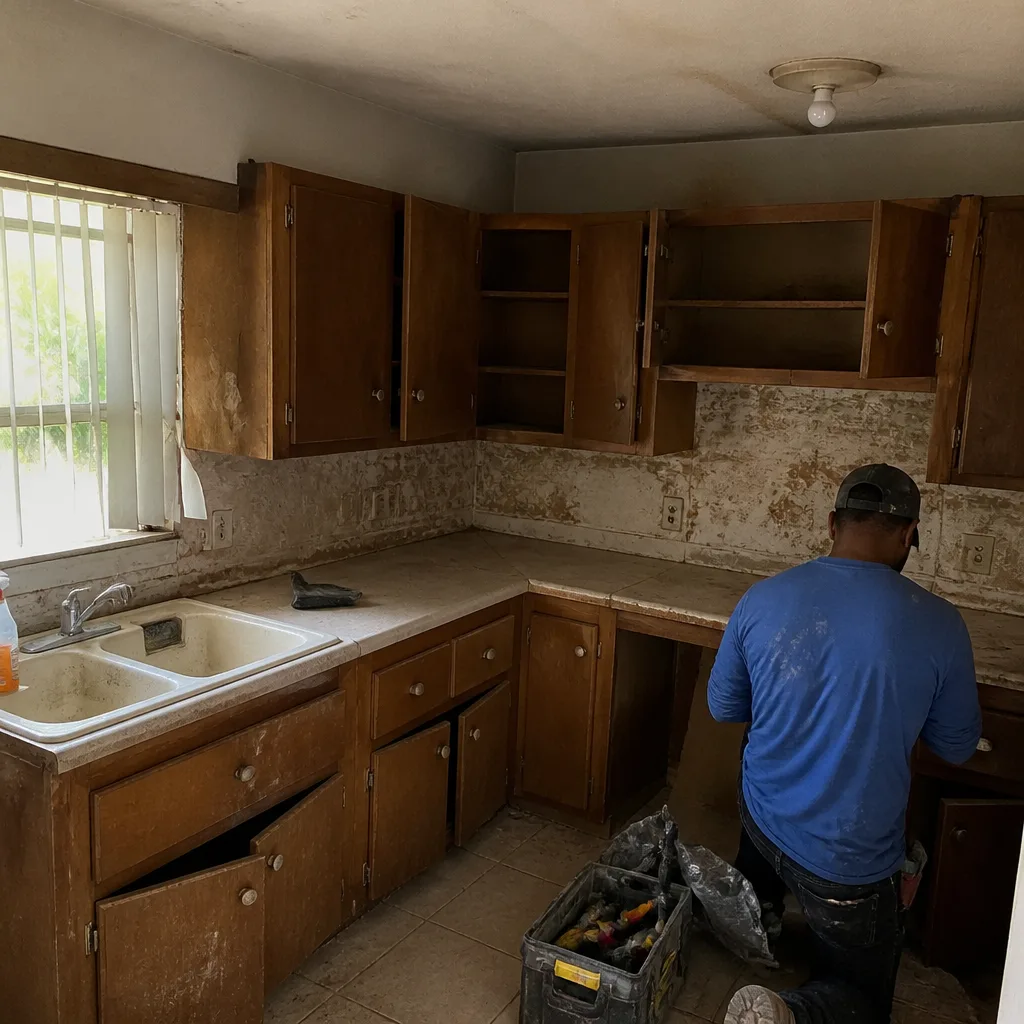 Before
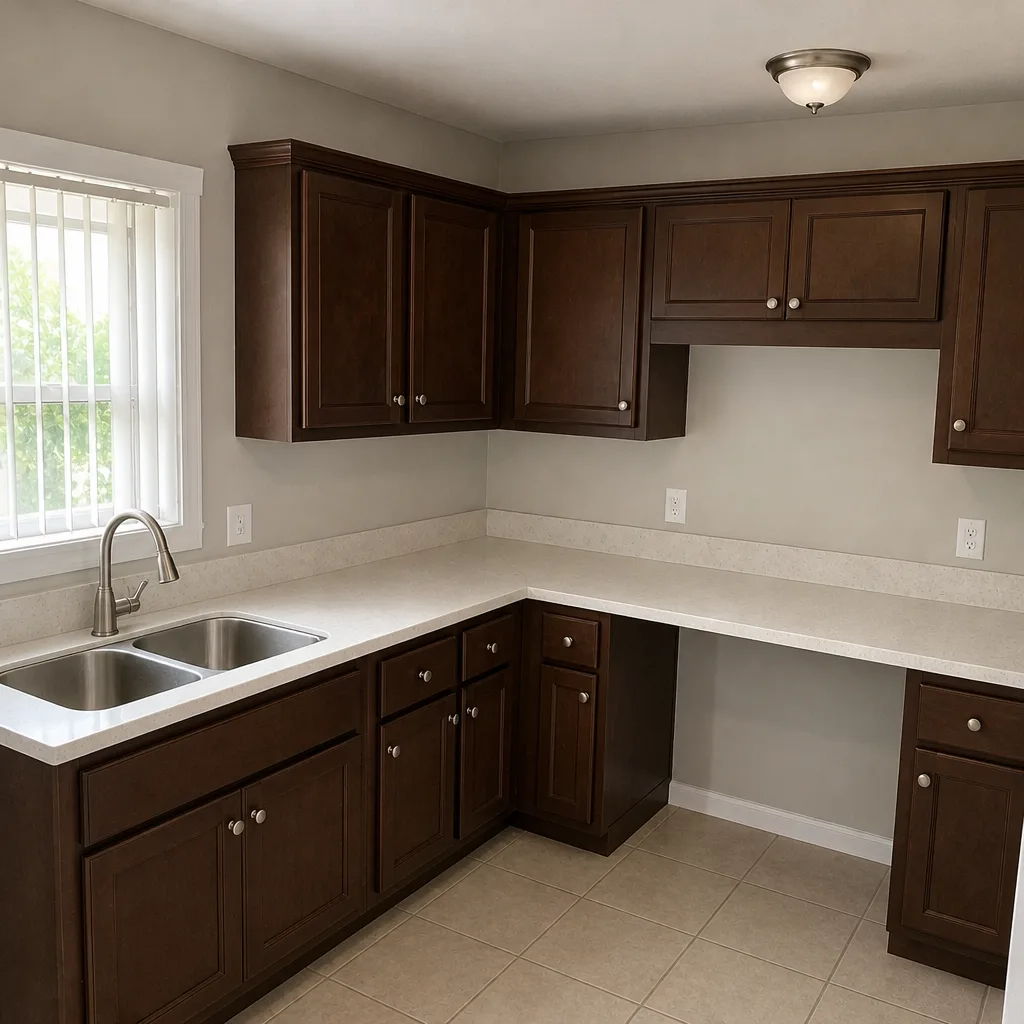 After
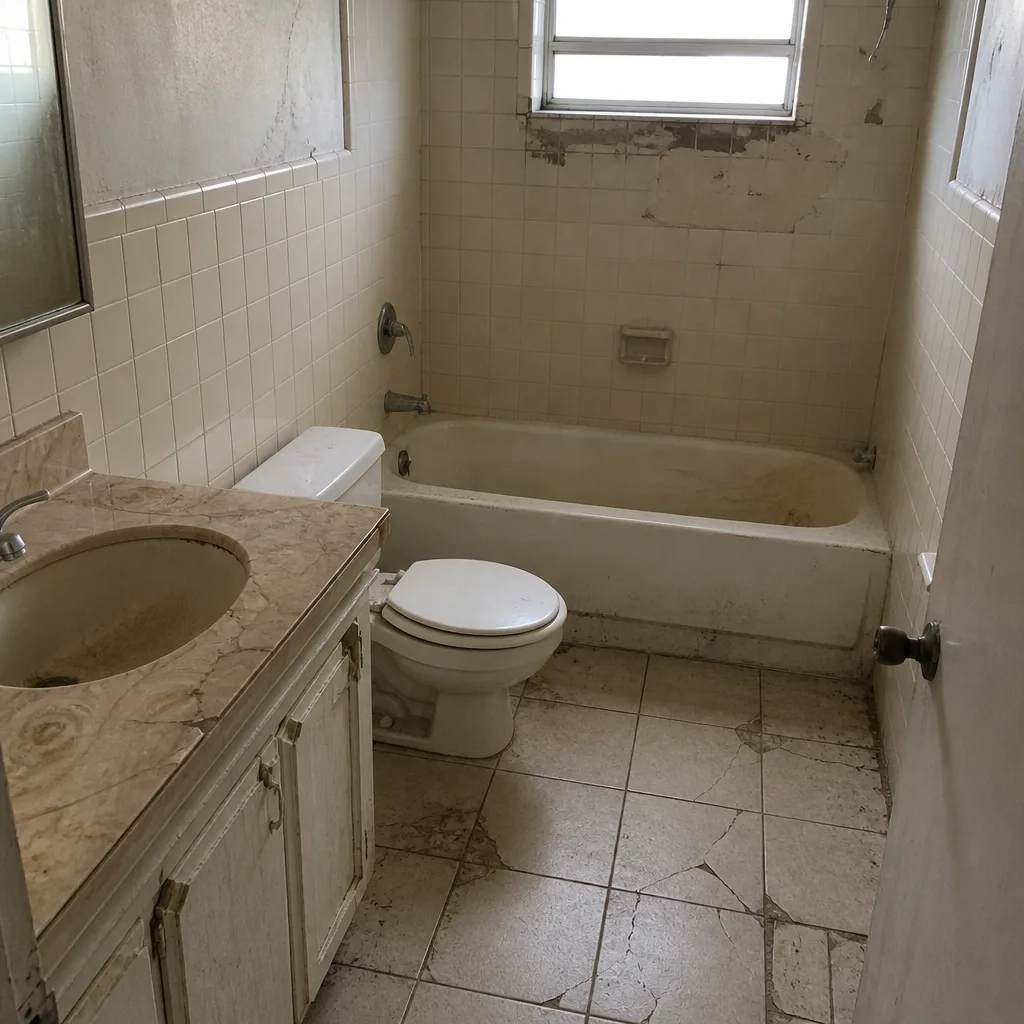 Before
 After
 Before
 After
When to Call a Professional
Call a professional when a post has failed at the base and needs resetting – that’s a job for a trained crew, not a weekend project, because a post that’s set wrong the second time is harder to fix than the first. Call when two or more sections are failing and you’re weighing repair against replacement, when a gate is sagging from structural corrosion at the hinges, or when a permit is required and someone needs to pull it and pass the inspection. And call if you’ve had a quote for a full replacement and want a second look before you commit. Barrett & Sons Construction Miami Gardens offers free estimates in Miami Gardens – call (844) 797-8316 to schedule yours. We write the scope in writing, and every eligible job comes with permits pulled and inspections signed. If it’s not done right, one call brings us back.
Frequently Asked Questions
Resetting a single post typically runs a few hundred dollars, and a spot repair on one or two damaged panels lands in a similar range. Full section replacement runs higher because it involves new posts, panels, and fasteners. The honest answer is that pricing depends on whether the base is the problem or the whole section is – a written line-item estimate will tell you exactly. Call (844) 797-8316 for an exact quote – estimates are free.
Usually, yes. A single leaning post with an intact frame is a spot repair – dig out the old collar, reset the post deeper, and repour. The exception is when two or more posts in the same run are failing at the base, because at that point the frame is the problem, not the post.
It’s almost always about where the water goes. A fence line in a low spot, a post set without a proper concrete collar, or wood that wasn’t rated for ground contact will rot years before a neighbor’s fence on better-drained ground. Alkaline Miami Gardens soil speeds this up.
It depends on height, setback, and whether the fence is a repair or a fresh install. Many repairs don’t require a permit, but new installations above a certain height do, and the rules vary by lot. The safe move is to ask before you build – we pull permits and pass inspections on every eligible job.
Not without a written change order you sign first. Every scope, every allowance, and every price change arrives in writing before any work moves forward. No surprise invoice at the end.
If the metal is solid under the surface rust, wire-brush it and you’re fine. If the fastener snaps or strips when tested, it’s structurally compromised and needs replacing. When in doubt, have it looked at – a failed hinge on a gate is a wind accident waiting to happen.
The Bottom Line
Most fence trouble in Miami Gardens is predictable: shallow or poorly tamped posts, wood that wasn’t rated for ground contact, cheap fasteners, and drainage that keeps the base wet. Diagnose which failure you have before you spend money, because fixing the symptom on a failing base is the waste we see most. If one post is leaning and the frame is solid, repair it. If two or more posts are failing, price a replacement honestly against the repair tally. Put every scope in writing, pull the permit, and check the fasteners before the next storm. Call (844) 797-8316 to schedule your free estimate, and we’ll walk the line with you.
Written by the team at Barrett & Sons Construction Miami Gardens.