
Last updated November 17, 2026
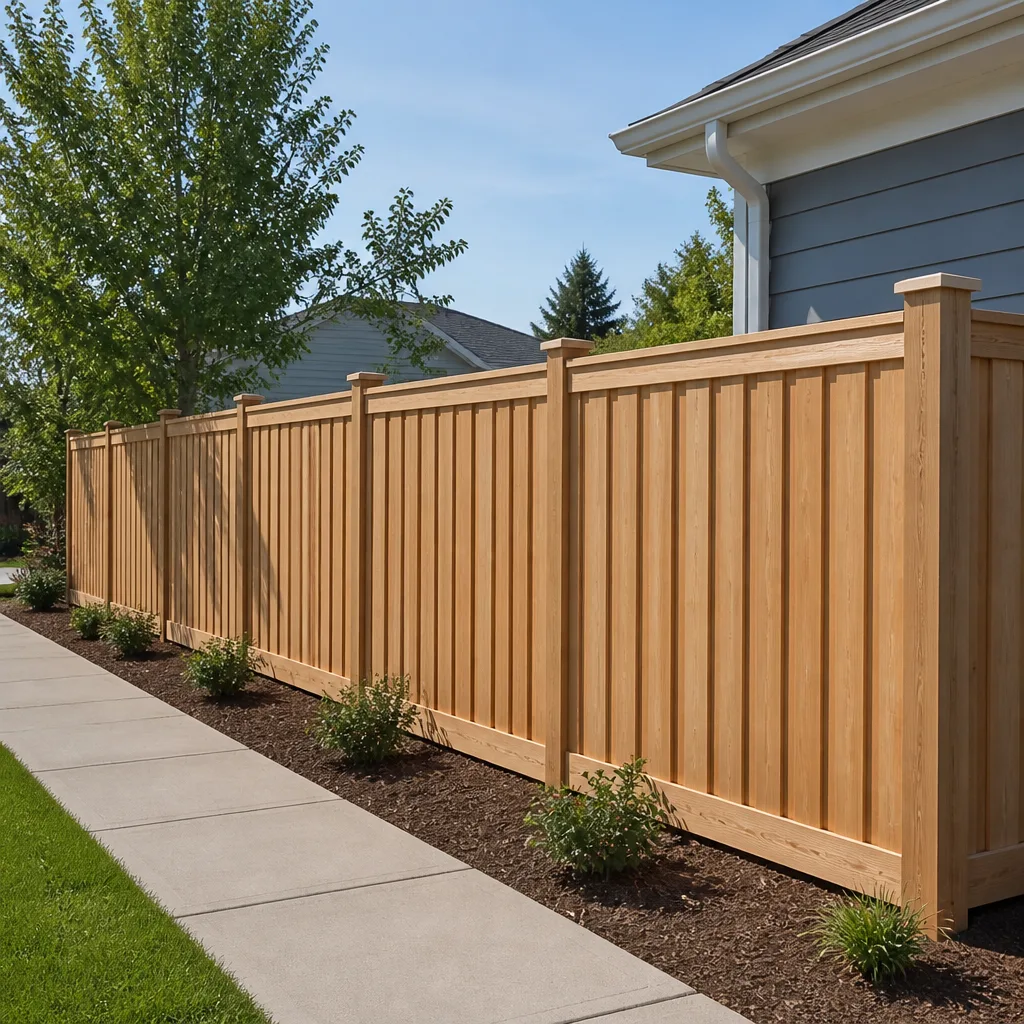 Fence
 Kitchen remodeling
 Bathroom remodeling
 Home additions & ADU
 Roofing
 Windows & doors
 Driveway & pavers
Free written scope consultation - allowances, timeline, and change-order rules on paper before a single trade is scheduled
Fence Installation Maintenance Schedule: What to Do and When
The most damaging six weeks for a wood fence in Miami Gardens aren’t during hurricane season. They’re the first six weeks of dry season, when the soil pulls away from the posts and opens the gaps that let water in during the next rain cycle. Most homeowners spend their fence budget washing and staining the boards everyone can see, and never look at the three spots where fences actually fail: the post base at grade, the hardware connections, and every unpainted cut edge. This guide gives you a season-by-season calendar built around Miami Gardens’ real weather, a 20-minute inspection routine, and the right order for cleaning, treating, and sealing so each step actually does its job.
Quick Answer
A wood fence in Miami Gardens needs a light inspection every season, a deep cleaning and reseal once a year before rainy season, and a hardware and post-base check after every named storm. Aluminum and vinyl fences need much less: a rinse and a hardware check twice a year covers almost everything. The work that matters most happens at the post base, the fasteners, and the cut ends, not on the flat surfaces facing the street.
Styles & brands we work with
- Kitchen remodeling
- Bathroom remodeling
- Home additions & ADU
- Roofing
- Windows & doors
- Driveway & pavers
- Fence
Table of Contents
- Why Miami Gardens Fences Age Differently
- The Three Highest-Failure Points (and a 20-Minute Inspection)
- The Season-by-Season Maintenance Calendar
- The Correct Sequence for Cleaning, Treating, and Sealing
- What Aluminum and Vinyl Fences Actually Need
- Documenting Your Fence for Warranty and Insurance Claims
- Common Mistakes to Avoid
- When to Call a Professional
Why Miami Gardens Fences Age Differently
Miami Gardens sits on ground that behaves nothing like the clay or loam most fence-maintenance advice was written for. We’re on sandy, fast-draining soil, and that cuts two ways. Water leaves the surface quickly after a downpour, which sounds like a gift. But it also means moisture moves straight down the post shaft and sits at the buried base, where the wood can’t dry. The top of the post looks fine while the bottom is softening.
Then there’s the rainy season, roughly June through October, when the ground stays saturated for weeks and the air holds enough humidity to keep exposed wood damp overnight. Follow that with the dry stretch from November into spring, when that sandy soil shrinks and pulls away from the posts, leaving a collar-shaped gap around every one. That gap is a funnel. The first hard rain of the season runs straight down it to the post base.
Heat adds a third pressure. Afternoon sun on a west-facing fence drives the surface temperature well above air temperature, and wood expands and contracts through that swing every single day. Fasteners work loose. Seams open. Cut ends that were never sealed soak up water like a straw. This is why a fence that looks solid from the street in Miami Gardens can have very little structure left below grade. A fence in a wet, moderate climate might give you 15 years. A neglected wood fence here is doing well to reach 10, and the failure is almost always at the base, not the boards.
The Three Highest-Failure Points (and a 20-Minute Inspection)
You can check the structural health of a fence in about 20 minutes with a flashlight, a screwdriver, and a garden hose. Walk the line and stop at every post. What you’re doing is looking for the problems that don’t show on the surface.
- Post base at grade. Clear the soil and mulch away from the base and look for the collar gap. Probe the wood just above the soil line with a screwdriver. If it sinks in easily or comes back with soft, stringy wood, that post has rot working from the inside. Check for a white or gray powdery look that means fungus, and for any post that rocks when you push it.
- Hardware connections. At each post, check the rail brackets, hinges, and gate hardware. Look for rust streaks, pulled screws, and gaps where the rail meets the post. A screw you can turn with your fingers is a screw that’s no longer holding. Gates take the most abuse because they swing, so check the hinge side first.
- Cut edges and end grain. Run your hand along the top rail and look at every board end. Unsealed end grain is where water enters, and once it’s in, the board swells and splits from the inside. On a fence we’ve built, every cut gets treated before it goes up. On a fence that’s been up a while, this is the first thing to fail.
Keep a simple log: date, post number, what you found, what you did. That record becomes your baseline the day you need it. If you’re planning a new fence rather than repairing an old one, our Fence Installation in Miami Gardens page covers materials and site prep.
The Season-by-Season Maintenance Calendar
Timing matters more than effort. Doing the right task in the wrong season in Miami Gardens wastes your weekend. Here’s how the year breaks down.
Late Winter to Early Spring (February to April): Prep Before the Rains
- Do your full 20-minute inspection now, while the ground is dry and the collar gaps are at their widest.
- Re-set or sister any post that rocks. This is the window to fix base problems before the ground saturates and hides them.
- Clean and reseal wood. Sealing on dry wood in moderate weather lets the finish penetrate and cure instead of trapping moisture.
- Tighten and replace hardware. Rusted screws get swapped now, not after a storm.
Rainy Season (June to October): Monitor and Protect
- After each heavy rain, check for standing water along the fence line. Pooling water at the base is the fastest route to rot.
- Watch for any post that starts to lean. Movement during the wet season signals a base that’s losing grip.
- Keep mulch and soil pulled back a couple of inches from the base so wood can dry between storms. Mulch banked against a post holds moisture right where you don’t want it.
- After any named storm, do the three-point inspection. Check for impact damage, loose rails, and hardware that took a hit from wind load.
Dry Season (November to January): Close the Gaps
- This is when that collar gap opens up. Fill it back against the post with native soil, not mulch, so water doesn’t funnel down the shaft.
- Touch up any sealer that wore thin over the wet season, especially on horizontal surfaces and cut ends.
- Re-check gate alignment. Wood movement over a wet-to-dry cycle knocks gates out of square, and a sagging gate drags and strains the hinges.
The exact task list varies by material and by how the fence was built, which is why we build a written scope before a single post goes in. If your property needs more than a fence, our Driveway & Pavers in Miami Gardens page shows how hardscape and fence lines get planned together.
The Correct Sequence for Cleaning, Treating, and Sealing
Most homeowners seal a fence too soon, over a dirty surface, in the wrong weather, and then wonder why the finish peels within a season. In South Florida humidity, sequence is everything. Get it out of order and the seal traps moisture instead of keeping it out.
- Clean first. Wash the fence with a pump sprayer and a mild cleaner, or a low-pressure washer kept moving. You’re removing dirt, mildew, and old flaking finish. In this humidity, mildew grows on the shaded north side fast, and sealer won’t stick to it.
- Let it dry completely. This is the step people skip. Wood needs several dry days to reach a moisture level where sealer can soak in. Sealing damp wood locks water inside and starts the rot you were trying to prevent.
- Treat any problem spots. Spot-treat mildew and soft wood at the base with a wood preservative before you seal anything over it.
- Seal the end grain and cut edges first. These absorb the most water and are the most overlooked. Get them coated before the flat faces.
- Seal the flat surfaces. Work in moderate weather, not in the heat of the day, and not when rain is due within a day. Follow the product’s recoat window exactly.
We’ve watched homeowners in Miami Gardens seal a fence in August and lose the finish by November. Same product, same fence, done in March: it holds. The weather window is the whole game.
What Aluminum and Vinyl Fences Actually Need
Homeowners who chose aluminum or vinyl are usually relieved to hear how little maintenance they’ve signed up for. But “low maintenance” isn’t “no maintenance,” and the things people skip are the ones that cause real trouble later.
For aluminum: rinse it a couple of times a year and check the fasteners and any powder-coat chips. A chipped coating exposes bare metal, and bare metal in South Florida salt air starts to pit. Touch it up. Check gate hinges and latches, and confirm posts are still plumb after storm season.
For vinyl: a rinse with a garden hose and a mild cleaner is most of the job. The skip that bites people is fastener and post-base check. Vinyl panels move in heat and cold, and the screws and post anchors take the load. Loose anchors let a panel rattle and eventually separate. Look for cracks at the post caps and ruts where water pools at the base.
What they don’t need: painting, staining, sealing, or yearly treatment. If someone tries to sell you an annual sealing package on a vinyl fence in Miami Gardens, ask what’s actually being sealed. There’s nothing to seal.
Documenting Your Fence for Warranty and Insurance Claims
After a storm, the difference between a smooth insurance claim and a fight is often a folder of photos you took months earlier. Fence damage claims get scrutinized, and an adjuster wants to know what condition the fence was in before the storm, not just after.
Build a simple annual record. Once a year, ideally in early spring:
- Photograph the full fence line from several angles, plus close-ups of the post bases, hardware, and gates.
- Note the date, what material the fence is, and roughly how old it is.
- Write down any repairs you made and any soft spots you found, even small ones.
- Keep receipts for sealer, hardware, and any paid repair work.
- Store copies of your installation paperwork and any warranty documents alongside the photos.
That record does two things. It shows a history of upkeep, which supports a warranty or insurance claim, and it gives you a baseline so you can tell whether a post has actually gotten worse or you’re just remembering it. If you’re rebuilding after damage, a properly permitted install matters as much as the photos. Our Home Additions & ADU in Miami Gardens page explains how permits and inspections work on property improvements, and the same discipline applies to fence work.
Common Mistakes to Avoid
- Washing the boards and ignoring the base. The visible surface is the least likely part to fail. The post base is where a fence loses its structure, and a clean board hides a rotting post for years.
- Sealing over damp wood. In Miami Gardens humidity, sealing too soon traps moisture and speeds up rot. Give the wood dry days first.
- Banking mulch against the posts. It looks tidy and holds water right against the wood. Pull it back a couple of inches so the base can dry.
- Skipping the cut ends. Unpainted end grain pulls water in like a wick. This is one of the fastest paths from a solid board to a split one.
- Doing the deep work in the rainy season. Sealing in the wet months wastes the product and the weekend. Save it for the dry window before the rains.
- Ignoring a rocking post. A post that moves slightly is a base failure starting. Left alone, it takes the whole run down with it.
- Never documenting anything. Without a pre-storm photo and a dated record, a legitimate insurance claim after a storm gets a lot harder to win.
When to Call a Professional
Some of this work is a homeowner’s job: the rinse, the visual walk, the photo record. Other jobs aren’t. A post that’s rocking or soft at the base needs to be re-set or replaced, and that means digging out a set post, dealing with the footing, and getting it plumb and anchored so it doesn’t move again. A long run of fence with several base failures at once is a rebuild, not a repair. And any fence that’s leaning after a storm should be evaluated before you decide it’s fine, because wind damage often shows up at the anchors before the boards show anything.
Barrett & Sons Construction Miami Gardens offers free estimates in Miami Gardens – call (844) 797-8316 and a live person picks up, any hour. We pull the permits, put the scope in writing, and back the finished work with our 90-Day Done Right Promise. You can start from our Barrett & Sons Construction Miami Gardens home page or ask for a free second opinion on any written estimate you’ve already got.
See the difference
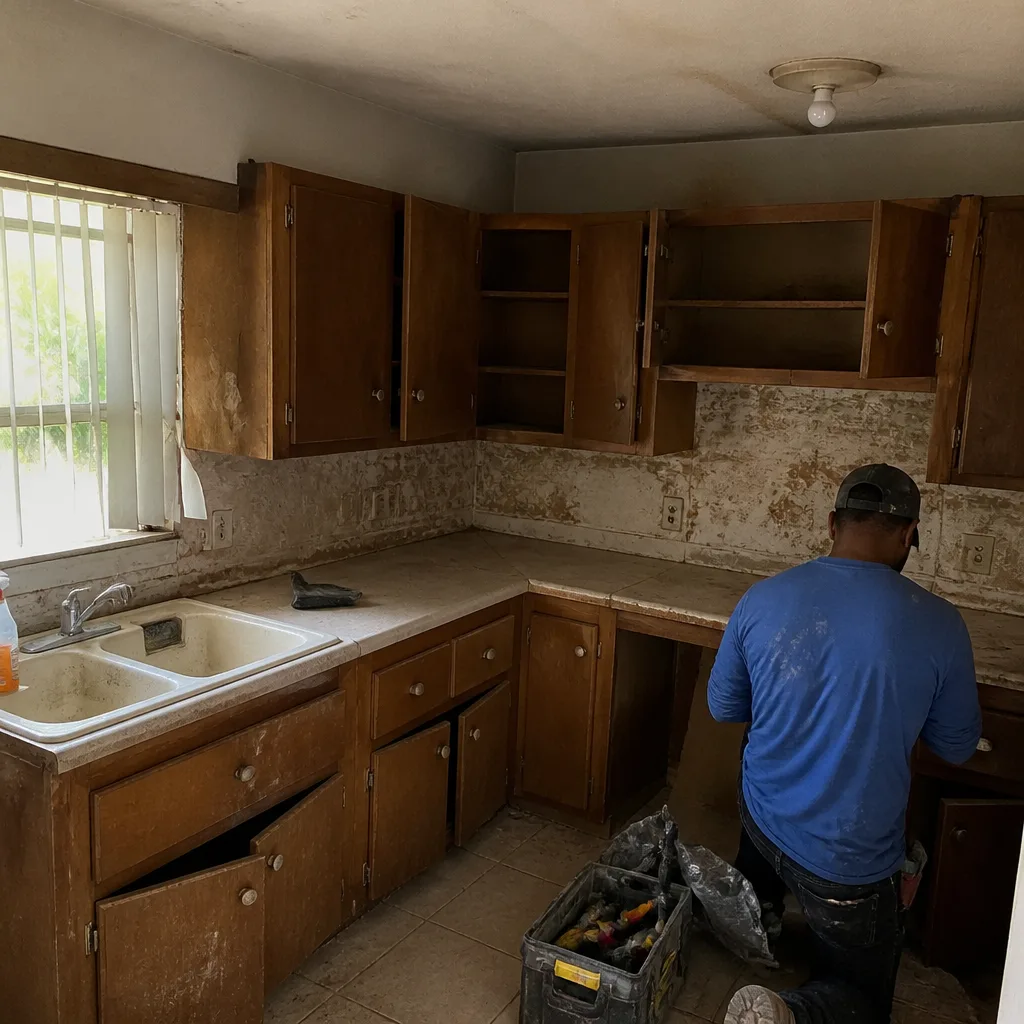 Before
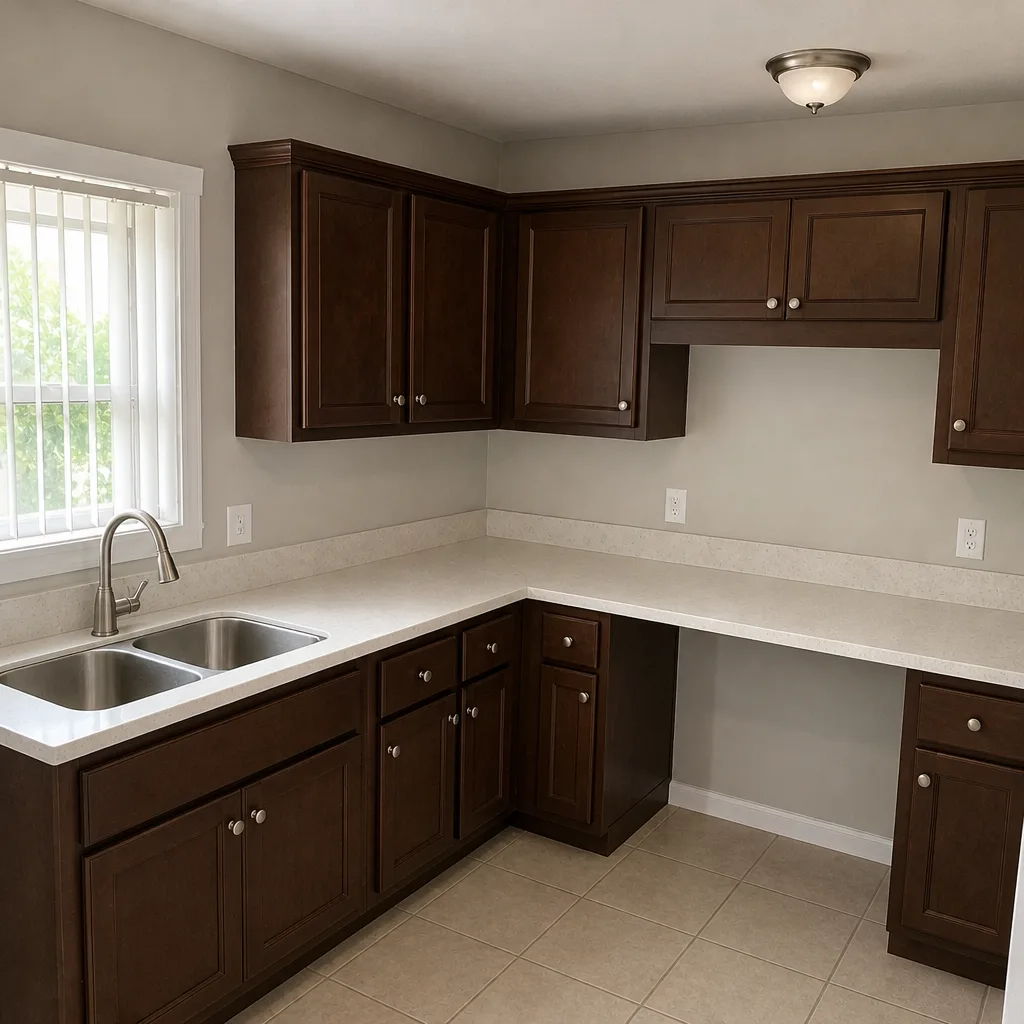 After
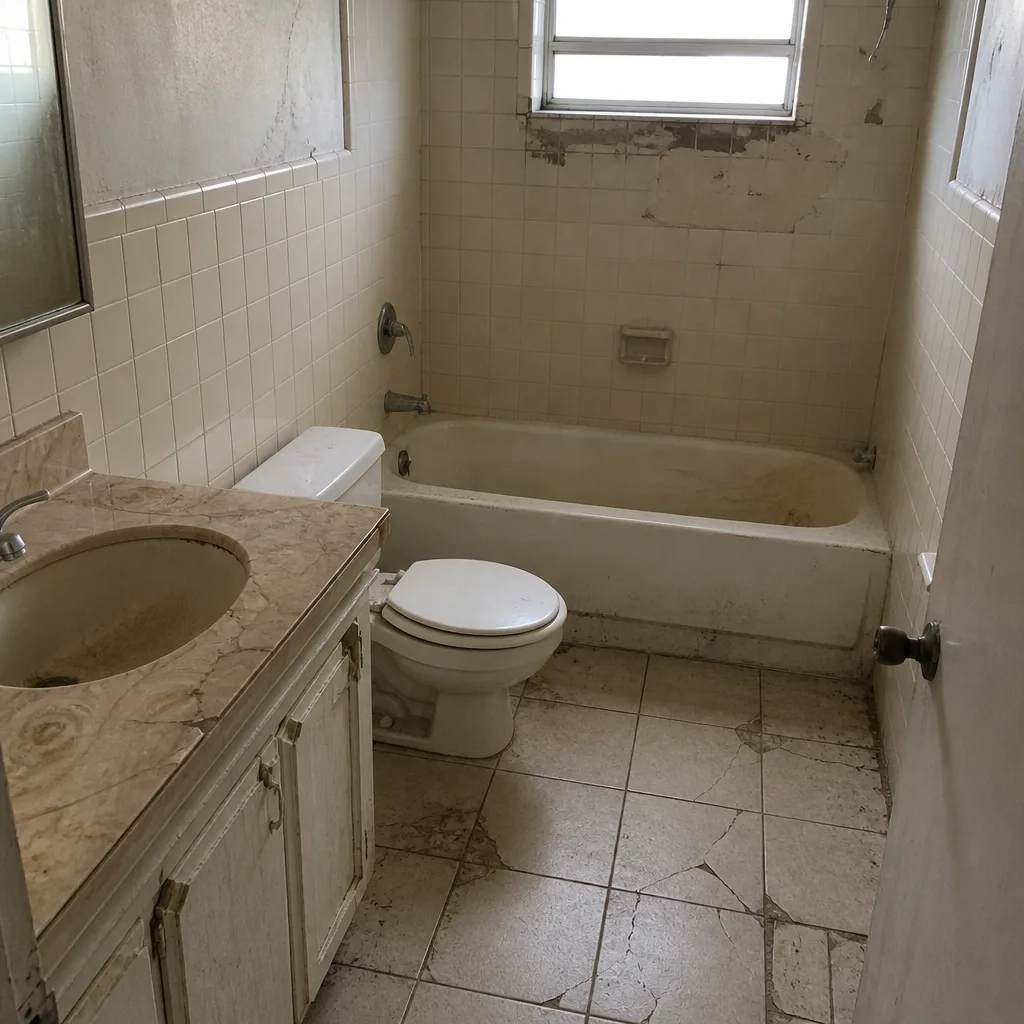 Before
 After
 Before
 After
Frequently Asked Questions
Once a year, timed to the dry window before rainy season, usually late winter into early spring. South Florida sun and humidity break down a finish faster than in cooler climates, so an annual reseal is the realistic schedule. If the finish beads water when you spray it, it’s holding; if water soaks in, it’s time. Call (844) 797-8316 if you’d rather have the whole job quoted – estimates are free.
Miami Gardens sits on sandy, fast-draining soil that shrinks during the dry season and opens a collar-shaped gap around each post. That gap funnels rainwater straight down to the post base, which is the leading cause of rot here. Refill the gaps with native soil before the rains return, and check the base wood for soft spots at the same time.
It depends on how many posts are affected and how the rest of the run looks. One or two soft posts in an otherwise sound fence can be replaced; several base failures along a run usually mean the fence has lost its structure and a rebuild is the better spend. A free estimate will tell you which side you’re on – call (844) 797-8316.
Fence work in Miami Gardens generally requires a permit, and height and placement rules depend on where the fence sits on your lot. The safe move is to have the permit pulled and the work inspected rather than guess. We handle permitting and inspections on every eligible job and put the scope in writing before work starts.
Push-test every post and probe the wood at the soil line with a screwdriver. A post that rocks or a screwdriver that sinks in easily means the base is compromised, even if the boards look fine from the street. That five-minute check tells you more than an hour of visual inspection.
Yes, and the difference is in the details that are easy to skip: properly set footings, sealed cut ends, treated end grain, and hardware that’s rated for the climate. Those steps cost a little more upfront and add years to the fence. We use named, verifiable materials and put every scope and price change in writing, then back the work with our 90-Day Done Right Promise.
The Bottom Line
A fence in Miami Gardens fails from the bottom up and the ends in, not from the surface out. The maintenance that matters is the inspection at the post base, the hardware connections, and every cut edge, done before rainy season and again after any storm. Wash less, check more. Reseal annually in the dry window, keep soil and mulch off the posts, and photograph the whole fence once a year so you have a record when it counts. Do the seasonal calendar consistently and you’ll get years more out of the same fence. Skip it, and you’ll be paying for a replacement fence that looked perfectly fine right up until it wasn’t.
When a post is soft or the run is failing, it’s worth a look from someone who builds fences here for a living. Call Barrett & Sons Construction Miami Gardens at (844) 797-8316 for a free estimate. A live person answers, the scope comes in writing, permits get pulled, and every price change is a written change order before any work happens.
Written by the team at Barrett & Sons Construction Miami Gardens.