
Last updated November 17, 2026
 Fence
 Kitchen remodeling
 Bathroom remodeling
 Home additions & ADU
 Roofing
 Windows & doors
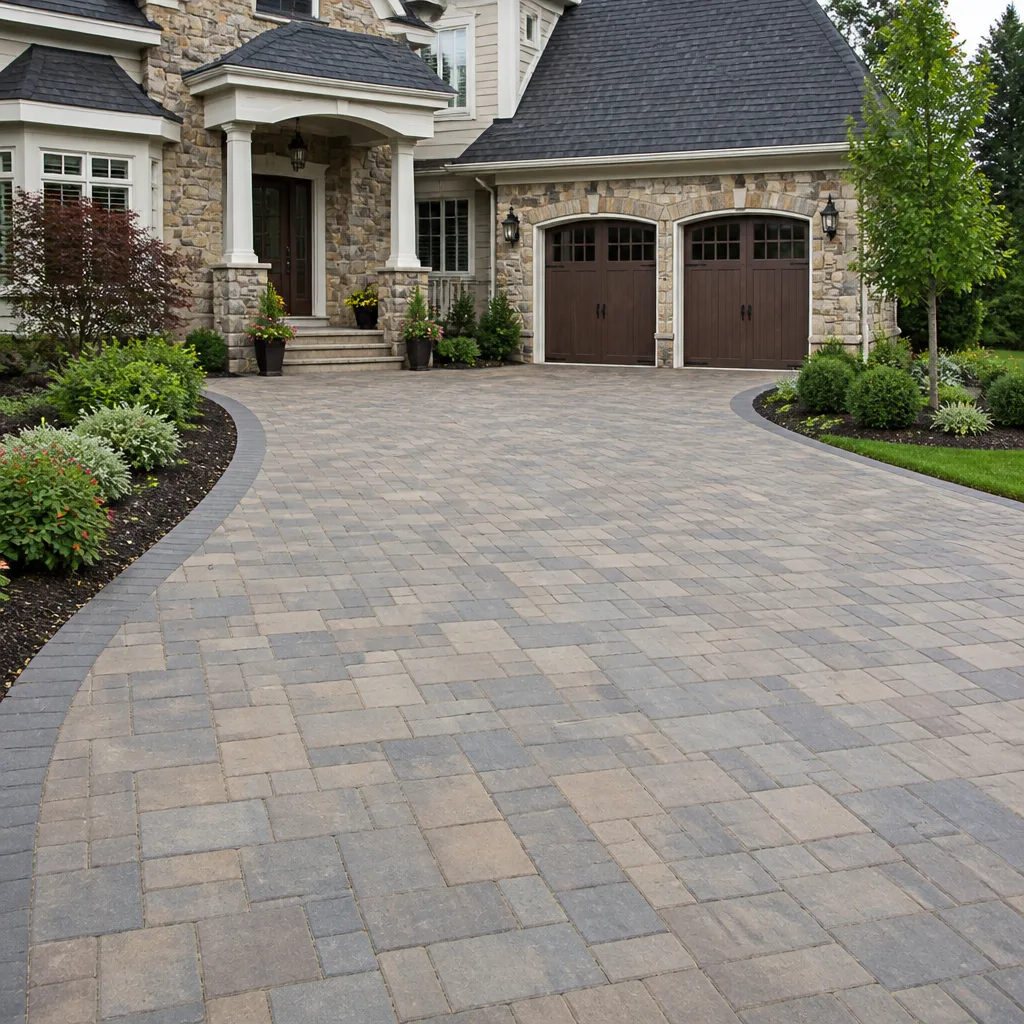 Driveway & pavers
Free written scope consultation - allowances, timeline, and change-order rules on paper before a single trade is scheduled
How Long Does Fence Installation Take? Timelines and What to Expect
A fence that takes two days to install can take three weeks to legally start. That gap is where most projects fall apart, and the contractors who don’t mention it upfront are usually the ones who’ll blame the city when your job stalls. In Miami-Dade County, the schedule lives in the two weeks before a single post gets set: permits, utility locates, and HOA sign-offs. Actual installation is often the shortest part of the whole job. This guide breaks fence work into four honest phases, gives realistic day-counts by fence type, and covers what questions to ask before you sign so you can tell a firm timeline from a guess. We’ll use Miami Gardens as our reference point throughout, since that’s where we work.
Quick Answer
A typical residential fence in Miami-Dade County takes two to four weeks from signed contract to finished install, with actual installation eating only one to three of those days. The permit and HOA approval phase, plus a Sunshine 811 utility locate, usually takes the longest. Wood, vinyl, and aluminum fences each carry slightly different inspection and curing windows. Chain-link is often the fastest to complete.
Styles & brands we work with
- Kitchen remodeling
- Bathroom remodeling
- Home additions & ADU
- Roofing
- Windows & doors
- Driveway & pavers
- Fence
Table of Contents
- The Four Phases of a Fence Timeline
- Why Permits and HOA Approval Eat the Calendar
- Utility Locates and Florida’s Sunshine 811 Rule
- Material Lead Times by Fence Type
- Realistic Day-Counts: Wood, Vinyl, Chain-Link, Aluminum
- Hurricane-Code Requirements That Add Steps
- Real Delays vs. Contractor Excuses
- Questions to Ask Before You Sign
The Four Phases of a Fence Timeline
Most fence installation guides collapse the entire schedule into “installation time,” which is why homeowners are always surprised. Here’s how the schedule actually breaks down in Miami Gardens.
- Phase 1: Permit and HOA approval. In Miami-Dade County, a fence over six feet tall, or any fence on a corner lot, or any fence near a swale or easement, needs a permit. Homeowner association approvals often run in parallel and can take anywhere from a few days to several weeks.
- Phase 2: Utility marking. Florida law requires a Sunshine 811 ticket to be filed before any digging. The locator has a minimum of three business days to respond, and busy weeks push it longer.
- Phase 3: Material lead time. Wood and chain-link are usually in stock at local yards. Vinyl and aluminum can run days to a few weeks depending on color and style.
- Phase 4: Installation. The actual dig, set, and finish. A standard 150-foot residential run is typically one to three working days, weather permitting.
When we quote a start date, we’re really quoting the tail end of Phases 1 through 3. Which is why a start date without a permit question is fiction.
Why Permits and HOA Approval Eat the Calendar
Miami Gardens sits inside Miami-Dade County’s permitting system, and that system is one of the busier residential permit pipelines in South Florida. That reality adds days that don’t exist in most other states, and homeowners rarely hear about it from the contractor who just wants to set posts.
Permit review for a standard residential fence in Miami-Dade typically runs a week to three weeks, but it moves faster when the application is clean. Missing a survey, missing a site plan, or an applicant who guessed at the property line slows everything down. A property survey is the single most common reason a fence permit application gets kicked back, because most homeowners don’t have one handy and the county won’t process without one.
HOA approval is its own clock. Many Miami Gardens neighborhoods and the surrounding communities have architectural review boards that meet monthly, not weekly. Miss the meeting and you wait another 30 days. And the board can approve a fence style your contractor already ordered, which is why we don’t order anything until the HOA signs off in writing.
Stack them wrong and the two approvals can run six weeks. Run them in parallel and they can land inside a week and a half. That scheduling decision alone can decide whether your project fits inside a season or drags into the next. This is exactly the kind of scoping detail we build into every Fence Installation in Miami Gardens quote so the timeline you hear is the timeline you get.
Utility Locates and Florida’s Sunshine 811 Rule
Before a shovel touches dirt anywhere in Florida, the contractor is legally required to file a Sunshine 811 ticket. That ticket triggers free marking of buried gas, water, electric, telecom, and sewer lines. The utility owner or its locator has a minimum of three business days to respond, and locates are valid for 30 days from the mark date.
Here’s what most homeowners don’t hear: the three days is a minimum, not a promise. In older Miami Gardens neighborhoods with fifty-year-old private irrigation lines, old propane runs, and the occasional unmapped drain field, locators come back and ask for extra time. Occasionally a line gets marked “unknown utility” and the contractor has to hand-dig around it, which is slow, careful work.
What we’ve learned in this business: file the 811 ticket the day the contract is signed. Not the day the crew shows up. A ticket filed on signing day lands the marks a week or two before the crew digs, so the locator’s clock overlaps with the permit clock instead of running after it.
Material Lead Times by Fence Type
Material availability is the wildcard in any South Florida fence schedule, and it varies more than homeowners expect by style, color, and height. Here’s what we typically see.
- Pressure-treated wood: Usually in stock at local yards. One to three days lead time is common. Custom heights or specialty stains can add a week.
- Vinyl: Depends heavily on color, style, and manufacturer. White privacy runs fast; tan, gray, or architecturally textured panels can take one to three weeks. Premium brands take longer to source but hold up better in Miami-Dade sun.
- Chain-link: Usually the fastest of the four. Stock sizes ship in a few days. Galvanized or vinyl-coated specialty runs add a week.
- Aluminum ornamental: Often the longest lead time, because custom widths, powder colors, and matching gate hardware are ordered to spec. One to four weeks is common, longer for unusual colors.
Brand matters here. When we install a fence, we name the manufacturer on the contract so you can look up specs, warranty, and color codes yourself. We don’t hide behind “builder grade” on the paperwork, because premium brands are only premium when you can verify them.
This is also where Miami Gardens homeowners get tripped up on gate hardware. An aluminum gate ordered with the wrong hinges or a mismatched latch adds a second order and another two weeks. We build gate hardware into the original material order to skip that round trip.
Realistic Day-Counts: Wood, Vinyl, Chain-Link, Aluminum
Here’s the day-count by fence type, assuming a standard residential run of 150 feet with ordinary corners and one gate, in South Florida conditions.
- Wood privacy, 6-foot: Two to three days for installation. Posts set in concrete need a cure window before rails and pickets go up, but in South Florida heat the concrete sets hard within 24 to 48 hours. Our crews schedule the picket work for the next morning, so the total is usually 2 to 3 days on site.
- Vinyl privacy, 6-foot: One to two days. Vinyl posts are set in concrete or driven, and the panel installation is fast once posts are up. The longer part is waiting on material if it’s ordered.
- Chain-link: One day for most residential runs. Tension wire, posts, and top rail on a standard property take a full crew half a day to a full day. The longest window is typically the permit and locate phase.
- Aluminum ornamental: Two to three days for installation. Panels install quickly once the posts and hardware are on site, but the layout and gate alignment take careful work, and a second trip sometimes happens to tune the gate.
One South Florida-specific note: our soils are clay-heavy in many Miami Gardens yards, and in some spots the ground is a mix of fill dirt and old coral rock. Clay expands and contracts with the wet and dry seasons, which can push a post out of plumb in a year if it’s not dug deep enough. Coral rock means a longer dig day. Both are things we factor into the day-count, not surprises we spring on you mid-job.
If your project also touches the driveway or a walkway near the fence line, we usually schedule the Driveway & Pavers in Miami Gardens work and the fence in the same window so the crew isn’t back and forth twice. It saves a trip and saves you a headache.
Hurricane-Code Requirements That Add Steps
Miami-Dade County has some of the strictest wind-load rules in the country, and they apply to fences more than homeowners expect. A fence isn’t a building, but it does have to resist wind-driven debris and sustained gusts, and the county’s product approval system has a list of fence systems and materials that meet the standard.
What that means in practice:
- Post depth and concrete specification. Posts need to be set deeper than in most other states, with concrete engineered for the soil and wind-load requirements of the site. Skipping that step passes local inspection right up until it doesn’t.
- Wind-rated panels or pickets. Some fence systems get a Miami-Dade product approval number. Some don’t. If the system doesn’t have that number, the permit can be rejected or a revision added mid-stream.
- Inspection before the finish work. Depending on the job, the inspector wants to see footings or posts before the final panels go on. That adds a day or two between stages, and it’s the step contractors who don’t pull permits skip entirely.
Every eligible fence job we run in Miami Gardens gets permits pulled and inspections signed. The permit inspector works for you, not for us. That’s why we like him. The extra step doesn’t slow the job nearly as much as a rejected fence that has to come down and get rebuilt, and that’s what a no-permit job risks.
If you’re considering an addition or ADU on the same property while the fence is up, it pays to schedule the site planning at the same time. Our Home Additions & ADU in Miami Gardens work often starts with a site survey that puts the new footprint on the same plan as the fence line, so the fence doesn’t have to move six months later.
Real Delays vs. Contractor Excuses
The hard part isn’t scheduling a good fence job. It’s telling the difference between a real delay and a contractor buying time. Here’s the honest split.
Real delays:
- Rain during concrete cure. A South Florida afternoon thunderstorm hitting an open post-hole or freshly poured footing can push the picket work back a day. Real, common, and out of anyone’s hands.
- Missed or unknown utility flags. When a locator marks a line as “unknown” or gets pulled to another emergency, digging stops until the mark is resolved.
- Inspector backlogs. Miami-Dade inspection queues get long during peak building season, usually spring and fall. A footing inspection that lands on a Friday can miss the crew’s Monday window.
- Material back-ordered by the manufacturer. We show the order confirmation and the ship date so you can see what the warehouse told us.
Excuses:
- “The city is being slow” without a permit number or inspection ticket to back it up.
- “The crew is stuck on another job” as a general, weekly, indefinite reason.
- “We didn’t know that needed a permit” after the work is scheduled. That’s not a surprise, that’s a missing step.
- Price changes that arrive verbally or after the fact. A legitimate scope change shows up in writing, on a change order, before anyone touches the job. An allowance that isn’t on paper is a surprise waiting for a date.
If a contractor tells you the city is slow, ask for the permit number. It takes five seconds to pull a permit status in Miami-Dade. We give homeowners the number and the inspector’s contact on every job, because when the answer is real, the paperwork proves it.
Questions to Ask Before You Sign
The single most useful question to ask any fence contractor in Miami Gardens is this: Is permit pull time included in your quoted start date? If the answer is vague, the date is fiction. Here’s the rest of the list.
- Is permit pull time included in your quoted start date? They should be able to say yes or no, and then explain how many days that is.
- When will you file the Sunshine 811 ticket? The right answer is on signing day, not on install day.
- Is the price fixed, or does it depend on an allowance? If there’s a material allowance, get it written into the contract with the exact dollar figure.
- Are change orders written before or after the work? Before, always. Frame it that way in the contract.
- What’s the workmanship warranty, and what does it cover? Post settling, gate sag, and panel damage should all be spelled out.
- Will you pull the permit and schedule the inspection, or is that on me? The contractor pulls, and the homeowner should never be the applicant of record.
- What happens if the HOA rejects the style? A good contractor waits on the HOA decision before ordering material. One who orders first is gambling with your money.
We also recommend you ask for the license number and check it yourself before you sign anything. Any contractor worth hiring has that number public, and they’ll hand it to you without being asked twice. If somebody dodges that request, you have your answer.
Common Mistakes to Avoid
- Booking on a verbal start date. A start date without the permit number and the 811 ticket date attached to it is a guess dressed up as a promise. Get it in writing with the milestones named.
- Ordering material before the HOA approves. Miami Gardens HOAs can reject a fence style, color, or height after the fact, and if the material is already cut you eat the loss. Wait for the written approval.
- Assuming every contractor pulls permits. The last contractor most customers used told them permits were optional. In Miami-Dade, a fence over six feet, on a corner lot, or near a swale needs one. Ask, and verify.
- Skipping the property survey. A fence installed a foot over the line can mean pulling posts back out, and the survey costs a fraction of the rebuild. Get the survey, then set the fence.
- Underestimating the concrete cure time. Our heat sets concrete faster than up north, but not instantly. Picket work on fresh footings is a same-day way to sag the whole run. Respect the 24-hour window.
- Forgetting about irrigation and pool lines. Many Miami Gardens yards have both, and both can be shallow. Flag them for the locator and the crew before the shovel goes in.
- Not asking who handles the inspection. The contractor schedules it and stands for it. If that job lands on you, the fence is more likely than not to pass, but the paperwork headaches are all yours.
See the difference
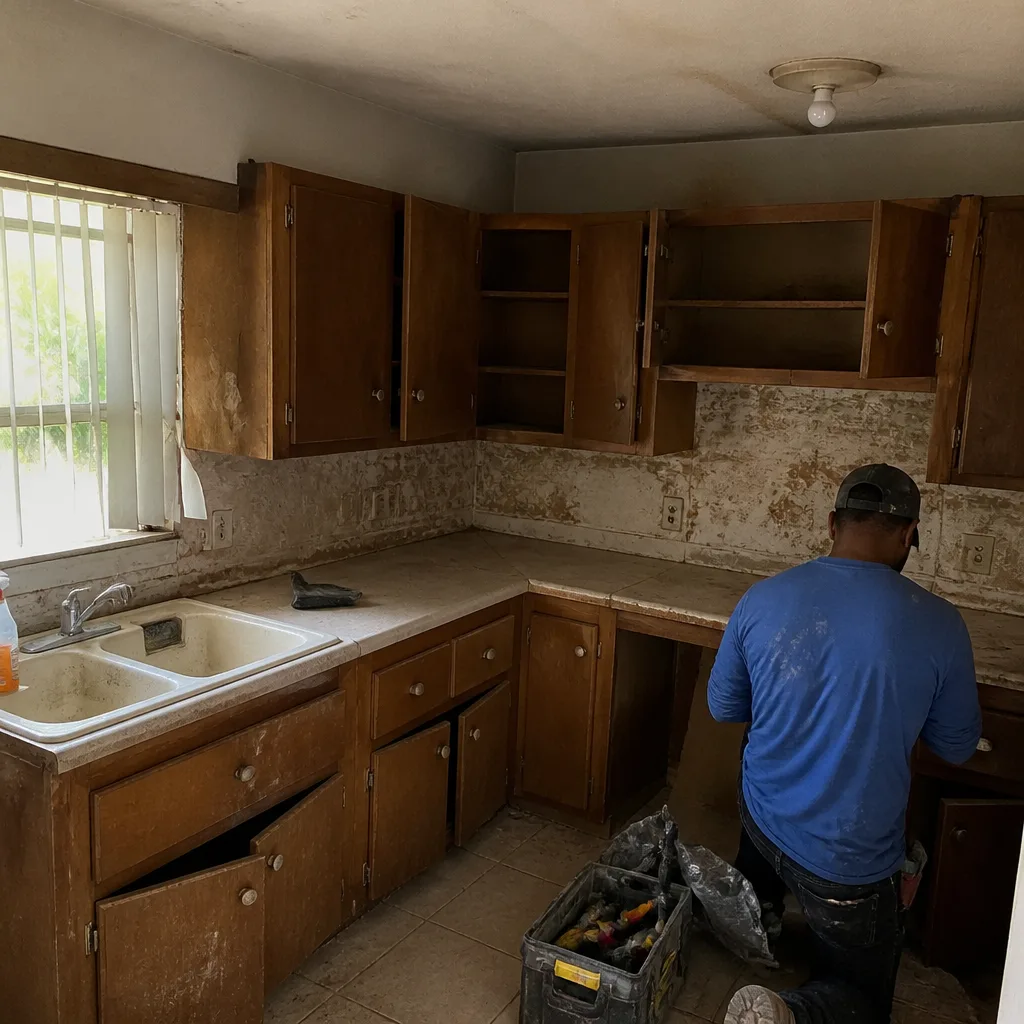 Before
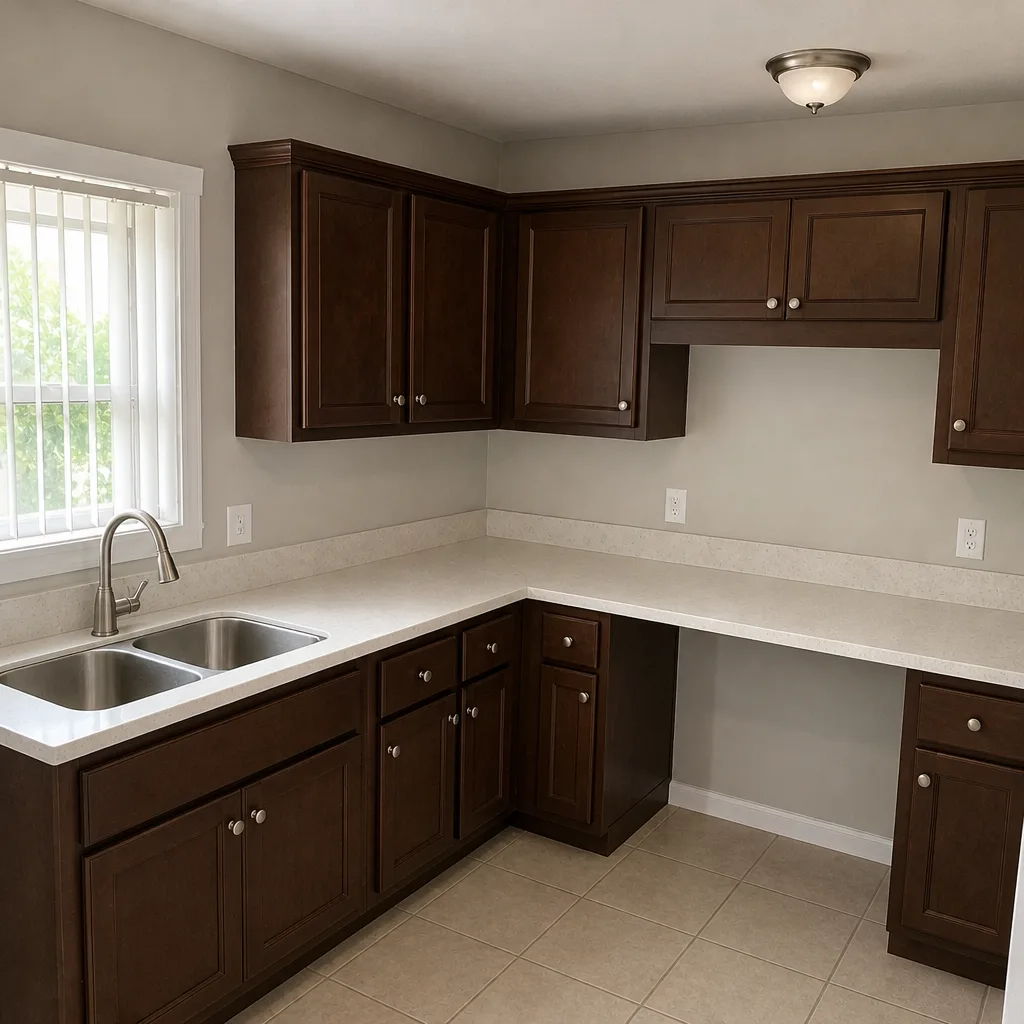 After
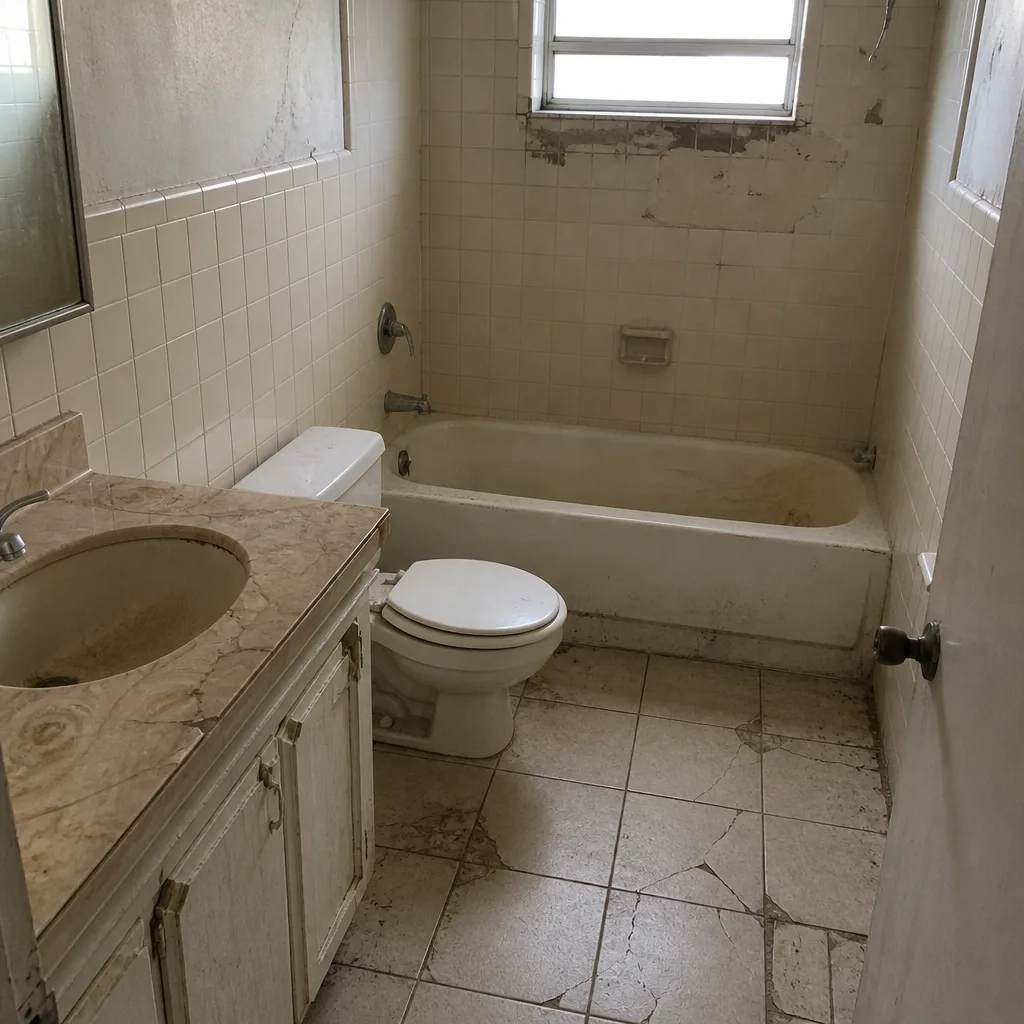 Before
 After
 Before
 After
When to Call a Professional
Some fence work is genuinely a homeowner’s job: replacing a gate latch, touching up a stain on a wood fence, planting along the base. The rest deserves a pro. Permits, hurricane-code compliance, utility locates near gas or electric lines, and anything over six feet tall in Miami-Dade is not a weekend project. Post digging on a lot with buried utilities is the specific scenario where a free utility locate and a trained crew save you a real injury or a repair bill. Fence posts, by the way, are not the only thing homeowners get in over their heads on: if a project touches an electrical panel, gas line, or roof, the same caution applies, and the right move is always a trained professional.
Barrett & Sons Construction Miami Gardens offers free estimates in Miami Gardens, with permits pulled and inspections signed on every eligible job and every price change arriving in writing first. Call (844) 797-8316 and we’ll walk through your yard, the setbacks, and the timeline together.
Frequently Asked Questions
Two to four weeks from signed contract to finished fence, with installation itself taking one to three days. The permit and HOA phase plus the Sunshine 811 locate window usually account for most of the schedule. Actual install days are the shortest phase. Call (844) 797-8316 for a free estimate on your specific yard.
Usually yes for a fence over six feet, for a corner-lot fence, or for a fence near a swale or easement, and the county reviews the wind-load requirements on the system you install. We pull the permit and schedule the inspection on every eligible job, and we hand you the permit number so you can verify the status yourself. Call (844) 797-8316 and we’ll confirm what your specific property needs.
Chain-link and some vinyl runs can finish in a single working day once permits, locates, and materials are in hand. Wood privacy runs are usually two to three days because the concrete footings need at least 24 hours to set before rails and pickets go up. The permit and locate phase is the part that isn’t one-day.
Miami-Dade’s hurricane-code requirements, product-approval reviews, and the mandatory Sunshine 811 locate window are all steps that don’t exist in most other states. Add HOA architectural review on some properties, and the pre-install calendar can run two to three weeks. Actual install is often the same duration as anywhere else.
Inspector backlogs and utility locate delays, in our experience. Rain during concrete cure is the third. None of these are dramatic, each of them costs a day or two, and a contractor who communicates them in writing keeps the timeline honest. Call (844) 797-8316 if you want a straight answer on which ones will affect your job.
Not on a fixed-price contract, and any scope change arrives as a written change order before work proceeds. Material allowances get written into the contract with the exact dollar figure. If a contractor can’t show you the change order before the work, that’s the number to walk away from. Call (844) 797-8316 for a written quote with the allowances spelled out.
The Bottom Line
Most fence timelines don’t live in the installation days. They live in the permit window, the Sunshine 811 locate, the HOA approval, and the material lead time, and any contractor who quotes a start date without asking about those first is guessing. In Miami-Dade County, plan on two to four weeks from signed contract to finished fence, with wood and aluminum at the longer end and chain-link at the shorter. Ask the permit question, ask the locate question, get everything in writing, and the fence will land when you were told it would. Barrett & Sons Construction Miami Gardens takes free estimate calls at (844) 797-8316, and our team has up to 28 years of experience on fence jobs across South Florida.
Ready to get a real timeline for your yard? Visit the Barrett & Sons Construction Miami Gardens home page or call (844) 797-8316 to schedule your free estimate. Every eligible job includes permits pulled and inspections signed, every price change arrives in writing first, and every completed job is backed by our written 90-Day Done Right Promise.
Written by the team at Barrett & Sons Construction Miami Gardens.