
Last updated November 17, 2026
 Kitchen remodeling
 Bathroom remodeling
 Home additions & ADU
 Roofing
 Windows & doors
 Driveway & pavers
 Fence
Free written scope consultation - allowances, timeline, and change-order rules on paper before a single trade is scheduled
How to Hire a Construction Contractor in Miami Gardens: A Step-by-Step Guide
Any contractor can say “we work all over South Florida.” Ask them to name the Miami Gardens building department’s current permit turnaround time and watch the room go quiet. That silence tells you more than an hour of smiling and handshaking ever will. The biggest hiring mistake homeowners in Miami Gardens make isn’t skipping the license check. Most people do check the license. The mistake is treating the interview like a formality instead of a filter. This guide hands you the exact questions that separate a contractor who actually works here from one who drove up from three counties away for the week, plus how to read the two contract clauses that cause nearly every price fight.
Quick Answer
To hire a construction contractor in Miami Gardens, verify the state license and call the insurer to confirm active coverage, then interview at least three bidders using questions specific to Miami Gardens permitting and the county inspection process. Before signing, insist on a written scope, written allowances, and a change-order clause that says no work moves forward without your signed approval. A contractor who hesitates on any of those three is telling you something.
Styles & brands we work with
- Kitchen remodeling
- Bathroom remodeling
- Home additions & ADU
- Roofing
- Windows & doors
- Driveway & pavers
- Fence
Table of Contents
- The Five Questions That Expose Local Experience
- Why “Licensed and Insured” Is the Floor, Not the Standard
- How to Read a Certificate of Insurance
- The Two Contract Clauses That Cause Most Price Disputes
- The Written Change-Order Rule
- Red Flags That Only Appear After You Sign
- The Hiring Process, Step by Step
- When to Call a Professional
The Five Questions That Expose Local Experience
Every contractor you interview will claim local knowledge. These five questions sort the claim from the reality. None of them require a trick. They just require a contractor who’s actually pulled permits in Miami Gardens lately.
- What’s the current permit turnaround at the Miami Gardens building department? A local knows roughly how long plan review runs right now. An outsider guesses, or says “a few weeks” and changes the subject.
- Do you file through the county’s online portal or walk it in? Anyone working here regularly has an opinion about which is faster and why. Anyone who doesn’t work here looks confused.
- Which inspector handles this area right now? We’re not asking them to badmouth anyone. We’re asking whether they know the people who will actually show up at your address.
- What triggers a Notice of Violation most often in this zip code? Locals will name the real culprits. Unpermitted additions closed in without inspection. Fence height and setback issues. Work started before the permit was issued. An out-of-towner will recite the same generic list you could find on any city website.
- What’s the usual wind-load or product spec for roofing here? Miami-Dade product approval is not the same as what a contractor installs in Broward or Palm Beach. Ask which shingle lines they’d put on your roof. If they name CertainTeed or Owens Corning systems with the right product approval numbers, they’ve done this before. If they shrug, keep interviewing.
Ask these questions in the first meeting, not the third. A contractor with real Miami Gardens experience will answer them without a pause and probably add a story about the last job where the inspector flagged something. That story is worth more than any brochure.
Why “Licensed and Insured” Is the Floor, Not the Standard
Almost every homeowner checks for a license. Fewer check what kind of license. In Florida, a certified contractor’s license is issued by the state, but the scope of work allowed varies. A roofing contractor’s license doesn’t cover an addition. A general contractor’s license may not cover specialty trades the same way. When you hire for a kitchen remodel that includes plumbing and electrical, the person writing your contract needs to hold the scope, or sub to someone who does, and every sub needs their own active license.
Look up the license number yourself. Florida’s contractor database is public. It takes two minutes. Check that the status is active, not “suspended” or “lapsed,” and check that the qualifier’s name matches the company on the contract. Some outfits rent a qualifier’s license for a year and then the qualifier leaves. If the name on the state record doesn’t match the name on your paperwork, ask why in writing.
“Insured” is the part that gets skipped. A contractor can be licensed and carry no liability insurance at all if the state doesn’t require it for their license type. If a worker gets hurt on your property, or a load of shingles cracks your neighbor’s carport, the claim goes somewhere. Insurance decides where. That’s the next section.
How to Read a Certificate of Insurance
A certificate of insurance is the one page most homeowners glance at and put down. Read it like the contract it is. Here’s what actually protects your property.
- General liability, with limits that match the job. A $10,000 job shouldn’t be insured at $50,000 in coverage. Ask what the per-occurrence and aggregate limits are. Higher is better. If the certificate expires in two months, ask what happens after.
- Workers’ compensation. If the contractor has employees, this needs to be active. If the certificate says “exempt” because everyone is a 1099 subcontractor, that’s a flag. A crewmember who gets hurt on your roof with no workers’ comp can come after your homeowner’s policy.
- Your address or the project name listed. Many policies only cover work at listed locations. Ask that the certificate name your property or the project.
- Additional insured status. The best protection you can ask for. It means the contractor’s policy covers you for claims arising from their work, not just themselves. Not every contractor will offer it. The good ones will at least discuss it.
- Call the insurer. Certificates can be doctored. The number on the certificate gets you to the agency. Ask them to confirm the policy is active today and the limits match the page in front of you. Two minutes, one phone call, real answers.
We’ve watched a homeowner in Miami Gardens find out after the fact that the “fully insured” contractor across town had let his policy lapse six weeks before the job. The dispute that followed took months. A single phone call would have prevented it.
The Two Contract Clauses That Cause Most Price Disputes
We’ve seen hundreds of contracts from other contractors, and the same two clauses cause the same fights almost every time. Both are easy to spot once you know what to look for.
Clause One: Allowances
An allowance is a budget number for something the contractor hasn’t finalized yet. Tile. Fixtures. Sometimes flooring. Here’s the trap: a lowball bid will set the allowance absurdly low to keep the total price looking cheap, then the homeowner walks into the showroom and discovers the tile they actually want costs triple the allowance. The change order that follows can add thousands. An allowance that isn’t on paper is a surprise waiting for a date.
Before signing, ask which items are allowances, what number each is set at, and what happens when the actual cost comes in higher. The good answer: every allowance is written into the contract with a stated figure, and every overage comes back to you as a signed change order before the product is ordered. The bad answer: “Don’t worry about that, it always works out.”
Clause Two: Change-Order Authorization
A change-order clause is the contract’s permission slip for adding work and money. Bad ones say the contractor can proceed with changes “reasonably necessary” without your written approval. That phrase has cost plenty of homeowners real money. Yours should say, in plain English, that no scope change is performed and no additional charge is added until you sign a written change order.
How We Handle Both
In our own contracts, every scope item and every allowance appears in writing, and every price change arrives as a written change order before a single nail moves. That’s the standard we’d want our own family’s kitchen held to.
The Written Change-Order Rule
You can enforce the written change-order rule without being rude. Say it in the first meeting, plain and direct: “I’m fine with changes, but I need every one in writing before the work happens. Even the small ones.” A professional contractor will nod and follow it. The contractor who smirks, or tells you that’s a lot of paperwork for a small job, has just told you what the end of the project will look like.
What a change order should include:
- The specific scope change, described in enough detail that a stranger could read it and know what changed.
- The cost difference, line-itemized. Not a lump sum.
- The effect on the schedule, even if the effect is “none.”
- Your signature and the contractor’s, dated.
What a change order should not include: a verbal “we’ll just add it at the end.” Whatever that amounts to, you probably won’t like when the invoice arrives. If you change your mind mid-project and want to upgrade the tile, that’s fine. It goes on a change order. The same rule protects the contractor from a homeowner who “remembers” asking for extra work that never made it into the plan.
If you’re planning a larger scope, like a Home Additions & ADU in Miami Gardens, the change-order discipline matters even more. Additions have dozens of decision points, and each one has a price tag attached.
Red Flags That Only Appear After You Sign
Most contractors will look clean on day one. The warning signs are usually buried in the paperwork you didn’t read closely or in the first week on site. Here’s what to look for before you become the story someone tells at a cookout.
- A bid that doesn’t match the scope. If the written bid is two paragraphs and the project is a kitchen, someone is planning to “figure it out later.” Later is when prices go up.
- The contract mentions “additional work as needed” with no dollar figure attached. Same trap as the change-order clause. Add it up. It’s a blank check.
- No permit application on file at the city. Call the building department and ask if a permit has been applied for at your address. Day one, before work begins. “We’re filing next week” is a stall that becomes a violation.
- Subcontractors who show up with no name on the truck. That’s not a crime, but if you can’t match the name on the crew’s vehicle to the name on the contract, someone isn’t paying their subs, and eventually that comes back to the job site.
- A request for a large deposit up front. A standard deposit is normal. A contractor who wants 50% or more before materials are ordered, and wants it in cash, is telling you what their bank balance looks like.
- Phone goes to voicemail after day three. Ask early which number you call if something goes wrong mid-project. If the answer is “the office,” ask for the direct line and call it once.
We’ve made our own part of this easy. Our phone is answered by a live person, 24 hours a day. Not a voicemail box, not an out-of-state call center. If that seems like a low bar for this industry, some days it is.
The Hiring Process, Step by Step
Here’s the whole process in order. The order matters. Candidates who fail at step two don’t need to be invited back for step five.
- List your scope in writing. Before you call a contractor, write down what you want done. Room by room, item by item. It’s not the final scope, but it keeps every bidder answering the same questions.
- Verify the license and the insurance. State database for the license. Phone call to the insurer for the coverage. Two checks, thirty minutes.
- Interview three bidders using the five local questions. Not the sales pitch. The questions in the first section above. Compare answers.
- Get written line-item bids. Each item in scope, each with a price. Allowances listed with numbers. Lump-sum bids with no detail are not bids, they’re guesses.
- Read the contract for allowances and the change-order clause. Before you sign. Once you do, the leverage is theirs.
- Confirm permits are included. If a contractor suggests skipping the permit to save time, end the discussion. That’s a savings for them and a liability for you, and it stays on your property record long after they’ve left town.
- Plan the schedule with your household. Who’s home for the delivery? Where does the dog go during roofing? These are the questions that make or break a job, and they’re easier answered on paper.
When you get to the permits step, remember one thing. The permit inspector works for you, not for the contractor. Every inspection signed is a second opinion from someone who has no reason to flatter the contractor.
If the project is a roof, a Driveway & Pavers in Miami Gardens install, or a Fence Installation in Miami Gardens, the local questions about product specs and setback rules matter even more. Fence height varies by lot and neighborhood. Pavers need a base that handles South Florida’s wet season. Roofs need Miami-Dade product approval. Anyone who doesn’t ask about those things before signing is planning to find out what goes wrong later.
Common Mistakes to Avoid
- Hiring off the first phone quote. A price given over the phone before anyone sees the property is a placeholder, not a bid. It changes when the contractor walks the property and finds what a sight-unseen quote can’t.
- Skipping the insurance call. The certificate on the counter looks official. It’s a photocopy. Call the insurer.
- Accepting a hand-shake on a scope change. In Miami Gardens, a verbal approval can come back as a $4,000 invoice with nothing to argue against it. Signed paper, every time.
- Not asking about the permit. Unpermitted additions, carports, and roof replacements are common in older neighborhoods here, and they surface at resale or at the next insurance inspection. Ask while the job is still a job.
- Signing a contract that leaves the allowance blank. A blank allowance is a contract that says “price TBD.” Get the number before you sign or get a different contractor.
- Comparing bids on price alone. A bid $8,000 below the next one isn’t a deal, it’s a scope somewhere that’s missing. Find the gap.
- Forgetting to ask about a warranty in writing. “We stand behind our work” is not a warranty. A 90-Day Done Right Promise written on the contract is. Ask for it in writing before you sign anything.
See the difference
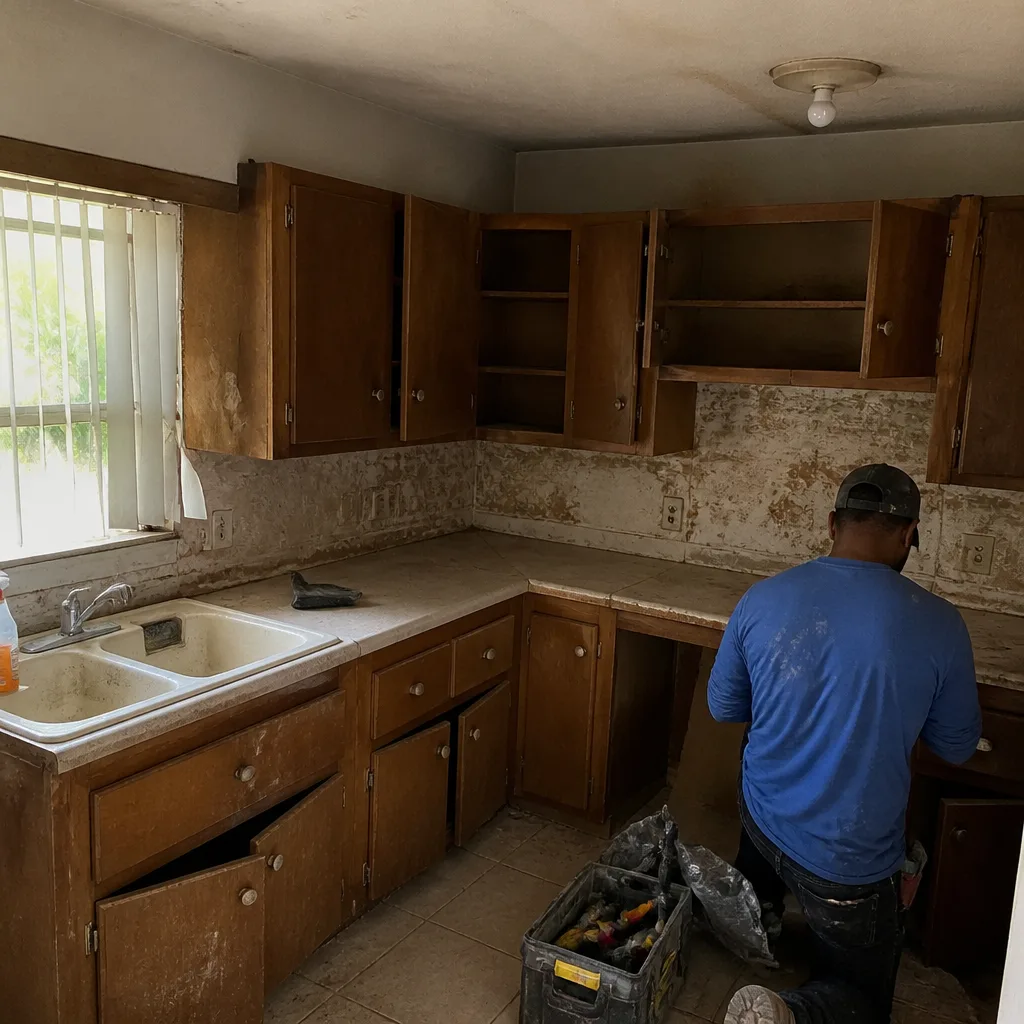 Before
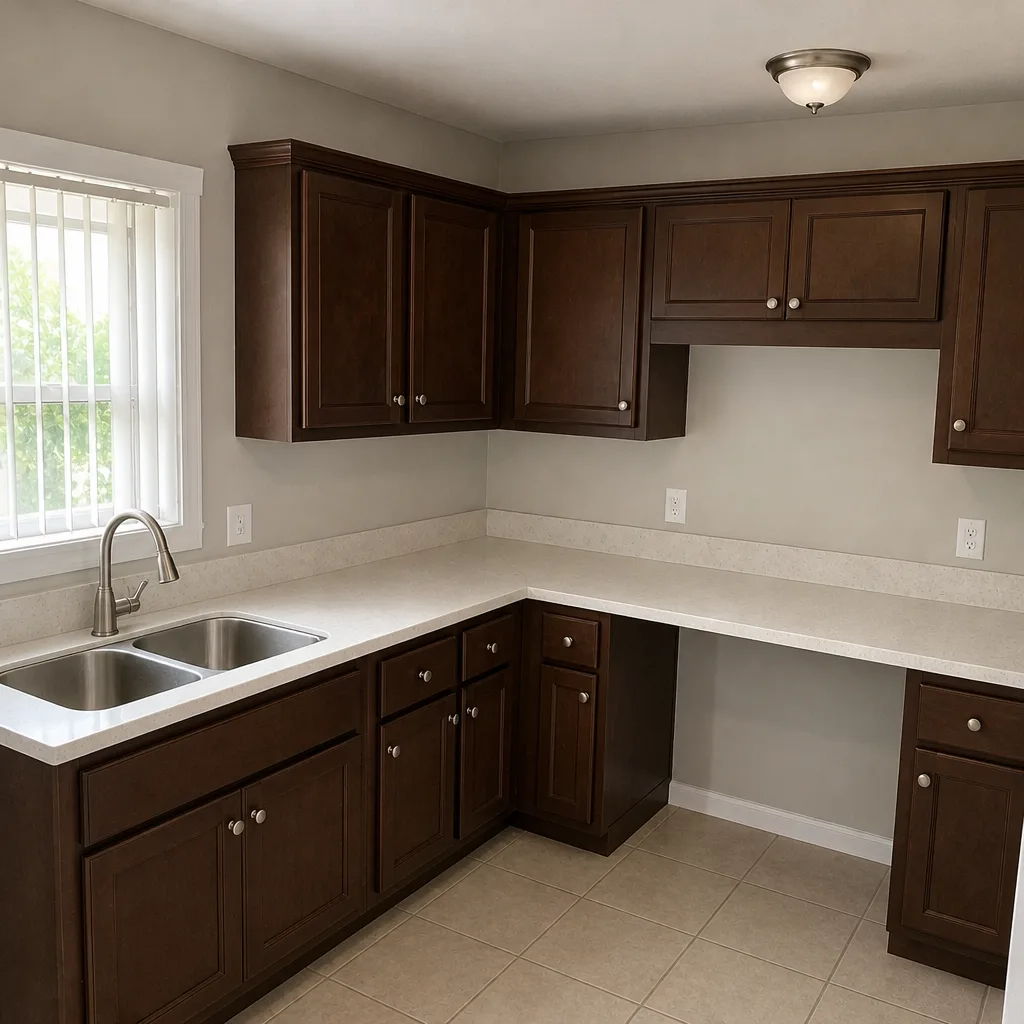 After
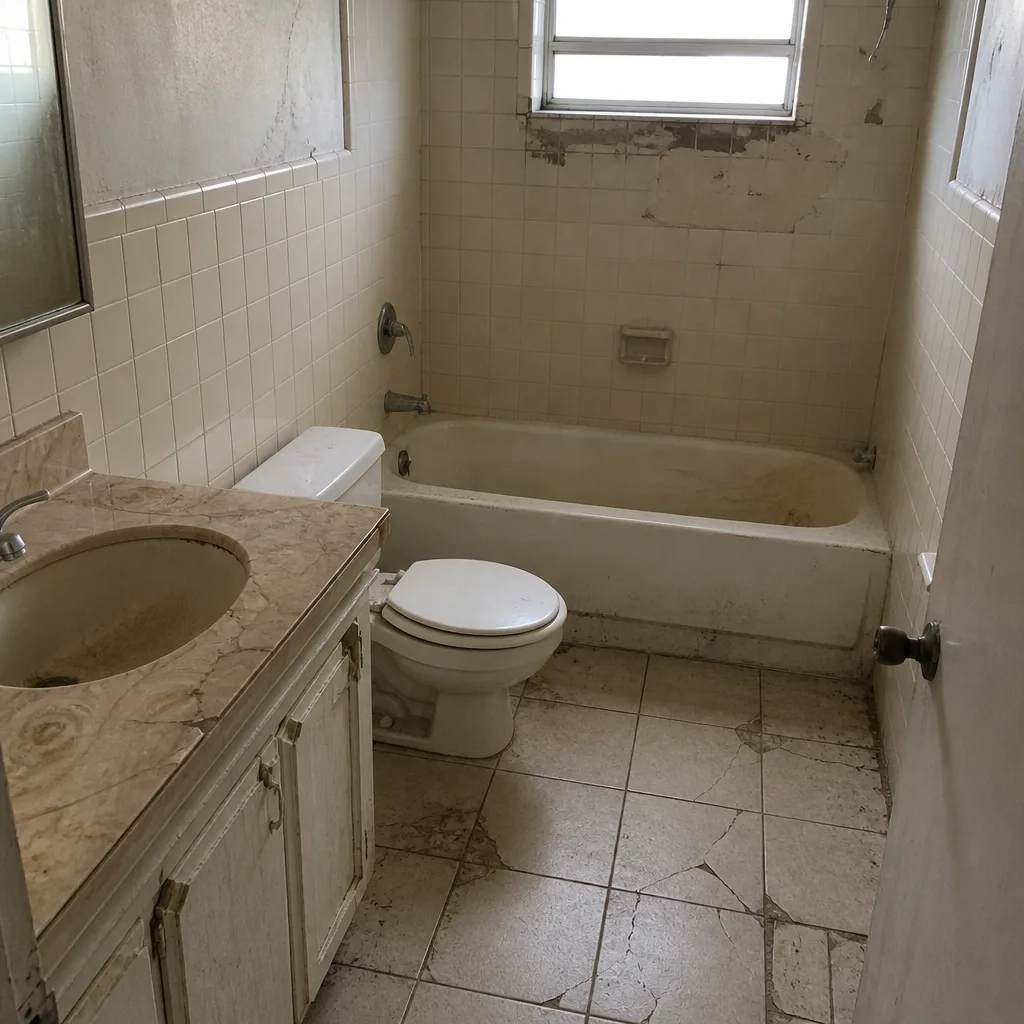 Before
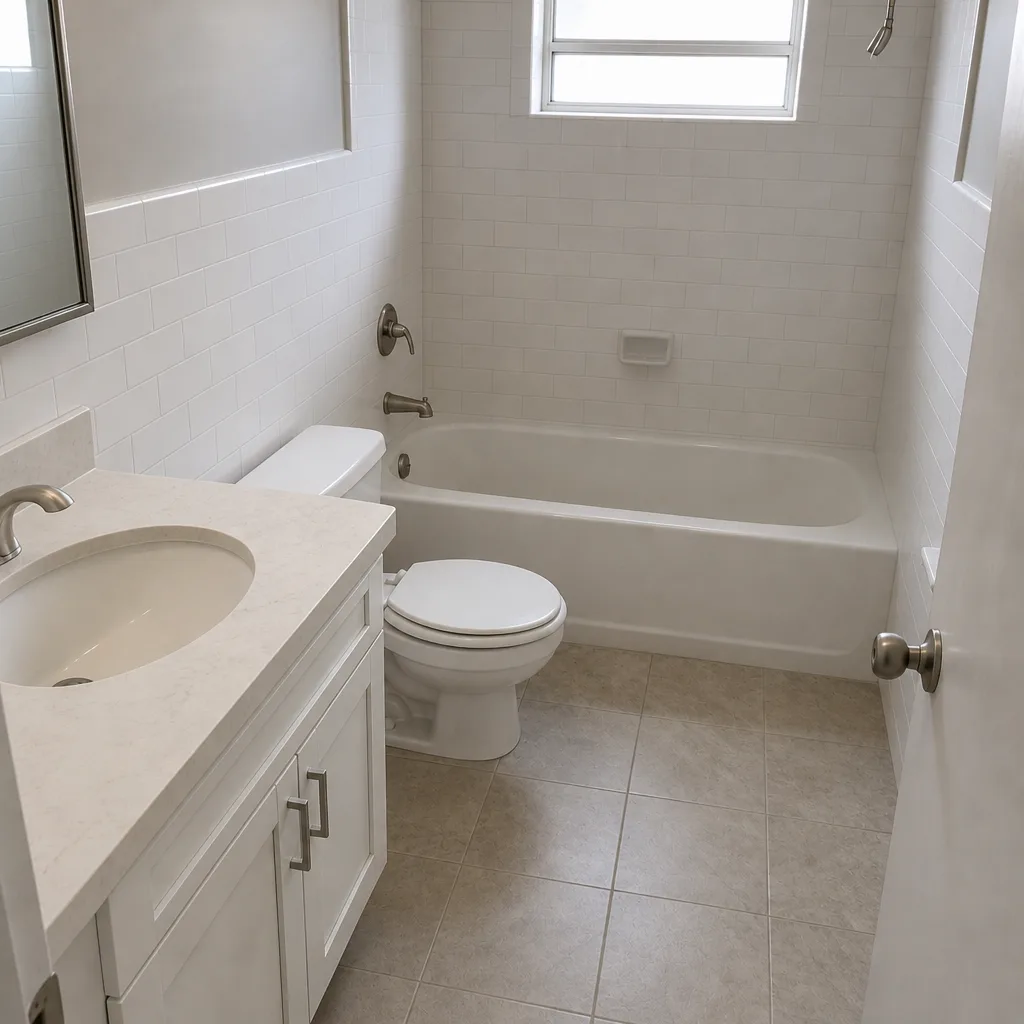 After
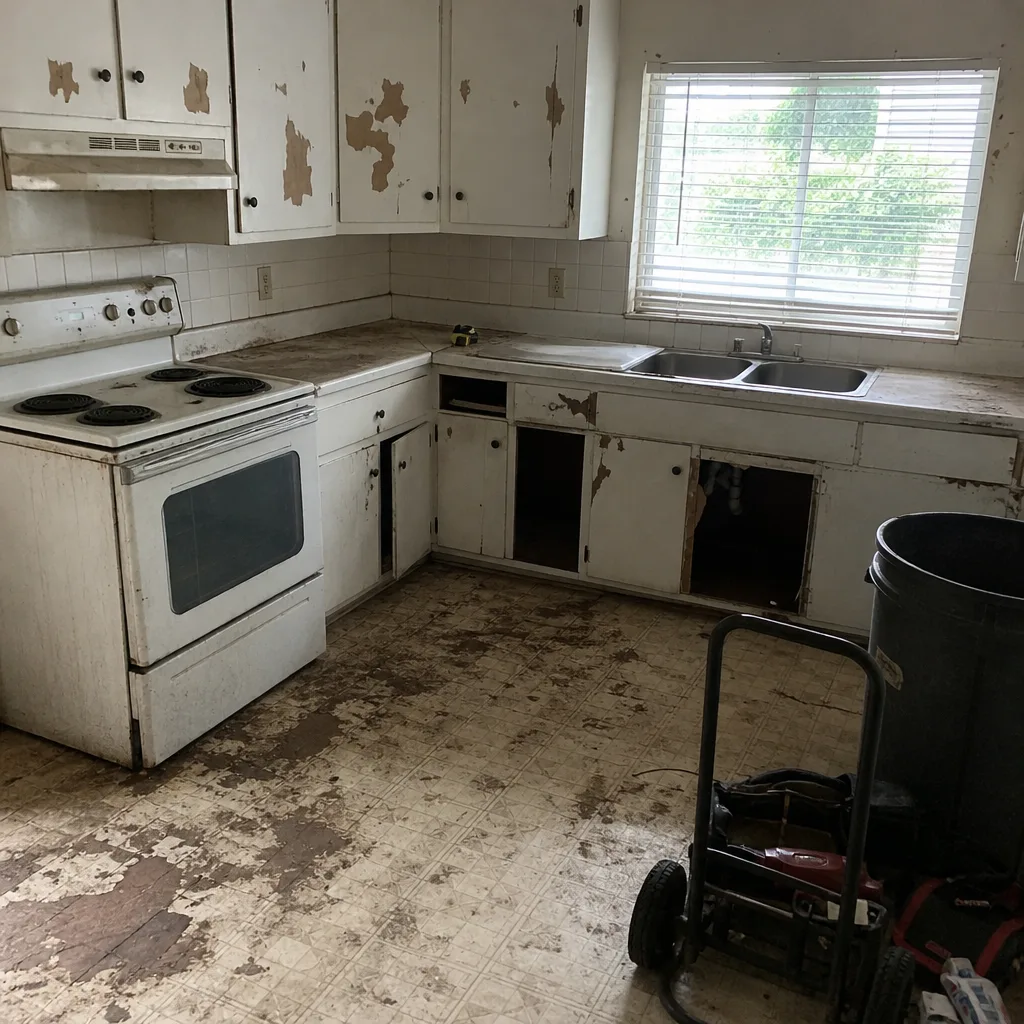 Before
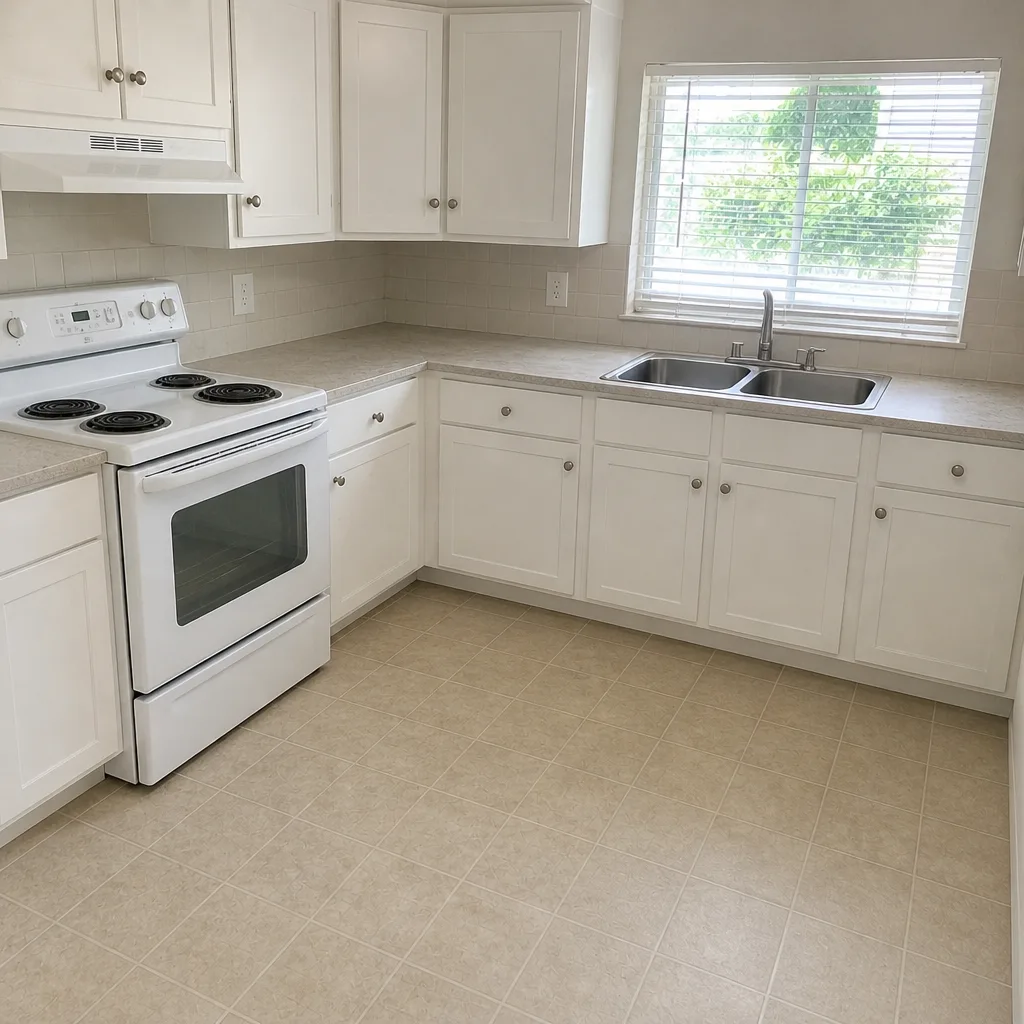 After
When to Call a Professional
Not every project needs a general contractor. Repainting a bedroom or replacing a light fixture is a handyman job. A few things do need a licensed professional every time. Adding a room, raising a roofline, replacing a main electrical panel, running gas lines, moving plumbing, or any structural work involving load-bearing walls. Roof replacements and anything that has to pass a wind-load inspection. Any scope that triggers a permit with the city. If you’re not sure, call the building department and ask. They’ll tell you whether a permit is required, and the answer decides the rest. If the project crosses their threshold, hire someone with the license to pull it. Barrett & Sons Construction Miami Gardens offers free estimates in Miami Gardens. Call (844) 797-8316 to schedule yours.
Frequently Asked Questions
Most full kitchen remodels in Miami Gardens land somewhere between $30,000 and $85,000 depending on scope, cabinet line, and whether the layout changes. A KraftMaid or Cambria upgrade pushes toward the higher end. A cosmetic refresh with new counters and doors sits lower. Get a written line-item bid before you compare numbers. Call (844) 797-8316 for an exact quote. Estimates are free.
Not without a written change order you’ve signed. Any additional work or cost beyond the original contract needs to come to you as a change order before it happens. That’s our written rule, and it should be yours too. Ask every bidder to put that same clause in their contract. Call (844) 797-8316 to review your scope with our team.
Yes. Every eligible job includes permits pulled and inspections signed. If a contractor suggests the permit is optional, or offers to “keep it off the record” to save time, that’s a dealbreaker. Call (844) 797-8316 to talk through what your project needs on the permit side.
Turnaround varies by project type and review load. Roofs and minor work often move faster than additions or structural changes. Ask the bidder what turnaround they’re currently seeing at the Miami Gardens building department. If they can’t answer with a current estimate, they’re not pulling permits here regularly. Call (844) 797-8316 to ask what to expect on your specific scope.
Start with a call to the contractor. Our 90-Day Done Right Promise is written on every construction and remodeling contract: if something isn’t done right, we come back and make it right on one call. If your contractor won’t put a written promise in the contract, ask why. Call (844) 797-8316 to schedule your free estimate.
Yes. We offer a permanent 10% Senior & Veteran discount. We also publish four standing offers: $40 Off Any Repair Over $200, a Free Second Opinion on Any Written Estimate, and No Trip Charge Inside the County. Call (844) 797-8316 and mention the one you’re using.
Whatever you’re planning, the safe move is to get a free second opinion on any written estimate you’ve already received. Bring us the bid. We’ll read it with you and tell you what to ask before you sign. For more on who we are, visit the Barrett & Sons Construction Miami Gardens home page.
The Bottom Line
Hiring a contractor in Miami Gardens comes down to four things: interview for local experience, verify the insurance with a phone call, read the contract for allowances and the change-order clause, and never let a verbal okay become a written invoice. Any contractor can promise quality. Only a good one will put it in writing before you sign. We’ve been at this in Miami Gardens since 1998, and the names on the door still show up on the jobs. If you’re ready to price a project, call (844) 797-8316 for a free estimate. Every job we take includes permits pulled, written change orders, and the 90-Day Done Right Promise on the contract. That’s the standard, and it’s worth asking every bidder for.
Written by the team at Barrett & Sons Construction Miami Gardens.