
Last updated November 17, 2026
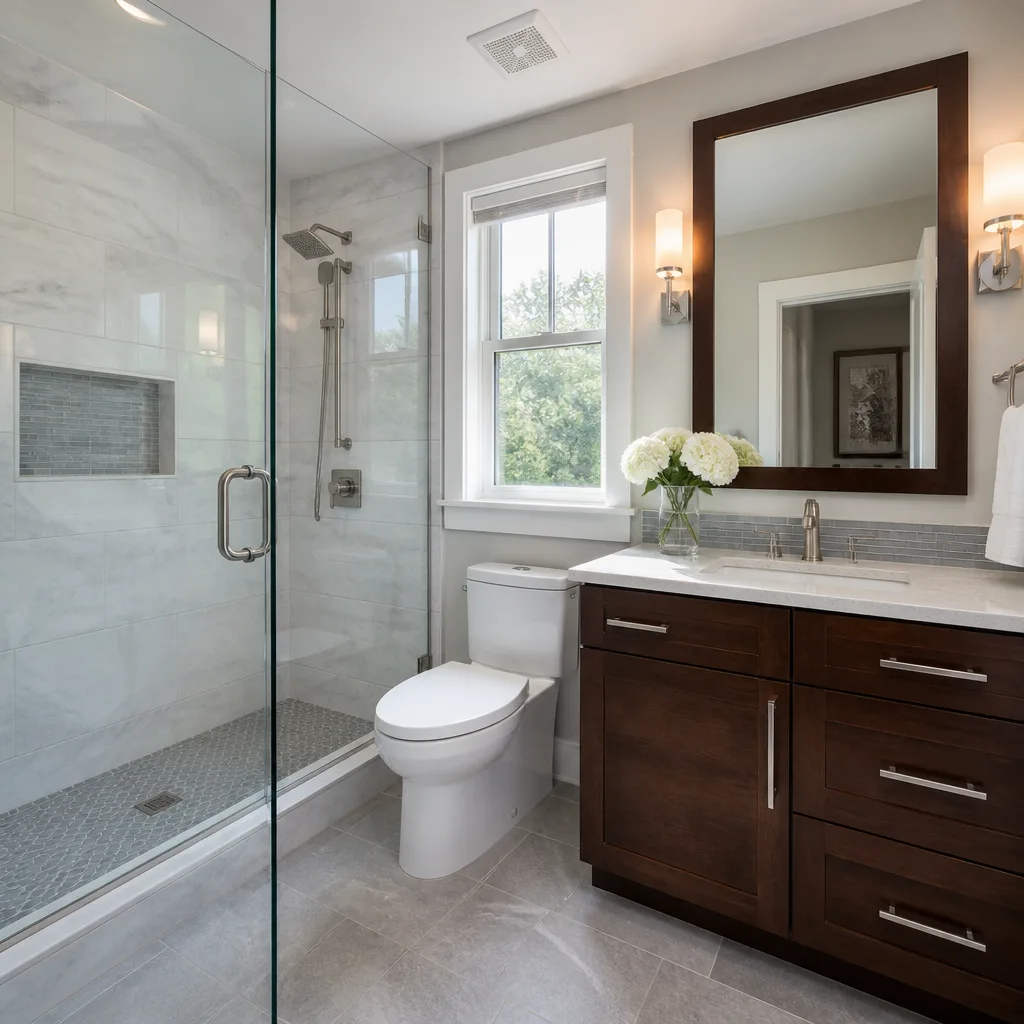 Bathroom remodeling
 Kitchen remodeling
 Home additions & ADU
 Roofing
 Windows & doors
 Driveway & pavers
 Fence
Free written scope consultation - allowances, timeline, and change-order rules on paper before a single trade is scheduled
DIY vs Professional Bathroom Remodeling: What’s Safe to Do Yourself
Painting your bathroom yourself saves money. Installing your own shower pan without a permit can cost you a sale, because in Miami-Dade County, unpermitted wet-area work shows up on a 4-point inspection and can kill a closing weeks before the movers arrive. That’s the part most DIY guides leave out. They’ll tell you how to set tile and mount a vanity, but they won’t tell you which of those projects gets flagged by an inspector, an insurance carrier, or the next buyer’s real estate agent. This guide draws a clear line: what’s genuinely safe to do yourself in a Miami Gardens bathroom, what has a hard DIY ceiling, and what carries code, permit, and liability consequences that follow the house long after you’ve hung up the trowel.
Quick Answer
In Miami Gardens, you can safely handle cosmetic work yourself: painting, swapping a showerhead or faucet trim, replacing a toilet seat, hanging a mirror, and changing light bulbs or a vanity fixture cover. Anything involving plumbing inside the wall, electrical work beyond a fixture swap, moving a drain or supply line, or building a shower pan requires a licensed contractor and a Miami-Dade County permit. The line isn’t about whether you’re handy. It’s about what a future inspection will see.
Styles & brands we work with
- Kitchen remodeling
- Bathroom remodeling
- Home additions & ADU
- Roofing
- Windows & doors
- Driveway & pavers
- Fence
Table of Contents
- What Triggers a Bathroom Permit in Miami-Dade County?
- The DIY-Friendly Zone: Tasks With No Permit Risk
- Where the DIY Ceiling Is, Exactly
- Why Plumbing Rough-In Belongs to a Licensed Contractor
- The Hidden Cost of Wet-Area Mistakes in South Florida
- How to Work Alongside a Contractor on a Partial DIY
- Common Mistakes to Avoid
- When to Call a Professional
What Triggers a Bathroom Permit in Miami-Dade County?
Florida doesn’t hand out permits for a straight cosmetic refresh. It hands them out when the work touches the systems that keep a house safe and insurable: plumbing supply lines, drain lines, electrical circuits, structural framing, and waterproofing assemblies behind tile. In Miami-Dade County, the trigger for a bathroom permit is almost always a change to one of those systems, not the paint color.
Here’s how the line actually gets drawn for a typical Miami Gardens bathroom:
- Permit required: moving a toilet drain, adding a sink or shower supply line, relocating a vanity, installing a new shower pan or tile shower with a waterproofing membrane, changing the layout of the room, adding an exhaust fan tied into a new circuit, or any work that opens the wall to plumbing or wiring.
- No permit required: repainting walls and ceilings, replacing a showerhead, swapping a faucet with a shut-off valve behind it (in most cases this is a minor plumbing repair, not a rough-in), replacing a toilet with one in the same location, hanging a mirror, replacing a towel bar, or changing a vanity light fixture where the existing wiring stays put.
- The gray zone: replacing tile over an existing, sound substrate may not need a permit, but if the tile comes off and the waterproofing behind it is compromised, you’re now doing wet-area work and your inspector will want to see a proper membrane assembly.
Miami-Dade County enforces the Florida Building Code and the Florida Residential Code, both of which treat wet-area waterproofing as a system, not a surface. In Miami Gardens, our crews pull permits on every eligible job because the permit inspector works for you. That’s not a slogan. It’s the difference between a bathroom you can sell without a fight and one you can’t.
The DIY-Friendly Zone: Tasks With No Permit Risk
These are the projects we routinely tell Miami Gardens homeowners to go ahead and do themselves. They’re reversible, they don’t touch the systems behind the wall, and none of them will surface on a 4-point inspection or a buyer’s walkthrough.
- Painting. The single highest-return DIY task in a bathroom. Use a bathroom-rated semi-gloss or satin so the walls survive Miami Gardens humidity. Tape carefully, and know that paint will not fix a peeling ceiling (that’s moisture, and it’s a different problem).
- Replacing the showerhead. Unscrew, tape the threads, screw on the new one. No permit, no risk, and a 15-minute upgrade.
- Swapping faucet handles or a decorative trim kit. As long as you don’t disturb the rough-in valve, this is cosmetic and safe.
- Replacing a toilet seat, towel bars, and vanity hardware. Straightforward hardware swaps.
- Hanging a mirror or shelving. Measure twice, use the right anchors for the wall type, and avoid drilling where you know there’s a supply line or drain.
- Regrouting and resealing tile. Replacing cracked grout or worn caulk around a tub is a genuine DIY task, and it’s one of the best things you can do for a South Florida bathroom. Water finds the path of least resistance, and old caulk is a highway.
- Updating a light fixture’s shade or cover. A shade or trim swap is fine. A new fixture on new wiring is not.
If a task on this list makes you nervous about what’s behind the wall, that’s your signal to stop and call. The ceiling is closer than you think, and it’s not where most people assume.
Where the DIY Ceiling Is, Exactly
The DIY ceiling is the point where the work stops being cosmetic and starts being part of the house’s systems. In practical terms, that ceiling sits at the moment one of these five things happens:
- Touching a supply or drain line. Once the wall opens and a pipe is cut, sweated, or moved, a licensed plumber and a permit are involved.
- Modifying electrical beyond a fixture swap. New circuits, fan wiring, GFCI protection changes, and in-wall routing are licensed electrician work in Florida.
- Building a shower pan or a tile shower. The waterproofing assembly is code-regulated, and errors don’t show up until months later.
- Moving walls or framing. Structural changes in a Miami Gardens home require engineering and permitting.
- Anything a permit inspector will eventually see. If the work is visible on the final inspection or during a future home sale, it’s over the ceiling.
We’ve seen homeowners try to slide under this ceiling by doing rough-in themselves and calling in a pro only to set tile. The result is usually the same: the tile guy can’t warrant a shower he didn’t build, the inspector can’t approve a rough-in he didn’t see, and the homeowner is left holding the bill for a rebuild. If you want a professional finish on a project, Barrett & Sons Construction Miami Gardens home is where we walk through the scope line by line before anyone touches the room.
Why Plumbing Rough-In Belongs to a Licensed Contractor
Plumbing rough-in means the pipes behind the wall: supply lines, drain lines, the shower valve, the toilet flange, the wet venting. In Florida, this work is licensed for a reason. It has to be done to grade, with the right slope, the right fittings, and the right joint at every connection. And it has to pass a rough-in inspection before the wall closes.
The risk isn’t just doing it badly. It’s doing it in a way that looks fine and fails slowly. A shower valve set a quarter-inch too deep won’t leak on install. It will leak six months later, behind tile, where you can’t see it. By the time it shows on a baseboard or a ceiling below, the damage is usually more than the plumbing was worth.
Here’s the part nobody tells you about South Florida plumbing specifically: our water is hard, our summer humidity sits in the nineties, and homes built in the 1970s and 1980s (a large share of Miami Gardens housing stock) still have original fittings. Opening a wall to “just move one pipe” frequently turns into a bigger scope. A licensed contractor pulling a permit is the one who catches that before it becomes an emergency. We’d rather you hire a pro for the rough-in and save your DIY budget for the finish work than have you discover a forty-year-old drain leak on your own.
For larger structural scopes, the same logic applies beyond the bathroom. The crews behind Home Additions & ADU in Miami Gardens see it constantly: a small addition that started as a DIY wall move, then became a permitted project when the first inspector visit revealed the wiring wasn’t to code.
The Hidden Cost of Wet-Area Mistakes in South Florida
The worst bathroom mistake is the one you can’t smell until it’s expensive. Water behind tile doesn’t announce itself. It travels, soaks into cement board, and starts working on the subfloor and joists. In Miami Gardens, where the summer humidity is relentless and a bathroom can stay damp for days, that process runs faster than homeowners expect.
What we look for when we open a bathroom that’s had DIY wet-area work:
- Soft subfloor around the toilet flange. Usually from a wax ring installed without a clean flange, or a pan built without proper slope.
- Black or crumbly cement board behind tile. A sign the waterproofing wasn’t a proper membrane assembly.
- Water stains on the ceiling below or on a baseboard in an adjacent room. Slow leaks rarely stay contained.
- Joist discoloration or softness. This is the one that turns a bathroom remodel into a structural repair, and it can run into thousands.
- Swollen door frames and buckled baseboards near the bathroom entrance. Water escapes along the floor line.
By the time any of these is obvious, you’re past the “call someone” stage and into the “rebuild a section of floor” stage. The number we don’t want to give you isn’t the one for the tile. It’s the one for the joists.
We build shower assemblies and wet-area waterproofing with the same discipline on every job, and we recommend the same discipline to anyone in Miami Gardens doing a partial remodel. Exterior water management matters too, which is why homeowners doing a full property refresh often pair the bathroom with Driveway & Pavers in Miami Gardens to keep runoff away from the foundation.
How to Work Alongside a Contractor on a Partial DIY
The middle path is real, and it’s how a lot of smart Miami Gardens homeowners save money on a bathroom remodel without touching a permit. The idea is simple: let the licensed contractor handle the permitted, code-regulated work (plumbing, electrical, waterproofing, shower pan), and you take over the finishes and cosmetic work after final inspection. Same result, less cost, no liability headache.
Here’s how a partial DIY usually runs:
- Scope the line in writing before anyone starts. Every task gets assigned to either the contractor or the homeowner. Nothing lives in the gray zone.
- Contractor handles rough-in and inspection. Plumbing, electrical, and the shower assembly go in first and pass rough-in before the wall closes.
- Contractor closes the walls, waterproofs, and sets the tile substrate. Once the wet-area assembly is right, the rest is finish work.
- Homeowner takes over finishes. Paint, trim, vanity hardware, mirror, shelving, caulk, and accessory installs. These are the tasks that don’t touch a permit and don’t void a warranty.
- Final inspection by the county. The contractor stays on the permit until it’s signed off. Your cosmetic work doesn’t interfere with that.
One caution: don’t do finishes until the permitted work is closed out. We’ve seen homeowners paint and trim a bathroom before the final inspection, then have to open a wall to fix something the inspector flagged. It’s a headache, and it’s avoidable. If you’re doing the whole house at once, Fence Installation in Miami Gardens is a good reminder of the same rule in a different trade: the permitted part goes in first, the good stuff goes in after.
Common Mistakes to Avoid
- Building a shower pan from a video. The slope has to be precise and the waterproofing has to be a full assembly. A pan that’s off by a fraction of an inch doesn’t leak on install. It leaks in year two.
- Assuming permits are optional. They aren’t. Unpermitted work becomes a problem at resale, on a 4-point inspection, and sometimes on a homeowners insurance claim. The permit is the cheapest part of a remodel.
- Moving a toilet without moving the drain. A toilet set on an offset or a worn flange is a wax ring failure waiting to happen. This is the number one source of hidden subfloor damage in Miami Gardens bathrooms.
- Replacing a light fixture without turning off the breaker. Obvious, and still one of the most common injuries in bathroom DIY.
- Painting over a moisture problem. If the paint is peeling within a year, the problem is ventilation, not paint. That’s a job for an exhaust fan and often an electrician.
- Using the wrong tile backer for a wet area. Greenboard drywall is not a shower substrate. In South Florida’s humidity, the difference matters more than it does in drier climates.
- Starting finishes before the permit closes. Cosmetic work done before final inspection often has to be undone. Wait for the sign-off, then decorate.
The pattern in all seven: the mistake isn’t the work itself, it’s the work done out of order or without the systems underneath being right. When you’re ready to see how a licensed pre-remodel scope looks, Barrett & Sons Construction Miami Gardens home lays out every allowance and every price change in writing before the first nail moves.
When to Call a Professional
Call a licensed contractor when the work touches the wall, the water, the wiring, or the framing. Specifically: any plumbing beyond a fixture swap, any electrical work beyond a fixture cover, moving a drain or supply line, building a shower pan or tile shower, moving a toilet to a new location, adding an exhaust fan on a new circuit, structural changes, or any job that triggers a Miami-Dade County permit. If the room is more than 15 or 20 years old and the plumbing has never been opened, that’s also a call-worthy scope, because what’s behind the wall is rarely what the homeowner hoped. Barrett & Sons Construction Miami Gardens offers free estimates in Miami Gardens. Call (844) 797-8316 to schedule yours.
See the difference
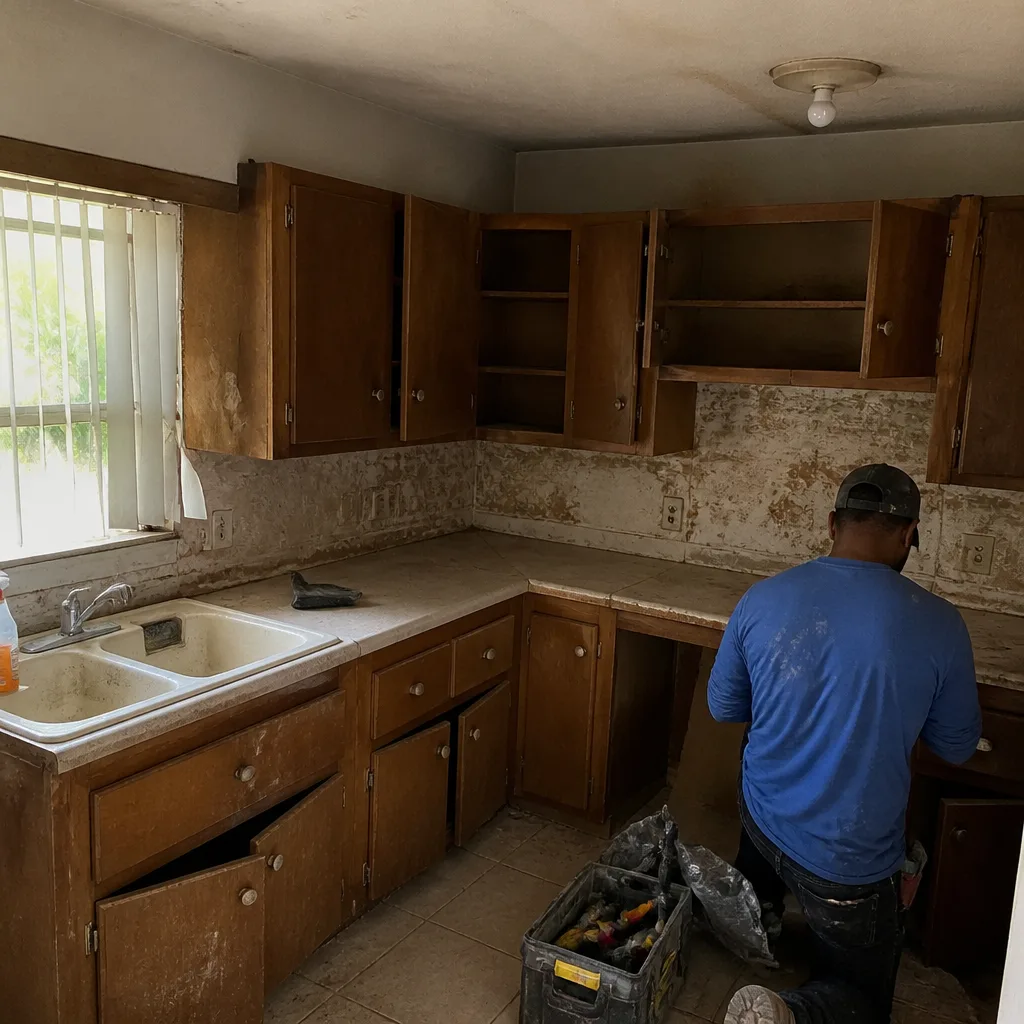 Before
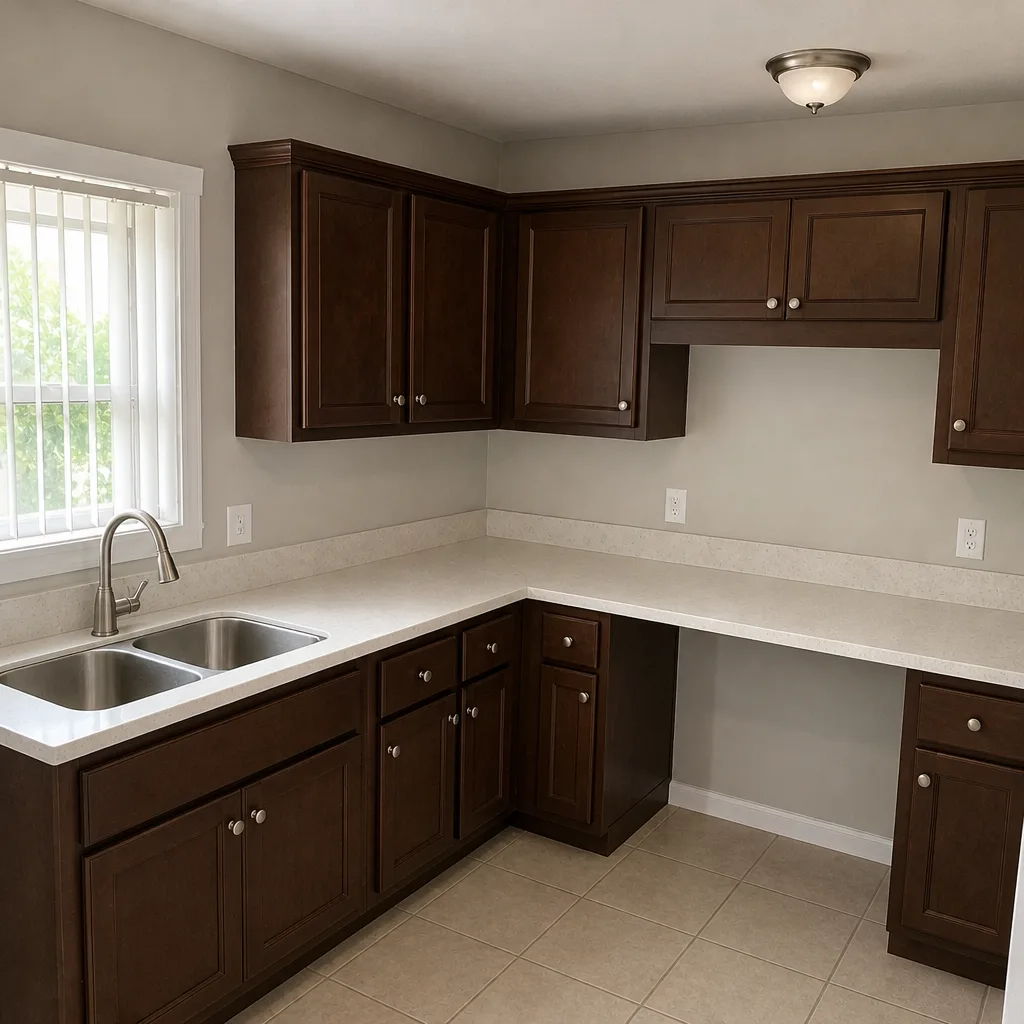 After
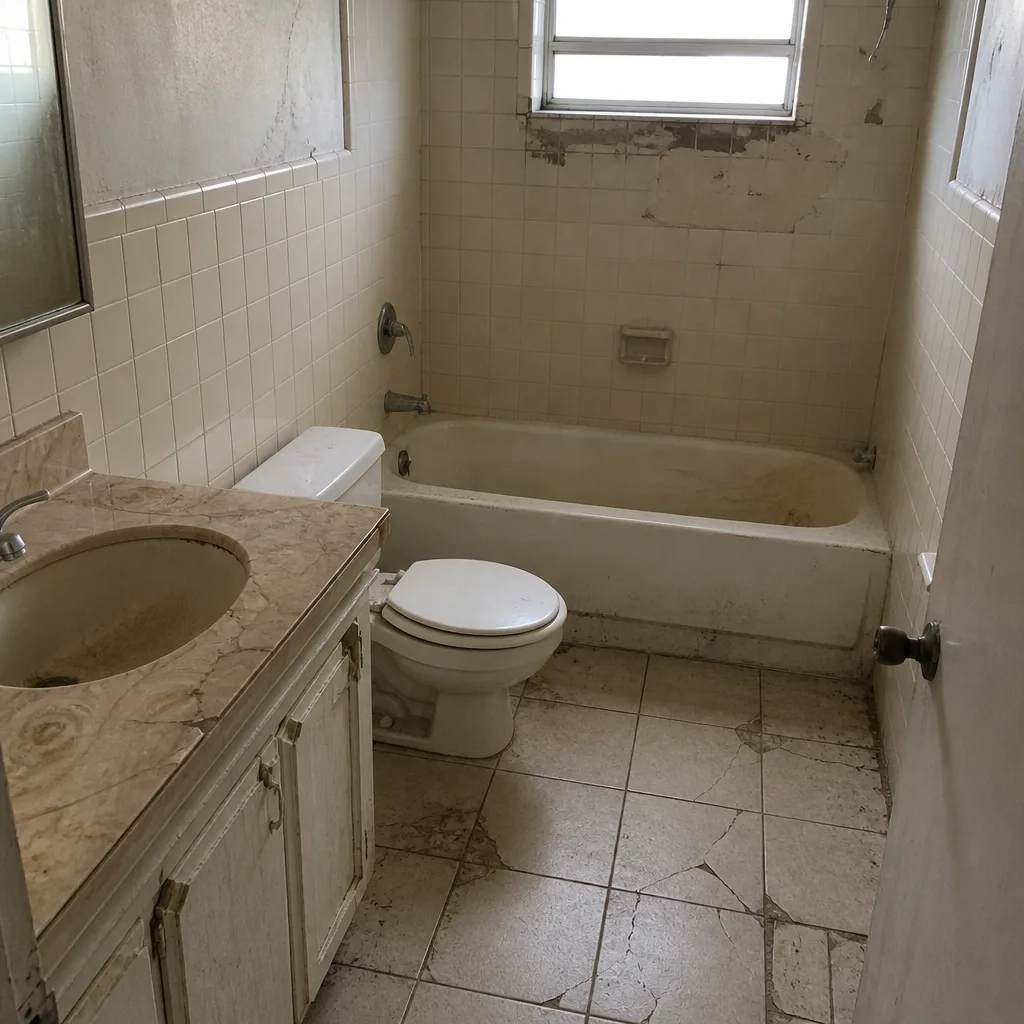 Before
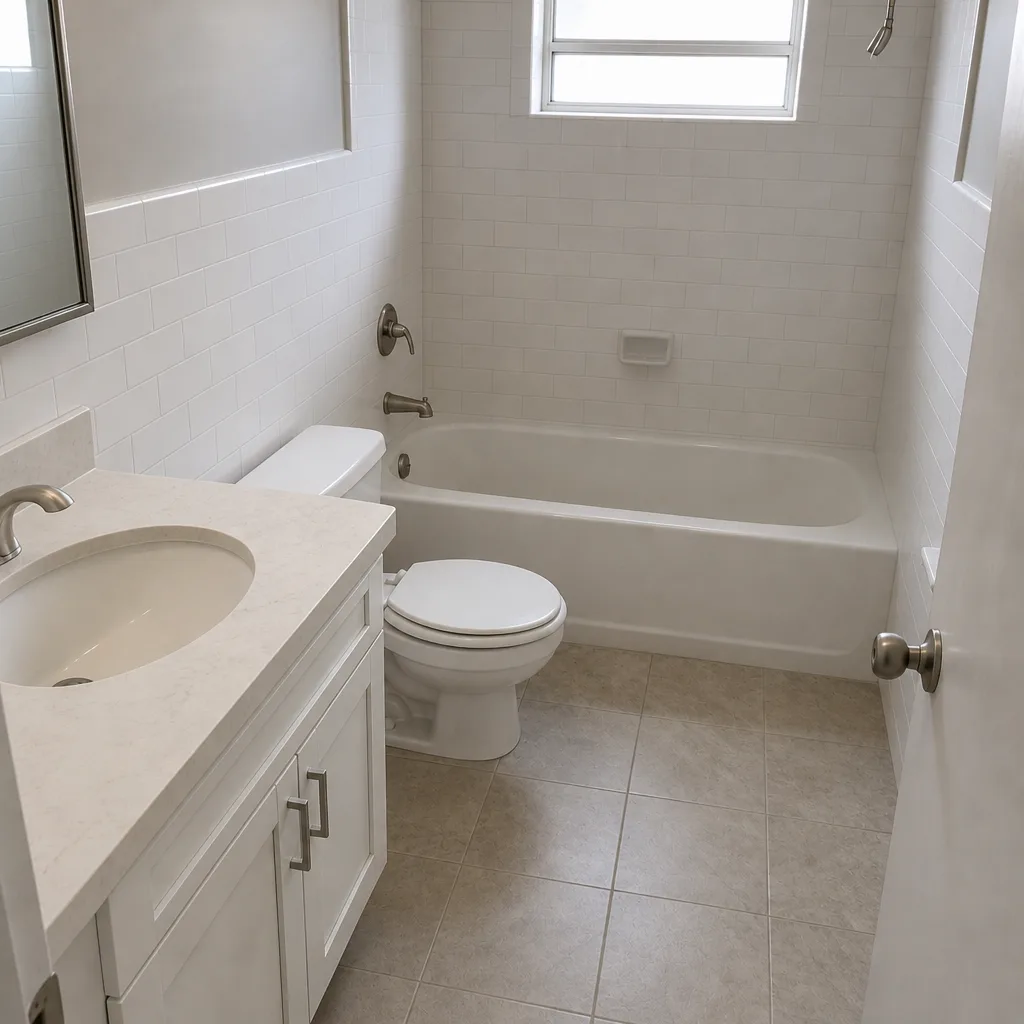 After
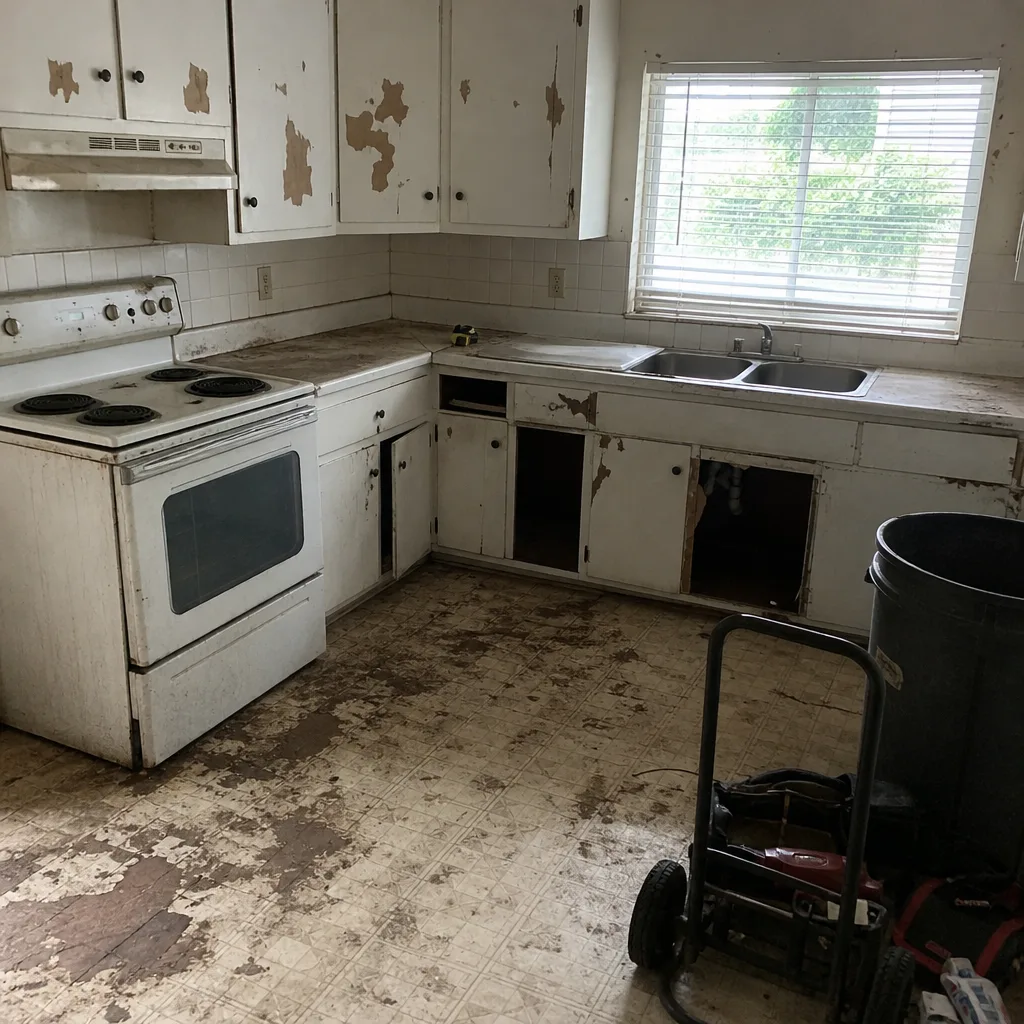 Before
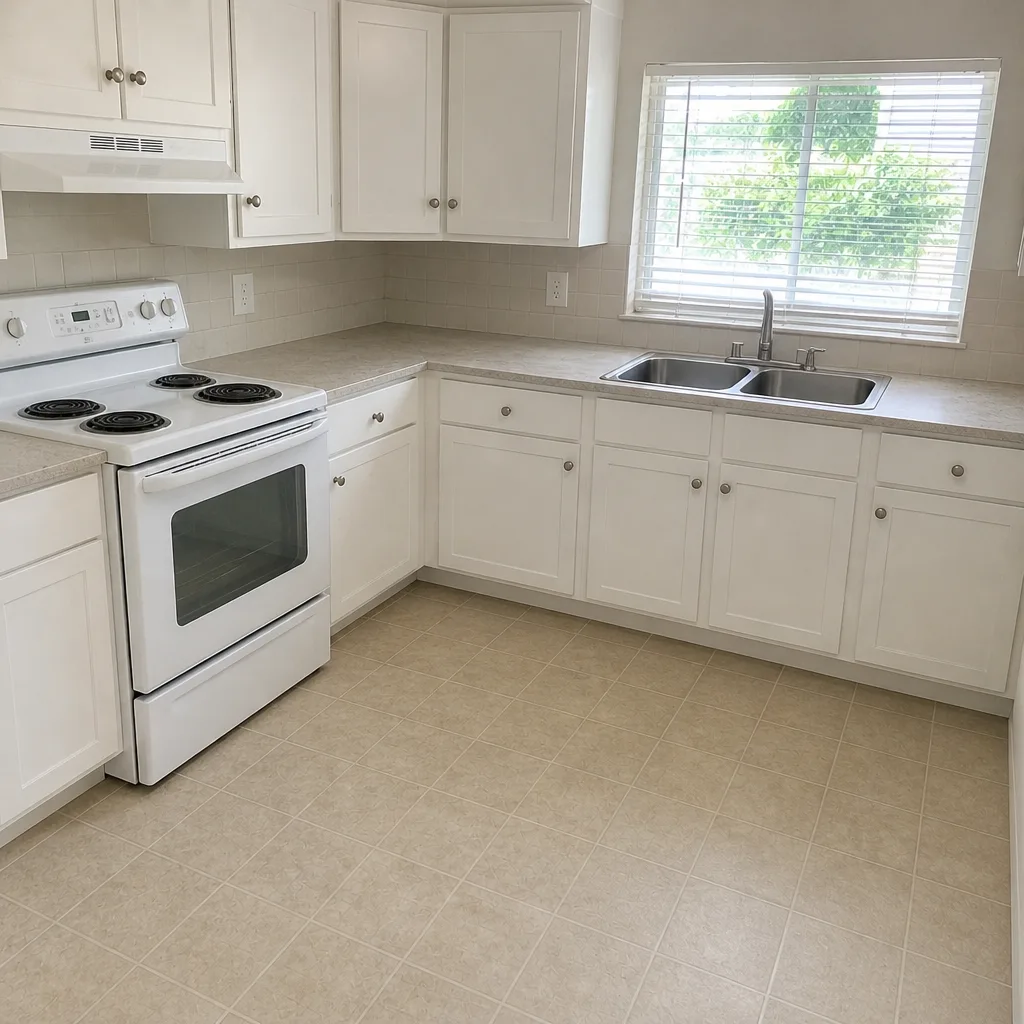 After
Frequently Asked Questions
Yes, in most cases, if the work touches plumbing, electrical, structural framing, or a wet-area waterproofing assembly. Cosmetic work like paint, tile finishes over sound substrate, and fixture swaps usually doesn’t require a permit in Miami-Dade County. Call (844) 797-8316 for a free estimate and we’ll tell you exactly which tasks in your bathroom need one.
Painting, replacing a showerhead, swapping faucet trim, replacing a toilet seat, hanging a mirror, regrouting tile, and updating a light fixture cover are all safe DIY tasks that don’t trigger a permit requirement. The line is anything that opens the wall or touches a supply line, drain, circuit, or shower assembly. Call (844) 797-8316 if you’re unsure where a specific project falls.
It can, significantly. Unpermitted wet-area work often surfaces on a 4-point inspection or a buyer’s walkthrough, and it can delay or kill a closing. Miami-Dade County keeps permit history, and a buyer’s inspector will check it. Call (844) 797-8316 for a free estimate on permitted work before you start.
Yes, and it’s a smart way to save money. The safest pattern is to let a licensed contractor handle the permitted plumbing, electrical, and shower assembly, pass inspection, and then take over the finish work yourself. Every task gets a written assignment so nothing sits in the gray zone. Call (844) 797-8316 to scope a partial-DIY project.
A typical full bathroom remodel with permits runs several weeks, and the exact timeline depends on the scope, the inspection schedule, and material lead times. Permit approval and inspection windows add time; they aren’t something a contractor can skip. Call (844) 797-8316 for a written schedule with your free estimate.
We install the brands you can look up and verify, not mystery labels off a van. For bathroom and whole-home projects, we work with manufacturers like Cover, Mighty Buildings, and Boxabl where they fit a client’s scope, and we name every specified material in the written estimate. Call (844) 797-8316 to talk through your bathroom materials.
The Bottom Line
The question isn’t whether you’re handy enough to do bathroom work yourself. It’s whether the task carries code, permit, and liability consequences that follow the house. In Miami Gardens, painting, hardware swaps, showerheads, mirrors, and regrouting are genuinely DIY-friendly. Plumbing rough-in, electrical beyond a fixture swap, shower pan construction, and anything that opens a wall belongs to a licensed contractor and a Miami-Dade County permit. The middle path, a partial DIY with the permitted work handled first, is where most homeowners save real money without risking a closing. When you’re ready to scope a bathroom remodel the right way, Barrett & Sons Construction Miami Gardens home gives you written change orders, permits pulled, and inspections signed on every eligible job.
Barrett & Sons Construction Miami Gardens backs bathroom and kitchen work with the written 90-Day Done Right Promise, pulls permits and signs inspections on every eligible job, and puts every allowance and every price change in a written change order before work moves. Our crews have up to 28 years of experience, and we publish standing offers: $40 Off Any Repair Over $200, Free Second Opinion on Any Written Estimate, No Trip Charge Inside the County, and a permanent 10% Senior & Veteran discount. Call (844) 797-8316 for a free estimate in Miami Gardens and get your scope in writing before you decide anything.
Written by the team at Barrett & Sons Construction Miami Gardens.