
Last updated November 17, 2026
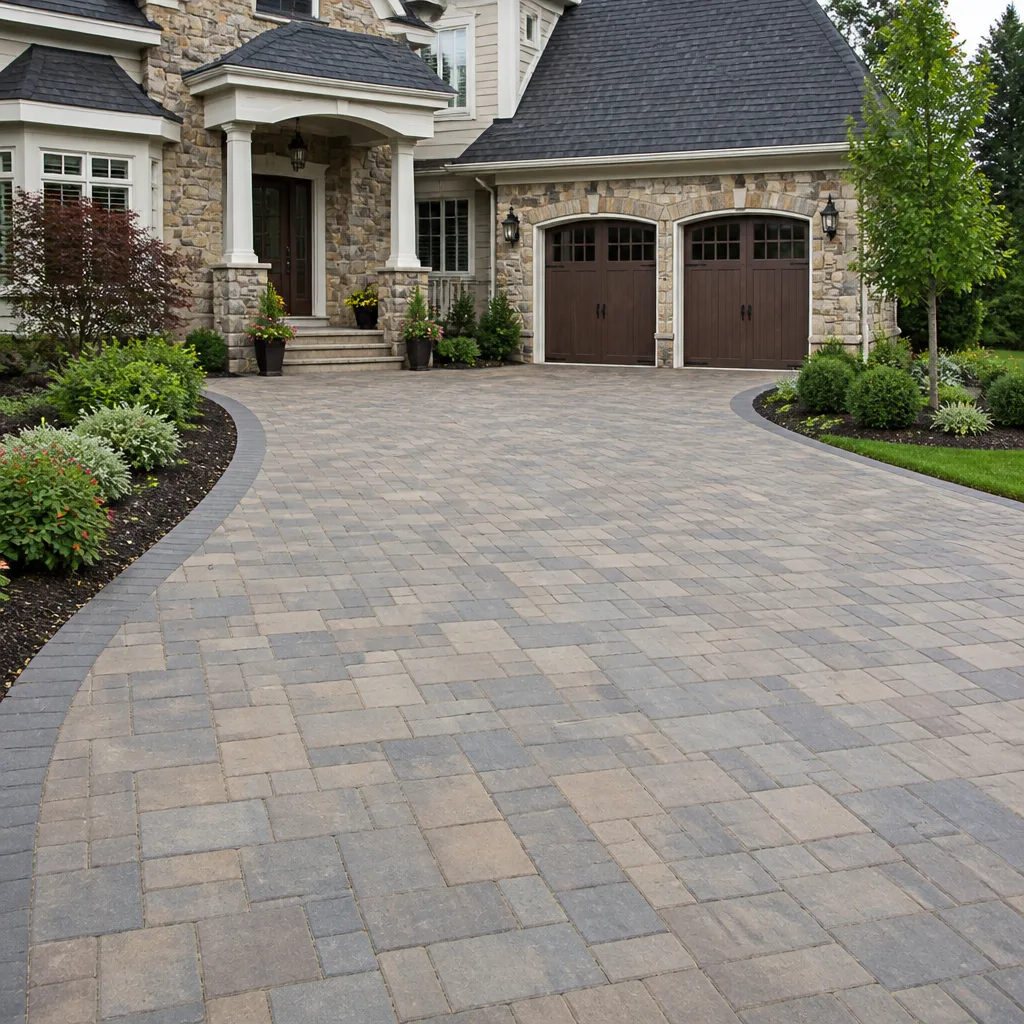 Driveway & pavers
 Kitchen remodeling
 Bathroom remodeling
 Home additions & ADU
 Roofing
 Windows & doors
 Fence
Free written scope consultation - allowances, timeline, and change-order rules on paper before a single trade is scheduled
DIY vs Professional Driveway & Pavers: What’s Safe to Do Yourself
Renting a plate compactor for the weekend doesn’t make the base work DIY-friendly. Most rental units weigh about half of what’s needed to properly compact Miami-Dade’s clay and limerock soil, and you won’t know you’ve got a problem until your driveway starts looking like a topographical map a year later. That’s the trap with pavers: the part that decides whether the surface lasts five years or twenty-five is the part amateur installers rush. This guide draws a clear line between what a handy homeowner can genuinely own and where a mistake costs double to fix. We’ll cover Miami Gardens permits, the equipment gap, honest cost math for three approaches, and how to vet a crew if you hire one.
Quick Answer
You can safely handle pattern layout, cutting with a wet saw, joint sand, and sealing on a paver driveway. You should not do your own excavation, sub-base compaction, edge restraint, or permit filing in Miami Gardens, because those steps determine structural life and code compliance, and fixing them after the fact costs more than hiring the work correctly the first time. A partial DIY approach, where a professional handles base prep and you finish the surface, is the sweet spot for most confident homeowners.
Styles & brands we work with
- Kitchen remodeling
- Bathroom remodeling
- Home additions & ADU
- Roofing
- Windows & doors
- Driveway & pavers
- Fence
Table of Contents
- What’s Actually Safe to Do Yourself
- Where DIY Breaks Down: Base, Edge, and Drainage
- Miami-Dade Permits and the Resale Liability
- The Equipment Gap That Decides Everything
- Realistic Cost Comparison: Full DIY vs Partial vs Pro
- How to Vet a Contractor Before They Pull a Permit
- Common Mistakes to Avoid
- When to Call a Professional
What’s Actually Safe to Do Yourself
There’s real work here a careful homeowner can own, and we’d rather tell you that honestly than pretend every job needs a crew. If you’re already comfortable with a circular saw and a level, these tasks are within reach:
- Pattern layout and string lines. Set your running bond, herringbone, or basketweave pattern on paper and then on the ground. This is planning work, not structural work.
- Cutting pavers. A wet saw rented for a weekend handles straight and angled cuts on concrete pavers cleanly. Watch your water supply and blade depth.
- Placing the field pavers. Once the base is set and compacted, laying the surface is repetitive but forgiving. You can learn on the job.
- Joint sand and vibration of the surface course. Sweeping polymeric sand into joints and running a small plate compactor over the top layer is manageable.
- Sealing. Wait the manufacturer-recommended cure time, then apply sealer with a roller. This is the easiest step to own.
Notice what’s missing from that list: excavation, sub-base, edge restraint. Those are the tasks that make a driveway a driveway instead of a pile of pavers. In Miami Gardens, where summer rain comes hard and fast, drainage slope and base depth are what keep water moving away from your slab and foundation instead of pooling against the house. If you want to own the finish work, we say go for it. Just don’t stretch the definition of “safe to DIY” past the finish line.
Where DIY Breaks Down: Base, Edge, and Drainage
The base is where amateurs lose. A paver driveway needs six to twelve inches of properly graded, mechanically compacted aggregate underneath, depending on soil and traffic. In Miami-Dade, our clay-heavy soil and high water table mean that base has to shed water, not trap it. Skip the proper lift-and-compact sequence and you get settling, rocking pavers, and joint sand that washes out every storm.
The three failure points
- Undercut excavation. Amateurs dig four to six inches; professionals dig deeper and grade the subgrade away from the structure. Shallow excavation leads to frost-heave-style movement even in a warm climate, triggered by soil moisture changes.
- Insufficient compaction. Base aggregate needs to go down in three-to-four-inch lifts, wet and compacted to density each time. One thick layer, one pass with a rental plate, and you have voids.
- Edge restraint. Without proper edge restraint pinned into the base, pavers walk apart within two or three seasons. This is a hidden catch: you don’t see the failure until the outer row has already shifted and the joint pattern has opened.
We’ve seen Miami Gardens driveways fail in exactly these three places, usually within two summers of a DIY install. If a homeowner calls us to repair, we’re often pulling up the whole surface to fix the base underneath. That’s the doubled cost that makes DIY a false economy on the structural portion.
Miami-Dade Permits and the Resale Liability
Here’s what most DIY guides leave out. Miami-Dade County requires a permit for driveway work that alters the footprint, connects to the right-of-way, or changes drainage, and the threshold for “alters” is lower than homeowners assume. If your driveway touches the swale or the public sidewalk approach, you’re in permit territory. If you’re replacing in kind, you may not be. The difference matters, and it matters most at resale.
Unpermitted hardscape shows up in a title search or a buyer’s home inspection. A buyer’s lender can require it be brought to code, at your expense, before closing. In Miami Gardens, where a lot of homes get sold within a family and then to an outsider, this catches people off guard. The permit inspector works for you, not for the contractor; that’s why we like him. When we pull permits on driveway work, the inspection record becomes part of your property’s paper trail, and that’s value you can point to when you sell.
If you decide to handle the surface work yourself but hire out the excavation and base, the professional you hire should still pull the permit in their name, with you as the property owner of record. Never let a contractor pull a permit in your name as the “contractor of record” unless they actually hold the license for the work. That’s one of the three questions we come back to later.
The Equipment Gap That Decides Everything
This is where the DIY math quietly collapses. The plate compactor you can rent at a Miami-area equipment yard is usually in the 150-to-300-pound range. A professional crew working a paver driveway runs a vibratory plate in the 350-to-500-plus pound range, often a reversible plate, sometimes a ride-on roller for large areas. Half the weight means half the compaction energy. On clay soil, that gap is the difference between a base that holds and a base that moves.
Rental yards also don’t send you a technician who knows Miami-Dade soil. A pro crew running base on a Miami Gardens driveway knows to adjust lift thickness and moisture for the limerock-and-clay mix under your particular lot, because two blocks over the soil can behave differently. Our technicians have up to 28 years of experience reading that soil, and it still surprises us some weeks.
What the equipment gap means in practice
- Under-compacted base settles unevenly, usually along the tire tracks first.
- Joint sand washes out faster when the base holds water.
- Edge restraint fails sooner because it has nothing solid to pin into.
- Your weekend rental saves maybe $300 and costs $3,000 to correct two summers later.
If you want to hire out just the excavation and base and take the surface yourself, that’s a smart compromise, and we’ll talk numbers next. It’s how a lot of hands-on homeowners in Miami Gardens get the driveway they want without handing off the whole project. You’ll find our full service scope on the Driveway & Pavers in Miami Gardens page if you want to see where the line typically gets drawn.
Realistic Cost Comparison: Full DIY vs Partial vs Pro
Numbers below are approximate ranges for a typical 400-to-600 square-foot residential driveway in Miami Gardens, based on what we see in this market. Your lot, soil, and paver choice will shift them. Treat these as planning ranges, not quotes.
| Approach | Typical Range | Failure Risk | Who Owns the Warranty |
|---|---|---|---|
| Full DIY (everything yourself) | $4,500 – $8,000 in materials and rentals | High over 5 years | You do |
| Partial DIY (pro does excavation + base, you lay surface) | $7,000 – $11,000 all-in | Moderate | Split, and worth getting in writing |
| Full professional install | $10,000 – $18,000 all-in, with permits | Low, with a written warranty | The contractor does |
Notice the partial DIY option sits close to the full pro install on a small driveway. The dollar savings from partial DIY are real, but the gap narrows fast when you factor in your weekends, tool rentals, and the risk that the surface you laid over a good base still has a joint-sand or sealing issue you’ll chase for a season. For a larger driveway, the savings gap widens and partial DIY becomes a much more attractive option.
Then there’s the failure-rate context. In our experience, full DIY driveways in South Florida show visible failure (settling, walking edges, washout) within roughly five to seven years at a rate considerably higher than professional installs, simply because the base work is where the failure originates. A properly installed professional driveway should look essentially the same at fifteen years, assuming normal maintenance. That’s what you’re really paying for.
The materials themselves matter, too. We install Belgard and Techo-Bloc pavers because they’re traceable, and you can look up the specs and the color lot before a single one gets delivered. We don’t install mystery pavers off a van. The same applies if you buy your own for a partial DIY: budget for a real paver with a real spec sheet, not the cheapest pallet from a big-box store.
How to Vet a Contractor Before They Pull a Permit
If you decide to hire, ask three questions before you hand anyone your property. These are the ones that separate a contractor you can call back from a contractor you’ll never see again.
- “What is your license number, and can I look it up?” A legitimate contractor publishes their name, address, and license number. Barrett & Sons publishes all three: look it up before you sign anything. If the person on the phone can’t recite the number without checking a card, that’s a red flag.
- “Will every change in scope arrive in writing before work proceeds?” An allowance that isn’t on paper is a surprise waiting for a date. The single most common complaint about national outfits is exactly this: one price on the phone, a different bill at the door. Ask for a written change order process up front.
- “Who pulls the permit, in whose name, and who signs the inspection?” If the answer is “you pull it as the homeowner,” walk. The contractor of record should be the one carrying the license for the work, and the inspection record should reflect them, not you.
Beyond those three, ask about crew consistency. If you’re hiring, you want to know that the people doing the work answer to the same name on the truck, not a rotating dispatch. We’re a family operation; Tom Barrett and his sons are on-site most days, and the crew carries the name off-hours too. Our 90-Day Done Right Promise is written on every contract, not buried in fine print, and one call brings Tom back if something’s not right. Callers reach a live person, day or night. That’s the standard we’d want if we were hiring someone to tear up our driveway.
One more thing: get a written line-item estimate, not a lump sum. You want to see excavation, base, pavers, edge restraint, sand, sealing, and permits broken out so you can compare apples to apples across bids. Free second opinions on any written estimate are a standing offer with us, and we mean it. If your first bid looks off, we’ll tell you.
Common Mistakes to Avoid
- Skipping the lift-and-compact sequence on the base. One thick layer, one pass with a rental plate, and the base never reaches density. This is the number-one cause of paver failure in Miami-Dade.
- Assuming a driveway replacement doesn’t need a permit because it’s “the same size.” If it touches the swale or public approach, it does. Check with Miami-Dade County before you start, or let a licensed contractor handle the question.
- Choosing permeable pavers because they sound eco-friendly, without checking the sub-base spec. Permeable systems need a specific open-graded base and storage layer. If your installer treats them like standard pavers, they’ll clog and pool within a season.
- Ignoring the Florida sun and salt air when choosing joint sand and sealer. Cheap polymeric sand and off-brand sealers break down faster in Miami Gardens than in most of the country, and redoing them is a costly do-over.
- Laying the surface on top of a base that wasn’t edge-restrained. The outer row walks within a few seasons, and once the pattern opens, you’re pulling up more than just the edge.
- Letting a contractor pull permits in your name as “owner-builder.” This shifts code liability to you and can complicate resale. The licensed contractor should be the contract holder of record.
- Not asking for a written change order when the scope moves. Verbal quotes are not worth the paper they’re written on. Get it in writing, every time, before work proceeds.
When to Call a Professional
Call a professional if your driveway touches the public right-of-way, if the existing slab has settlement or drainage issues, if the proposal involves any excavation deeper than a couple of inches, or if you’re installing on a slope of any kind. Also call if you’re working with permeable pavers, or on a lot with a known water table issue (common east of the turnpike in Miami Gardens). Those are the conditions where a weekend project becomes a multi-summer problem. Barrett & Sons Construction Miami Gardens offers free estimates in Miami Gardens. Call (844) 797-8316 and we’ll tell you honestly which portion of your driveway is safe for you to own and which isn’t.
If your project overlaps with other outdoor work, our Fence Installation in Miami Gardens team handles adjoining fence lines that often need re-setting when driveway grading changes. If the driveway is part of a bigger property project, we also handle Home Additions & ADU in Miami Gardens, and we coordinate the driveway apron and approach with the addition footprint so you’re not tearing out surfaces twice. And of course, everything rolls up under the umbrella at Barrett & Sons Construction Miami Gardens home.
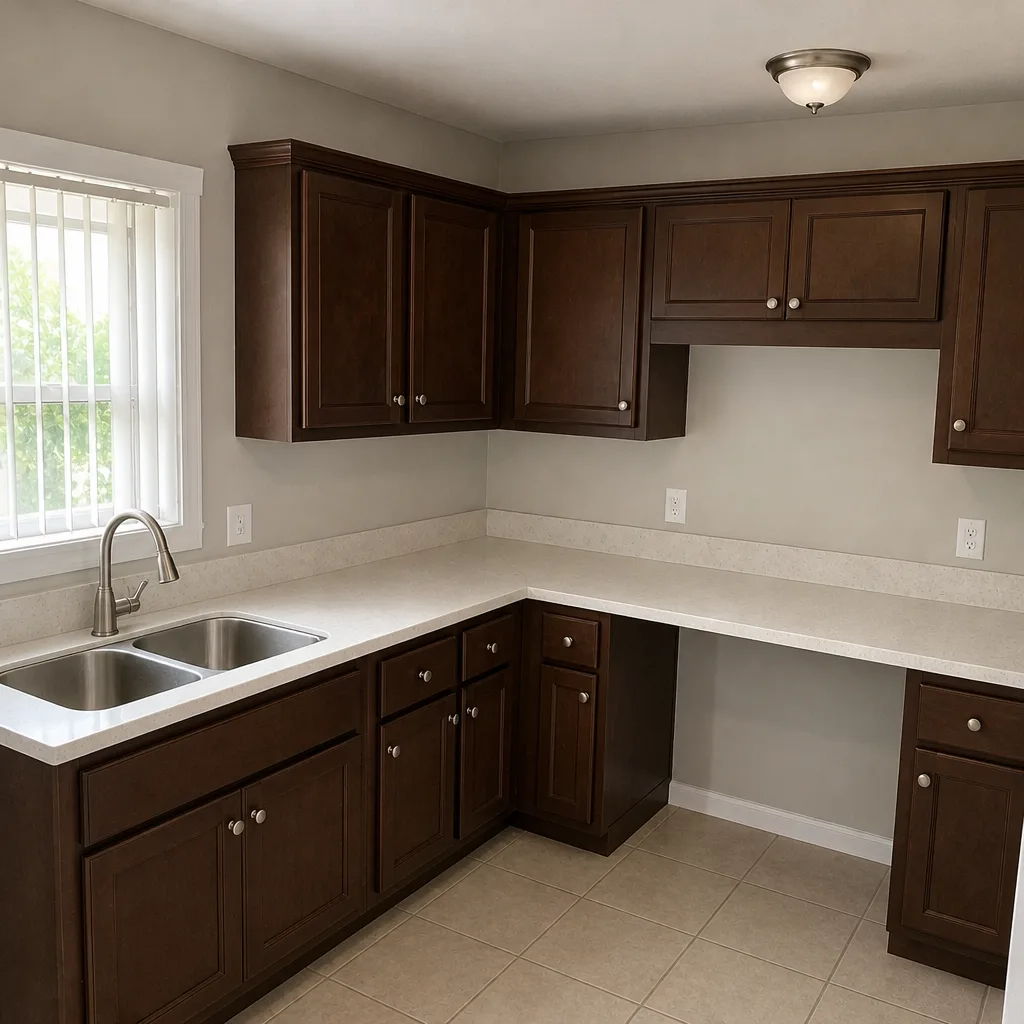
See the difference
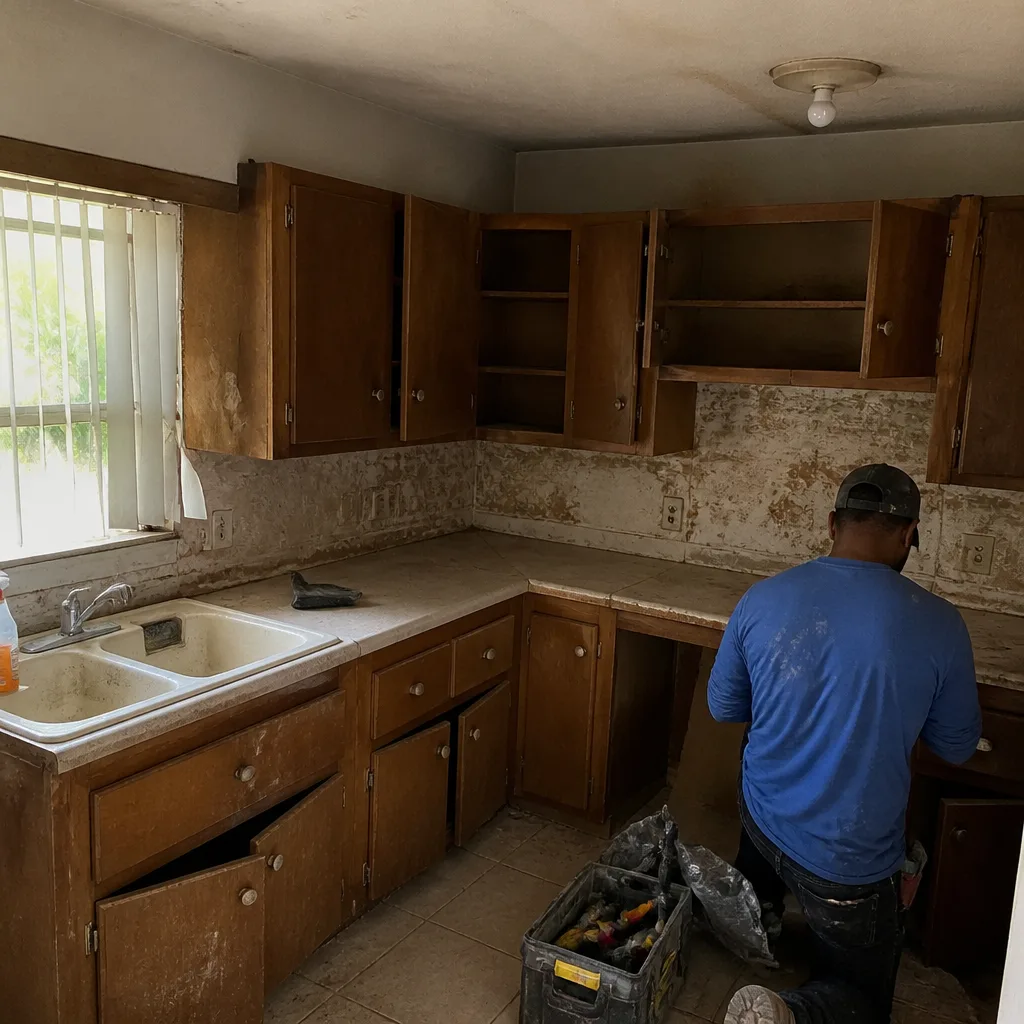 Before
 After
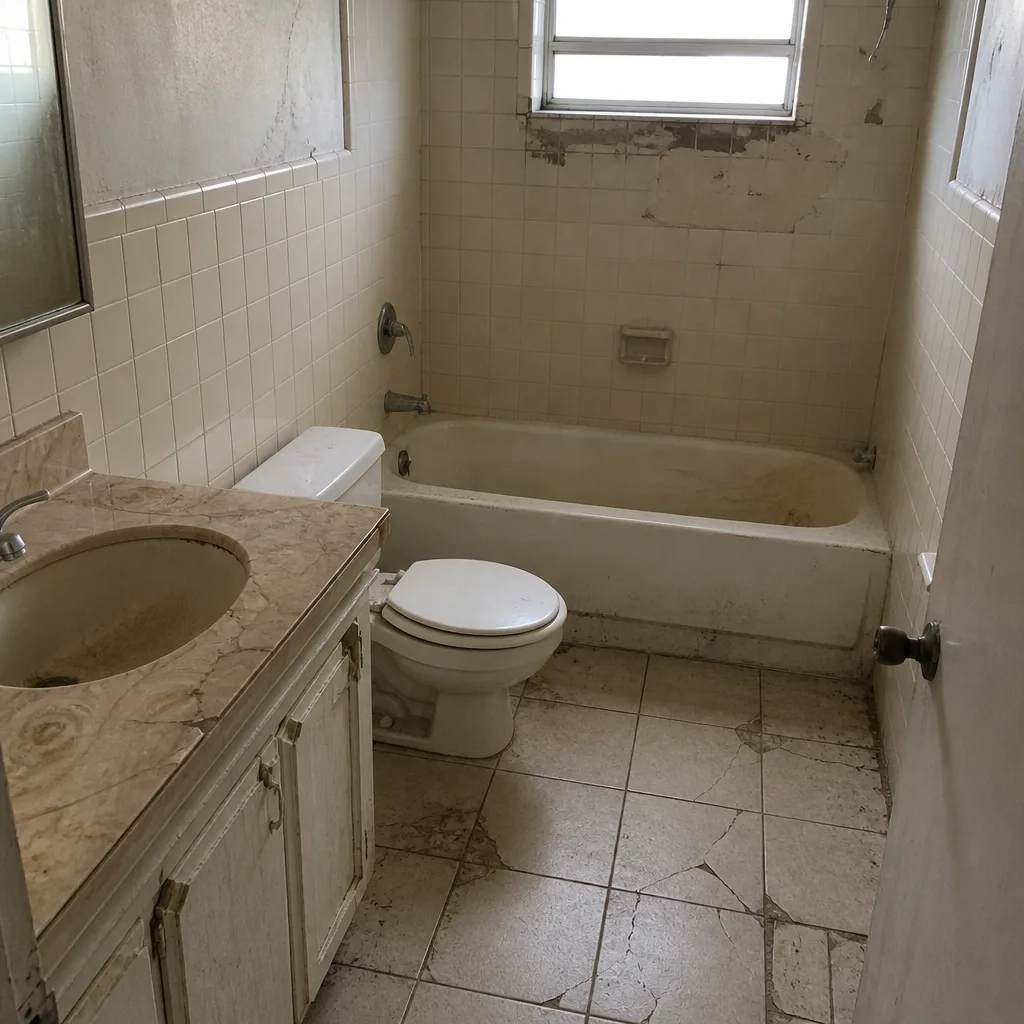 Before
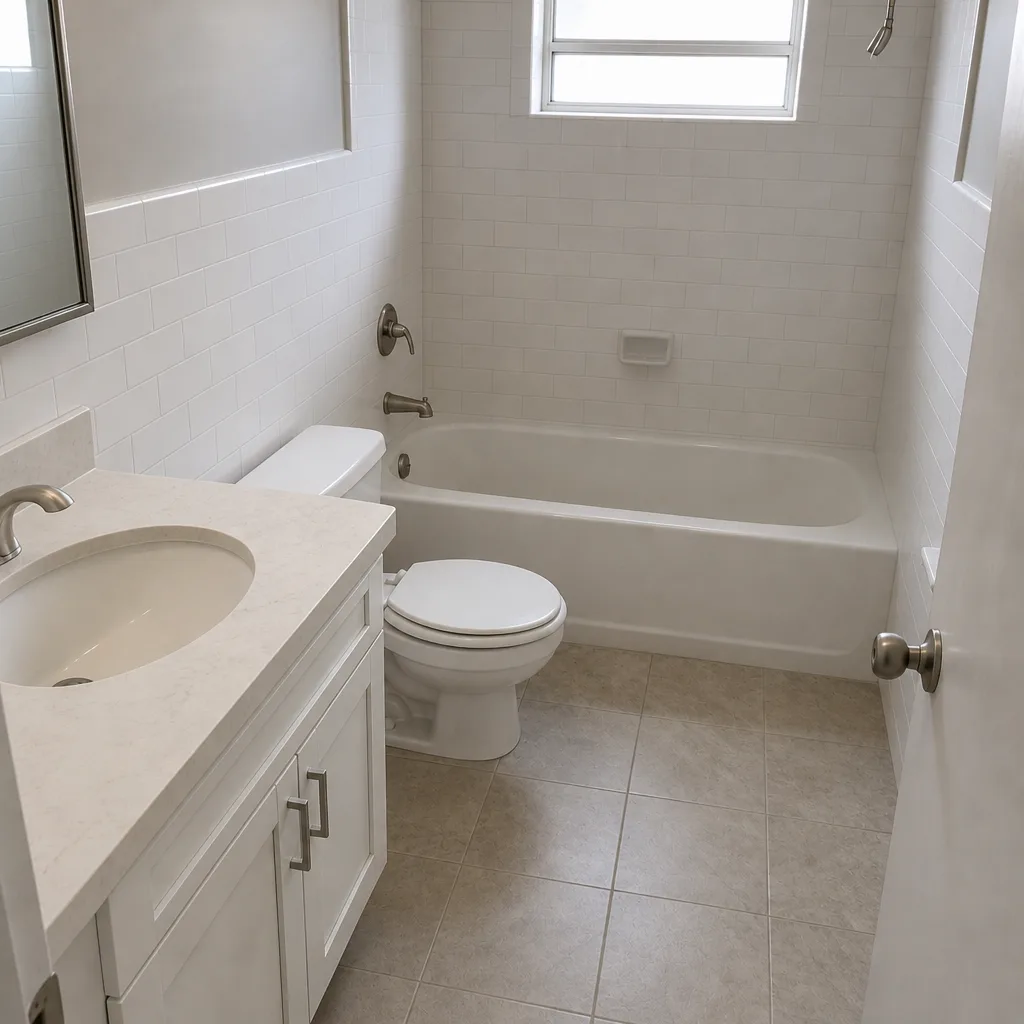 After
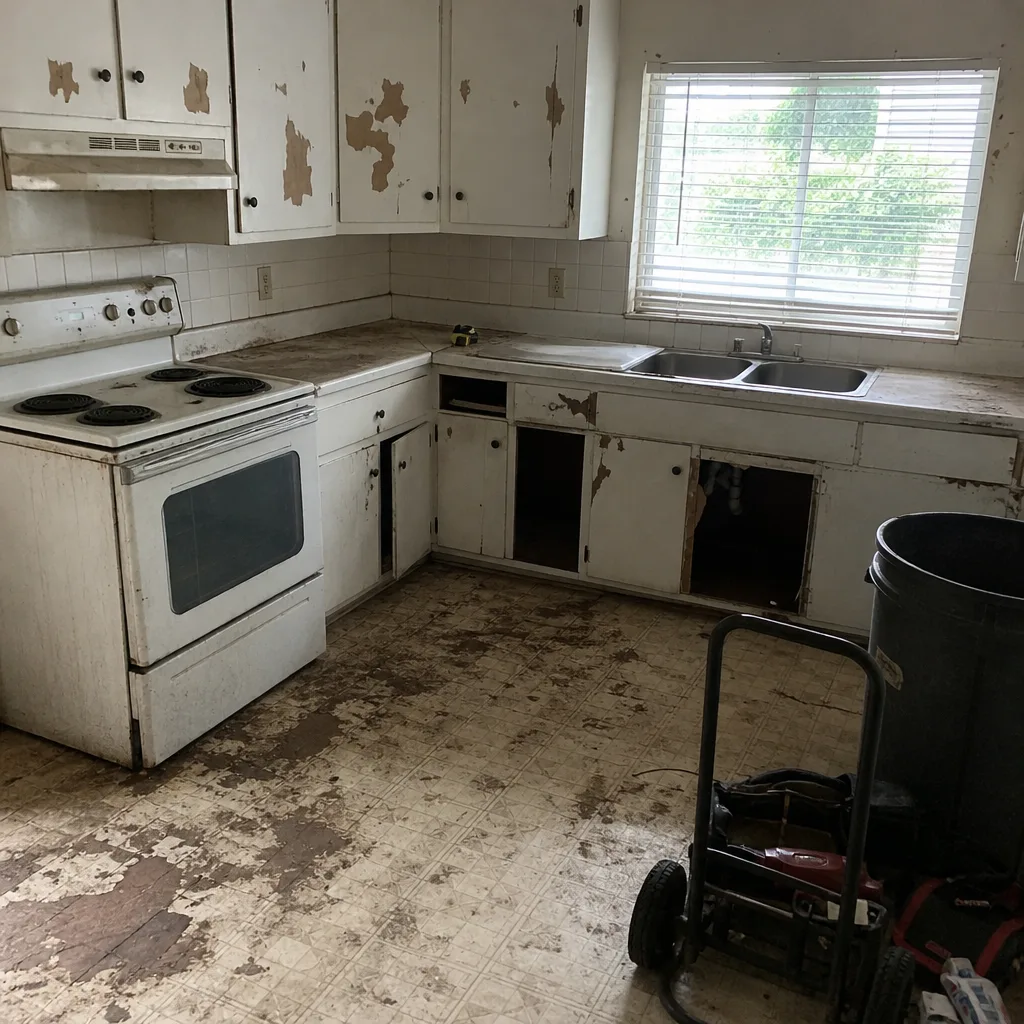 Before
 After
Frequently Asked Questions
You can install the finish layer yourself: pattern layout, cutting, placing pavers, joint sand, and sealing. You should not do excavation, sub-base compaction, edge restraint, or permit filing. Those are the steps that determine whether the driveway lasts five years or twenty-five, and amateur execution there costs more to fix than hiring the base work correctly the first time.
Yes, in most cases. Miami-Dade needs a permit for driveway work that changes the footprint, connects to the right-of-way, or affects drainage. Replacement in kind may not require one, but the threshold is lower than most homeowners assume. Call (844) 797-8316 for a free second opinion on any written estimate, including whether a permit is required for your specific lot.
A typical 400-to-600 square-foot residential driveway in Miami Gardens runs roughly $10,000 to $18,000 for a full professional install with permits, and roughly half that for a full DIY approach in materials, though DIY carries significantly higher failure risk. Partial DIY, where a pro handles excavation and base and you lay the surface, typically lands between the two. Ranges depend on soil, paver choice, and drainage conditions. Call (844) 797-8316 for an exact quote. Estimates are free.
A properly installed paver driveway in South Florida should look essentially the same at fifteen years, assuming normal maintenance. The failure modes we see most often trace back to under-compacted base, missing edge restraint, or drainage that lets water pool. Fixing those at install time is what separates a twenty-year driveway from a five-year one.
No, not for pavers. A standard rental plate compactor runs roughly 150 to 300 pounds, which is half the compaction energy a crew runs on base work. On Miami-Dade clay and limerock soil, that gap lets the base hold water and settle unevenly. The compaction you can’t see is exactly the part that matters most.
An unpermitted driveway can. A title search or buyer’s inspection can flag it, and a lender may require it be brought to code at your expense before closing. Florida’s hot resale market doesn’t erase that exposure. A permitted install carries an inspection record that becomes part of your property’s paper trail. Call (844) 797-8316 to review what’s already permitted on your property.
The Bottom Line
DIY has a real place in paver driveway work: pattern, cutting, laying, joint sand, sealing. Base, excavation, edge restraint, and permits are where the professional earns their price, and in Miami Gardens the soil and drainage make that gap bigger than in most of the country. The smart middle path for many homeowners is partial DIY: hire out the structural portion, take the finish. Whatever you choose, insist on written scope, written change orders, and permits pulled in a licensed contractor’s name, not yours. The half-rented plate compactor that saves $300 today usually costs $3,000 two summers from now. If you want a straight answer on your specific driveway, call (844) 797-8316 for a free estimate with Barrett & Sons Construction Miami Gardens. We’ll tell you honestly which parts to keep for yourself.
Written by the team at Barrett & Sons Construction Miami Gardens.