
Last updated November 17, 2026
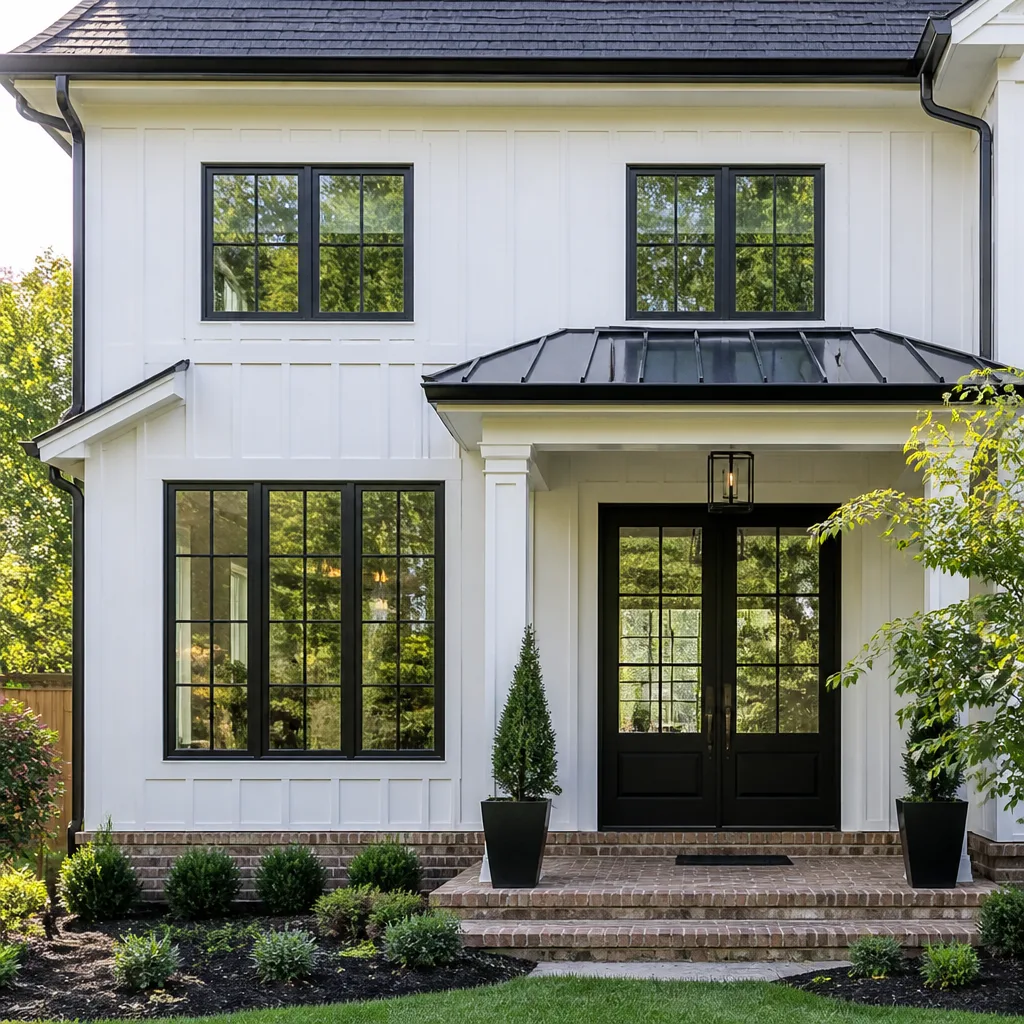 Windows & doors
 Kitchen remodeling
 Bathroom remodeling
 Home additions & ADU
 Roofing
 Driveway & pavers
 Fence
Free written scope consultation - allowances, timeline, and change-order rules on paper before a single trade is scheduled
DIY vs Professional Windows & Doors: What’s Safe to Do Yourself
Swapping a doorknob: fine. Hanging new interior trim: fine. Replacing an impact window on your own: not just difficult, but potentially illegal under Miami-Dade code. And here’s the part that stings the most – the unpermitted installation usually sits quietly for years until an insurance adjuster shows up after a storm, or a buyer’s inspector starts poking at the frames during a sale. This guide is the honest version of the conversation, the one we’d have with you standing in the driveway. We’ll tell you which jobs you can safely knock out on a Saturday and which ones need a licensed crew pulling permits in Miami Gardens.
Quick Answer
You can safely DIY weatherstripping, hardware swaps, caulking, and screen repair on your own windows and doors. You should not DIY a full window or door replacement in Miami Gardens or anywhere in Miami-Dade County, because the work is regulated by the Florida Building Code, requires a permit and product approval (NOA), and an unpermitted installation can cost you at resale, on insurance, or in a post-storm claim. Impact-rated product installation especially needs a licensed contractor who knows how to keep the product approval intact and pass inspection.
Styles & brands we work with
- Kitchen remodeling
- Bathroom remodeling
- Home additions & ADU
- Roofing
- Windows & doors
- Driveway & pavers
- Fence
Table of Contents
- Why Miami-Dade Code Makes Window and Door Work Different
- What You Can Safely DIY (and the Limits of Each)
- The NOA Problem: Impact Windows and Certified Product Knowledge
- The Insurance Angle Most Guides Skip
- How to Work With a Contractor and Still Do the Prep and Finish Yourself
- What a Licensed Crew Actually Does on a Window or Door Job
- Common Mistakes to Avoid
- When to Call a Professional
Why Miami-Dade Code Makes Window and Door Work Different
Most DIY guides you’ll read online are written by someone in Ohio or Oregon, where a window swap is treated like changing a light fixture. Miami Gardens doesn’t work that way. Miami-Dade County has its own product approval system, and the Florida Building Code treats exterior openings as life-safety components in the High-Velocity Hurricane Zone. That means any replacement exterior window or door needs a permit, a licensed installer, and a product that holds a current Miami-Dade Notice of Acceptance, known as an NOA.
An NOA isn’t a sticker you peel off the box. It’s a technical document tied to a specific product, tested and approved for a specific installation method – the right fasteners, the right embed depth in the rough opening, the right shim pattern, the right flashing sequence. Deviate from that method and you’ve technically voided the approval, even if the window itself was expensive.
What happens when you skip the permit? The work is unpermitted, which is a problem on three timelines:
- Short term: if a code officer or neighbor complaint triggers an inspection, you may be ordered to remove or redo the installation at your own cost.
- Medium term: your wind mitigation report may not reflect the credit you think you’re getting, because the report depends on documented, permitted product.
- Long term: when you sell, a buyer’s inspector or the title company may flag the missing permit, and the sale stalls until the work is legalized.
In our experience across Miami Gardens, the unpermitted install almost never surfaces on the day it’s done. It surfaces months or years later, always at the worst time.
What You Can Safely DIY (and the Limits of Each)
We’re not here to tell you that everything requires a professional. Plenty of the maintenance around your windows and doors is well within reach, and doing it yourself keeps money in your pocket. The key is knowing where each task ends and the regulated work begins.
Weatherstripping replacement. Worn weatherstripping on doors lets Florida’s humidity and AC bills both climb. Peel-and-stick or nail-on strips on a door frame are fine to swap. The limit: if the door frame itself is warped or the door no longer latches square, weatherstripping won’t fix it, and that’s a sign of a deeper installation problem.
Hardware swaps. Deadbolts, handles, hinges, door knockers, patio door pulls. This is squarely DIY territory. The limit: if you’re installing a new lock on an exterior door and you’re not comfortable trimming the mortise, stop and call. A misaligned deadbolt that doesn’t fully throw is a security issue, not a cosmetic one.
Caulking exterior gaps. A clean bead of exterior-rated sealant around frames keeps water out and slows the wear on interior finishes. This is genuinely worthwhile in Miami Gardens, where rain drives sideways during summer squalls. The limit: don’t caulk over a gap that’s actually evidence of failed flashing or a poorly set window. You’ll seal the water in instead of out.
Screen repair. Spline replacement and patching a torn screen is simple and cheap. The limit: if the screen is part of an impact-rated assembly, don’t remove the frame to fix a screen – you can compromise the sealed system.
Interior trim and paint. Baseboards, casing, paint. This is the other half of a real window job, and you can absolutely do it yourself after the installation is done legally.
The NOA Problem: Impact Windows and Certified Product Knowledge
An impact window isn’t just a thicker pane. It’s an engineered assembly – laminated glass, a reinforced frame, and a specific anchorage pattern that has been tested as a system. That assembly passed a missile-impact test and a cyclic pressure test to earn its NOA, and the approval is written for one way of installing it. Change the fasteners, skip the shim, or install it into a rough opening that wasn’t built to spec, and the approval no longer covers what you’ve built.
The inspection that follows a permitted job isn’t a nuisance. It’s the step that catches problems a homeowner can’t see. The inspector looks at:
- The NOA number on the product, matched against the approved product list.
- Fastener type, spacing, and embed depth into the framing.
- Shimming and level of the unit within the rough opening.
- Flashing at the sill, jambs, and head.
- Sealant at the perimeter and any joints between products.
- Anchorage of the frame to the structural members of the wall.
We’ve seen homeowners bring genuine skill to a window install and still fail inspection because the fasteners were ordinary screws instead of the approved anchor type. The product was right. The method wasn’t. Impact-rated systems from manufacturers like ViewLux and similar premium lines rely on certified installation to keep that NOA intact, and there’s no shortcut around it. You can work with a Miami Gardens construction team that pulls the permit and installs to the approval, or you can spend the same money twice.
The Insurance Angle Most Guides Skip
Here’s where DIY window and door work gets expensive in a way no online tutorial mentions. Your homeowner’s insurance premium in Florida depends heavily on a wind mitigation report, which documents the specific protective features of your home – impact glazing, roof-to-wall connections, roof covering, secondary water barrier. The report is only as reliable as the documentation behind it.
When your windows and doors are installed with a permit and inspections on record, your mitigation report can properly list the impact-rated openings and the corresponding discounts. When you installed them yourself without a permit, the report can’t verify them. Insurers increasingly ask for permit records and installation documentation, especially after the reforms of the last few years.
What that means in practice:
- You may still pay the higher premium as if you don’t have impact protection, because the discount can’t be documented.
- If you file a claim after a storm and the adjuster finds unpermitted openings, the claim on that component can be contested.
- If you sell, the buyer’s agent will ask for permits, and the absence becomes a negotiating point.
In our experience across Miami Gardens, the cost of a properly permitted installation is often covered within a few years by the combination of documented mitigation credits and the avoided cost of redone work. That’s a plain-dollar argument for doing the job legally, before we even talk about safety.
How to Work With a Contractor and Still Do the Prep and Finish Yourself
You don’t have to hand the whole job to a crew. The smartest homeowners we work with split the work at the right line: the licensed work stays with the contractor, and the labor-heavy, safe, unregulated parts stay with the homeowner. Here’s how that split usually looks.
- You clear the room and protect the floors. Move furniture, roll up rugs, and tape down drop cloths before the crew arrives. That’s a full day of crew labor you’ve just saved.
- You remove interior trim and casing. Pulling the interior trim is safe and unregulated. Bag the pieces if you plan to reuse them.
- The contractor removes the old unit and installs the new one. This is the regulated work. Do not split this part.
- The contractor flashes, seals, and passes the inspection. No shortcuts, no exceptions.
- You handle the interior finish. New casing, paint, and trim are all yours. Many homeowners do this over a weekend and are genuinely proud of it.
- You clean up. Site cleanup is fine to handle, though a good crew will leave it tidy anyway.
Done right, the split can save a meaningful slice of the labor cost without ever touching the permit or the impact-rated assembly. The same principle applies to projects like home additions and ADUs in Miami Gardens, where the homeowner can handle finish work while the structure stays with the licensed crew.
What a Licensed Crew Actually Does on a Window or Door Job
If you’ve never seen a proper window replacement job from the inside, here’s what the paperwork and process look like on a real one – the parts most homeowners only see the final result of.
- Measure and confirm. Someone walks the openings, measures the rough openings, and checks the wall construction type, because impact anchorage differs between block and frame walls.
- Pull the permit. The permit names the contractor, the product, the NOA number, and the scope. It’s on file with Miami-Dade before anyone touches the wall.
- Order the product. The correct NOA-compliant unit, in the right size, with the right glazing package for your exposure.
- Install to spec. Approved fasteners, correct embed depth, proper shimming, flashing at the sill and head, perimeter sealant.
- Coordinate the inspection. The contractor schedules the inspection and corrects anything the inspector flags.
- Close out with documentation. The signed inspection goes in your file. That’s what your wind mitigation report and your future sale rely on.
We pull permits and get inspections signed on every eligible job, because we’ve watched too many homeowners discover – years after the fact – that “the last guy said permits were optional.” They never are in Miami-Dade County, and the record of a signed inspection is worth every dollar of the permit fee. If you’re also planning work on the exterior of the house, the same principle applies to driveway and paver projects in Miami Gardens and to fence installation in Miami Gardens where permits and product approvals come into play.
Common Mistakes to Avoid
- Buying an impact window because it says “impact” on the box, without checking the NOA. A product without a current Miami-Dade NOA can’t pass inspection no matter how good it looks. Two sentences at the supplier’s counter could save the entire job.
- Trusting a phone-quoted price on impact windows. Impact product pricing depends on size, glazing, anchorage, and removal complexity. Any number quoted before someone measures the opening is a placeholder, not a price.
- Caulking over a leaking frame instead of fixing it. In Miami Gardens, that water usually shows up as rot at the sill within a season. Sealing over it makes the eventual repair more expensive.
- Skipping the permit because “it’s just a door.” An exterior door is a regulated opening, especially if it’s impact-rated. That applies to sliding patio doors as much as to windows.
- Replacing one window and assuming the rest of the openings will retain their credit. Wind mitigation reports evaluate the weakest link. Mixed installations can reduce the overall credit.
- Assuming a screen or hardware swap is a “small job” that can’t hurt anything. Removing the frame of an impact-rated screen assembly to patch a screen can break the sealed system. Leave the frame alone.
- Hiring a contractor who won’t show you the license, the address, and the permit before you sign. Look up the license before the first nail moves. Every time.
When to Call a Professional
Call a licensed contractor when the job involves a full window or door replacement, any impact-rated product installation, any change to the rough opening, any exterior door replacement, any work that requires a permit and inspection in Miami-Dade County, or any sign of water intrusion behind the frame you can’t trace to a caulk line. Call when an insurance adjuster has already asked for installation records, when a buyer’s inspector has flagged a permit gap, or when a storm has left you with broken glazing. And call before you buy impact product at a box store, so the product matches your opening and your approval. Barrett & Sons Construction Miami Gardens offers free estimates in Miami Gardens – call (844) 797-8316. Every eligible job gets its permits pulled and inspections signed, and every price change arrives in writing before work proceeds.
See the difference
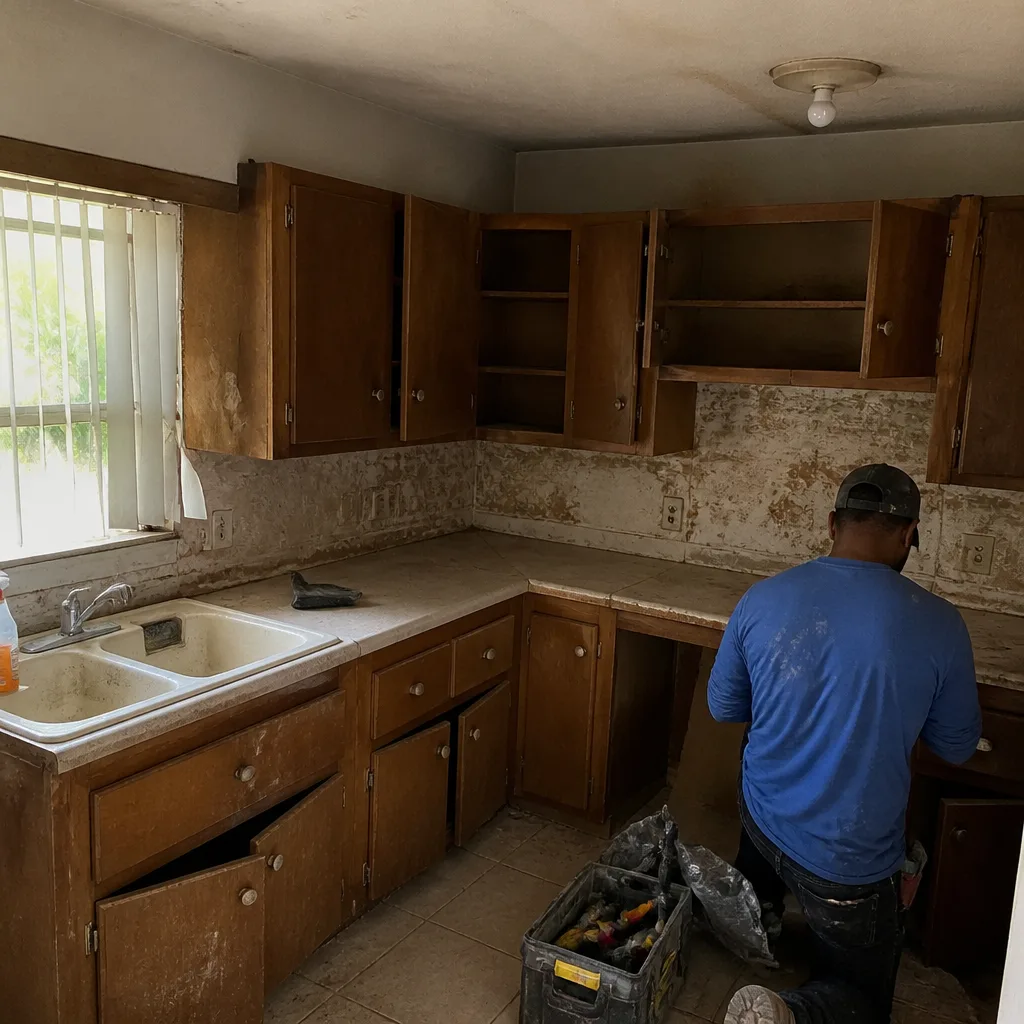 Before
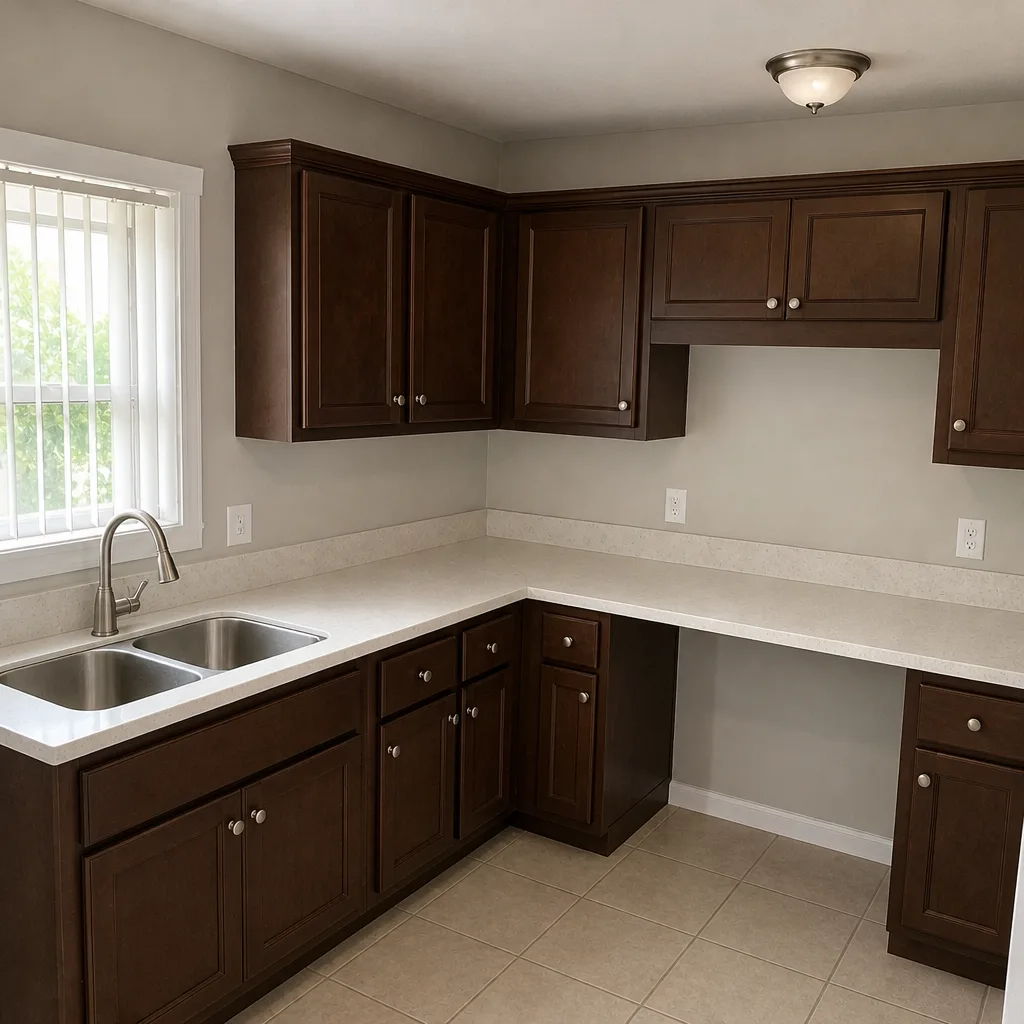 After
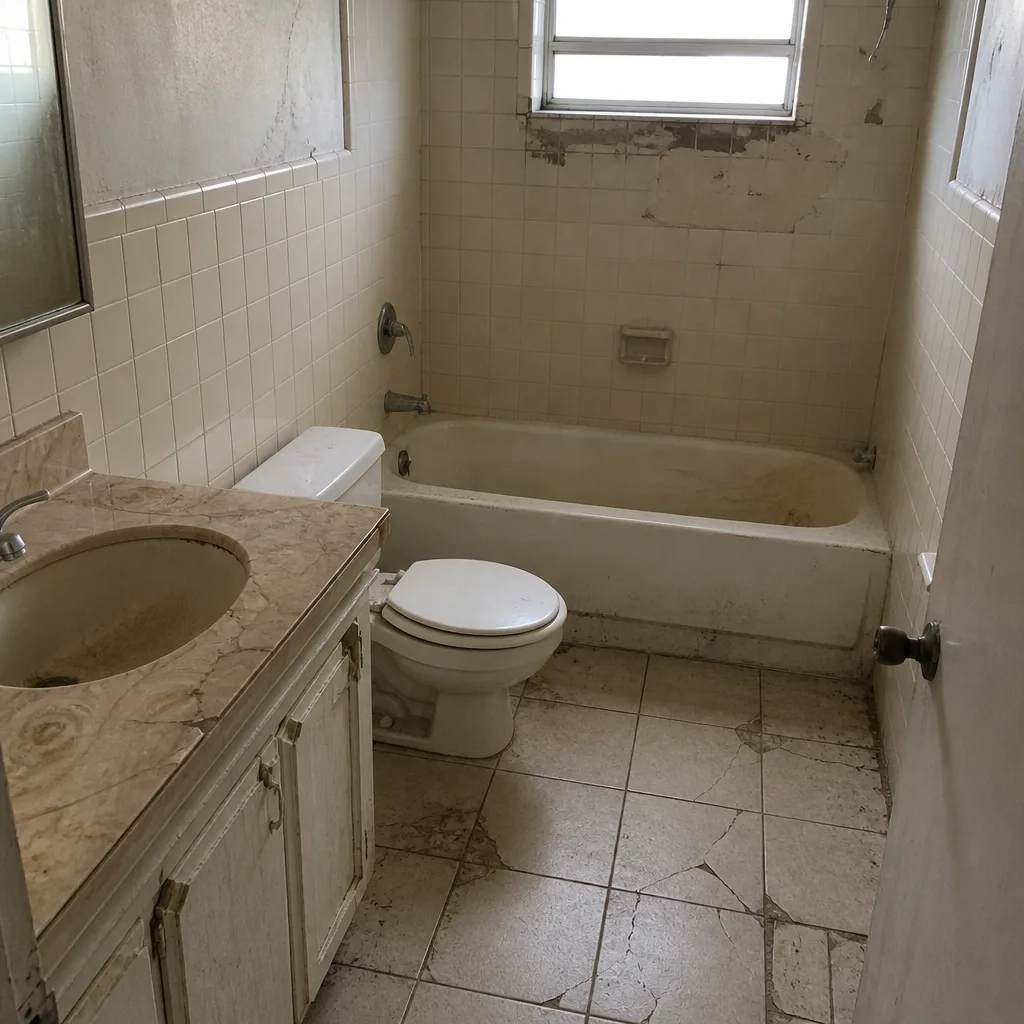 Before
 After
 Before
 After
Frequently Asked Questions
No, not for exterior windows in practice. Replacement of exterior windows in Miami-Dade County requires a permit under the Florida Building Code, and the permit must be pulled by a licensed contractor. Homeowners can legally do interior cosmetic work, hardware swaps, weatherstripping, caulking, and screen repair, but the regulated opening itself must be handled by a licensed installer whose product holds a current Miami-Dade NOA. Call (844) 797-8316 for a free estimate if you’re weighing the options.
Almost never, because the inspection looks at the method, not just the product. To pass, the installation must follow the NOA-approved fastening pattern, shimming, flashing, and anchorage. Homeowners typically lack the certified product knowledge and documentation to keep the approval intact. A licensed contractor installs to the approval and schedules the inspection. Call (844) 797-8316 for a free estimate.
Yes, it can. Your wind mitigation report depends on documented, permitted impact-rated openings to justify premium discounts. Unpermitted work may not be reflected in the report, which means you pay the higher premium as if you have no protection, and a claim on those openings after a storm can be contested. A signed inspection record closes the gap. Estimates are free – call (844) 797-8316.
Weatherstripping replacement, hardware swaps (knobs, deadbolts, handles, hinges), exterior caulking around frames, screen repair, and interior trim and paint are all safe to do yourself. The limits matter: don’t remove the frame of an impact-rated screen, don’t caulk over evidence of failed flashing, and don’t touch the rough opening. For anything that changes the opening or the product, call (844) 797-8316.
Impact-rated window replacement in Miami Gardens typically runs several hundred to over a thousand dollars per opening, depending on size, glazing, anchorage type, and removal complexity. Impact patio doors sit higher. Phone numbers quoted before measurement aren’t real prices. We give a written, line-item estimate on site, and every price change arrives as a written change order before work begins. Call (844) 797-8316 – estimates are free.
Miami-Dade’s NOA system exists because of the High-Velocity Hurricane Zone, which covers the county and requires products tested to higher wind and missile-impact standards than much of the country. That’s why a window approved for a different region may not be legal here. Every product we install on your home in Miami Gardens carries a current NOA, and we match it to your opening before the order is placed.
The Bottom Line
The safe split is simple. Weatherstripping, hardware, caulking, screen repair, interior trim, and paint are yours to handle. Full window and door replacement, especially any impact-rated product, belongs with a licensed contractor under a permit with a signed inspection. In Miami Gardens, the DIY-only approach carries a specific risk most guides don’t mention: an unpermitted opening that surfaces at resale, on your wind mitigation credit, or in a storm claim – always at the worst possible moment. If you want to trim the labor cost, split the work at the right line. Handle prep and finish yourself. Leave the regulated work with a licensed crew that pulls the permit, installs to the NOA, and gets the inspection signed. Call Barrett & Sons Construction Miami Gardens at (844) 797-8316 for a free estimate on any window or door project – we’ll walk the openings with you, put the scope in writing, and hand you a line-item price before anything starts. Every eligible job gets its permits pulled and inspections signed, and every price change arrives as a written change order.
Written by the team at Barrett & Sons Construction Miami Gardens.