
Last updated November 17, 2026
 Home additions & ADU
 Kitchen remodeling
 Bathroom remodeling
 Roofing
 Windows & doors
 Driveway & pavers
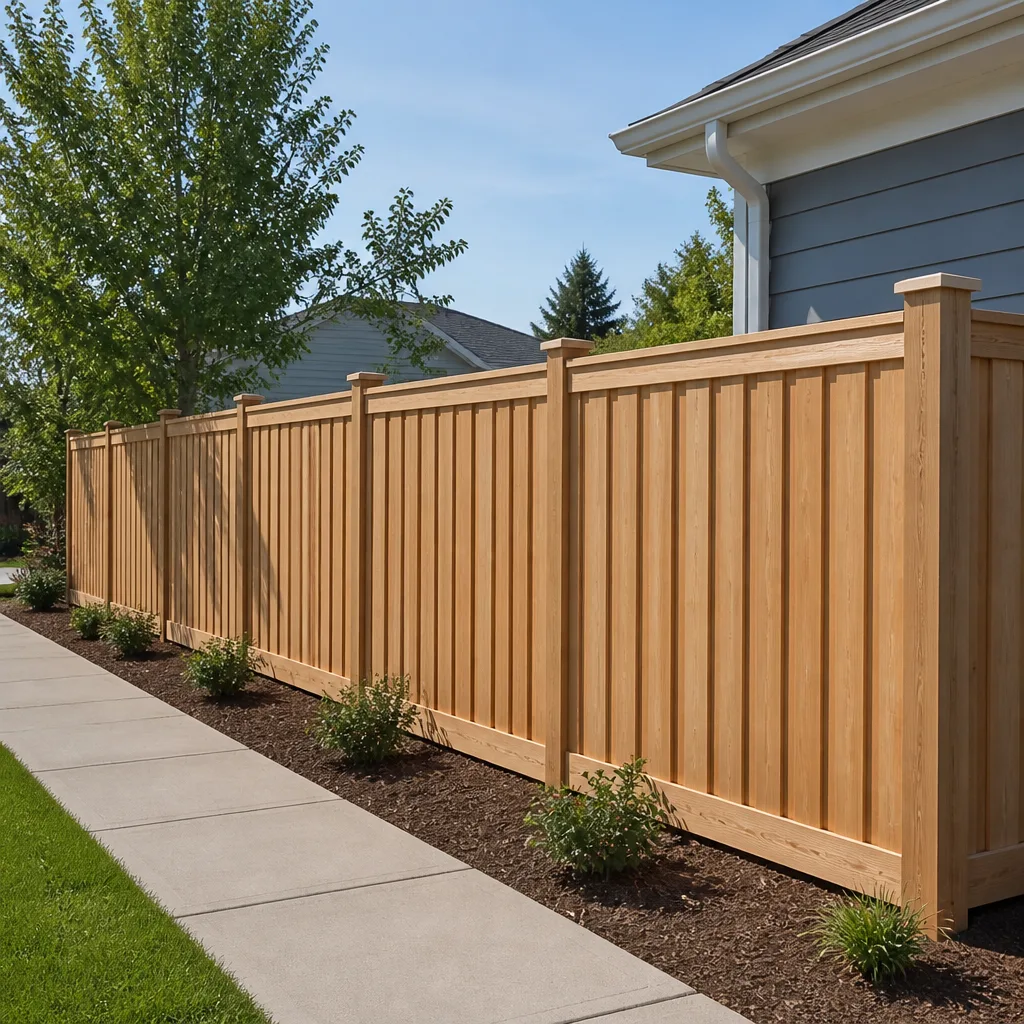 Fence
Free written scope consultation - allowances, timeline, and change-order rules on paper before a single trade is scheduled
DIY vs Professional Home Additions & ADU: What’s Safe to Do Yourself
Here’s the part most DIY guides leave out: a determined homeowner can physically swing a hammer, run a wire, or frame a wall. That was never the real question. In Florida, the actual question is what you can legally do yourself, and what happens to your homeowner’s insurance policy when you do it without a licensed contractor. Florida lets a licensed homeowner act as their own general contractor under what’s called “owner-builder” status. Sounds simple. It comes with a disclosure you have to sign, an insurance gap most people don’t know exists, and a resale impact that can surface years later during a title search. We’ve watched this play out in Miami Gardens, and we’ll walk through what’s genuinely safe to tackle and what isn’t.
Quick Answer
In Florida, you can legally act as your own general contractor on your primary residence, but electrical, plumbing, mechanical, and structural work all require a licensed contractor no matter what. The truly DIY-safe tasks in an addition or ADU project are painting, non-structural flooring, cabinet installation, exterior trim, and landscaping. Everything that touches the building’s structure, wiring, or water lines is off-limits to a self-builder, and doing it unlicensed can put your insurance coverage at risk.
Styles & brands we work with
- Kitchen remodeling
- Bathroom remodeling
- Home additions & ADU
- Roofing
- Windows & doors
- Driveway & pavers
- Fence
Table of Contents
- What Florida’s Owner-Builder Exemption Actually Allows
- The Trades You Cannot Do Yourself in Miami-Dade
- The Insurance Gap Nobody Warns You About
- What Is Genuinely Safe to Do Yourself
- Inspection Risk: Why Failed Rough Work Costs More Than Hiring Out
- The Resale Impact That Shows Up Years Later
- Miami Gardens Climate and Code Context
- A Decision Framework for Your Project
What Florida’s Owner-Builder Exemption Actually Allows
Florida law lets an owner build or improve a structure on their own property without holding a contractor’s license. That’s the owner-builder exemption. But the word “exemption” is doing a lot of work, because it isn’t a blank check. You’re not the contractor who gets hired. You’re the owner who assumes the obligations a contractor would normally carry.
When you pull a permit as an owner-builder in Miami-Dade County, you sign an affidavit. That affidavit isn’t a formality. It attests to three specific things:
- You are the owner of the property and will occupy it as your principal residence.
- You are performing the work for your own use, not for resale or for hire.
- You understand the permit requirements and accept responsibility for the construction meeting the building code.
That resale limitation is the one most people miss. Florida law restricts the owner-builder exemption in connection with selling a property within one year of obtaining the permit. The statute contemplates owner-builders who live in what they build, not people flipping a project. In Miami Gardens, where a lot of addition work is attached-family units for aging parents or grown children, the owner-builder path often fits that “I’m moving family in” intent. But if you’re planning to sell within a year, the exemption gets tangled fast, and a title search can surface the issue after you’ve already closed.
The Trades You Cannot Do Yourself in Miami-Dade
Owner-builder status does not override trade licensing. Miami-Dade County requires licensed contractors for specific categories of work, and navigating around those requirements by self-performing them is a code violation, not a shortcut. Here’s the breakdown:
- Electrical work – Any wiring, panel work, circuit additions, or connections to the grid require a licensed electrical contractor. You cannot self-perform this on an owner-builder permit.
- Plumbing – Supply lines, drain lines, water heater connections, and gas piping all require a licensed plumber. Gas work has its own additional licensing layer.
- Mechanical (HVAC) – Air conditioning systems, ductwork, and ventilation require a licensed mechanical contractor. Adding a room without a licensed AC contractor means the system won’t pass inspection.
- Structural work – Foundation, framing, load-bearing walls, and roof structure require an appropriate licensed contractor. Structural changes also require engineering, which an owner-builder can’t stamp.
These aren’t gray areas. The permit system tracks them. The inspector who shows up to check rough-in won’t accept framing on a structural permit pulled by a property owner for structural work in most circumstances, and if you’ve wired a panel yourself, they’ll catch it. The licensing minimums exist because these systems are dangerous when done wrong. An electrical panel wired by someone with limited experience can create a fire hazard that sits hidden inside a wall for years. That’s why every crew member who touches a Barrett & Sons job carries the right license and the background check to match.
The Insurance Gap Nobody Warns You About
This is the part of the DIY conversation that gets left out of almost every guide, and in a hurricane state it matters more than almost any other risk. Most homeowner’s insurance policies contain language that reduces or voids coverage for work performed by unlicensed parties. That’s not a disclaimer buried in fine print that nobody reads. It’s a coverage condition. It’s the mechanism insurance companies use to protect themselves from claims tied to work that wasn’t done to code by a licensed professional.
Here’s how it plays out in practice: an addition or ADU gets built by the homeowner without licensed electrical, plumbing, or structural contractors. Then a pipe bursts, or a fire starts at a panel, or wind damage exposes a framing flaw. When the claim goes in, the adjuster asks who did the work. If the answer is “I did,” and the work required a license, the policy has grounds to deny or reduce the claim. In a county that sees hurricane season every year, that denial can be the difference between a rebuild and a total loss.
The honest way to protect yourself is to pull permits, use licensed contractors for the trades that require it, and keep every inspection record. That’s why permits get pulled and inspections signed on every eligible Barrett & Sons job, and why the written 90-Day Done Right Promise is printed on the contract and not tucked into a drawer. The paperwork is the point. It’s what holds up when the claim happens.
If you’re unsure how your policy treats owner-builder work, call your insurer and ask directly. Get the answer in writing. Then decide what you’re willing to self-perform.
What Is Genuinely Safe to Do Yourself
Once you strip out the licensed trades and the structural work, there’s still a real list of tasks a capable homeowner can handle without voiding a policy or failing an inspection. Here’s what we’d hand off to a homeowner with a good toolset and some patience:
- Painting (interior and exterior) – Nothing structural, nothing hazardous. This is the classic DIY task, and a careful homeowner can save $3,000 to $6,000 by doing paint themselves on a typical addition. Prep work matters more than the painting. Sand, prime, and use a good satin sheen that handles the Miami Gardens humidity.
- Non-structural flooring installation – Laminate, vinyl plank, and engineered hardwood are safe to install yourself if the subfloor is already in and level. Tile over a properly prepped slab is manageable too. Stay away from structural subfloor repairs or any flooring work that requires underlayment over a slab with moisture issues.
- Cabinet installation (non-plumbing) – Hanging cabinet boxes and adding drawer fronts is fine on your own. Getting the plumbing and electrical rough-in to the right spot before the cabinets go in is not. If you’re working around an appliance hookup, that portion belongs to a licensed trade.
- Exterior trim and finish painting – Fascia, soffits, and window trim paint, provided the trim itself is secure and no rot needs cutting out. If you find rot, that’s a carpentry issue that needs a licensed contractor to replace correctly.
- Landscaping around the addition – Grading, planting, and hardscape around the project perimeter. Get the drainage right, though. Standing water against a new slab in Miami Gardens creates a foundation problem that shows up two years later.
When you’re ready to source quality materials for these tasks, brands like Schluter provide reliable underlayment systems, and Toto fixtures work well in finished bathrooms where you’re upgrading during the project. Choosing materials you can look up and verify beats whatever’s on the shelf at a big-box store.
Inspection Risk: Why Failed Rough Work Costs More Than Hiring Out
This is the part homeowners underestimate most: a failed rough inspection doesn’t just mean redoing the work. In some cases, the inspector can require you to open up finished surfaces to verify what’s behind them. That’s a demolition and rebuild, not a correction.
The sequence of an inspection goes in phases. Rough framing, rough electrical, rough plumbing, rough mechanical, then drywall, then finish work, then final inspection. Rough inspections happen before any wall is closed in. If a rough inspection fails because framing is wrong or a wire is run improperly, you have to fix the work and call for re-inspection, which means a delay on the job. And if the inspector suspects something was closed in without a rough pass, the code allows them to require you to open the surface. Drywall, tile, insulation, all of it can come back off.
- Step 1: Rough inspections happen before drywall. Every trade that requires a permit gets its own rough inspection. These are pass or fail, and the failure stops the job.
- Step 2: Corrections require re-inspection. The failed item gets fixed and another inspection is scheduled. That’s a delay of days or weeks, depending on the county’s schedule.
- Step 3: Concealed work is the riskiest failure. If a covered system fails or an inspector requires verification of finished work, the surface comes off. That’s a much larger cost than getting it right the first time.
The inspection system exists because it works. The permit inspector works for you, not for the contractor. That’s why we pull permits and have the inspections signed on every eligible job. It’s a simple cost avoidance: the failure you don’t discover until later is always more expensive than the one you catch on the first pass.
The Resale Impact That Shows Up Years Later
An unpermitted addition or ADU usually sells. That’s not the problem. The problem is what happens at the title search, or at the appraisal, or when the buyer’s insurance company does its underwriting review. Miami-Dade County has a property appraiser database that pulls permit records. A buyer’s agent will check it. So will the lender. An unpermitted structure that doesn’t match the county’s records shows up as a discrepancy, and that discrepancy becomes a negotiation point.
That negotiation usually works one of three ways:
- The buyer walks. If the addition looks recent and unpermitted, and the buyer’s insurance company balks, the sale dies.
- The buyer demands a discount. A common outcome. The buyer asks for a price reduction equal to the cost of permitting, fixing, or demolishing the unpermitted work. You don’t have the leverage to refuse.
- The lender balks. If the added square footage doesn’t match what the county certified, the appraisal may not count it, which means the loan value doesn’t support the agreed price.
If you’re planning an addition or ADU for family use and don’t intend to sell, the unpermitted path still bites at insurance renewal or at a future tax assessment. The county has the ability to flag unpermitted structures and to assess the improvement retroactively plus penalties. In Miami Gardens, where neighborhoods are being redeveloped at a faster pace than they were five years ago, county scrutiny of property records has tightened.
Miami Gardens Climate and Code Context
Miami Gardens is South Florida, which means the building code carries extra requirements for wind resistance, water intrusion, and moisture control. Direct references to these matter because they’re the specific reasons DIY shortcuts that work in, say, Ohio fail here. A sunroom or an addition in the northeast might survive a mild climate with minimal attention to flashing and wind uplift. In Miami Gardens, it won’t.
The climate angle affects DIY choices even in the “safe” categories. Exterior paint on new trim needs to be a product rated for high humidity and salt air, because cheap paint will chalk and peel in two seasons. Landscaping needs to account for the rainy season from June through October, when water pooling against a foundation can drive through the slab. Flooring needs a moisture barrier on the slab, because a Florida concrete slab transmits moisture year-round.
ADU code in Miami-Dade also has setback, height, and lot coverage limits that vary neighborhood by neighborhood. A detached ADU in a Miami Gardens lot zoned for single-family may have a different footprint allowance than the southeast part of the county. Check the specific zoning before you sketch anything. If you’re ready to talk through what your lot can actually hold, see our Home Additions & ADU in Miami Gardens page for the permitting and scope details.
A Decision Framework for Your Project
Here’s a simple framework to sort tasks before you buy a single board:
- Does the task touch a licensed trade? (Electrical, plumbing, mechanical, structural) If yes, it goes to a licensed contractor. That’s the only answer.
- Does the task require a permit inspection? If yes, it needs to be done to code by someone who can pass the rough and final. If you can do code-compliant work and have the time for inspection cycles, you can self-perform, provided the task isn’t licensed-trade work.
- Does the task affect the building envelope or structural loading? Flashing, vapor barriers, framing, and foundation are not DIY. Envelope failures in a hurricane state mean water intrusion, mold, and denied claims.
- Does the task show up on an appraisal or title search? If your square footage changes, it does. That means permitting and inspection records matter, even if you do the finish work yourself.
- Does your insurance policy care? Check. Ask your carrier how the policy treats owner-builder work. Get the answer in writing.
Once you’ve run through those five, the DIY list narrows to: paint, flooring, cabinets, exterior trim, and landscaping. Everything else involves a licensed contractor, a permit, or both. We install the exterior work correctly the first time, and if you decide to tackle any of it yourself after speaking with us, we’ve published our license and address so you can verify before you sign anything. You can also read more about the local market on our Barrett & Sons Construction Miami Gardens home page, and see the Fence Installation in Miami Gardens and Driveway & Pavers in Miami Gardens pages for the exterior work that pairs with an addition.
Common Mistakes to Avoid
- Pulling an owner-builder permit while planning to sell within a year. The law limits the exemption’s protection in that scenario, and it can surface during a title search. Ask a real estate attorney if the timeline is tight.
- Assuming the permit is optional. The last contractor most customers used told them permits were optional. They aren’t. Unpermitted work can void insurance coverage and block a sale.
- Self-performing electrical or plumbing because it “looks easy.” In Miami-Dade, licensing is not a gray area. An inspector will catch it, and an adjuster will deny the claim.
- Closing walls before the rough inspection. Rough inspections happen before drywall. If you close up a wall first, you can be required to open it back up to verify what’s inside.
- Using paint or flooring rated for a temperate climate. Miami Gardens humidity and salt air will degrade products that work fine elsewhere. Buy products rated for the climate.
- Ignoring drainage around a new addition. Afternoon thunderstorms during the rainy season push water against foundations. Grade the soil away from the structure, or the slab pays for it.
- Signing a contract with no written change-order clause. An allowance that isn’t on paper is a surprise waiting for a date. Get each price change in writing before work happens.
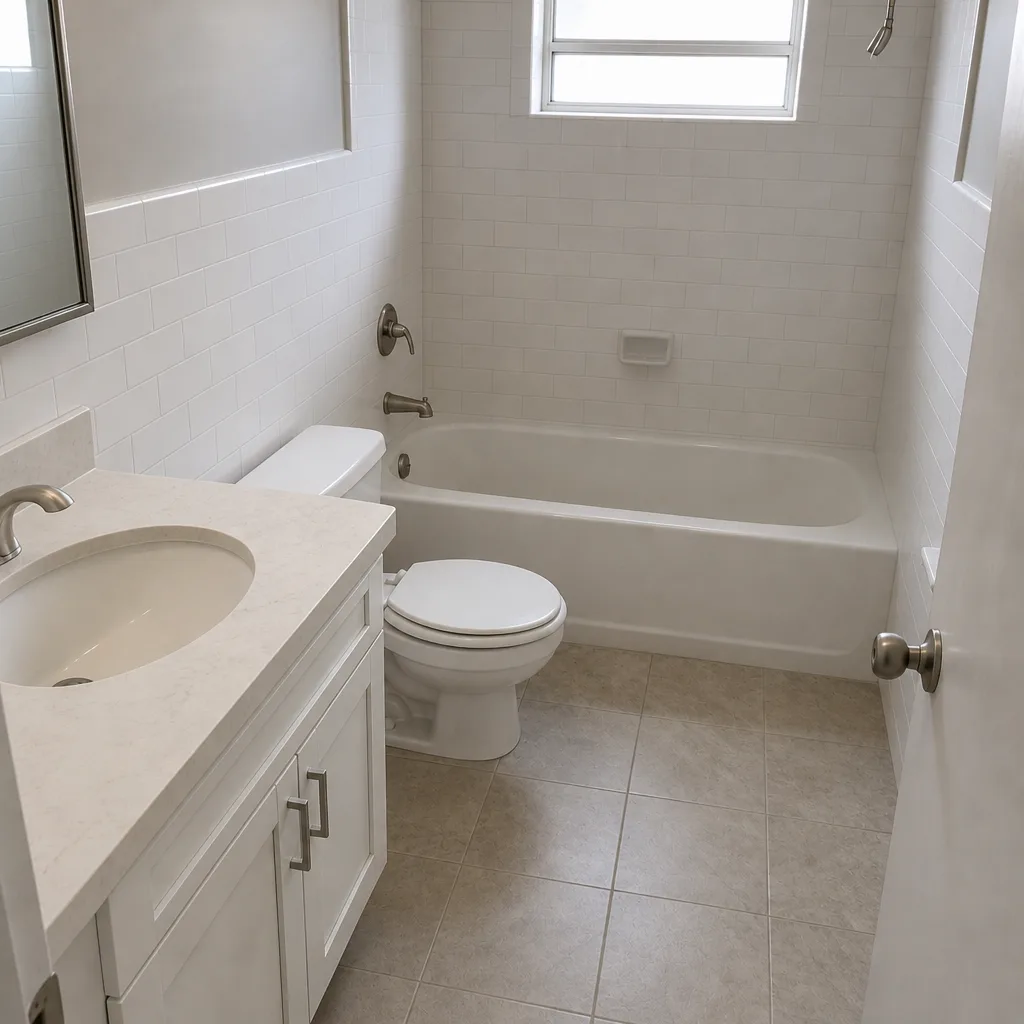
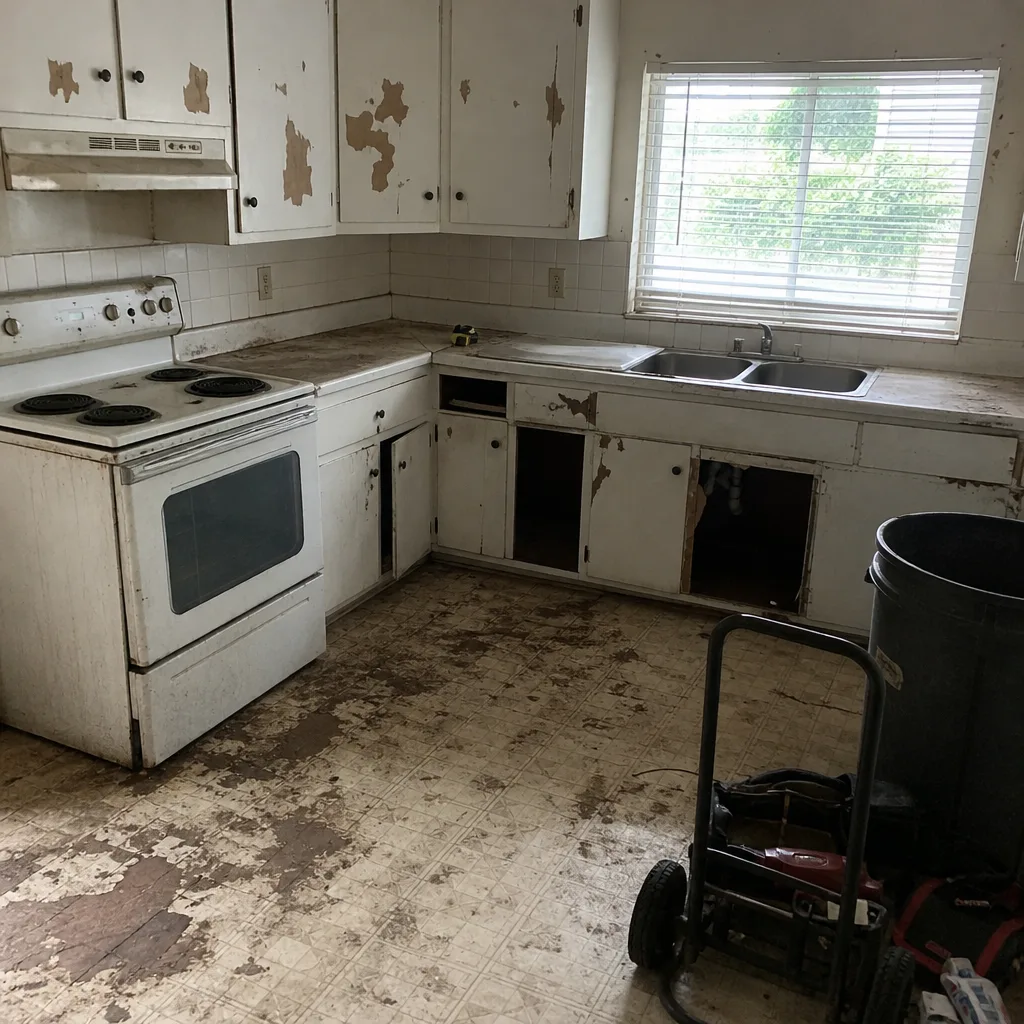
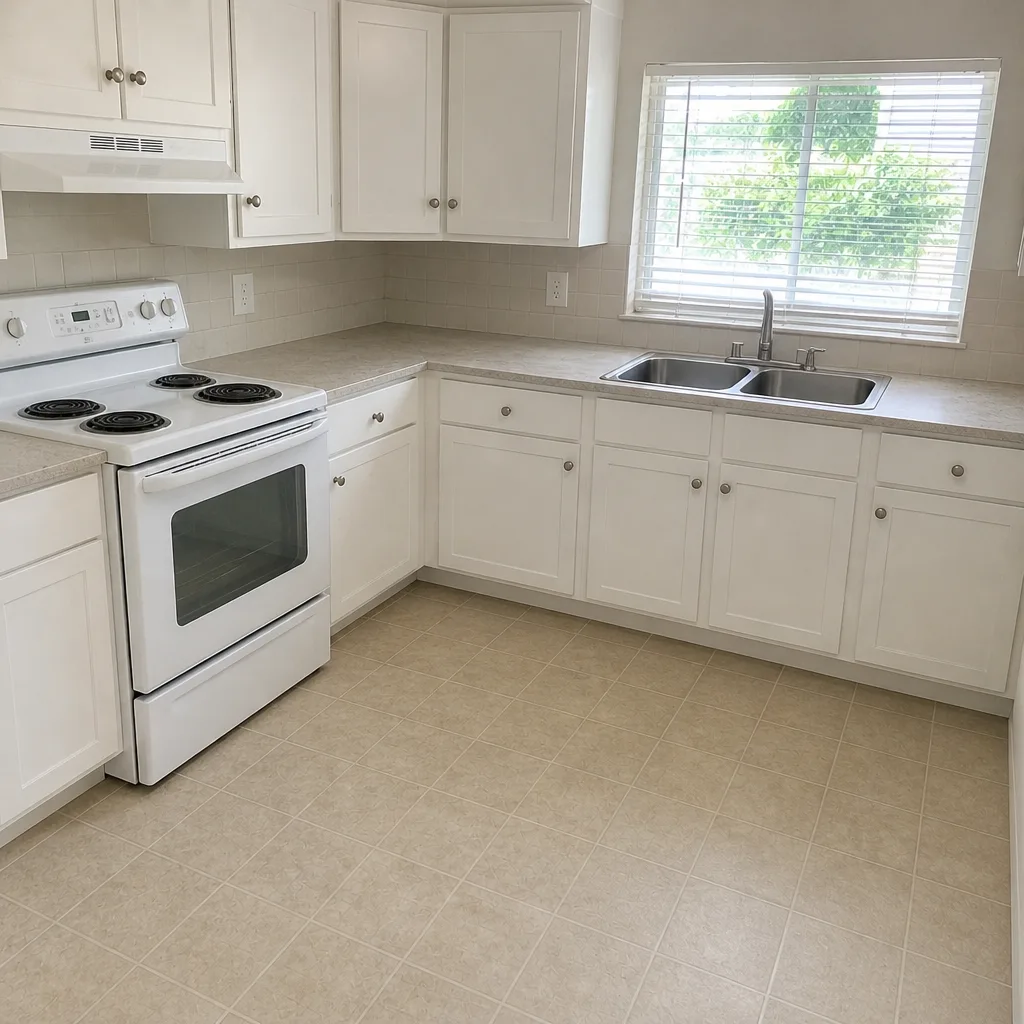
See the difference
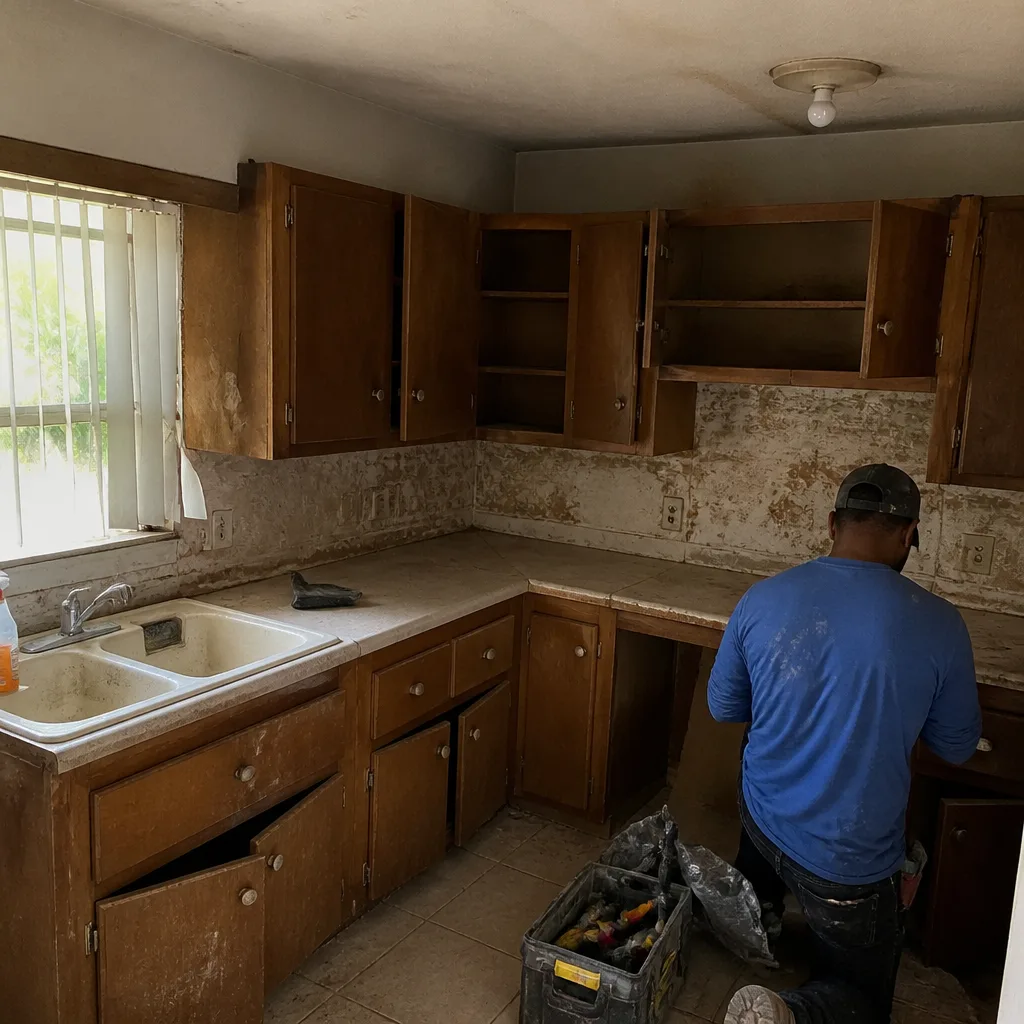 Before
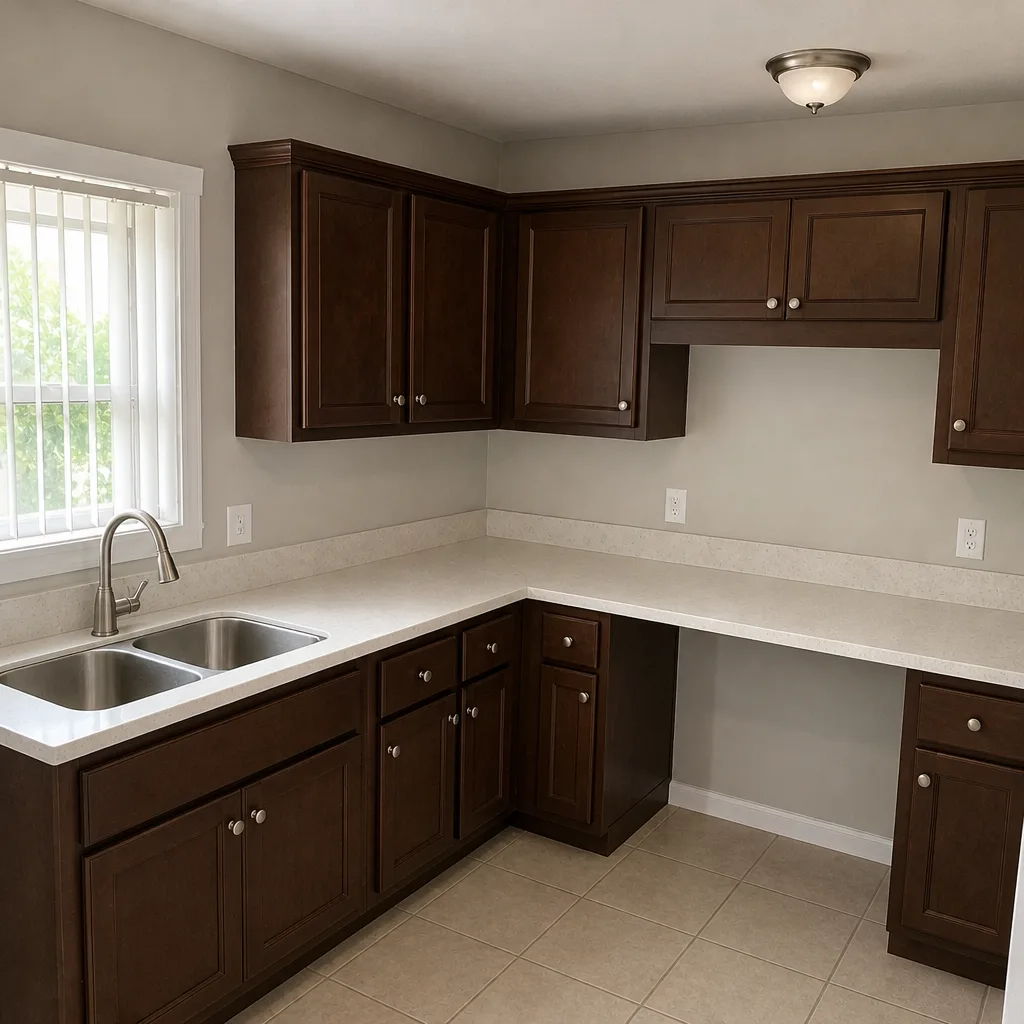 After
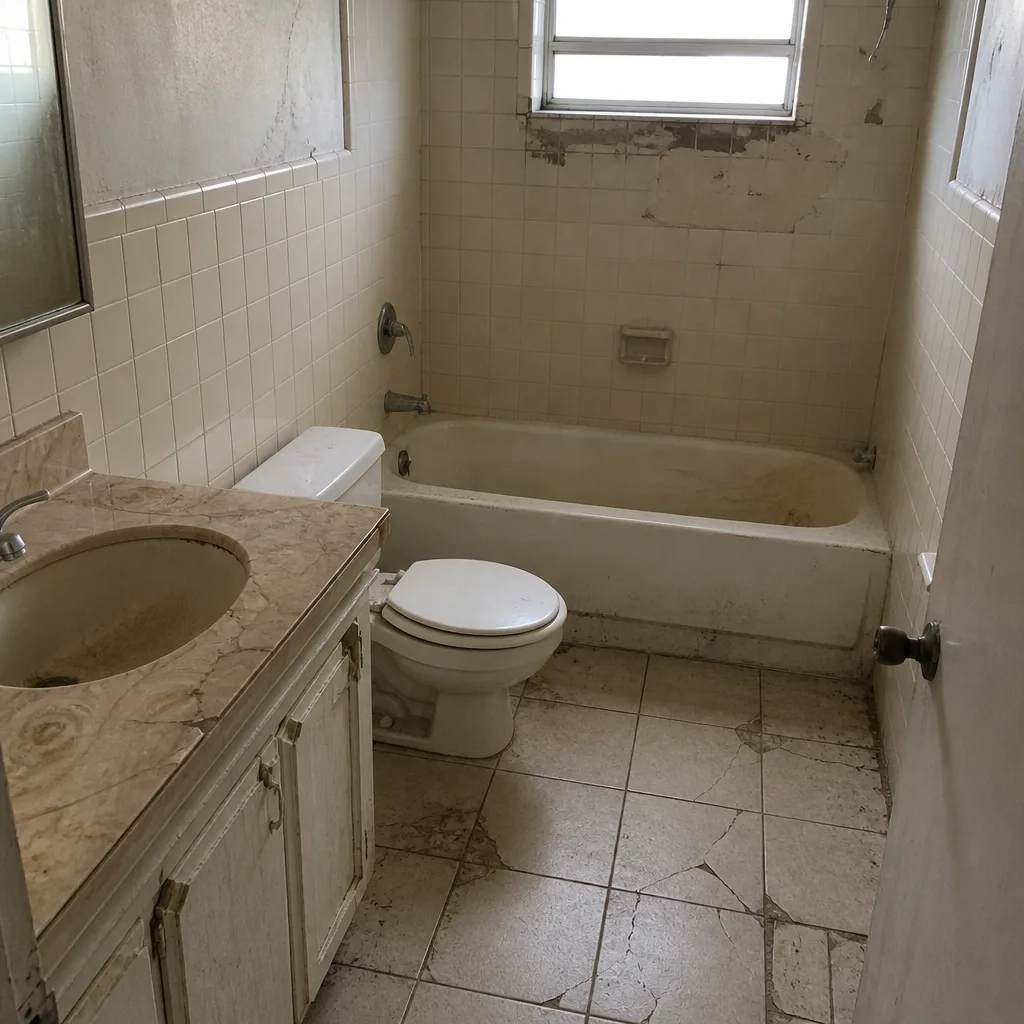 Before
 After
 Before
 After
When to Call a Professional
Call a professional when any of the following is true: the work touches electrical, plumbing, mechanical, or structural systems; the work requires a permit inspection; the project changes square footage or adds a habitable structure like an ADU; the work affects the building envelope in a way that any future insurance claim could question; or you’re planning to sell within a year of the permit. Those are the moments where doing it yourself costs more than hiring it out, sometimes years later. For everything else, the DIY list stands. Call Barrett & Sons Construction Miami Gardens at (844) 797-8316 to schedule a free estimate. Every scope, allowance, and price change arrives as a written change order before work happens, and every eligible job is backed by the written 90-Day Done Right Promise. We also offer a free second opinion on any written estimate, and a standing 10% Senior & Veteran discount.
Frequently Asked Questions
Yes, if the property is your principal residence and you don’t sell within one year of obtaining the permit. Florida’s owner-builder exemption lets a homeowner pull permits and manage an addition, but you still have to use licensed contractors for electrical, plumbing, mechanical, and structural work. The affidavit you sign attests that the work is for your own use, not for resale. Call (844) 797-8316 for a free estimate if you want the whole scope priced before you decide what to self-perform.
Your policy likely reduces or voids coverage for work done by unlicensed parties. Most Florida homeowner’s policies contain language that limits claims tied to unlicensed work, and in a hurricane-exposed state, that means a claim can be denied or reduced after a storm or leak. Check with your carrier directly and get the answer in writing. Call (844) 797-8316 if you want a contractor’s written scope that will hold up to an insurance review.
Painting, non-structural flooring installation, cabinet installation, exterior trim painting, and landscaping around the addition are the safe DIY tasks. Anything that touches a licensed trade or the structural system belongs to a licensed contractor. The permitting, inspection, and square-footage records also need to match the county’s database. Estimates are free, so call (844) 797-8316 if you want the whole project scoped in writing.
Yes, in some cases. If a rough inspection fails and work has been closed in, the code allows an inspector to require opening up finished surfaces to verify what’s behind them. That’s drywall, insulation, tile coming off, not just a correction. The safe sequence is rough inspection first, drywall second, finish last. Call (844) 797-8316 to get your inspection sequence planned correctly.
Yes, often. The buyer’s agent and the appraiser will pull the county’s property records, and a mismatch between what’s on the ground and what the county has certified creates a negotiation point, a discount demand, or a dead deal. In some cases the lender won’t count the added square footage, which changes the loan value. Call (844) 797-8316 to get permits pulled and inspections signed before work starts.
Sort every task by three questions: does it touch a licensed trade, does it require a permit inspection, and does it affect the building envelope. If any answer is yes, it goes to a licensed contractor. If all answers are no, it’s likely a safe DIY task. Homeowners in Miami Gardens often save real money on paint, flooring, and landscaping while hiring out everything that touches the structure. Call (844) 797-8316 for a free estimate and a written scope that separates the two.
The Bottom Line
The DIY question isn’t what you can physically build. It’s what you can legally build in Miami-Dade County and what your insurance will cover after you’re done. Florida’s owner-builder exemption lets you act as your own general contractor on your primary residence, but it doesn’t override trade licensing, doesn’t override inspection requirements, and can restrict resale within a year. The genuinely safe DIY tasks are painting, non-structural flooring, cabinet installation, exterior trim, and landscaping. Everything else needs a licensed contractor and a pulled permit. Get every scope and every change order in writing before work starts. If you want the whole picture priced out first, Barrett & Sons Construction Miami Gardens offers free estimates. Call (844) 797-8316 to schedule yours.
Written by the team at Barrett & Sons Construction Miami Gardens.