
Last updated November 17, 2026
 Windows & doors
 Kitchen remodeling
 Bathroom remodeling
 Home additions & ADU
 Roofing
 Driveway & pavers
 Fence
Free written scope consultation - allowances, timeline, and change-order rules on paper before a single trade is scheduled
Windows & Doors Maintenance Schedule: What to Do and When
Salt air in Miami Gardens doesn’t care whether your windows are six months old or six years old. It attacks aluminum frames, corrodes hinges and lock hardware, and eats through weatherstripping on a schedule that has nothing to do with how much you paid for the glass. The homeowners who call us for full replacement are, more often than you’d think, the ones who never wiped down a track or greased a roller. The manufacturers who build the best impact products in the world – PGT, CGI, Andersen – all publish maintenance requirements in their warranty documents. Almost nobody reads them. This guide turns those requirements into a Miami Gardens calendar you can actually follow.
Quick Answer: What’s the Maintenance Schedule for Impact Windows and Doors in Miami Gardens?
Wipe down frames and clean tracks every three months, lubricate all moving hardware once a year, and inspect weatherstripping every spring before hurricane season starts. After any named storm or significant wind event, walk your windows and doors within 48 hours and check frames, glazing seals, and hardware. Keep dated photos of every maintenance task – manufacturers can and do deny warranty claims when there’s no proof the upkeep happened.
Styles & brands we work with
- Kitchen remodeling
- Bathroom remodeling
- Home additions & ADU
- Roofing
- Windows & doors
- Driveway & pavers
- Fence
Table of Contents
- Why Miami Gardens Salt Air Changes the Schedule
- Quarterly Tasks: Frame Care and Cleaning
- Annual Hardware Maintenance: Locks, Hinges, and Rollers
- Inspecting Weatherstripping Before Hurricane Season
- Post-Storm Inspection Checklist
- Warranty Documentation: The Habit That Saves You Money
- Common Mistakes to Avoid
- When to Call a Professional
Why Miami Gardens Salt Air Changes the Schedule
Most window maintenance advice you’ll find online was written somewhere with four mild seasons and no ocean nearby. Miami Gardens sits close enough to Biscayne Bay and the Atlantic that airborne salt deposits settle on exterior frames continuously. That salt is mildly corrosive to the anodized and painted finishes on aluminum, and it’s outright aggressive toward the steel parts buried inside hinges, multi-point lock mechanisms, and sliding door rollers.
There’s a second factor homeowners rarely connect to their windows: our wet season. From roughly May through October, Miami Gardens gets heavy afternoon rain and humidity that stays above 70 percent for months. That moisture gets trapped in window tracks and door sills, mixing with the salt and any yard debris that blew in. The paste that forms is what kills finishes and freezes rollers.
We’ve seen six-year-old impact windows in Miami Gardens with corroded hinges that should have lasted twenty years, and we’ve seen fifteen-year-old ones that still operate like new. The difference was almost never the brand. It was whether someone spent twenty minutes a quarter keeping the salt and grit off the hardware.
One more local note: hurricane season officially runs June 1 through November 30, but South Florida’s most active window for named storms historically lands between mid-August and late October. Your pre-season inspection needs to be done by late May, not the week a storm forms in the Atlantic.
Quarterly Tasks: Frame Care and Cleaning
Every three months, set aside about thirty minutes per window and door. The goal is to remove salt, grit, and pollen before they bond to finishes or work their way into moving parts.
- Rinse the frames first. A garden hose on low pressure knocks off loose salt and debris. Don’t use a pressure washer – it forces water past glazing seals and can strip finish.
- Wash with mild soap and water. A few drops of dish soap in a bucket is the manufacturer-recommended approach for aluminum finishes across brands, including the ECO Window Systems and PGT units we install.
- Clean the tracks with a soft brush and a vacuum. A toothbrush or a dedicated track brush gets into the channel. Vacuum out the loosened grit before you wet it down, not after.
- Wipe glazing with a glass cleaner that’s ammonia-free. Ammonia is fine on bare glass but attacks the sealant edges and the low-E coating on some impact units.
- Dry the hardware. Wipe hinges, lock points, and rollers dry. Standing water is what starts corrosion.
- Look for anything new. Chips in the finish, screws backing out, a wobbly handle – catch it now while it’s a ten-dollar fix.
Which Cleaners Actually Damage Aluminum Finishes
This matters more than most people realize. Avoid anything with bleach, ammonia, or citrus-based degreasers on frame finishes – those all strip or dull the protective coating over time. Skip abrasive pads and scouring powders entirely; they scratch the anodized layer and give salt a place to start. And don’t use generic “heavy-duty” cleaners marketed for concrete or siding on window frames. Mild soap is boring, but it’s what the warranty language actually specifies.
For sliding glass door tracks, the grit load is higher than on windows because they’re at foot level. Clean those tracks monthly during our wet season, not quarterly. If you’ve got a paver patio or driveway nearby, sand and grit migrate into the track every time someone walks in – a good reason to keep a mat on both sides of the door.
Annual Hardware Maintenance: Locks, Hinges, and Rollers
Once a year – and we’d suggest October, right after hurricane season ends and before the dry months – lubricate every moving part on every window and door. In our experience, this single task adds more years to impact hardware than anything else on this list.
What to Lubricate
- Multi-point locking systems: the lock mechanism, the tie bars, and each lock point. On a typical impact-rated door, that’s the handle set, the cam or roller at the mid-rail, and the shoot bolts at top and bottom. A dry silicone spray or a light lithium grease is the safe choice. Keep it off the finish.
- Hinges: a couple of drops of light machine oil on the pin, then work the hinge open and closed a few times. Wipe the excess.
- Sliding door rollers: dry silicone spray on the roller housing, not oil. Oil attracts grit, and grit is what turns a smooth slider into a grinder.
- Window operators (casement and awning): the crank mechanism and the track it rides in. Same silicone spray.
- Strike plates and keepers: a light film of silicone or a dab of grease keeps the latch from galling against the keeper.
Which Lubricants Are Safe for Impact-Rated Hardware
Dry silicone spray is the workhorse. It doesn’t attract dust, it doesn’t gum up in heat, and it’s safe on the finishes and the internal mechanisms of the hardware we see from brands like Therma-Tru and Andersen. Light machine oil works for hinge pins. Lithium grease works well in the heavier lock bodies.
What to avoid: WD-40 as a long-term lubricant (it’s a solvent and water displacer, and it evaporates), any petroleum-based grease on plastic rollers or nylon components, and graphite powder, which turns into a black paste in our humidity. If a lock or roller is already stuck, don’t force it – that’s how tie bars bend and rollers snap out of their housings.
Inspecting Weatherstripping Before Hurricane Season
Weatherstripping is the rubber, foam, or felt strip that seals the gap between sash and frame, and it takes the hardest UV beating of any component on your windows. In Miami Gardens, south-facing windows can degrade the strip in three to five years. North-facing ones might last twice that. Do your inspection by the end of May.
How to Check for UV and Compression Damage
- Run your fingers along the strip. It should feel supple and spring back. If it feels chalky, cracked, or crumbly, it’s done.
- Look for compression set. That’s when the strip has flattened into a hard ribbon and no longer fills the gap. You’ll see daylight or feel air movement when the window is closed.
- Test the seal with a dollar bill. Close the window or door on the bill. If you can pull it out with no resistance, the seal is failing.
- Check the corners and the sill. Those are the first spots to fail and the hardest to see.
- Look for UV discoloration. A gray or bleached look on the strip itself is a sign of sun damage, even if it still feels intact.
What Replacement Looks Like
Replacing weatherstripping is not a glass-and-frame job. Most strip can be pulled out and replaced with matching profile material, and that’s a reasonable task for a homeowner who’s comfortable with it. What’s not a homeowner task: replacing the glazing seal between the glass and the frame, or dealing with water intrusion around the frame itself. Those need someone who knows what they’re doing – and a proper seal matters more in Miami Gardens than almost anywhere else in the country when a storm is coming.
If your doors have shrunk or swollen enough that new weatherstripping won’t seal, that’s a door alignment issue, and the strike plates and hinges need to be addressed before the strip. That’s where we usually get called. For a full replacement situation, our Barrett & Sons Construction Miami Gardens home page is a good starting point.
Post-Storm Inspection Checklist
Within 48 hours of a named storm or any wind event that made you nervous, walk your windows and doors. Damage that looks minor the day after can turn into a leak the following week when the next rain hits.
- Frames: look for cracks at the corners, popped miter joints, or any deflection. Aluminum that bent during the storm may not seal the same way again.
- Glazing seals: look for wavy edges, gaps, or any glass that appears to have shifted in the frame. Do not try to test or force the glass – just note it.
- Hardware: test every lock, shoot bolt, and roller. If a lock won’t engage or a slider feels heavier than it did, that’s a flag.
- Interior: check for water staining at the corners of the window opening, along the drywall, and on the sill. Stains may not appear for a few days.
- Operating force: open and close every window and door. A slider that took one hand before and takes two now had something change.
- Document: take dated photos of each window and door, including any damage. You’ll need them for an insurance claim or a manufacturer warranty claim.
If you find broken glass, a compromised glazing seal, or a frame that has moved, don’t open and close the unit to test it further. Call a professional. The risk of a failing impact unit in a storm is not worth working around. Our Fence Installation in Miami Gardens page isn’t the right starting point for window damage, but if a storm has taken out a fence alongside the windows, that’s a call we take often the same week.
Warranty Documentation: The Habit That Saves You Money
Here’s the part that surprises people. Manufacturers like PGT, CGI, and Andersen can deny a warranty claim if there’s no record of routine maintenance, and they can do it years after the fact. A corroded hinge that failed at year eight becomes your problem if there’s no evidence the hardware was ever lubricated. The warranty covers manufacturing defects; it does not cover neglect, and the burden is on you to show the difference.
The habit that protects you is simple:
- Keep a short log – a note on your phone is fine – of the date you cleaned frames, lubricated hardware, or replaced weatherstripping.
- Take one dated photo per quarter of your windows and doors, particularly the hardware and the sill area. The date stamp matters.
- Save the original purchase paperwork and the manufacturer’s warranty document in one place. If you bought a home with impact windows already installed, ask the seller for these.
- Keep receipts for any professional service, including ours. A dated invoice from a contractor showing inspection and lubrication is strong documentation.
- File the make and model of each window and door, plus the serial numbers if they’re on the frame. That’s what the manufacturer’s warranty department will ask for first.
It takes five minutes a quarter. It can mean the difference between a covered replacement and a five-figure bill.
Common Mistakes to Avoid
- Pressure-washing window frames. It’s the fastest way to force water past the glazing seal and lift finish. Low-pressure hose only, every time.
- Using bleach or citrus cleaners on aluminum. Both attack the finish. So does ammonia on the glazing edge. Mild soap, or an ammonia-free glass cleaner on bare glass only.
- Oiling sliding door rollers. Oil attracts grit in our sandy environment and grinds the roller into the track. Dry silicone, always.
- Skipping the pre-season weatherstripping check. Homeowners in Miami Gardens who do this inspection in late May are the ones who don’t get surprised in August.
- Forcing a stiff lock or roller. If a multi-point lock won’t engage smoothly, one of the tie bars is misaligned. Forcing it bends the mechanism, and that’s a $300 to $600 repair on its own.
- Not documenting anything. No dated photos, no receipts, no maintenance log – and then the warranty claim gets denied for “lack of maintenance.” It happens more than you’d think.
- Assuming the windows are new, so they don’t need work. Salt air doesn’t know how old your windows are. We see corrosion on three-year-old units in Miami Gardens regularly.
When to Call a Professional
Most of this guide is squarely homeowner territory. But a few situations call for someone who knows impact systems. Call us if a multi-point lock won’t engage cleanly, if a sliding door needs more than one hand to open, if the glazing seal has a visible gap, if the frame has shifted or cracked at a corner, or if there’s any water staining around a window opening after a storm. Those are all signs of a problem that gets more expensive the longer it sits.
We’ve got the brand knowledge – PGT, CGI, Andersen, Therma-Tru, ViewLux, Mr-Glass, and ECO Window Systems all show up in our work – and our crew members have up to 28 years of experience with impact-rated systems. Barrett & Sons Construction Miami Gardens offers free estimates in Miami Gardens. Call (844) 797-8316.
See the difference
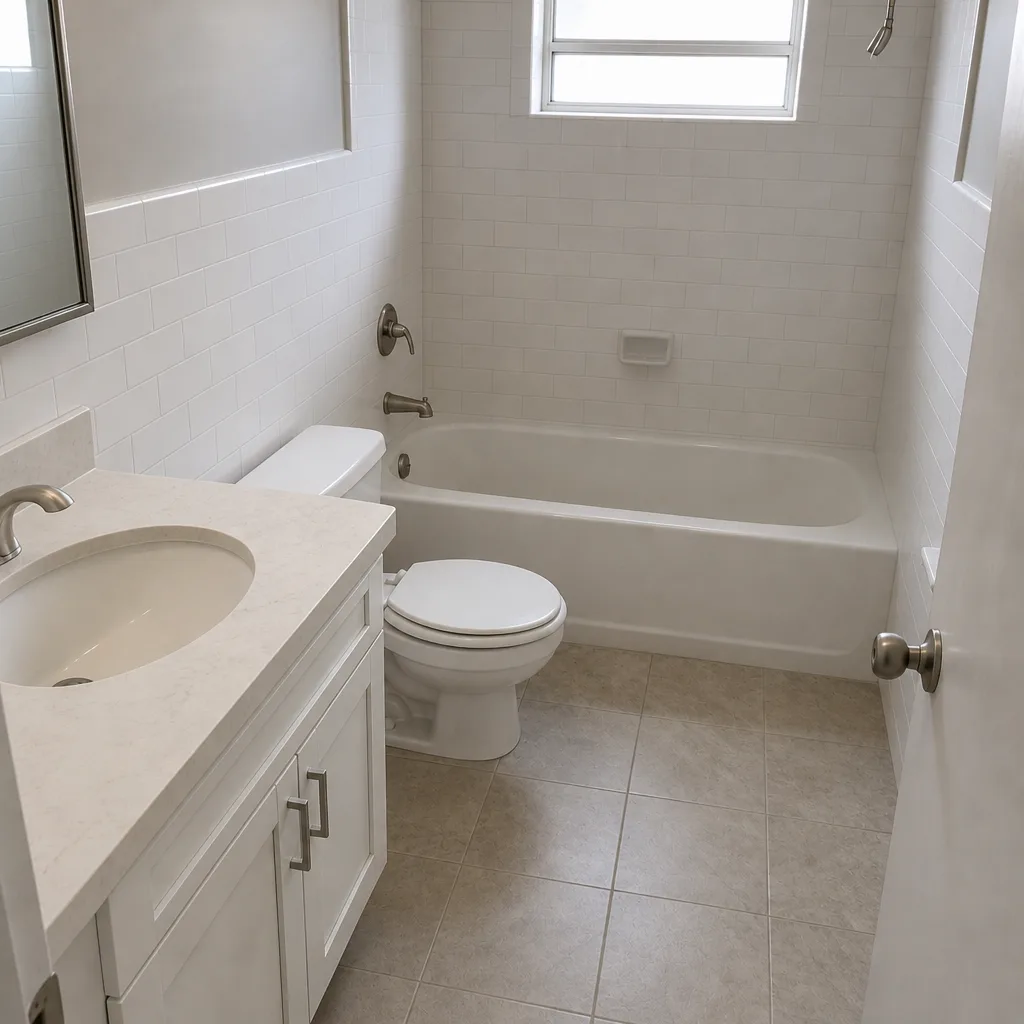
 Before
 After
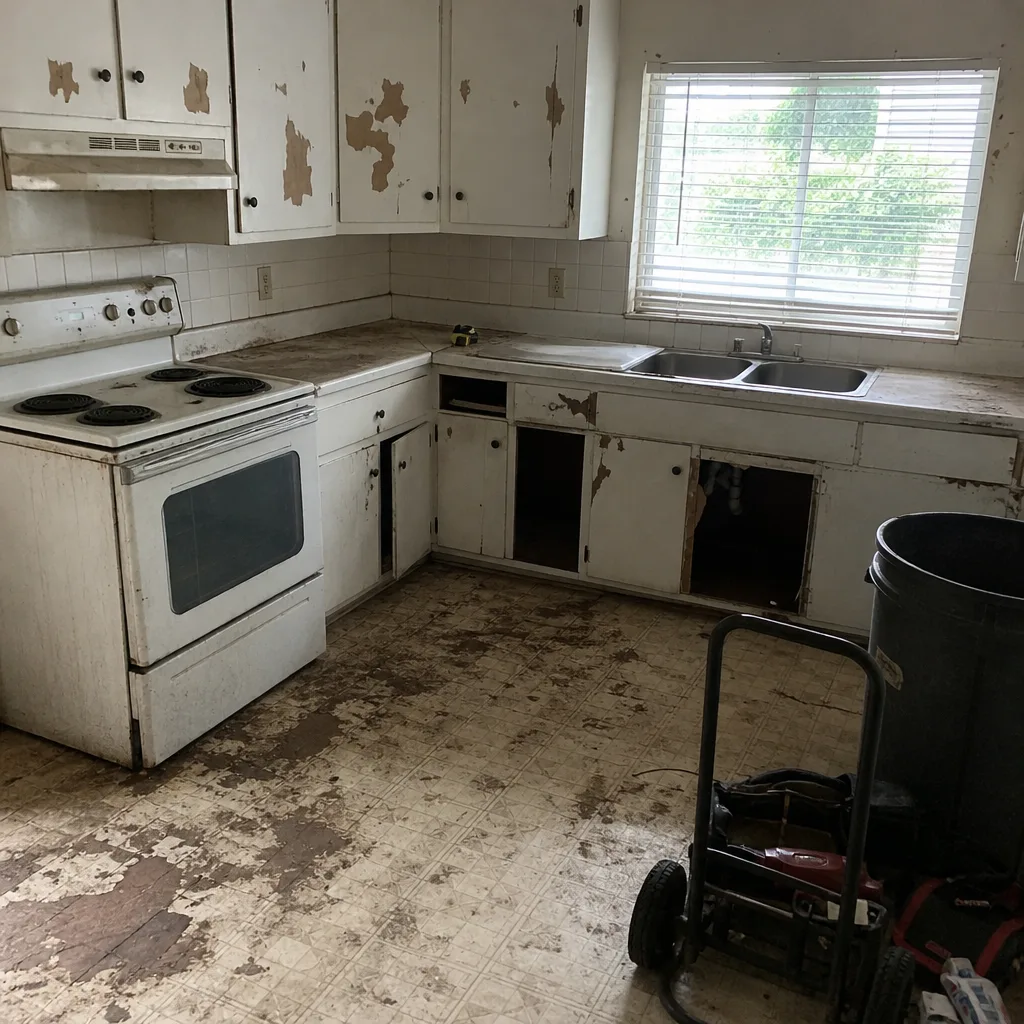
 Before
 After
 Before
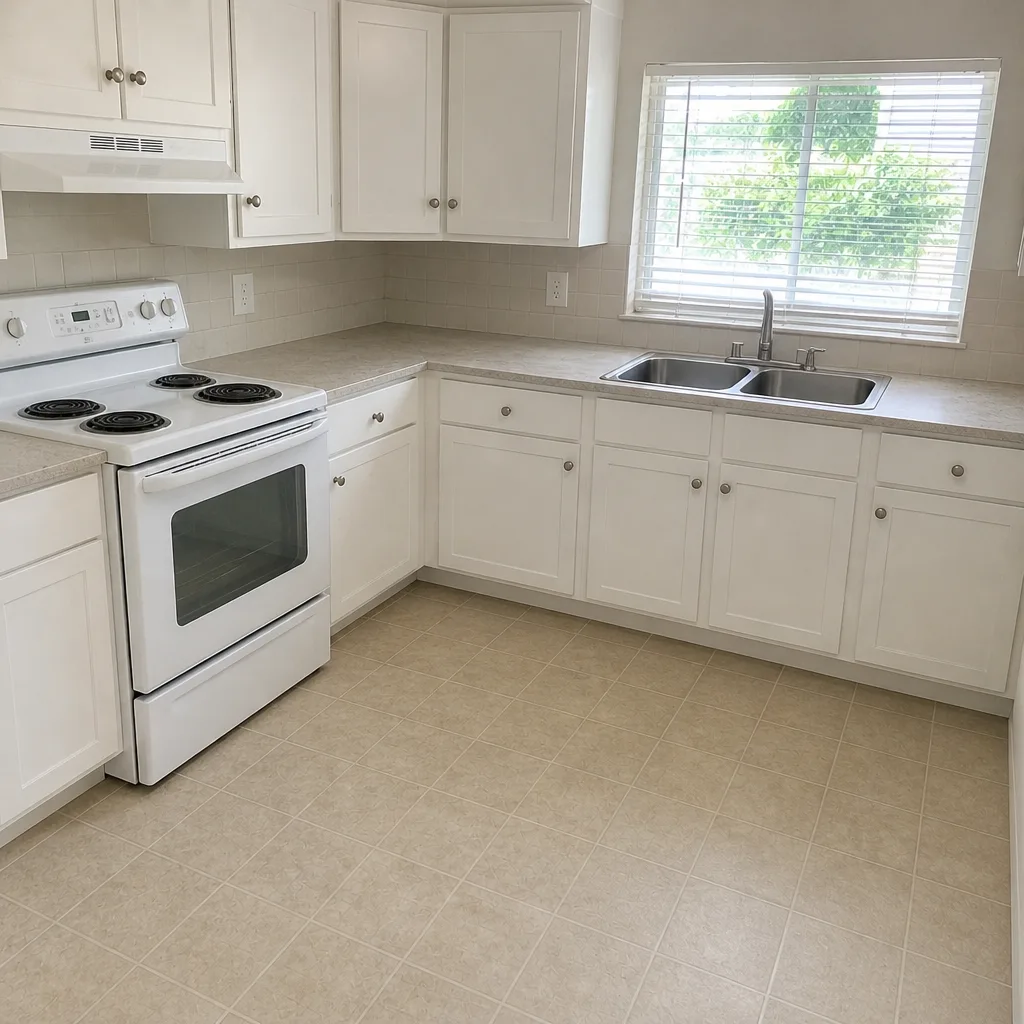 After
Frequently Asked Questions
Every three months for windows, and monthly for sliding door tracks during our wet season. Salt deposits build continuously, and the wet season traps grit in the tracks where it does the most damage. A garden hose and mild soap are enough – don’t use a pressure washer.
Dry silicone spray is the safe choice for rollers, operators, and lock bodies. Light machine oil works for hinge pins, and lithium grease works for heavier lock mechanisms. Skip WD-40 as a long-term lubricant, skip graphite entirely, and never use oil on nylon rollers.
Yes, it can. Manufacturers like PGT, CGI, and Andersen can deny claims when there’s no evidence of routine maintenance. Keep dated photos, a short log of cleanings and lubrication, and all purchase paperwork. That’s your protection.
By the end of May. South Florida’s most active storm window runs mid-August through late October, and replacement weatherstripping needs to be ordered and installed before June 1. Test with a dollar bill, check the corners and sill first, and look for chalky or flattened strips.
Not always. Most weatherstripping is a reasonable homeowner task if you’re comfortable with it. The glazing seal between the glass and the frame, and any water intrusion around the frame, does require a professional. Those aren’t worth improvising.
Within 48 hours: frame corners for cracks or deflection, glazing seals for gaps, all hardware for function, and the interior drywall and sill for water staining. Test every window and door for operating force. Take dated photos of anything you find, and don’t force a unit that isn’t operating smoothly.
The Bottom Line
Impact windows and doors are a long-term investment, and the maintenance that protects them is genuinely modest. Quarterly cleaning, annual lubrication, a pre-season weatherstripping check, a post-storm walk-through, and dated records of all of it. That’s the whole schedule, and following it in Miami Gardens is what keeps a fifteen-year-old window operating like new and a warranty claim still worth filing. If a repair gets past what you want to handle yourself, call a crew you can look up and hold accountable. For a full window or door replacement, remember that the job ties into the rest of the house. Our Home Additions & ADU in Miami Gardens page covers how window openings are handled in a larger scope, and our Driveway & Pavers in Miami Gardens page covers the exterior work that keeps water and grit away from your sills in the first place.
Everything we do runs through the same discipline: scope in writing, allowances in writing, change orders in writing, permits pulled, inspections signed, and the 90-Day Done Right Promise on every job. Every price change arrives as a written change order before we touch the job. No surprises.
Call Barrett & Sons Construction Miami Gardens at (844) 797-8316 for a free estimate on any window or door issue. A live person answers the phone any hour of the day, not a voicemail box.
Written by the team at Barrett & Sons Construction Miami Gardens.