
Last updated November 17, 2026
 Home additions & ADU
 Kitchen remodeling
 Bathroom remodeling
 Roofing
 Windows & doors
 Driveway & pavers
 Fence
Free written scope consultation - allowances, timeline, and change-order rules on paper before a single trade is scheduled
The Complete Fence Installation Guide for Miami Gardens Homeowners
Miami-Dade is one of the few counties in the country where putting up a residential fence can require a wind-load calculation before the county issues a permit. That surprises most homeowners. They expect a fence to be simple: posts, panels, done. But in Miami Gardens, a fence that skips the permit, skips the utility locate, or ignores an HOA restriction can end up getting pulled down at your own expense, or worse, sitting there as an insurance claim denial waiting to happen. This guide walks you through every layer that comes before the first post hole is dug, so the fence you pay for is the fence that stays standing.
Quick Answer
Fence installation in Miami Gardens typically runs $3,400 to $9,800 for a standard residential yard, depending on material, height, and lot layout, with aluminum and vinyl at the low-to-mid end and CBS block walls at the top. The project needs a Miami-Dade permit, a wind-load calculation for most solid and semi-solid fences, a marked utility locate, and a check against your HOA rules and setback lines before any materials get ordered. Done right, the whole process takes two to four weeks from signed contract to final inspection.
Styles & brands we work with
- Kitchen remodeling
- Bathroom remodeling
- Home additions & ADU
- Roofing
- Windows & doors
- Driveway & pavers
- Fence
Table of Contents
- How Miami-Dade’s Hurricane Zone Rules Affect Your Fence
- Setback Rules for Front, Side, and Rear Fences (and Corner Lots)
- Running a Utility Locate Before You Dig
- Material Comparison for South Florida Conditions
- Reading Your Deed and HOA Docs Before You Buy
- The Permit and Inspection Process, Step by Step
- What Fence Installation Costs in Miami Gardens
- Common Mistakes to Avoid
How Miami-Dade’s Hurricane Zone Rules Affect Your Fence
Most of Miami Gardens sits inside what Miami-Dade County designates as the High-Velocity Hurricane Zone, or HVHZ. That designation exists because this part of the county faces some of the highest wind speeds on the Florida coast, and the building code treats anything that can become a projectile or a sail with real seriousness. A fence, particularly a solid wood or CBS block wall, catches wind like a sail. So the county asks for engineering that proves the fence will hold.
In practice, HVHZ rules touch three parts of your fence:
- Post depth and spacing. Posts on a solid fence are set deeper and closer together than you’d see on a fence built to standard non-hurricane code. A contractor who guesses at this will fail inspection.
- Material and anchoring. Metal posts are anchored with specific embedment and concrete specs. Fastener type, spacing, and corrosion rating matter here because of salt air and storm surge humidity.
- Wind-load calculation. For most solid or semi-solid fences, the permit package includes a wind-load calc, often stamped by a licensed engineer. This is the piece most homeowners don’t expect, and it’s the piece a cheap quote usually skips.
A fence built without the permit and calculation can stand for years and then cause trouble at the worst moment: when you sell the house, when you file a claim after a storm, or when a code officer drives by. We’ve seen a Miami Gardens homeowner lose a fence permit dispute that cost more than the fence would have. The insurance angle matters too. If a fence fails in a storm and damages a neighboring property, and the fence was never permitted, that claim gets complicated fast.
Setback Rules for Front, Side, and Rear Fences (and Corner Lots)
Setback rules for fences in Miami Gardens are not uniform. The distance a fence must sit back from the property line changes depending on whether it’s a front, side, or rear fence, and whether the property is a corner lot. Zoning setback schedules are the place to start, but the code language is dense, and what matters is how it applies to your specific parcel and street.
Here’s the short version:
- Front fences. These usually have the tightest restrictions and sometimes a height limit tied to how close they sit to the sidewalk or right-of-way.
- Side fences. Side yard setbacks often allow a fence closer to the property line, but there are rules about sight triangles at driveways and intersections.
- Rear fences. Rear setbacks are usually the most forgiving, but they still can’t encroach on drainage easements or utility corridors.
- Corner lots. This is where homeowners get surprised. A corner lot has more than one “front” in some cases, plus a required clear-sight area at the corner to keep drivers and pedestrians safe. A fence that blocks sight lines at the corner can be ordered removed regardless of the building permit.
Before you pick a fence line, pull your property survey. If you don’t have one on file, the county can provide what it has, and a surveyor can walk the lot if the plat is unclear. In our experience, the small cost of confirming the property line is well worth avoiding a fence built six inches onto the neighbor’s land.
Running a Utility Locate Before You Dig
The free utility locate is the step homeowners skip most often, and it’s the one that matters most in Miami Gardens. This city has a dense web of irrigation lines, older sewer laterals, and drainage infrastructure under a lot of residential yards, and a sharpened steel post goes through a water line or a buried irrigation valve with alarming speed. The good news: Florida’s locate service, Sunshine 811, is free. Call or submit a request online, and the locates are marked, typically within a few business days.
The process works like this:
- Call Sunshine 811 at least two to three business days before any digging. Give them your address and mark the intended dig area with white paint or flags.
- The utility companies send locate crews to mark public lines. Private lines (your irrigation, your pool plumbing, your low-voltage lighting) are your responsibility and usually need a private locate, which many contractors arrange.
- Confirm all locates are marked and documented before crews start. Take photos of the paint and flags.
- If you have an irrigation system, have it run and checked before digging. A leak discovered after the fact means tearing out a section of brand-new fence.
We won’t start a post hole on a Miami Gardens property without a confirmed locate. Neither should anyone else. A contractor willing to skip it is telling you something about how they operate.
Material Comparison for South Florida Conditions
The materials that hold up in South Florida are not the same ones that make sense in a dry, temperate climate. Salt air, high humidity, intense sun, and hurricane-season wind all wear on a fence at once. Here’s how the four main options compare when they’re installed in Miami Gardens conditions.
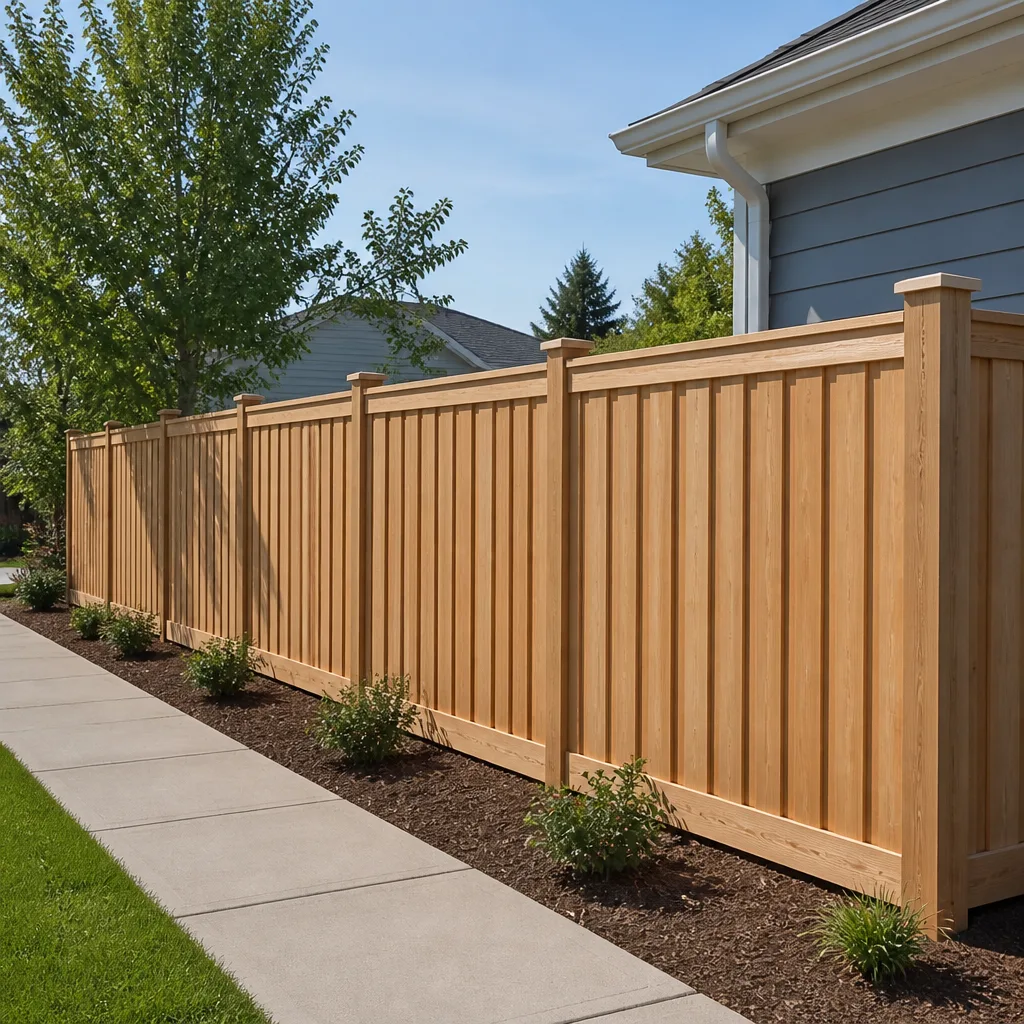
- Aluminum. Lifespan: 20 to 30 years or more with a quality powder-coat finish. Maintenance: minimal, usually a rinse a few times a year. Best for decorative or security fencing where airflow matters. A premium brand like Ameristar or Jerith holds up well in salt air. Aluminum is the most forgiving choice if your yard front is open to wind.
- Vinyl (PVC). Lifespan: 15 to 25 years. Maintenance: occasional wash. Vinyl doesn’t rot, but the sun and heat here can make cheap vinyl chalky and brittle faster than in cooler climates. Quality matters. Barrette vinyl with proper UV stabilization is worth the difference.
- Wood. Lifespan: 8 to 15 years with regular treatment in this climate. Maintenance: annual or bi-annual sealing, plus repairs after storms. Wood swells and shrinks with humidity and is the most prone to rot at the post base. Pressure-treated materials help, but wood in Miami Gardens requires real upkeep.
- CBS block. Lifespan: 30 to 50 years or more. Maintenance: minimal, but repairs (cracks, stucco) cost more. Block is the most common privacy wall material across Miami Gardens for a reason: it handles wind, it’s quiet, and it lasts. It’s also the most expensive up front and the heaviest permit and engineering package.
For most homeowners here, the real tradeoff is aluminum or vinyl for cost and maintenance versus CBS block for longevity and privacy. Wood is sometimes the cheapest initial quote and often the most expensive over ten years. We usually steer people toward quality metal or vinyl if the goal is low hassle, and toward block if the goal is a permanent privacy wall.
Reading Your Deed and HOA Docs Before You Buy
This step is where nervous first-time fence buyers find out their plan was never going to be approved. Miami Gardens has neighborhoods with active homeowner associations and deed restrictions that dictate fence height, material, color, and even the style of the panel. Read before you buy, not after.
What to look for:
- Deed restrictions. These are recorded against your property and can limit fence height, type, and placement. They can even require a certain setback that’s tighter than the city’s. Ask your title company for a copy, or search the Miami-Dade Clerk of Courts records.
- HOA architectural rules. Associations often require an architectural review approval before you can install. The approval process can take weeks and sometimes requires a site plan with dimensions.
- Easements. Your deed and plat will show utility and drainage easements. Fences generally can’t go in them, and even when they can, they may have to be removable. A contractor who quotes you a fence that crosses an easement is quoting you a future problem.
A legitimate contractor asks for these documents before the estimate, not after the deposit. We ask for deed screenshot and any HOA approval packet up front, because that’s what determines whether the fence you want is the fence you can build.
The Permit and Inspection Process, Step by Step
Here’s what the permit path actually looks like for a residential fence in Miami Gardens. Expect it to take a couple of weeks to a month depending on the backlog at the county and whether engineering is required.
- Confirm zoning and setbacks for your parcel. Know where your fence line sits relative to the property survey.
- Get the wind-load calculation if required. This is often provided by the fence manufacturer for engineered systems or by a licensed engineer for custom work.
- Submit the permit application with the site plan, engineering, and material specs. The county reviews for code compliance and HVHZ requirements.
- Receive the permit and schedule the install. Post holes get inspected before concrete is poured on most jobs.
- Pass inspections. Final inspection confirms the fence is built to the approved plans. Get the signed inspection as part of your paperwork.
The permit inspector works for you, not for the contractor. A signed-off inspection is a record that the fence was built correctly, which matters when you sell, insure, or file a claim on the property. We pull permits and schedule inspections on every eligible fence job, and we hand the signed copy to the homeowner at the end.
What Fence Installation Costs in Miami Gardens
Real numbers for this market. These are typical installed ranges for a standard residential lot, including materials, labor, and permit fees. Your exact price depends on linear feet, height, gates, and site access.
- Aluminum fence (4 to 5 ft): $40 to $65 per linear foot installed.
- Vinyl privacy fence (6 ft): $35 to $55 per linear foot installed.
- Pressure-treated wood (6 ft privacy): $28 to $45 per linear foot installed.
- CBS block wall (6 ft, stucco finish): $70 to $110 per linear foot installed.
- Gate (walk-through, quality): $450 to $1,200, depending on width and material.
- Permit fees: roughly $150 to $450 depending on total fence valuation.
- Engineering (wind-load calc if required): typically $300 to $800.
For a typical Miami Gardens backyard with 120 to 160 linear feet of fence, expect a total range of roughly $3,400 at the low end to $9,800 or more for block. A written line-item quote should show materials, labor, permit, engineering, and gate separately. If a quote won’t itemize, ask why.
Common Mistakes to Avoid
- Building without a permit. A fence built without a permit can trigger a code enforcement action years later and complicate any storm-damage insurance claim. Pull the permit.
- Skipping the utility locate. In Miami Gardens, dense irrigation lines and older sewer laterals mean a post hole can hit a line in a foot of digging. The locate is free; the repair is not.
- Buying materials before the HOA approves. Returning a trailer full of custom panels is both time-consuming and costly. Get the approval first.
- Guessing at the property line. A fence built six inches over the line can be ordered removed regardless of who paid for it. Confirm the survey.
- Choosing the cheapest quote. The quote that skips engineering, permits, or the locate is not cheaper; it’s shifted. Expect an inspection failure or an insurance problem down the line.
- Using standard non-hurricane framing in HVHZ. Post depth and spacing must meet the countys wind-load specs. A fence that passes on a calm day isn’t proof it will pass inspection.
- Corner-lot oversight. A fence that blocks the required clear-sight triangle at a corner can be ordered removed even if it has a permit. Check before you position gates or panels.
See the difference
 Before
 After
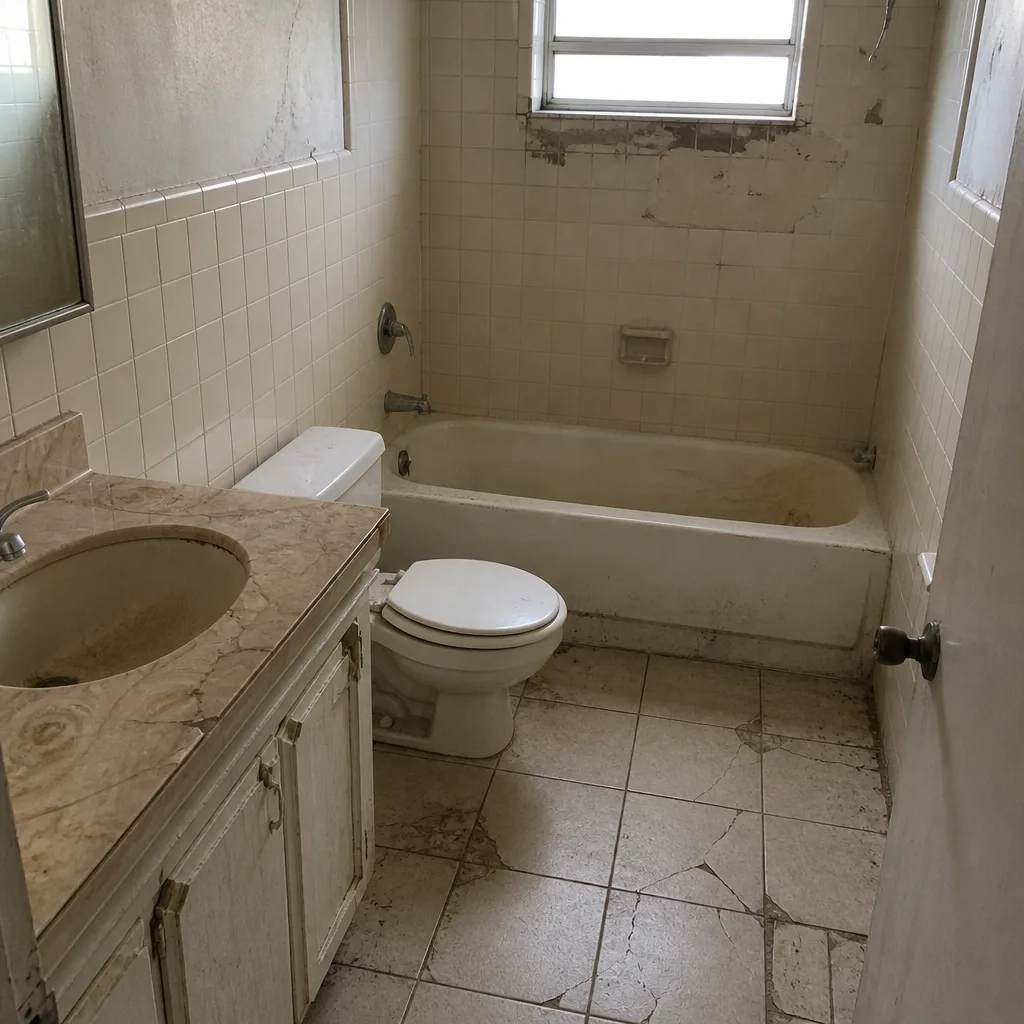 Before
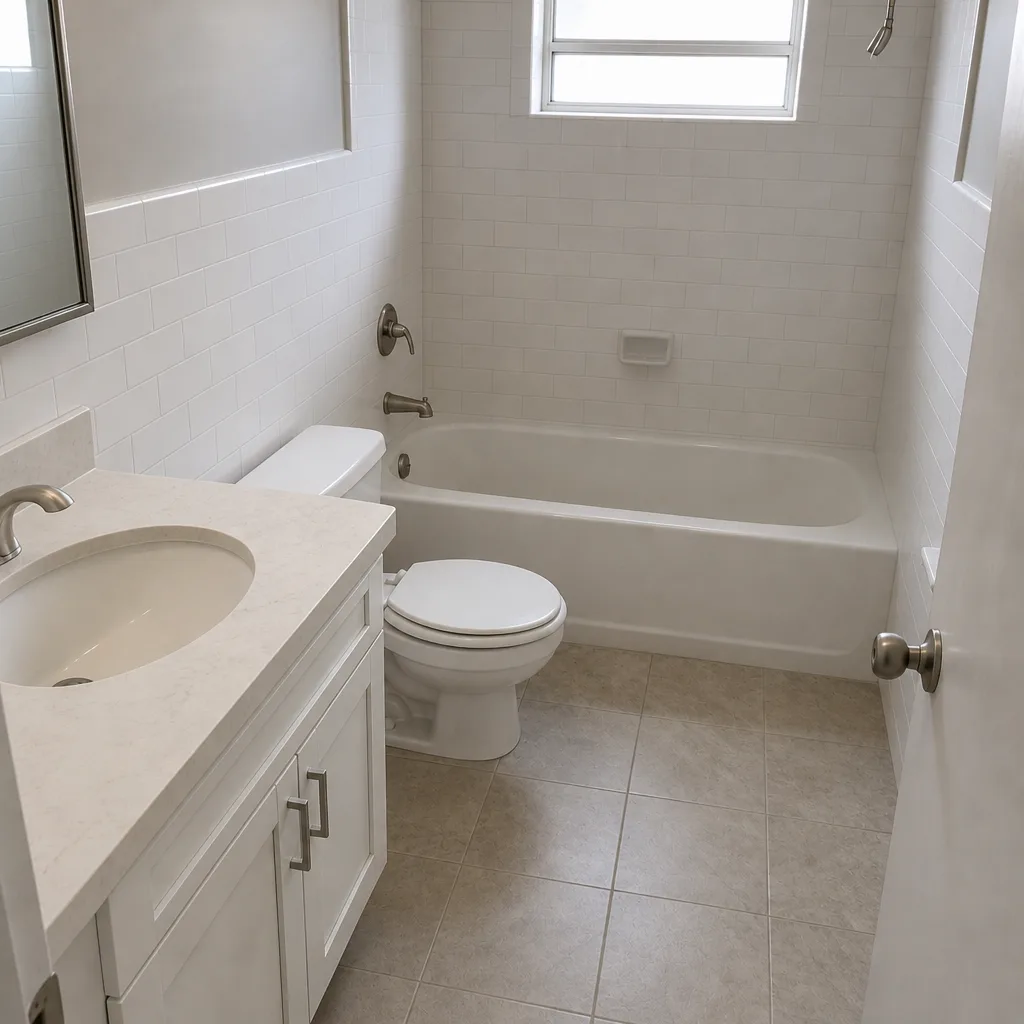 After
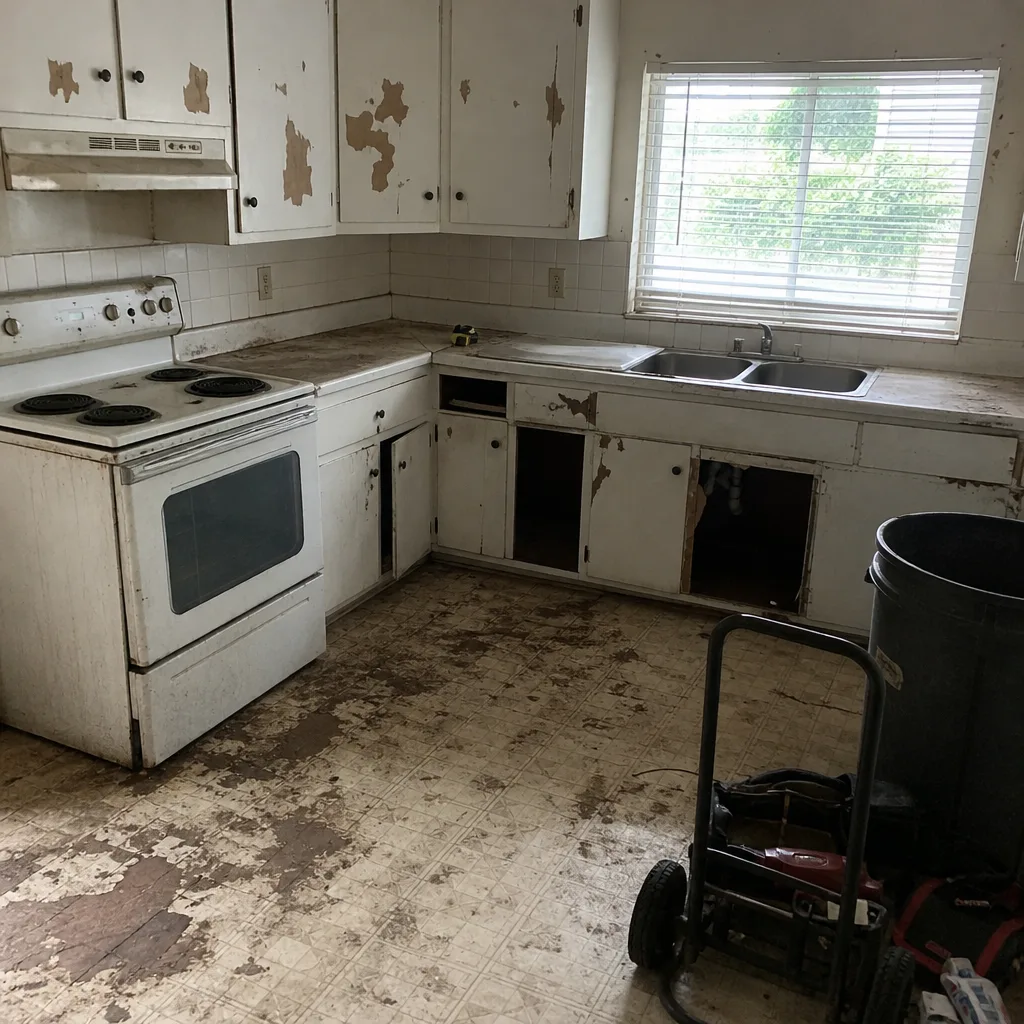 Before
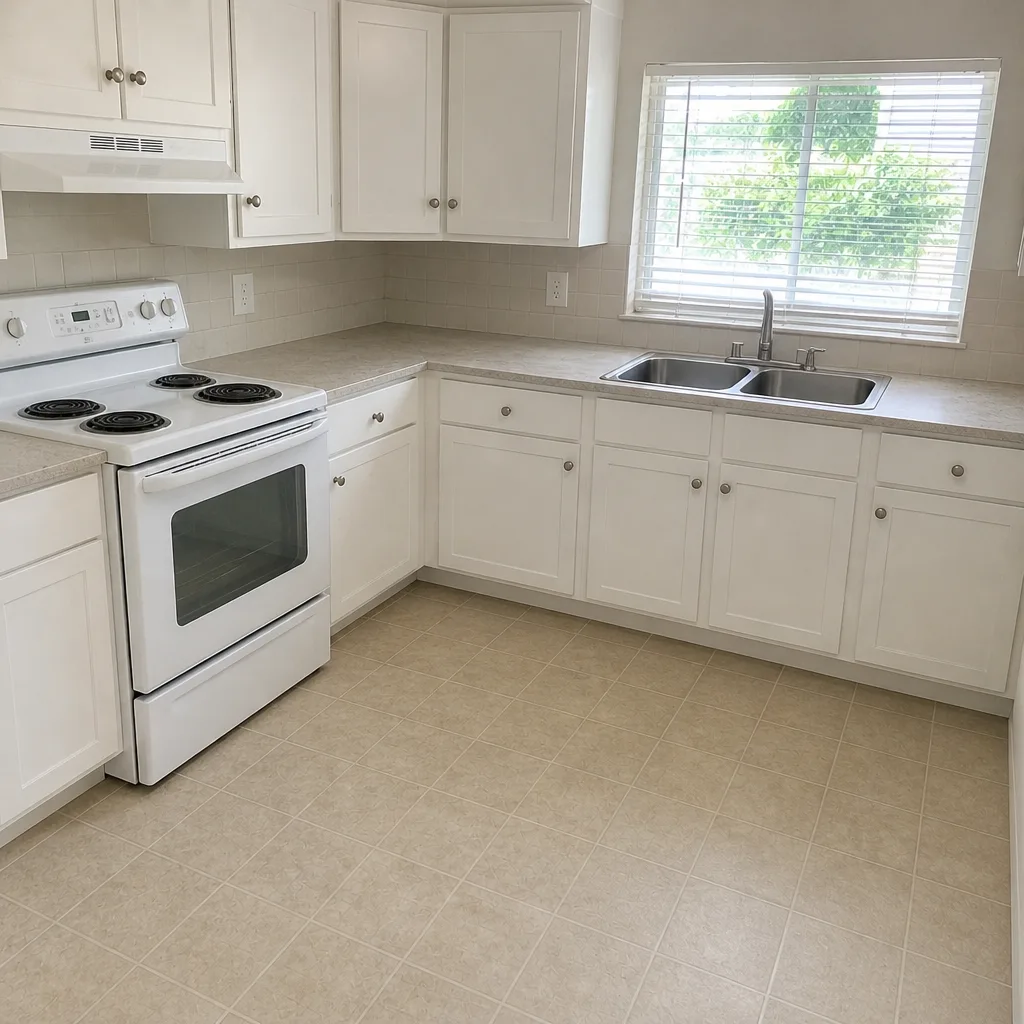 After
When to Call a Professional
Call a professional when any of these apply: your fence is in HVHZ and needs a wind-load calculation, the project touches an HOA with architectural review, the fence line runs near an easement or a corner, or the yard contains irrigation, pool plumbing, or older sewer laterals. Those are the jobs where a mistake gets expensive to unwind.
Small repairs and low-risk replacements you might handle yourself with confidence. Anything requiring a permit, an engineering calc, or a utility locate is a different story. Barrett & Sons Construction Miami Gardens offers free estimates in Miami Gardens. Call (844) 797-8316 to schedule one, and we’ll walk the lot with you and give you a written scope before you commit to anything. You can also review our Fence Installation in Miami Gardens page to see how we handle the permit and engineering side of each job.
Frequently Asked Questions
Yes, most residential fences in Miami Gardens require a Miami-Dade County permit, and most solid or semi-solid fences also require a wind-load calculation because the area is in the High-Velocity Hurricane Zone. Permit and inspection costs typically run $150 to $450 plus the engineering fee if required. Call (844) 797-8316 for an exact quote, and estimates are free.
Installed fence costs in Miami Gardens run roughly $3,400 to $9,800 for a typical residential lot, depending on material. Aluminum is around $40 to $65 per linear foot, vinyl $35 to $55, wood $28 to $45, and CBS block $70 to $110. Call (844) 797-8316 to schedule a free estimate on your exact lot.
From signed contract to final inspection, a fence installation in Miami Gardens usually takes two to four weeks, with the actual build taking one to three days for most lots. Permit review and any required engineering add the most time. Call (844) 797-8316 for a timeline on your specific project.
Not directly, but a permitted, code-compliant fence protects you from claim complications after a storm, which is more important than a rate adjustment. Insurers care whether the fence was engineered and permitted, especially in HVHZ areas. If you’re unsure whether your fence is permitted, call (844) 797-8316 for a free assessment.
CBS block lasts longest (30 to 50 years), with aluminum close behind (20 to 30 years), followed by vinyl (15 to 25) and wood (8 to 15). Salt air, humidity, sun, and storm wind all matter. Choose based on whether you want a permanent privacy wall or a lighter-weight barrier. Call (844) 797-8316 and we’ll match the material to your lot.
You can pull a permit as a homeowner in some cases, but HVHZ rules and the required wind-load calculation make DIY risky for anything but the simplest low fence. A failed inspection or a damaged utility line after DIY work costs more than hiring it out. Call (844) 797-8316 for a free estimate and a straight answer about whether your project is DIY-safe.
The Bottom Line
Fence installation in Miami Gardens is a sequence, and getting the sequence right is most of the job: confirm the property line and setbacks, read the deed and HOA rules, get the permit and the wind-load calculation, run the locate, then build to spec. Materials matter, but permitting and preparation matter more. Aluminum and vinyl give you the most fence for the money; CBS block gives you the longest life. A legitimate contractor puts every one of those steps in writing, pulls the permit, and hands you the signed inspection at the end. If you’d rather not sort through the county paperwork alone, that’s exactly what we’re here for. Barrett & Sons Construction Miami Gardens gives written scopes, real pricing, and a free second opinion on any written estimate. Call (844) 797-8316 to schedule your free estimate. You can also explore our Barrett & Sons Construction Miami Gardens home, our Driveway & Pavers in Miami Gardens work, and our Home Additions & ADU in Miami Gardens services for the rest of your outdoor and expansion projects.
Written by the team at Barrett & Sons Construction Miami Gardens.