
Last updated November 17, 2026
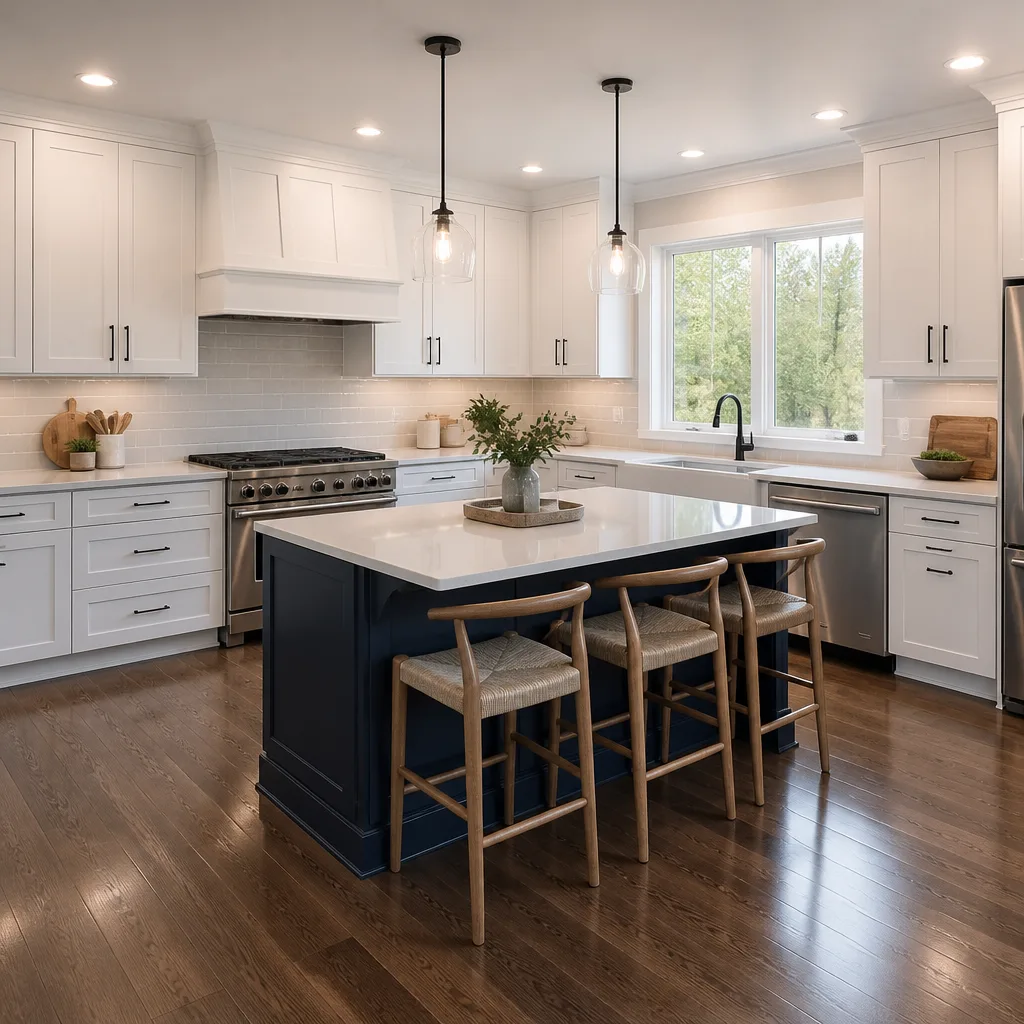 Kitchen remodeling
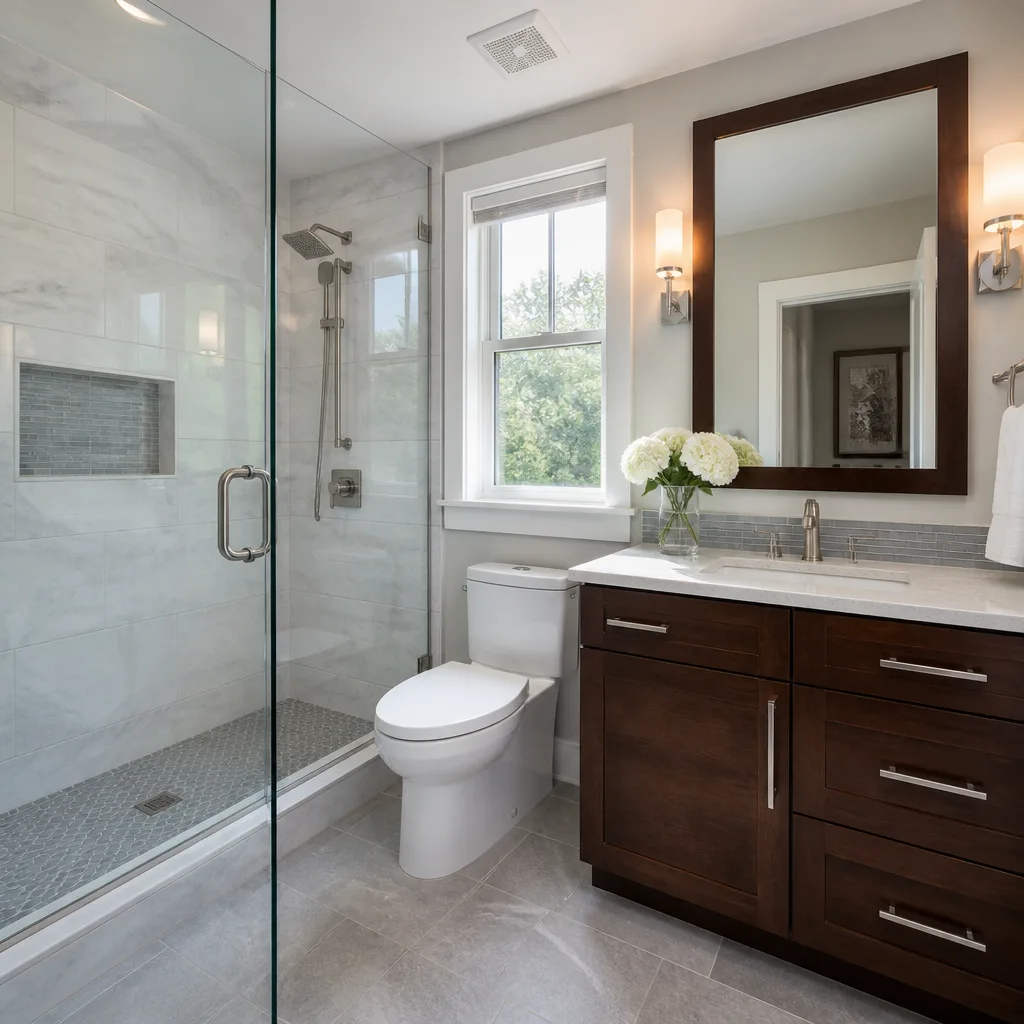 Bathroom remodeling
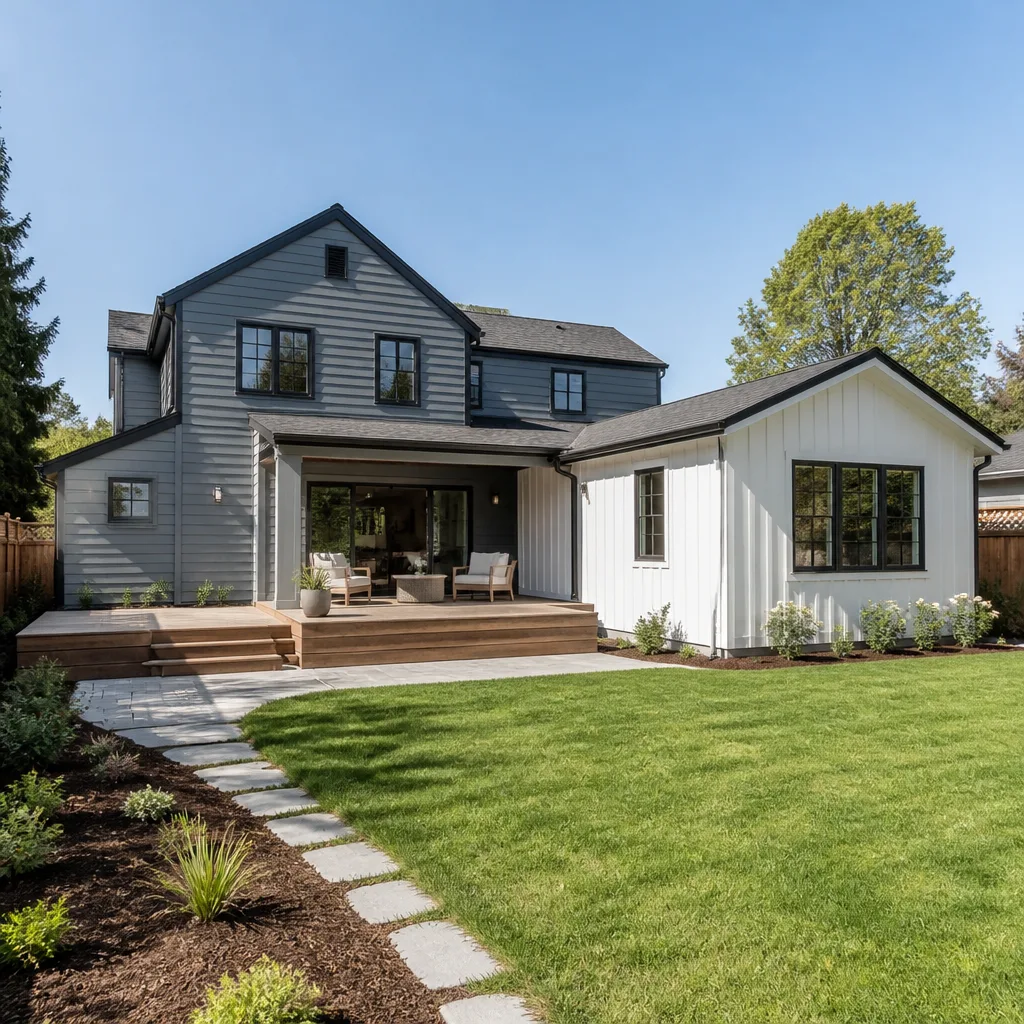 Home additions & ADU
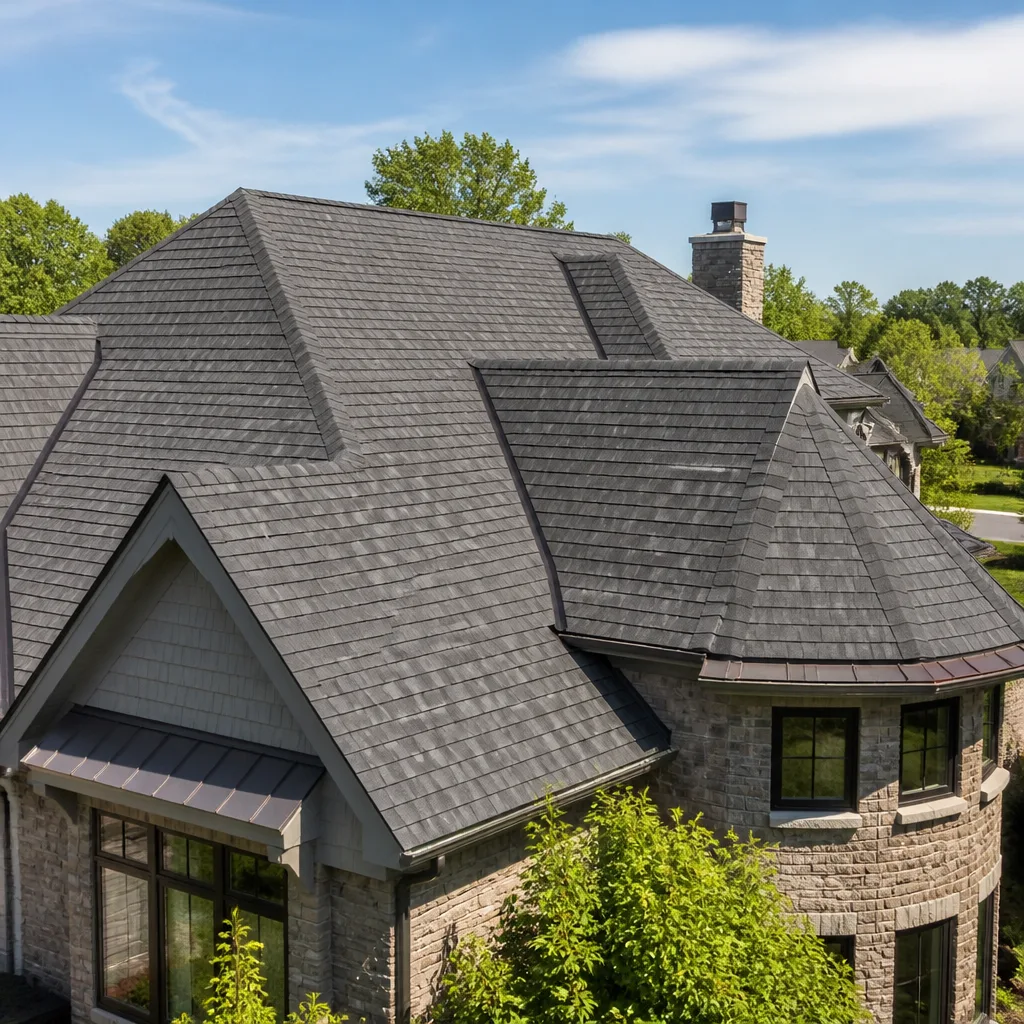 Roofing
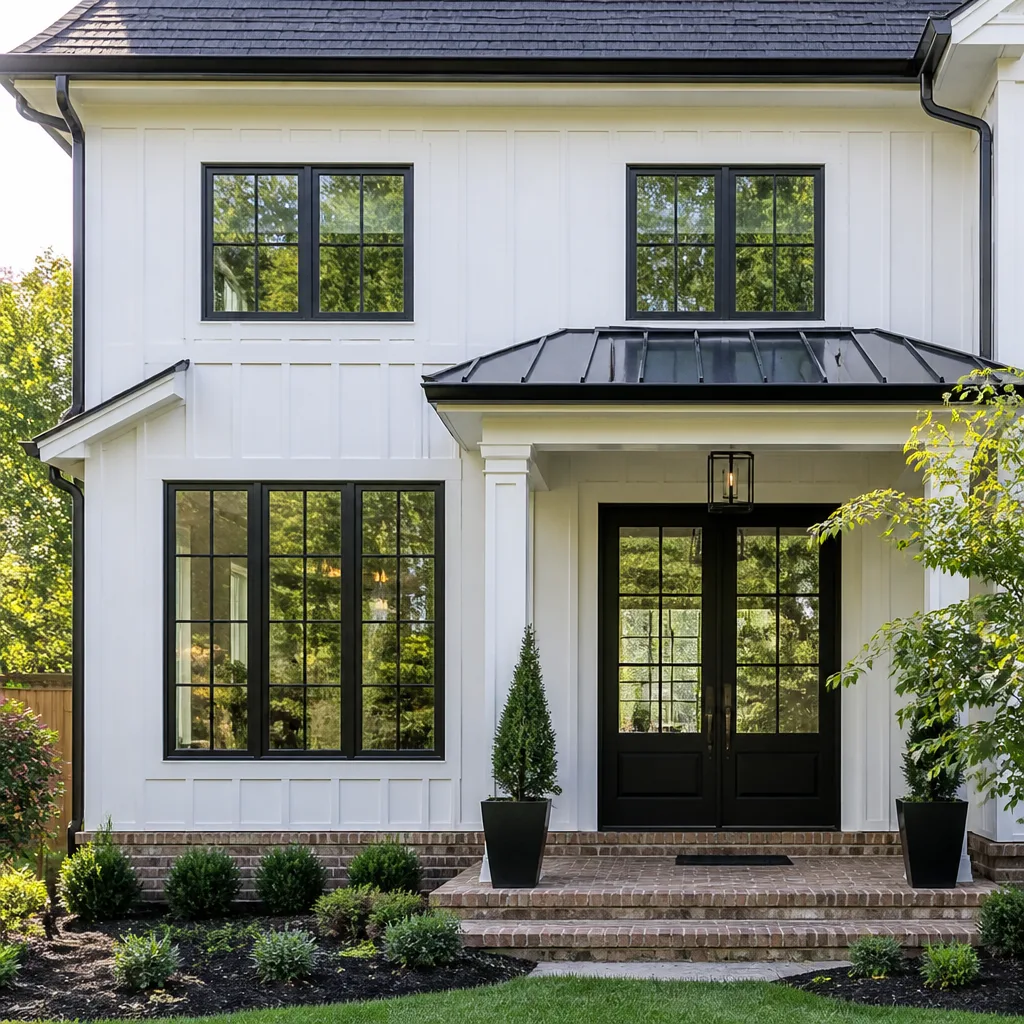 Windows & doors
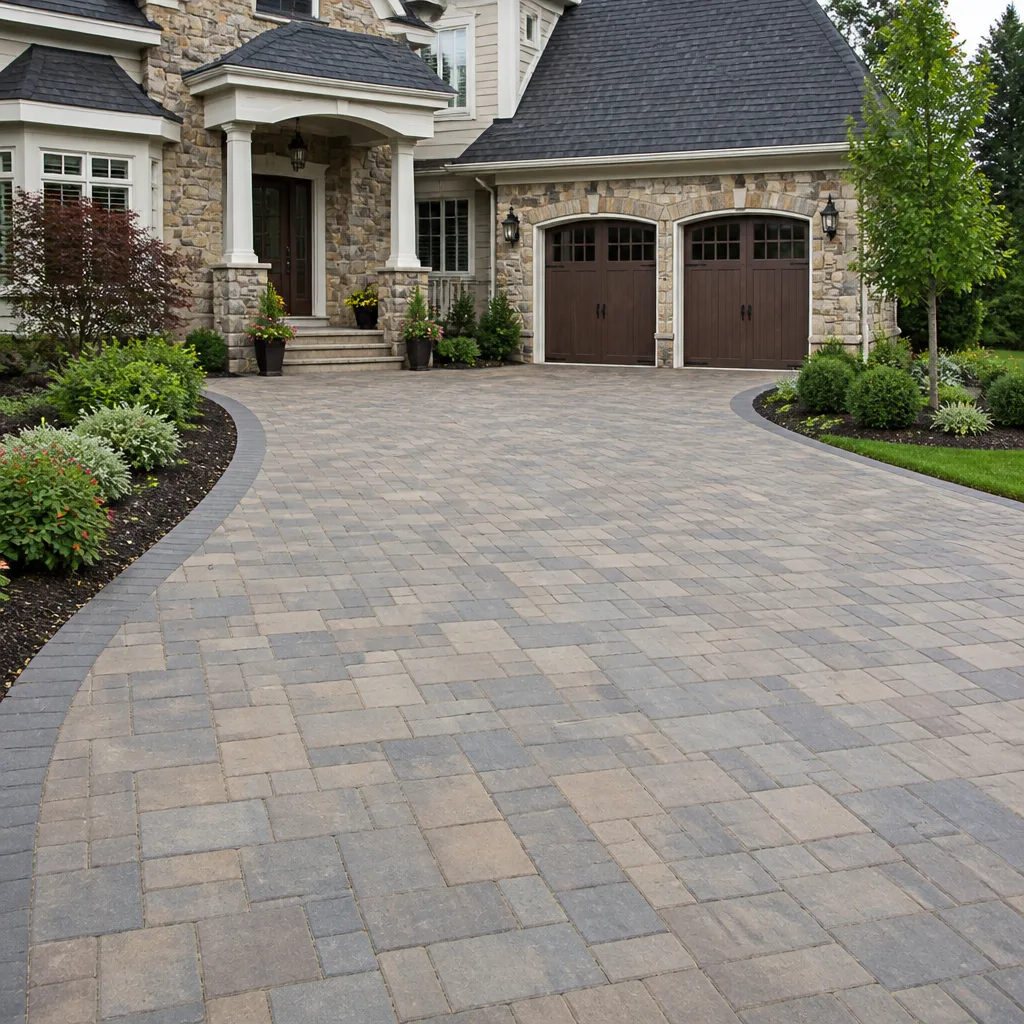 Driveway & pavers
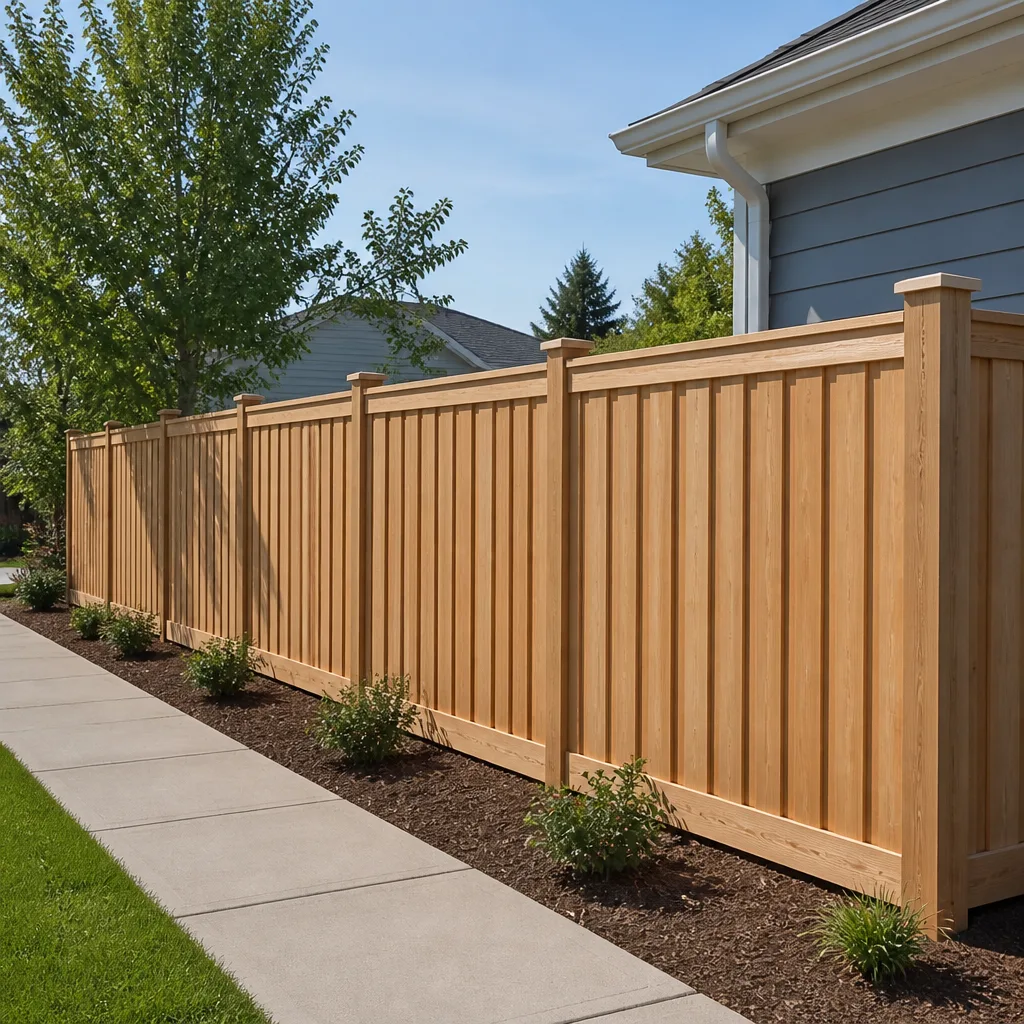 Fence
Free written scope consultation - allowances, timeline, and change-order rules on paper before a single trade is scheduled
The Complete Guide to Construction in Miami Gardens
Miami Gardens sits on some of the most reactive limestone-and-clay soil in Broward-Dade – a fact that changes your foundation options, your drainage plan, and your timeline before a single shovel breaks ground. Oolitic limestone sits close to the surface across much of the city, with marl pockets that swell when the wet season arrives and shrink back in the dry months. Builders who learned the trade in Georgia or the Panhandle find out quickly that what works there doesn’t hold up here. This guide covers what actually matters for construction in Miami Gardens: the soil, the two-track permit process, hurricane requirements stricter than most of Florida, and a realistic 2026 project calendar.
Quick Answer
Construction in Miami Gardens requires navigating two approval tracks at once – Miami-Dade County and City of Miami Gardens local permits – on top of High Velocity Hurricane Zone requirements for windows, roofing, and structural connections. Foundations must account for shallow oolitic limestone and reactive marl, which often rules out standard slab assumptions and pushes toward engineered designs. A realistic timeline for a room addition or major remodel in Miami Gardens runs six to ten months once you factor in the wet season, inspector scheduling, and 2026 material lead times.
Styles & brands we work with
- Kitchen remodeling
- Bathroom remodeling
- Home additions & ADU
- Roofing
- Windows & doors
- Driveway & pavers
- Fence
Table of Contents
- How Miami Gardens Soil Changes Your Foundation Options
- Miami-Dade County vs. City of Miami Gardens Permits
- Hurricane Impact Requirements Stricter Than Most of Florida
- The Realistic Miami Gardens Project Calendar
- How to Tell If a Contractor Is Quoting to Miami Gardens Code
- Neighborhoods and What We See in Each
- What Construction Actually Costs in Miami Gardens
- Common Mistakes to Avoid
How Miami Gardens Soil Changes Your Foundation Options
Oolitic limestone under a thin layer of soil is the base condition across much of Miami Gardens, and it sits shallower than people expect. In some lots, excavation crews hit caprock within three or four feet. That’s good news for bearing capacity and bad news for anyone planning a full basement or a deep foundation system without an engineered plan. You can’t assume you’ll dig to the depth a contractor from another part of Florida is used to.
Marl is the second condition, and it’s the one that catches homeowners off guard. Marl is a calcium-carbonate clay that behaves differently than sand or fill. It holds moisture during the June-through-September wet season, then contracts in the dry months. A foundation poured without accounting for that movement develops hairline cracks at corners and along grade beams. In our experience, slab-on-grade with a reinforced, engineered design works on most Miami Gardens lots, but the design has to be site-specific, not copied from a template.
What this means practically:
- Get a geotechnical report before design, not after. A soil boring on your lot tells you where the limestone cap sits and whether marl is present. Skipping this step is the single most common source of foundation surprises in Miami Gardens.
- Plan drainage before the slab. Marl holds water, and grading that pushes runoff toward the house is a structural problem over time, not just a soggy-yard problem.
- Expect engineered foundation plans for additions. A room addition or ADU in Miami Gardens usually needs a design professional’s stamp because the bearing conditions vary block to block.
If you’re planning a driveway or paver surface alongside construction, the base prep matters as much as the stone itself – we wrote about that in detail in our guide to Driveway & Pavers in Miami Gardens.
Miami-Dade County vs. City of Miami Gardens Permits
Miami Gardens is a municipality inside Miami-Dade County, which means most substantial projects need approvals from both tracks, and they don’t always move at the same speed. The county handles building code enforcement, environmental and drainage review, and certain structural approvals under the Florida Building Code adopted at the county level. The city handles local zoning, setbacks, lot coverage, and its own building permit process for work inside city limits. If you only get one, you have an unpermitted project that can surface at resale and cost more to fix than to have done right the first time.
Here’s the practical sequence we follow, and it’s the sequence we recommend you ask any contractor to walk you through:
- Confirm zoning and setbacks with the City of Miami Gardens first. Setback requirements vary by neighborhood and lot. Find out what you can build before you spend money on design.
- File the county building permit and the city permit in parallel. Sequentially filing adds weeks you don’t get back.
- Line up inspections with both offices. Miami-Dade and city inspectors have separate schedules. Missing one while waiting on the other stalls the job.
- Keep every approval in writing and on file. The permit history is the paper trail that protects you at resale.
The permit inspector works for you, not for the contractor – that’s the value of the process. County and city reviewers catch structural and life-safety issues before they’re buried in drywall. When a contractor tells you permits are optional, that’s the moment to slow down. Our team pulls permits and gets inspections signed on every eligible job precisely because a project without them isn’t finished; it’s pending.
Hurricane Impact Requirements Stricter Than Most of Florida
Miami Gardens falls under the High Velocity Hurricane Zone, and the wind-borne debris requirements here are stricter than what most of Florida outside Miami-Dade and Broward requires. That’s not boilerplate. It changes what products you can install and how they’re anchored. Windows and doors need product approval numbers that specifically cover the HVHZ, not just general Florida approval. Roofing assemblies need to meet HVHZ uplift requirements, which affects the underlayment, the fastening pattern, and the shingle or tile system itself. Structural connections – straps, clips, anchor bolts – have to be specified to the higher wind load, and the inspector will look at them.
In our experience, homeowners get surprised by two things most often. First, a window they liked from a catalog may not carry an HVHZ approval number, which means it can’t legally be installed here. Second, a roofing bid that looks competitive often leaves out the HVHZ-rated underlayment or the enhanced fastening schedule because the specification wasn’t included in the scope. Both items are on the estimate before work starts or they’re change orders later – and we’d rather they’re on the original written scope.
What to look for on any bid:
- Window and door product approval numbers explicitly listing HVHZ.
- Roofing system listed by manufacturer and product line with the HVHZ uplift rating, not a generic “architectural shingle.”
- Structural connection details on any addition, not just “meets code.”
- A line item for impact glazing or shutters, whichever your plans call for.
The Realistic Miami Gardens Project Calendar
The wet season runs roughly June through September here, and it decides more of your calendar than most homeowners expect. Concrete pours, foundation work, roofing tear-offs, and exterior paint all get interrupted by afternoon storms. That doesn’t mean the job stops, but it means exterior work gets fewer productive days per week, and any schedule that doesn’t account for rain is wrong.
Here’s a realistic window for a mid-size project like a room addition or major remodel in Miami Gardens:
- Weeks 1 – 3: Design and engineering. Plans, sealed foundation design, product selections locked in enough to permit.
- Weeks 3 – 8: Permit review. County and city review timelines vary; this is where the two-track process takes time. Ask for realistic review estimates, not best-case.
- Weeks 8 – 12: Foundation. Excavation, inspection of the forms and reinforcement, pour, cure. Weather delays and limestone conditions show up here.
- Weeks 12 – 22: Framing and rough-in. Structural frame, roofing, mechanical/electrical/plumbing rough-in, framing and rough inspections.
- Weeks 22 – 30: Finishes. Insulation, drywall, cabinetry, flooring, paint, trim. This is where material lead times matter – cabinets and windows often run 6 – 12 weeks in 2026.
- Weeks 30 – 34: Final inspections and punch list. Final building, electrical, plumbing, and mechanical sign-offs from both county and city.
That’s six to eight months for most additions, longer for anything with custom cabinetry or a full kitchen rebuild. If a contractor tells you a Miami Gardens addition is done in three months, ask where the permit review and the wet season fit into that number. The answer tells you a lot.
How to Tell If a Contractor Is Quoting to Miami Gardens Code
A bid can look professional and still be recycled from a different market. The tell is usually in the details: the wind rating, the foundation note, the permit line. A contractor familiar with Miami Gardens will write HVHZ approvals into the window and roofing line items, reference the two-track permit process, and note the soil reality in the foundation scope. A contractor who isn’t will hand you a generic South Florida bid with “meets code” language and a lump-sum price.
These questions cut through it fast:
- “Which permit offices will you be filing with, and who handles each one?” A real answer names both Miami-Dade County and the City of Miami Gardens.
- “Which product approval numbers will the windows have? Show me them in the submittal.” HVHZ approval is a specific thing, not a marketing claim.
- “What’s the foundation design, and was it engineered for this lot?” If the answer is “standard slab,” ask to see the site plan.
- “What’s included in the allowances, and what happens if we exceed them?” Every allowance that isn’t on paper is a surprise waiting for a date.
- “Can I see your license, your insurance certificate, and a copy of your change-order form?” A contractor who answers this without hesitation is a contractor you can work with.
Compare two bids on scope, not on total. A lower total with a missing HVHZ window allowance and no engineering line is more expensive the moment work starts.
Neighborhoods and What We See in Each
Miami Gardens spreads across a wide footprint, and the conditions vary enough that we don’t treat every project the same way. In the neighborhoods near the Palmetto Expressway and along Northwest 27th Avenue, we regularly see older homes from the 1970s and 1980s with original windows and roofs that have been patched repeatedly. Those projects often start as a kitchen remodel and grow into an envelope upgrade once the impact requirements come up. In the areas closer to Joe Robbie Stadium and the Sun Life Drive corridor, additions are common and lot coverage rules matter from the first sketch.
West of the Turnpike, the lots tend to be larger and the drainage grading becomes a bigger part of any addition. East of Northwest 57th Avenue, tighter lots mean the setback review drives the design more. The soil doesn’t change block to block in a predictable way, but the lot conditions and home ages do, and that’s where a contractor who actually works here earns their keep.
Home additions and ADUs in Miami Gardens deserve their own approach, and we’ve covered the specifics in our guide to Home Additions & ADU in Miami Gardens – the zoning, the foundation, the attached vs. detached question, all of it.
What Construction Actually Costs in Miami Gardens
Prices vary by scope, finish level, and site conditions, but here are honest ranges we see on real Miami Gardens projects. These are working numbers, not teasers, and they’ll shift with material markets and specific design. Your written line-item estimate is what counts.
- Room addition (300 – 500 sq ft, mid-grade finishes): $95,000 – $175,000, including foundation, framing, roofing, finishes, and permits.
- Detached or attached ADU (600 – 800 sq ft): $150,000 – $260,000 depending on utilities, foundation conditions, and finish level.
- Kitchen remodel (mid-grade, full tear-out): $45,000 – $90,000, with cabinetry and countertops driving most of the swing.
- Bathroom remodel: $18,000 – $38,000 per bath.
- Full impact window replacement (whole house): $18,000 – $40,000 depending on opening count and product line.
- Roof replacement with HVHZ assembly: $14,000 – $28,000 for most Miami Gardens single-family homes.
- Driveway and paver work: $9,000 – $22,000 depending on square footage and base prep.
Fence work scales with linear footage and material; we walk through that in our Fence Installation in Miami Gardens guide. Premium brands we install across these trades include KraftMaid cabinetry and Cambria countertops, GAF and CertainTeed roofing, Andersen and Marvin windows, and Belgard, Tremron, and Techo-Bloc hardscapes – products you can look up and price yourself, not mystery brands off a van.
If you’re starting from a top-level view of the whole scope, our Barrett & Sons Construction Miami Gardens home page lays out every service in one place.
Common Mistakes to Avoid
- Skipping the geotechnical report. Building on assumption that the limestone cap and marl conditions match a neighboring lot is the fastest way to a foundation surprise. Pay for the borings; the cost is small against a failed slab.
- Filing county permits and forgetting the city. Miami Gardens and Miami-Dade are two tracks, and the city permit is the one that gets missed. An unpermitted addition surfaces at resale and can cost more to correct than it did to build.
- Accepting a bid without HVHZ product numbers. A window that meets Florida code but isn’t HVHZ-approved isn’t legal to install in Miami Gardens. Ask for the approval number on the submittal before signing.
- Trusting a verbal allowance. “We’ll figure out the countertop allowance later” is how a $50,000 kitchen becomes a $70,000 one. Every allowance belongs in the written contract.
- Starting exterior work in July without a rain plan. Concrete, roofing, and paint schedules in Miami Gardens need wet-season contingency. A schedule that assumes dry days in July is a schedule that will slide.
- Paying in full up front. Standard practice is a deposit with draws tied to completed phases. A contractor who wants most of the money before the work is done isn’t protecting you.
- Choosing the cheapest bid without comparing scope. The lowest number is often the thinnest scope. Compare line items, not totals.
See the difference
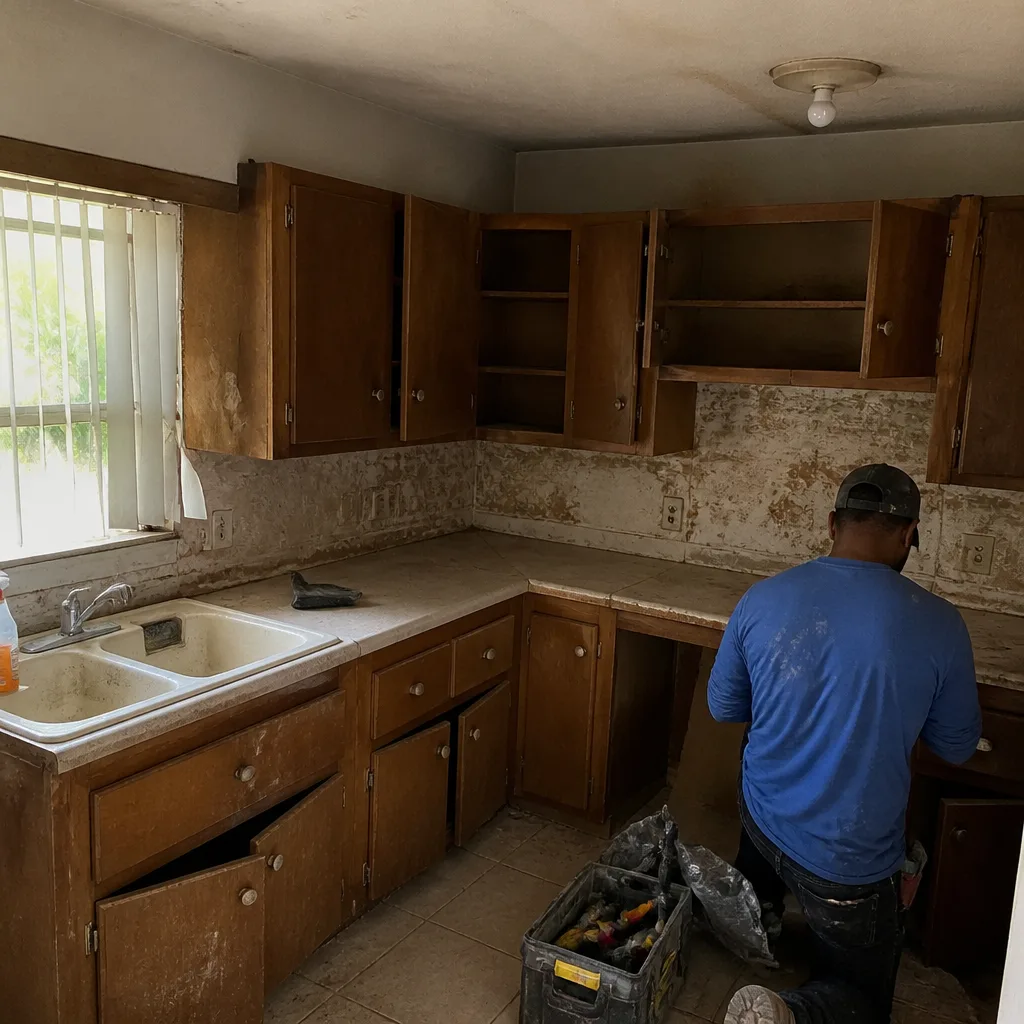 Before
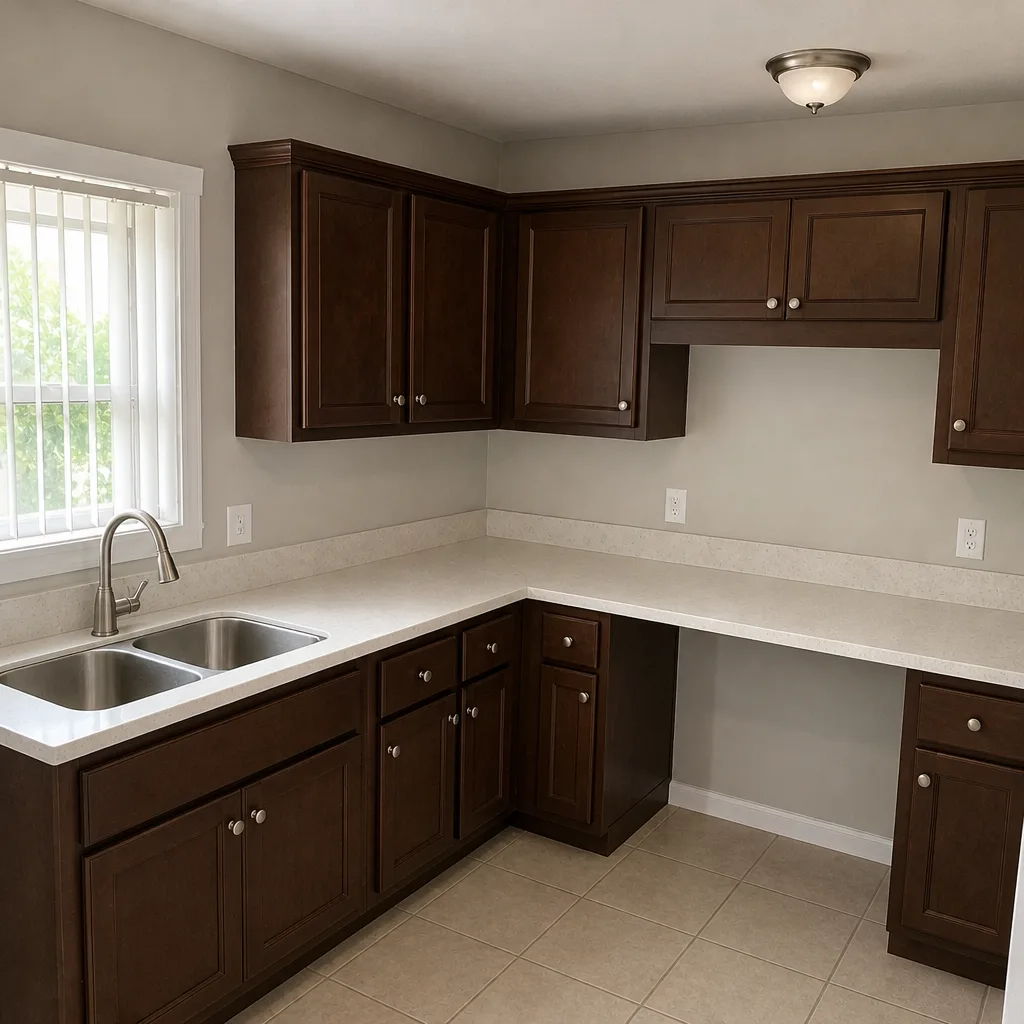 After
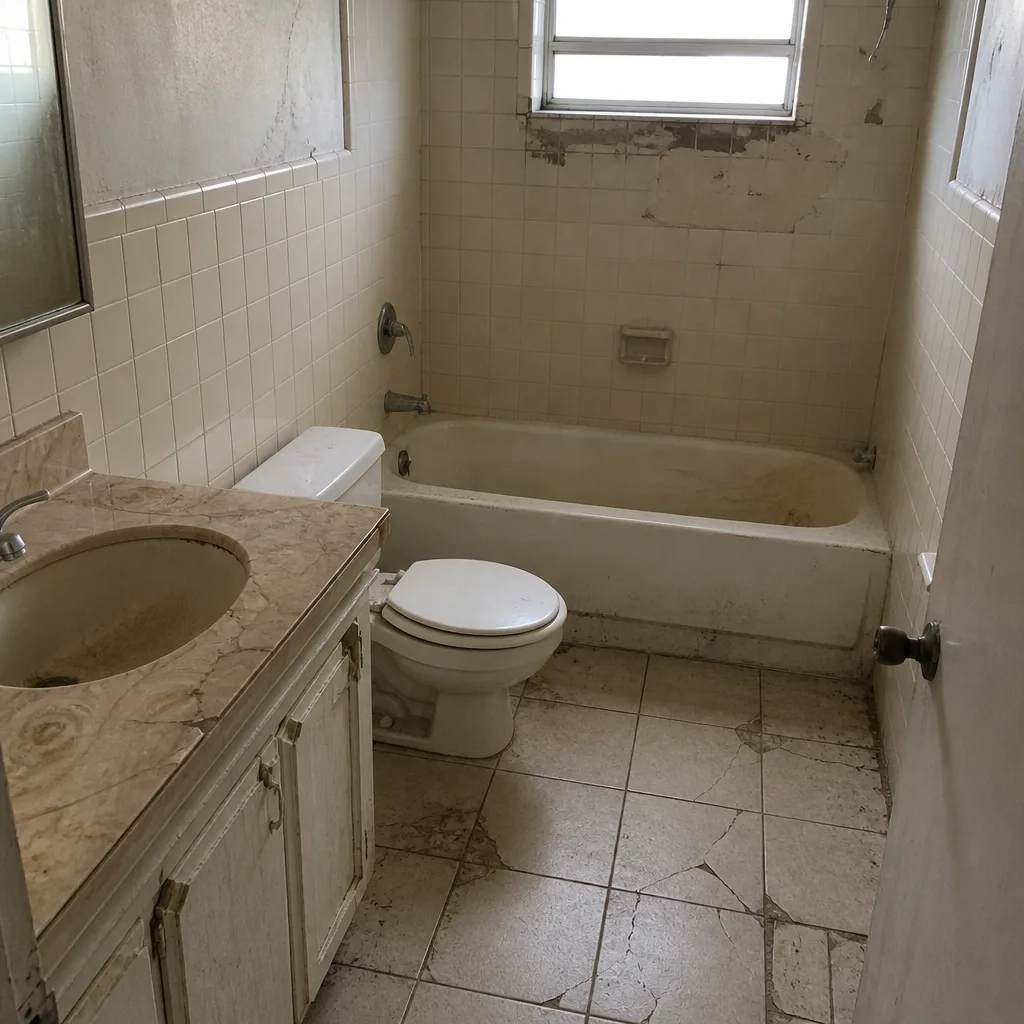 Before
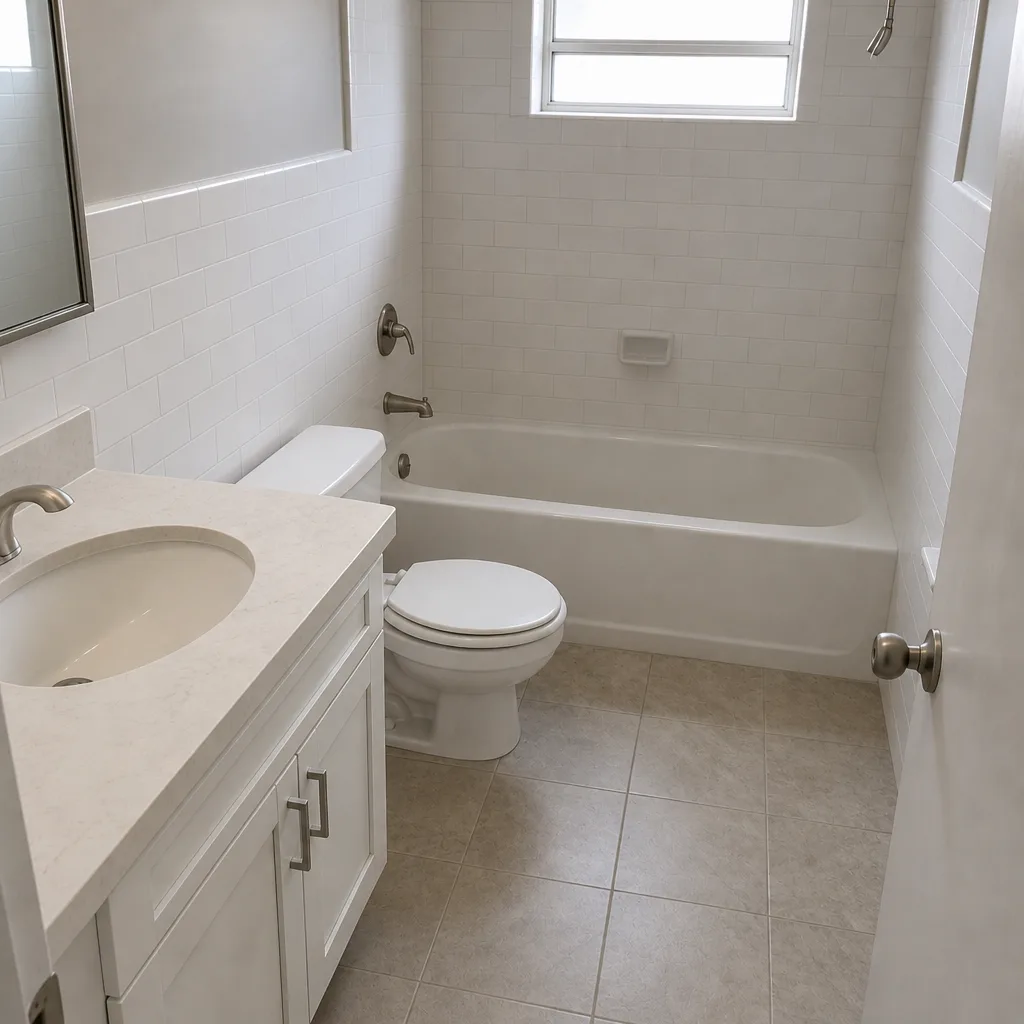 After
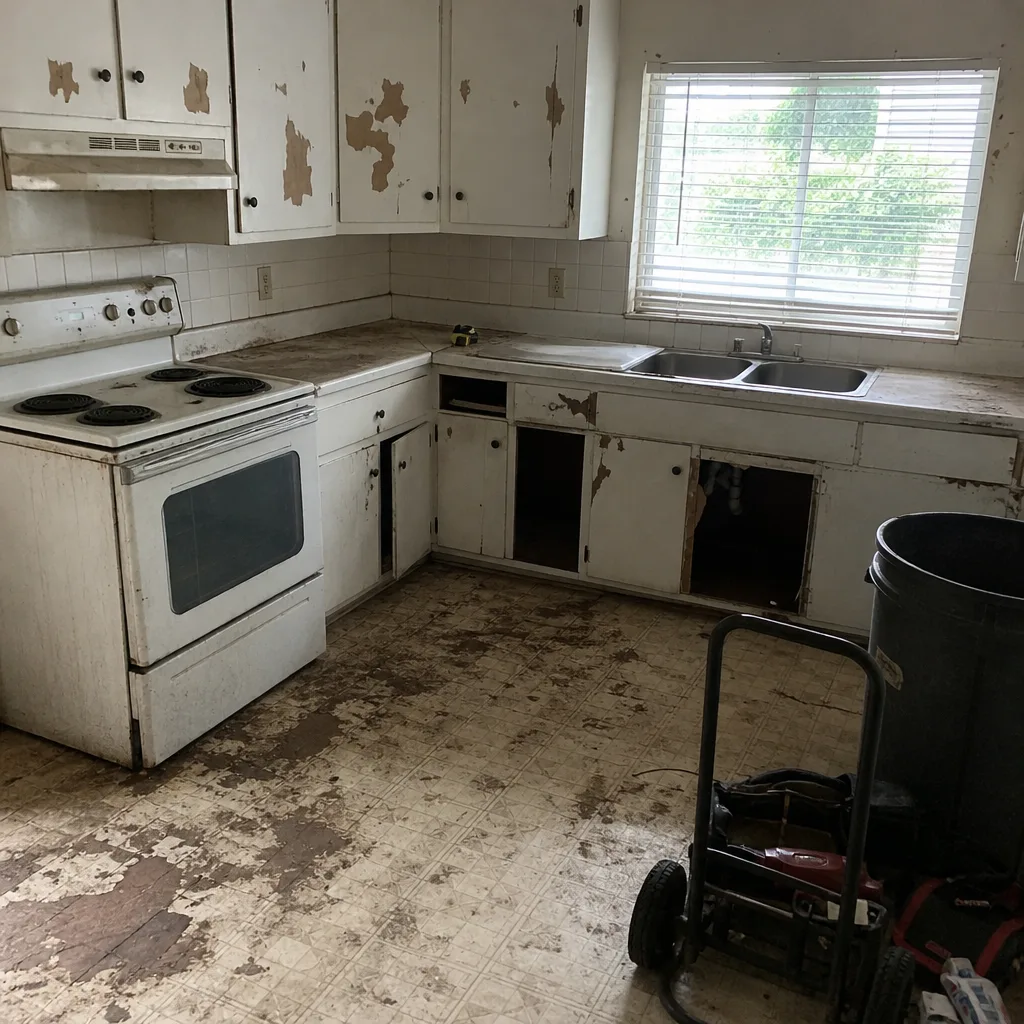 Before
 After
When to Call a Professional
Some work in Miami Gardens is straightforward enough to manage yourself. Anything touching the foundation, the roof structure, structural connections, or the HVHZ envelope is not – those are areas where a miscalculation is expensive and, in the case of a roof or structural work, genuinely dangerous. High-wind-rated roof assemblies, engineered foundations on limestone, and any electrical or gas work belong with trained, licensed professionals who know the local code. Don’t take shortcuts on life-safety items. Call a professional, get the permit, and get the inspection. Our team at Barrett & Sons Construction Miami Gardens offers free estimates in Miami Gardens – call (844) 797-8316.
Frequently Asked Questions
A room addition typically runs $95,000 – $175,000, a full kitchen remodel $45,000 – $90,000, and a roof replacement $14,000 – $28,000 with the HVHZ assembly. Costs shift with finish level and site conditions, so a written line-item estimate is what actually counts. Call (844) 797-8316 for an exact quote – estimates are free.
Yes, in most cases. Miami Gardens projects usually require Miami-Dade County building approvals and City of Miami Gardens local permits for zoning and setbacks, filed in parallel. A project with only one approval is not fully permitted. Call (844) 797-8316 and we’ll walk you through which permits your project needs.
Miami Gardens sits in the High Velocity Hurricane Zone, which has stricter wind-borne debris requirements than most of Florida. Windows and doors must carry product approval numbers that specifically list HVHZ, not just general Florida approval. Anything less can’t legally be installed here.
Not without your written approval. Every scope change, allowance adjustment, and price update arrives as a written change order before the work happens – no surprise invoices at the end. If something unexpected turns up in the field, you’ll see the number before anyone touches the job. Call (844) 797-8316 for a free estimate.
Realistically six to ten months from design through final inspection, including permit review and wet-season delays. The permit stage alone can run four to six weeks, and weather affects the foundation and roofing phases. A three-month promise for a Miami Gardens addition usually means something in the process was skipped.
Ask for HVHZ product approval numbers, the engineering on the foundation design, and which permit offices they’ll file with. A contractor who can answer all three specifically is quoting to this market. One who can’t is recycling a bid from somewhere else. Call (844) 797-8316 for a free second opinion on any written estimate.
The Bottom Line
Construction in Miami Gardens asks more of a builder than most of South Florida. The shallow limestone and reactive marl set foundation conditions, the county-city permit split adds a second track most homeowners don’t know to expect, and the HVHZ requirements make windows, roofing, and structural connections stricter than the state baseline. Plan the calendar around the wet season. Compare bids on scope, not totals. Confirm HVHZ product numbers, ask for engineering, and get everything in writing before a nail goes in. Do those things and the project moves. Skip them and the surprises come later and cost more. Call Barrett & Sons Construction Miami Gardens at (844) 797-8316 for a free estimate on your project.
Written by the team at Barrett & Sons Construction Miami Gardens.