
Last updated November 17, 2026
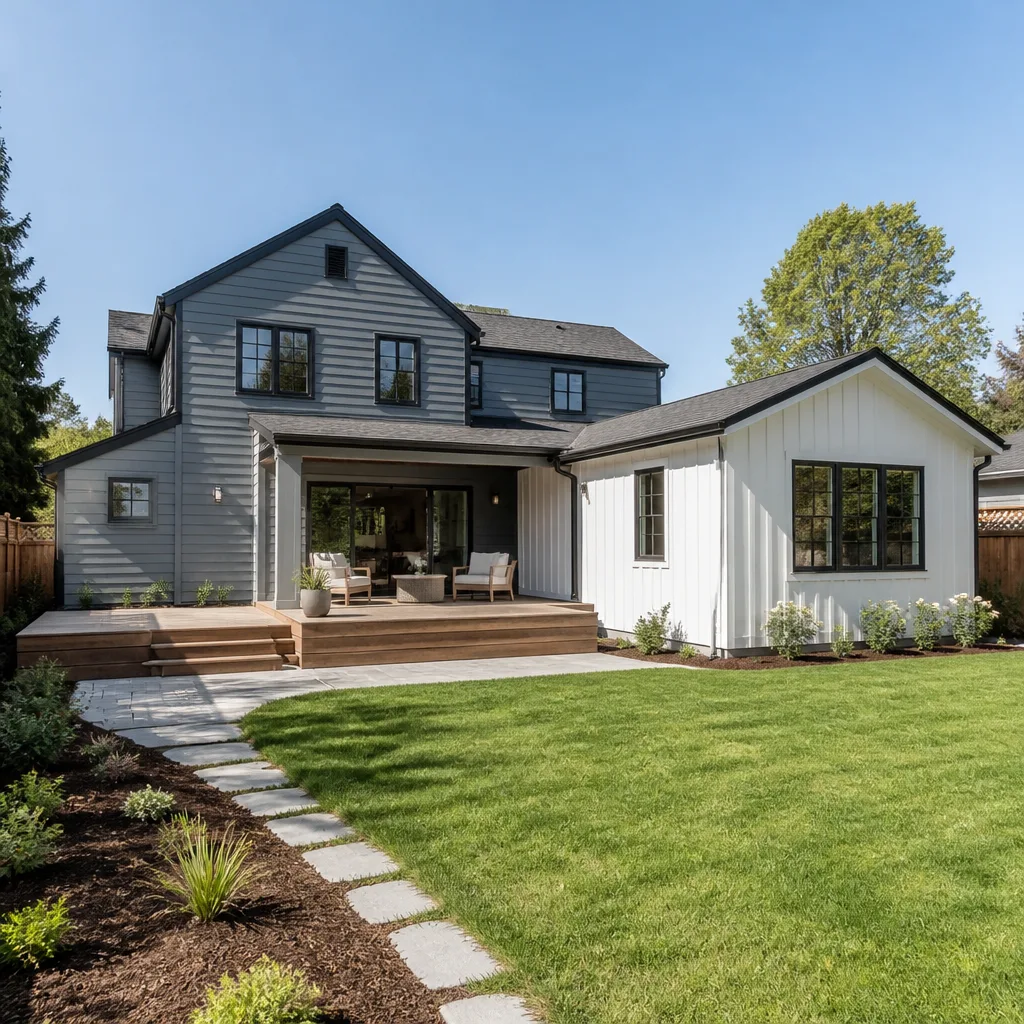 Home additions & ADU
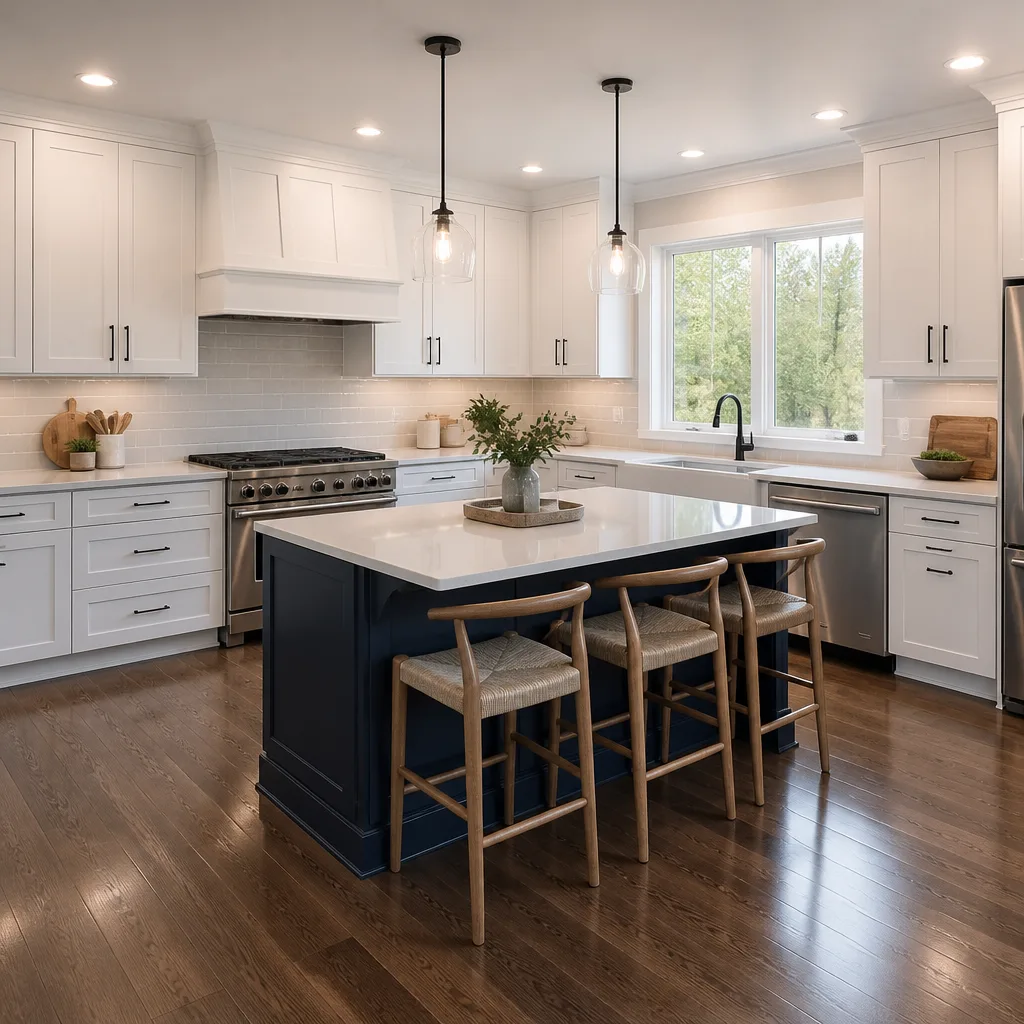 Kitchen remodeling
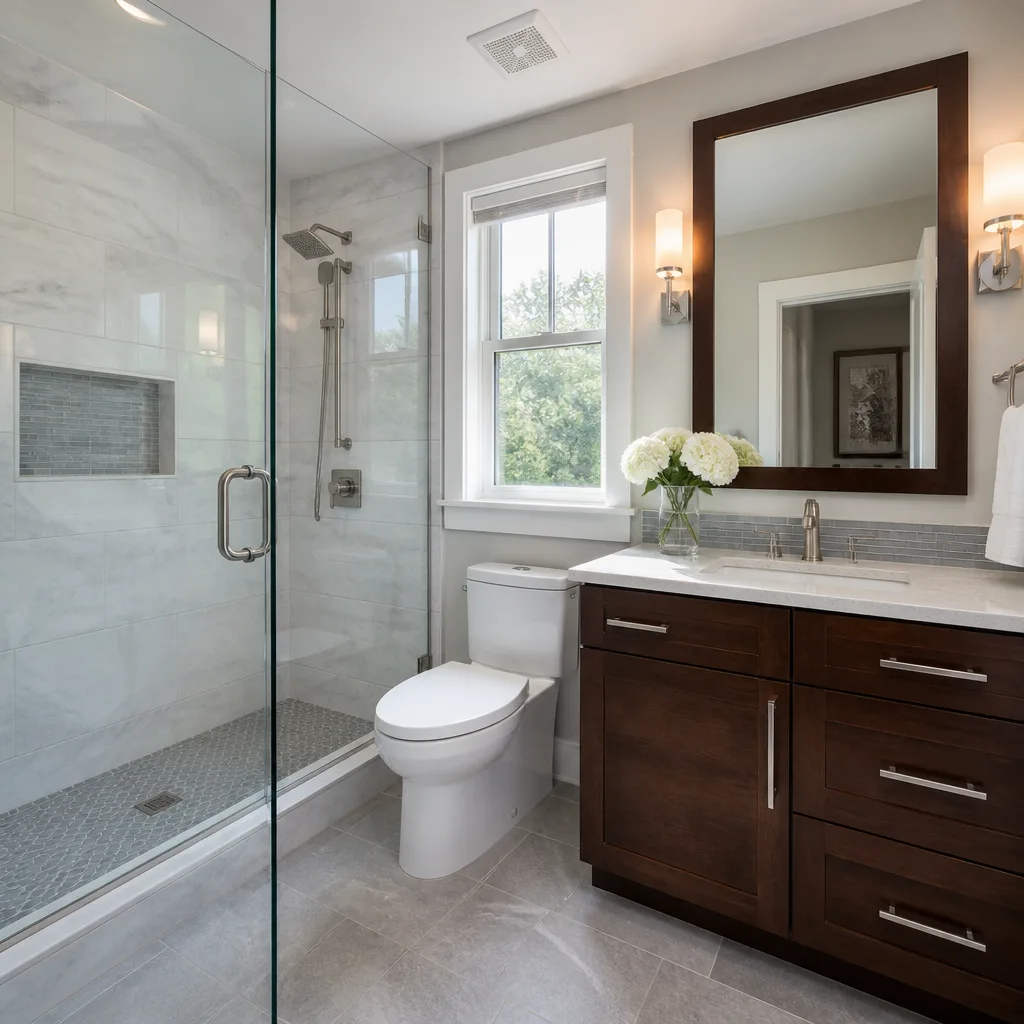 Bathroom remodeling
 Roofing
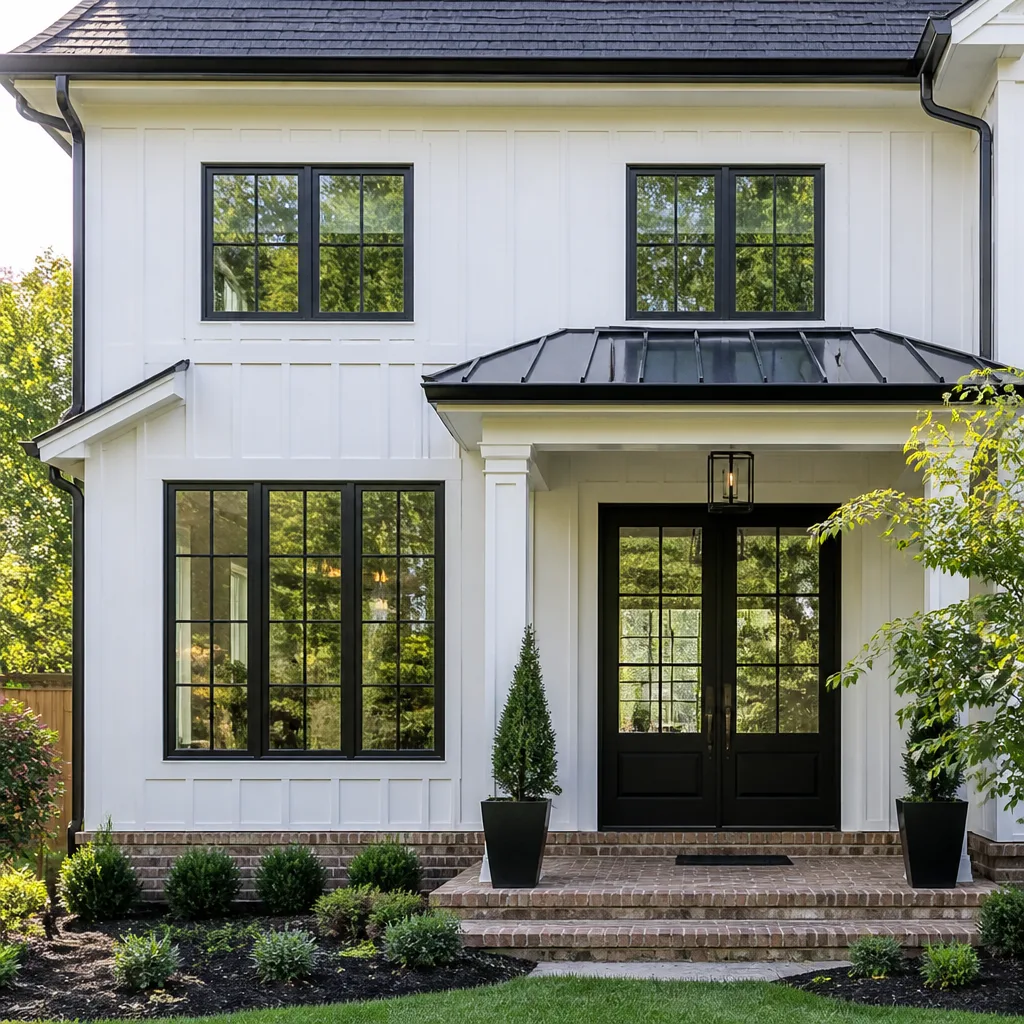 Windows & doors
 Driveway & pavers
 Fence
Free written scope consultation - allowances, timeline, and change-order rules on paper before a single trade is scheduled
Construction Cost Breakdown: The Miami Gardens Homeowner’s Reference for 2026
National cost estimating websites can be off by 20 – 35% for Miami Gardens projects. That gap has a name and a cause: they don’t account for Miami-Dade’s impact-rated material requirements, the local labor premium that comes with a tight contractor market, or the permit fee schedule that changed in 2024. A number generated in a server farm in another state has never stood in your yard on a July afternoon. This guide replaces those generic figures with ranges that reflect what projects actually cost in Miami Gardens in 2026, line by line, trade by trade. You’ll learn where the money goes, which allowances to watch for, and how to structure a contract so pricing surprises arrive in writing before a hammer moves.
Quick Answer
Most Miami Gardens construction projects in 2026 run 10 – 30% above state averages for the same scope, because impact-rated materials, local labor rates, and Miami-Dade permit fees all stack on top of base costs. A kitchen gut runs $58,000 – $88,000, a re-roof $16,500 – $32,000, an addition $195 – $315 per square foot, and a paver driveway $10,500 – $22,000. Every one of those ranges carries a permit fee and a material premium you won’t find in a national estimate tool.
Styles & brands we work with
- Kitchen remodeling
- Bathroom remodeling
- Home additions & ADU
- Roofing
- Windows & doors
- Driveway & pavers
- Fence
Table of Contents
- What Do Miami-Dade Permit Fees Actually Cost in Miami Gardens?
- Why Do Materials Cost More in Miami Gardens Than State Averages?
- What Are 2026 Labor Rates by Trade in Miami Gardens?
- How to Read a Contractor Bid Before You Sign
- The Real Cost of Change Orders and How to Structure for Them
- Kitchen and Bathroom Remodel Ranges in Miami Gardens
- Roofing, Windows, and Exterior Project Costs
- Home Additions and ADU Pricing
What Do Miami-Dade Permit Fees Actually Cost in Miami Gardens?
Permit fees are the line item most national estimators get wrong, because they pull from state averages or ignore permits entirely. Miami-Dade assesses fees by project valuation and by trade, and the schedule was updated in 2024. For Miami Gardens, the practical ranges look like this:
- Interior kitchen gut (no structural change): $850 – $1,600, covering electrical, plumbing, and mechanical sub-permits.
- Re-roof, single-family, 1,800 – 2,400 sq ft: $475 – $900, plus plan review if the roof system changes.
- Paver driveway replacement: $300 – $650, with a right-of-way permit added if the apron touches the swale.
- Home addition under 500 sq ft: $2,400 – $4,800, driven by valuation and impact-fee review.
- ADU (accessory dwelling unit): $3,200 – $6,500, including impact fees, which are the real driver, not the permit itself.
Impact fees deserve their own paragraph. In Miami Gardens, an ADU can trigger water, sewer, and school impact fees that climb into four figures before the first block is laid. A bid that lists “permit” as a single flat number and nothing else is either guessing or planning to come back to you later. Every eligible job we run through Barrett & Sons Construction Miami Gardens home carries permits pulled and inspections signed, and the fee schedule appears in the scope, not as a surprise line at the end.
The permit inspector works for you, not for the contractor. That’s why we like him. An inspector who signs off on your roof sheathing means your roof is actually nailed to code, not just stapled fast and billed full.
Why Do Materials Cost More in Miami Gardens Than State Averages?
Three forces push material costs above state averages in Miami Gardens. The first is wind-borne debris requirements. Anything within the impact zone needs impact-rated windows and doors, and those run 40 – 70% more than standard units. A window package that costs $14,000 in a central Florida county can land at $21,000 to $26,000 here. Roofing follows the same logic: minimum product standards under the Florida Building Code mean you can’t shave cost by dropping to a lighter shingle system. GAF and CertainTeed products meet the standard; the bargain brand from a van doesn’t always.
The second force is the Port of Miami import premium. A meaningful share of tile, cabinetry, and hardscape material comes through the port, and freight, drayage, and terminal fees get absorbed into the shelf price. Quikrete and Sakrete bagged mixes, for example, price higher in Miami Gardens than in Georgia, and that small per-bag difference shows up in every concrete pour.
The third is product minimum standards on hardscape and structure. Minimum product standards mean a driveway base isn’t negotiable; the compacted base depth is specified, and specifying it costs money. A paver driveway in Miami Gardens using Belgard or Oldcastle product runs the same labor but a higher material line than a cheap paver hauled in from out of state.
None of this is a reason to cut corners. It’s a reason to distrust any bid that beats the pack by 30%.
What Are 2026 Labor Rates by Trade in Miami Gardens?
South Florida averages blur together a Miami-Dade crew and a Palm Beach crew, and they shouldn’t. Here are the hourly ranges we see for Miami Gardens trades in 2026, billed into project pricing:
- General carpentry and framing: $75 – $110 per hour.
- Roofing crews: $65 – $95 per hour, higher for tile and metal systems.
- Tile and flooring: $55 – $85 per hour; large-format tile and waterproofed shower pans push toward the top.
- Electrical: $95 – $140 per hour, licensed journeyman rates.
- Plumbing: $100 – $150 per hour; re-pipe work prices closer to the top end.
- HVAC: $95 – $135 per hour, with a permit-driven extra on system replacements.
- Painting and finish: $45 – $75 per hour.
These rates reflect a market where good crews are booked, not a market where labor is cheap. The premium isn’t going away. Miami Gardens sits close enough to the urban core that skilled trades have plenty of work within a short drive, and they price accordingly. Our technicians have up to 28 years of experience, and that experience is the difference between a crew that knows how to run a shower pan in a house built on fill and one that learns on your dime.
What you’re paying for at the top of these ranges is judgment, not just hours. A tile setter who charges $85 knows what a Miami Gardens afternoon thunderstorm does to a thin-set cure schedule. A $45 tile setter may not.
How to Read a Contractor Bid Before You Sign
The single most useful skill in this guide is reading a bid and finding the allowances that were set artificially low to win the job. An allowance is a placeholder number for material you haven’t chosen yet. It’s a legitimate tool when it’s honest. It’s a trap when it’s set to make the total look smaller than the project will actually cost.
Here’s how to read a bid line by line:
- Find every allowance. Cabinets, tile, plumbing fixtures, lighting, and doors are common ones. Write each number down separately from the total.
- Compare each allowance to real prices. A $6,000 cabinet allowance in a Miami Gardens kitchen is a red flag if KraftMaid or Cambria products in the size range you want cost $14,000.
- Check what happens when you exceed an allowance. Good contracts state the overage rate and require a written change order before the material is ordered. Vague ones leave it open.
- Look for the permit line. If it’s missing, ask why. If it says “permits optional,” that’s not a bid, it’s a warning.
- Read the change-order clause. It should say every scope change is priced and signed in writing before work proceeds. If it says “additional work billed at time and materials,” you’re exposed.
- Confirm what the final number includes. Cleanup, dumpster, final inspection, and permit closeout belong in the quote, not the invoice.
An allowance that isn’t on paper is a surprise waiting for a date. The allowance that IS on paper, priced honestly, is just a decision you haven’t made yet. We quote scope in writing, allowances in writing, and change orders in writing, so the number you sign is the number you pay unless you decide to change something. Barring that, the price holds.
The Real Cost of Change Orders and How to Structure for Them
Change orders are not inherently a problem. A homeowner who decides mid-project to add a pantry closet should pay for it. The problem is the change order that arrives as a done deal, or one priced after the fact at whatever the contractor thinks the traffic will bear. Property owners in Florida have real legal rights around contract changes, and the cleanest way to protect yourself is structure, not argument.
Structure the job for writing before the first nail moves:
- Set a change-order process in the contract. Every change gets a written description, a price, and a signature before work happens.
- Name the failure points upfront. If the kitchen wall turns out to hide a 60-year-old drain line, what’s the protocol? A contract that anticipates surprises is a contract that prices them fairly.
- Fix the allowance overage math. State the markup percentage on material overages, or state clearly that there is none.
- Hold a schedule contingency. Change orders often add days, not just dollars. Knowing a change adds a week prevents the surprise of an unplanned late finish.
- Require the final walkthrough and punch list in writing. Your signature on the punch list is the trigger for final payment.
This is also the difference between a phone quote and a signed scope. The number someone throws at you on a call and the number on your signed contract should be the same number. If they aren’t, the change order was always the plan.
Kitchen and Bathroom Remodel Ranges in Miami Gardens
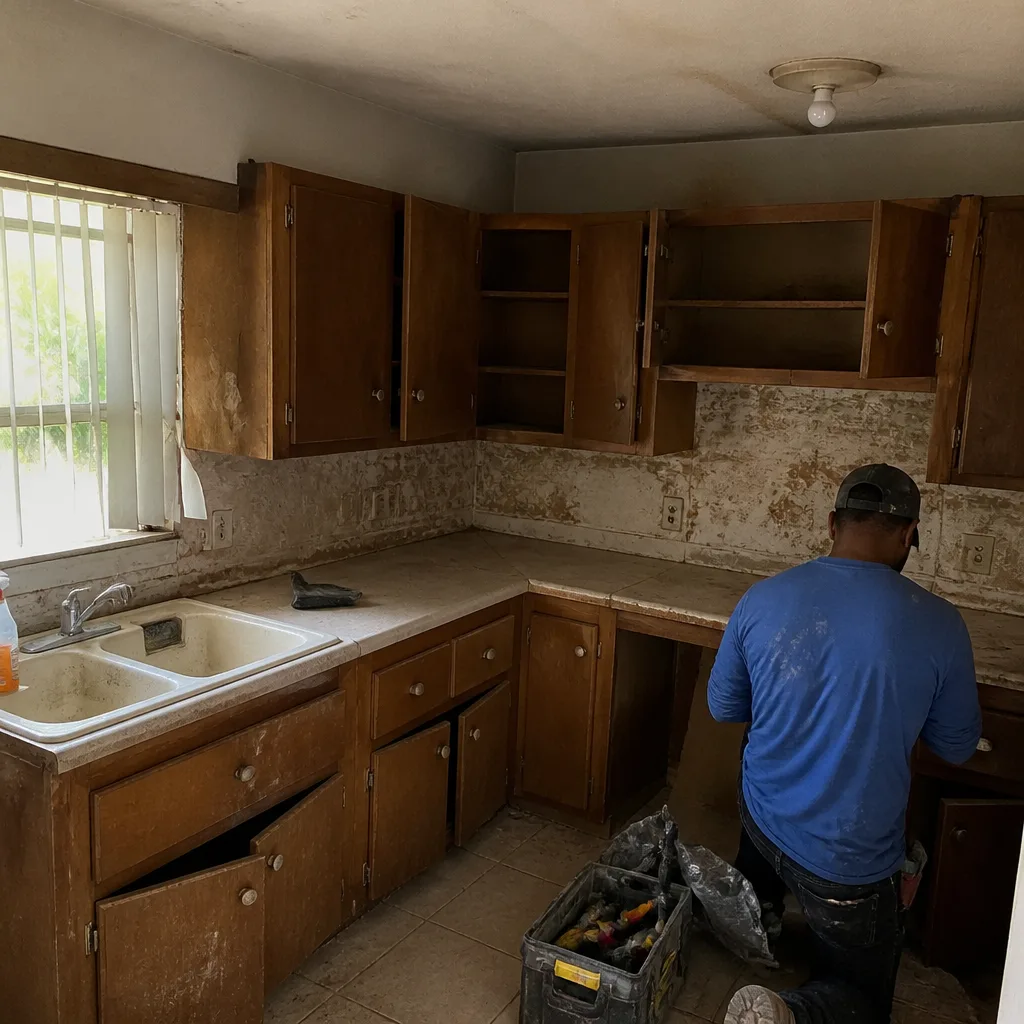
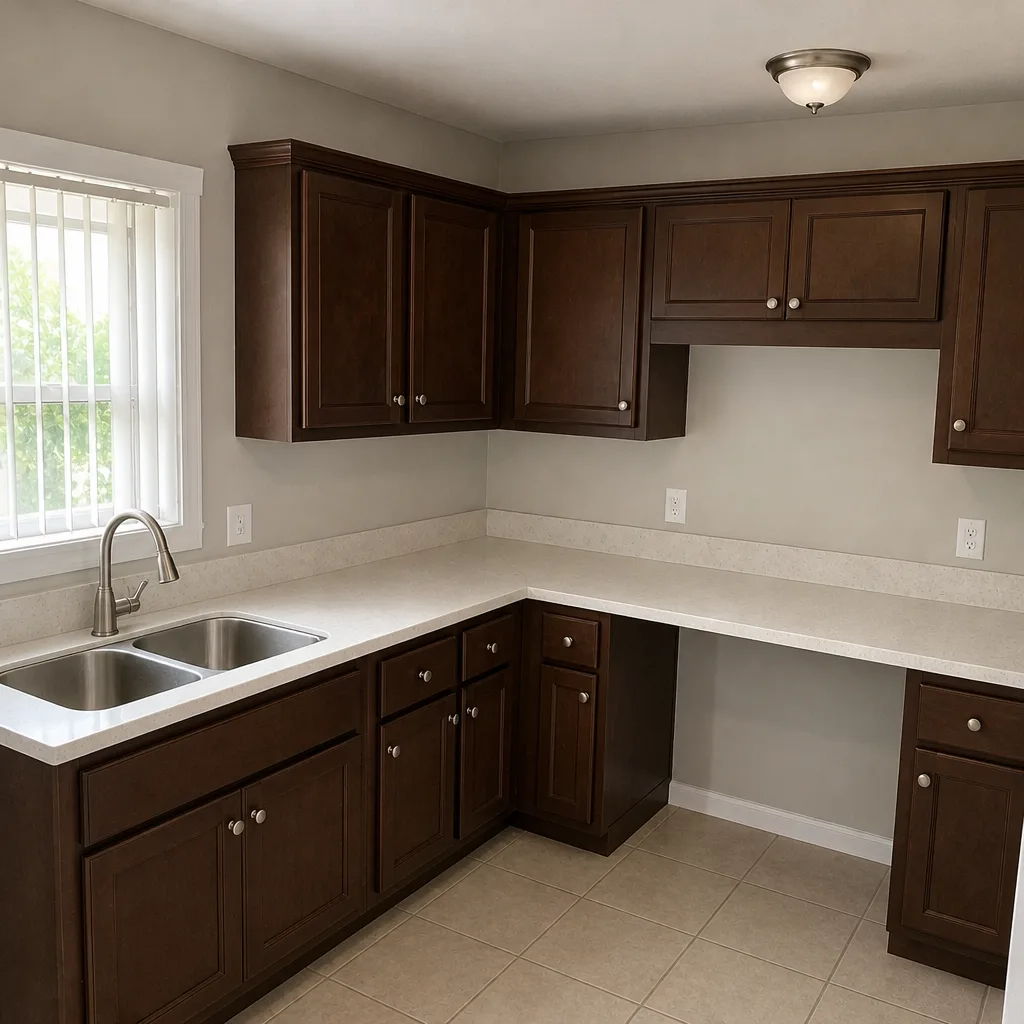
Miami Gardens homes from the 1960s and 1970s share a pattern: small kitchens, tile floors, and plumbing that was never meant to last sixty years. That shape drives the range. A kitchen gut runs $58,000 – $88,000 depending on whether you move walls, open the layout, and upgrade to KraftMaid cabinetry with a Cambria countertop, or keep the footprint and refresh finishes. A mid-size bathroom runs $22,000 – $38,000, with waterproofed shower pans, new plumbing, and code-compliant ventilation. Bathroom projects in Miami Gardens often uncover undersized vents or slow drains, and a bid that skips the plumbing inspection is one that plans to leave them.
What’s inside those numbers:
- Cabinetry: 30 – 40% of the kitchen total; KraftMaid and comparable lines land the quality without the custom-shop price.
- Countertops: $60 – $110 per sq ft installed for quartz; Cambria sits at the higher end.
- Plumbing and electrical: $6,000 – $12,000 in a full kitchen gut, less in a bath.
- Tile and flooring: $12 – $30 per sq ft installed, higher for large-format and wet-area installations.
Want the full scope detail for a kitchen or bath project? Our team walks through design, allowances, and permits together so the budget and the plan match.
Roofing, Windows, and Exterior Project Costs
Miami Gardens roofs take a specific beating: sun, rain, and the salt air carried inland from the coast. That climate drives choices. A re-roof on a single-family home runs $16,500 – $32,000 for shingle and tile systems, with GAF and CertainTeed products meeting the impact requirements that matter here. The bid should show the underlayment and secondary water barrier as separate line items, because they’re the parts that decide whether your roof holds through a bad season.
Windows and doors are the project where national estimates miss widest, because impact rating is regional. Impact-rated windows installed in a Miami Gardens home run $750 – $1,400 per opening, and Andersen and Marvin lines land at the upper end. Full-house replacement can reach $21,000 – $34,000 for a typical footprint.
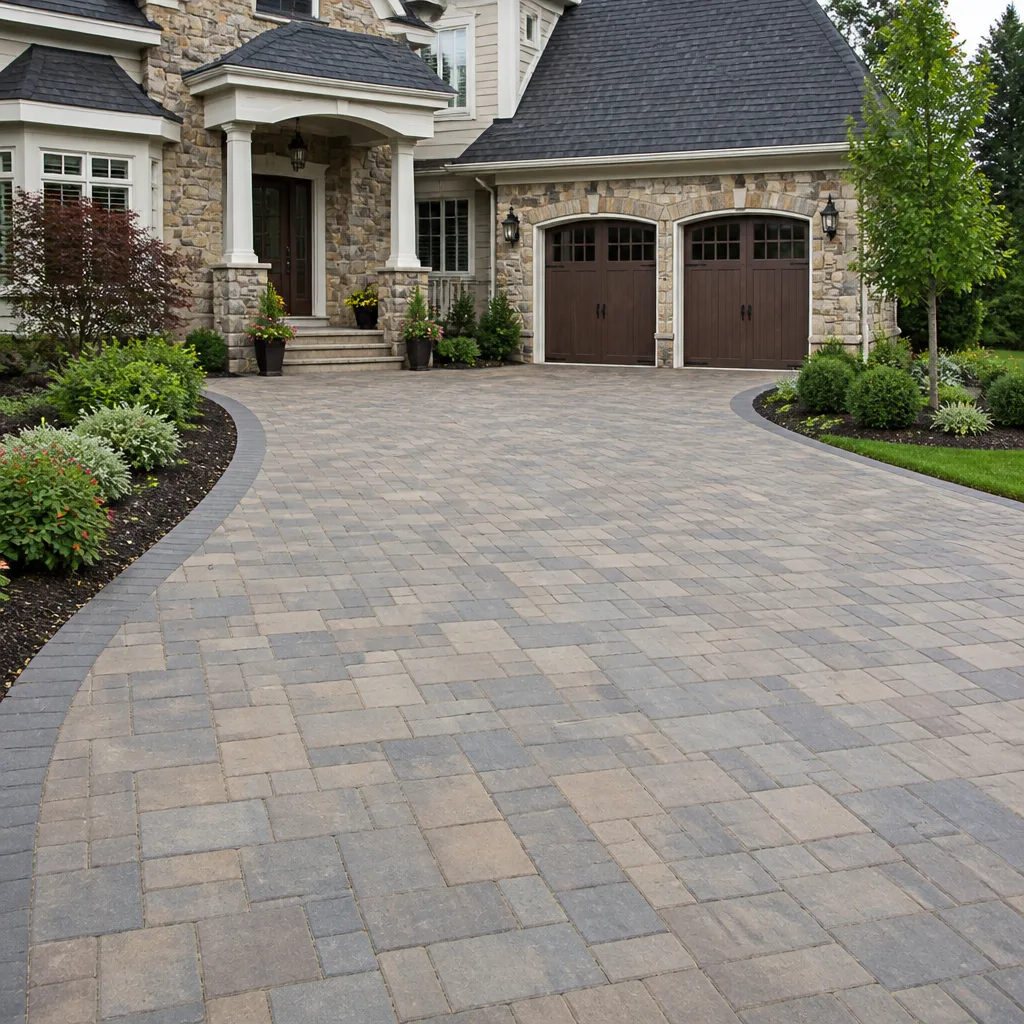
A paver driveway in Miami Gardens runs $10,500 – $22,000 depending on square footage, base preparation, and whether the apron triggers a right-of-way permit. Our Driveway & Pavers in Miami Gardens page walks through base depth, compaction, and product choices so you know what you’re paying for beyond the pavers on top.
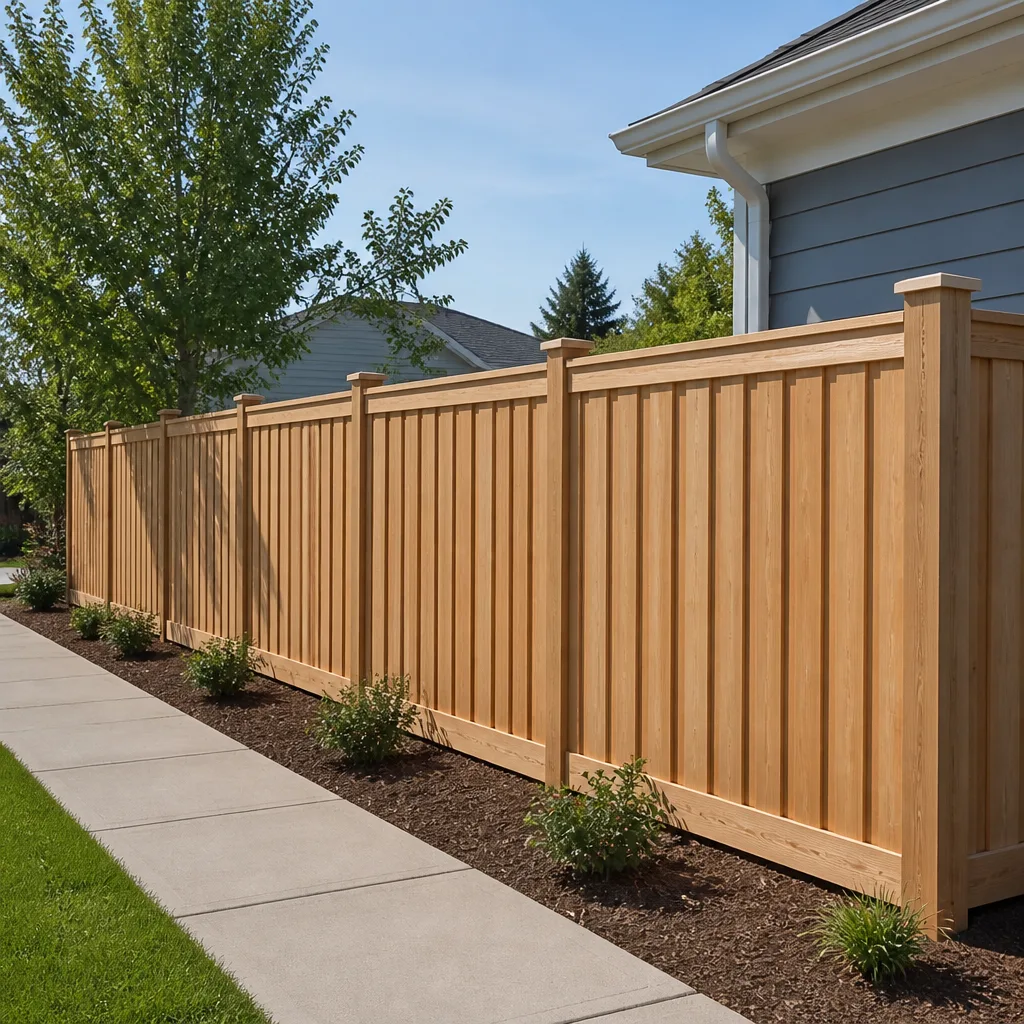
Fencing is the smaller ticket in the exterior bucket, but the stakes matter. A privacy fence in this climate needs material that won’t surrender to sun and rain in five years. Details live on our Fence Installation in Miami Gardens page.
Home Additions and ADU Pricing
Additions price by the square foot in a range that runs far wider than a national estimator will tell you: $195 – $315 per sq ft for a Miami Gardens addition, and $210,000 – $340,000 for a full ADU depending on size and finish. The width of that range comes from two things: how much of the existing house needs rework to accept the new space, and how deep the site work goes before a foundation goes in. Drainage, grading, and impact-fee exposure decide the low end from the high end.
Two things we check early on East and West side properties: lot coverage limits and setbacks, both enforced at the local level. A separate ADU structure can trigger impact fees and expedited permitting review; an attached addition usually doesn’t. The difference can be $3,000 to $8,000 on the permit line alone, and it’s why a serious budget conversation happens before the drawing happens.
Our Home Additions & ADU in Miami Gardens page covers what the process looks like from survey through final inspection. If you’re considering an ADU, whether a stick-built structure or a prefab unit like those from Abodu, bring the site plan to the first meeting. The budget can’t be honest without it.
Common Mistakes to Avoid
- Using a national cost estimator as your budget. Those tools don’t know that impact-rated windows and Miami-Dade permit fees exist. Expect a 20 – 35% gap between the tool’s output and the real bid.
- Choosing the lowest bid without reading the allowances. The cheapest-looking bid is often the one with the understated cabinet and tile allowances. Compare every allowance to real product pricing.
- Skipping permits because a contractor says they’re optional. They’re not optional here. Unpermitted work can block a future sale, complicate insurance, and leave you holding the repair bill.
- Accepting verbal change approvals. If the change wasn’t in writing with a price and a signature before work, the invoice amount is up to whoever’s holding the pen.
- Not checking license and insurance before signing. Ask for the license number and the certificate of insurance. If a contractor hesitates, walk away.
- Forgetting impact fees on ADU budgets. The permit line for an ADU is not just the permit; it’s the impact-fee stack. Budget for it before you draw.
- Assuming rainy-season weather won’t affect schedule. Miami Gardens afternoons in summer can shut down roofing and exterior work for days. A schedule with no weather contingency is a schedule that won’t hold.
See the difference
 Before
 After
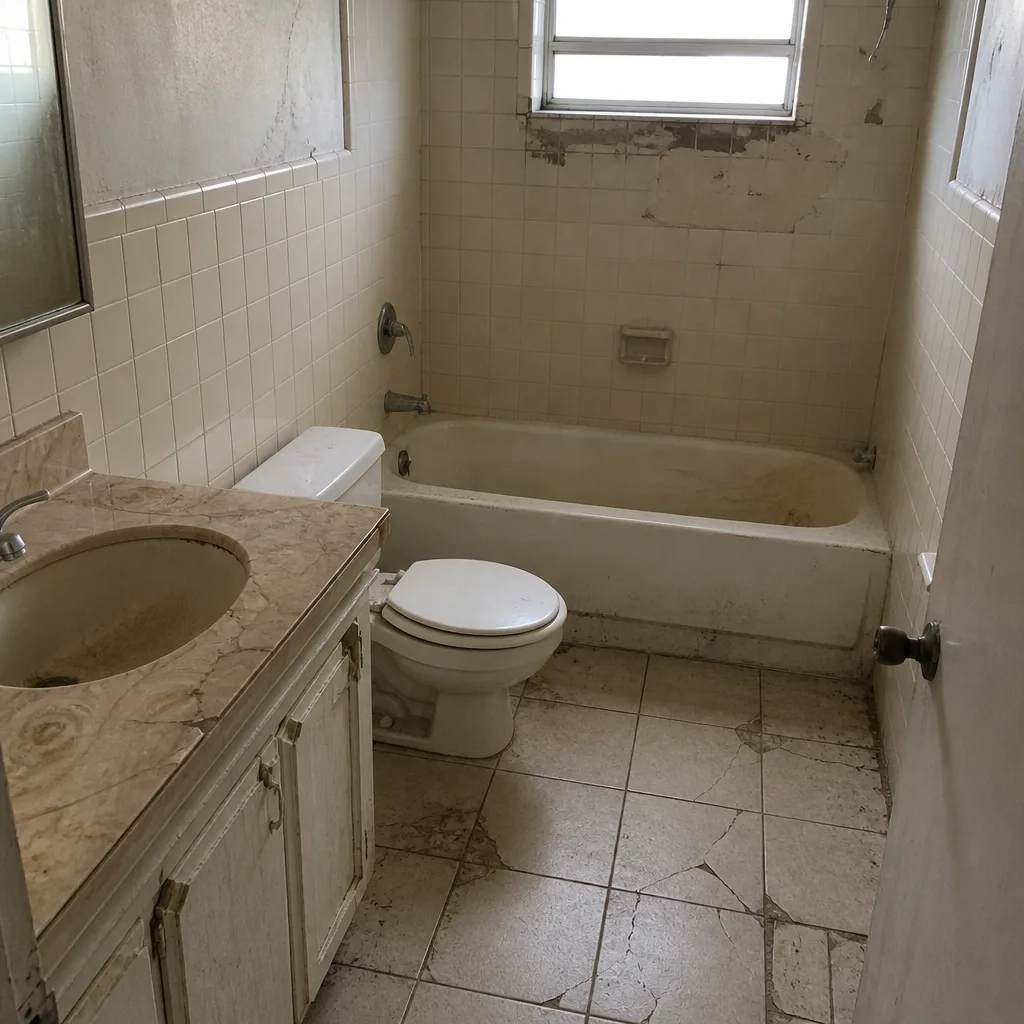 Before
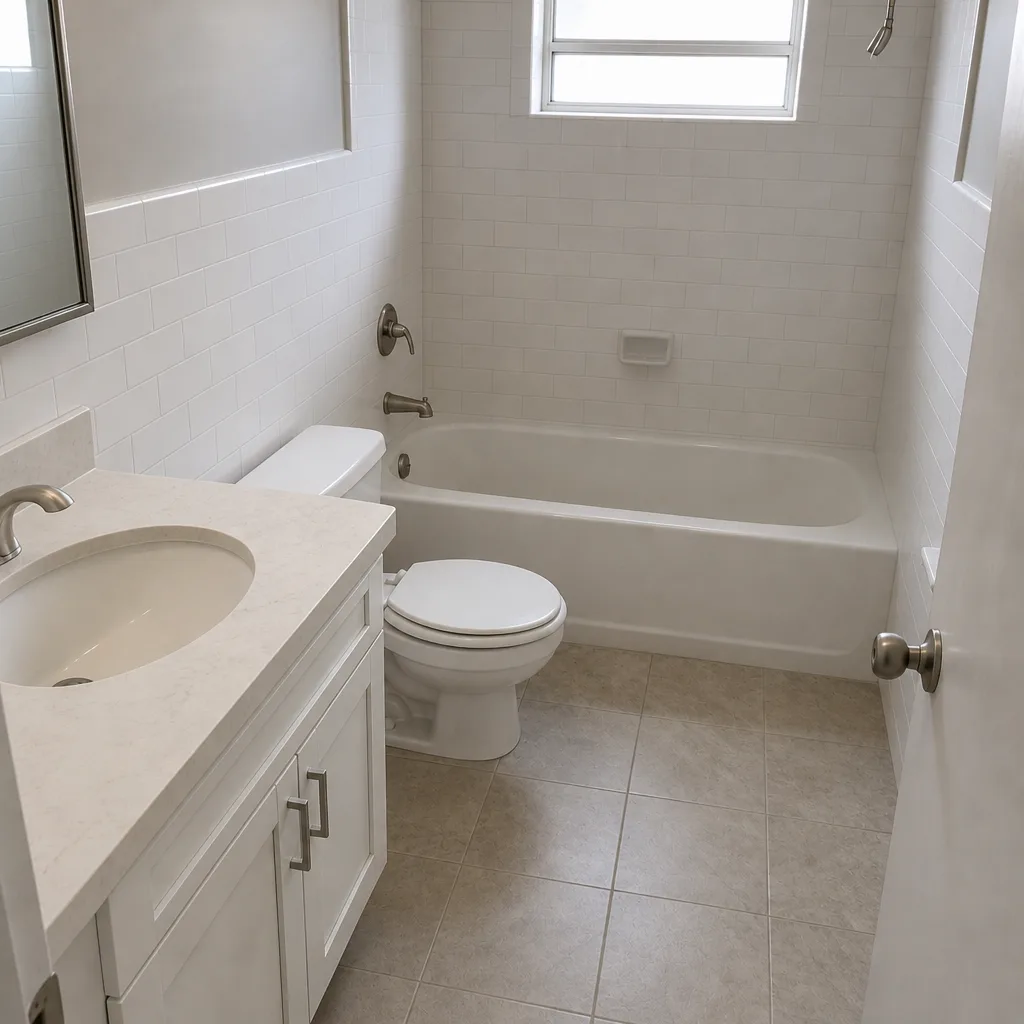 After
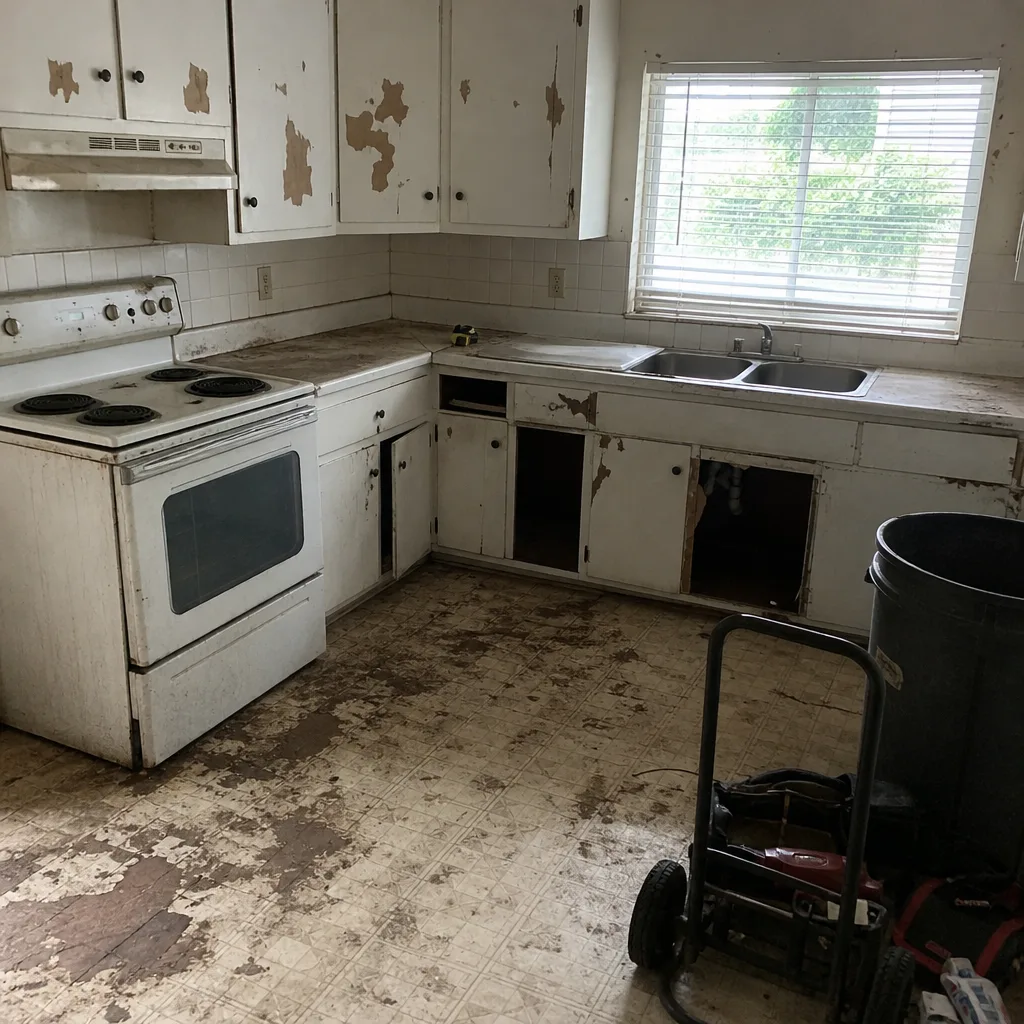 Before
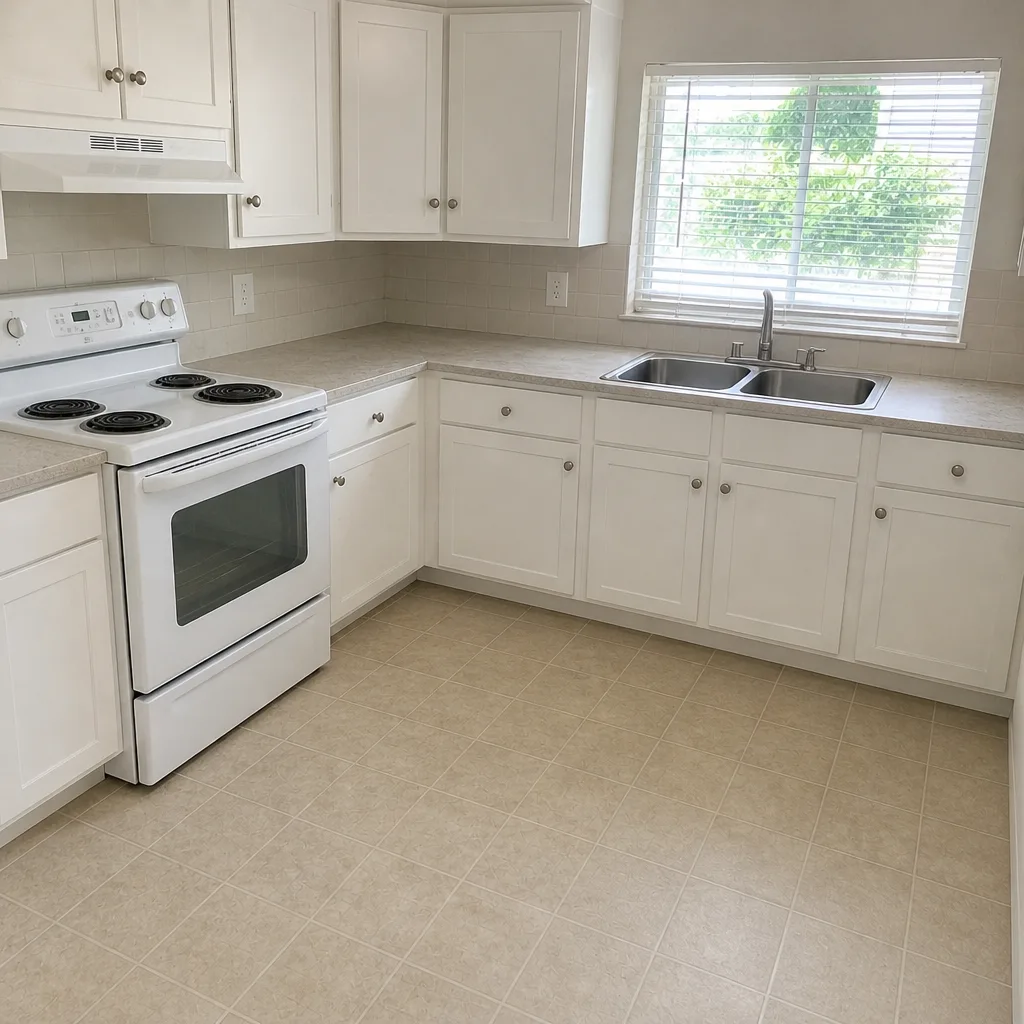 After
When to Call a Professional
Some work belongs on your weekend list. Structural work, roof systems, electrical panels, and plumbing changes do not. Call a professional when the scope touches load paths, when it changes a roof system or structure, or when the work requires a permit and inspection. Same for anything near gas lines or the main electrical panel: those are licensed trade work, and the wrong move can hurt you. If a bid you received doesn’t match a written scope, or if the allowance numbers look too good, a second opinion is free and worth asking for. Barrett & Sons Construction Miami Gardens offers free estimates in Miami Gardens. Call (844) 797-8316 to schedule yours.
Frequently Asked Questions
A full kitchen gut in Miami Gardens runs $58,000 – $88,000 in 2026, depending on whether you move walls and plumbing and what level of cabinetry you choose. A refresh that keeps the footprint runs lower. Call (844) 797-8316 for an exact quote. Estimates are free.
Yes, in most cases. Miami-Dade permit fees plus impact-fee exposure on additions and ADUs make the total higher than many Florida counties. A typical Miami Gardens kitchen gut permit lands at $850 – $1,600; an ADU can add $3,200 – $6,500 or more in fees alone.
Not without your signature. Every scope, allowance, and price change arrives as a written change order before work proceeds. If we find something during demolition that materially changes the job, you’ll see the change in writing and sign before anyone continues.
Yes. Every eligible job includes permits pulled and inspections signed. We think you should ask any construction contractor in Miami Gardens for the same, and get the answer in writing.
A typical single-family re-roof runs three to six working days in dry weather, longer for tile and metal systems, and longer still when July and August storms cycle through. Call (844) 797-8316 for a schedule estimate built around your roof and the season.
Impact-rated windows and doors are required in the wind-borne debris region, and minimum product standards apply to roofing and structural work. A contractor who suggests skipping the rating to save money is suggesting a code violation. Call (844) 797-8316 with your questions before you sign anything.
The Bottom Line
The numbers in this guide exist because national cost estimators can’t see what’s in front of them: impact-rated materials, Miami-Dade permit fees, and a labor market that prices competence at a premium. Use the ranges here to set a realistic budget, read every bid line by line, and structure your contract so surprises arrive in writing. The lowest bid usually isn’t the real lowest number. The real lowest number is the one that holds from contract to final invoice. Call Barrett & Sons Construction Miami Gardens at (844) 797-8316 for a free estimate. A live person answers, every time.
Written by the team at Barrett & Sons Construction Miami Gardens.