
Last updated November 17, 2026
 Home additions & ADU
 Kitchen remodeling
 Bathroom remodeling
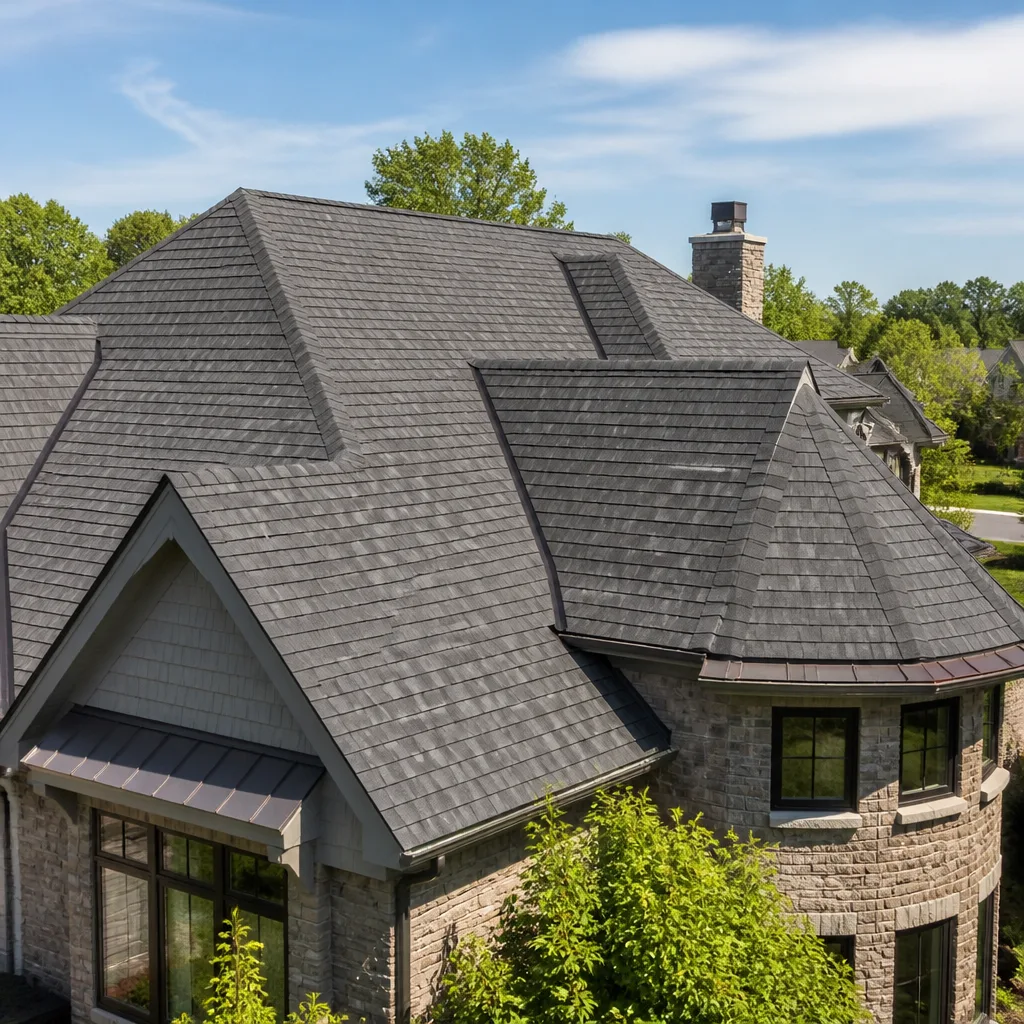 Roofing
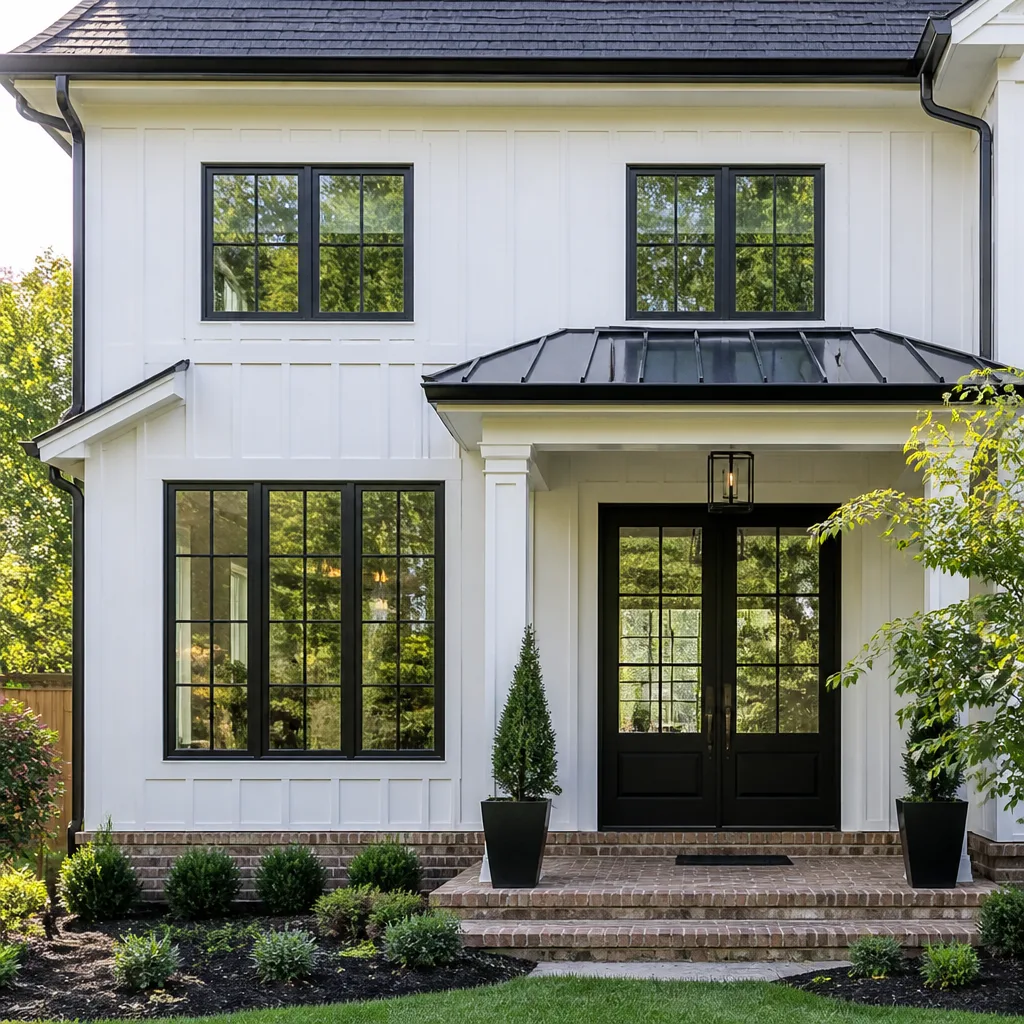 Windows & doors
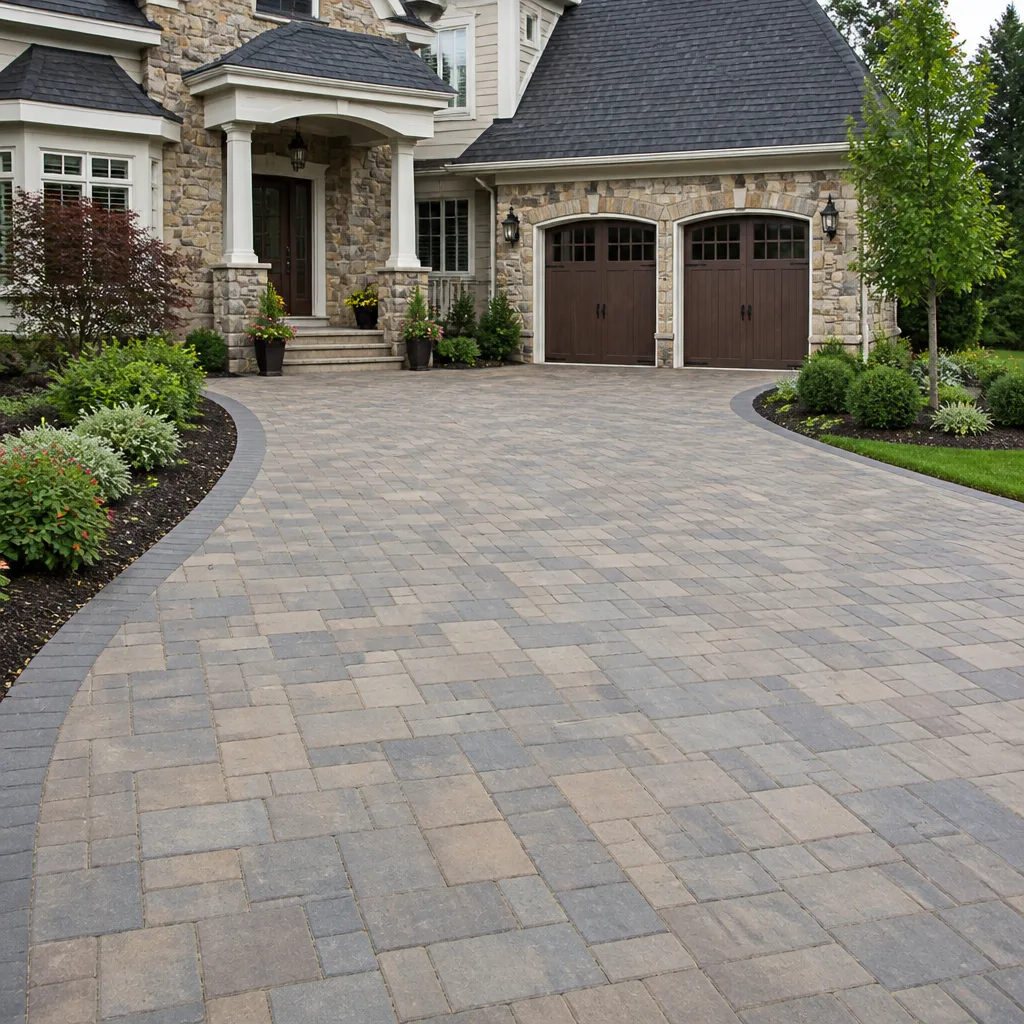 Driveway & pavers
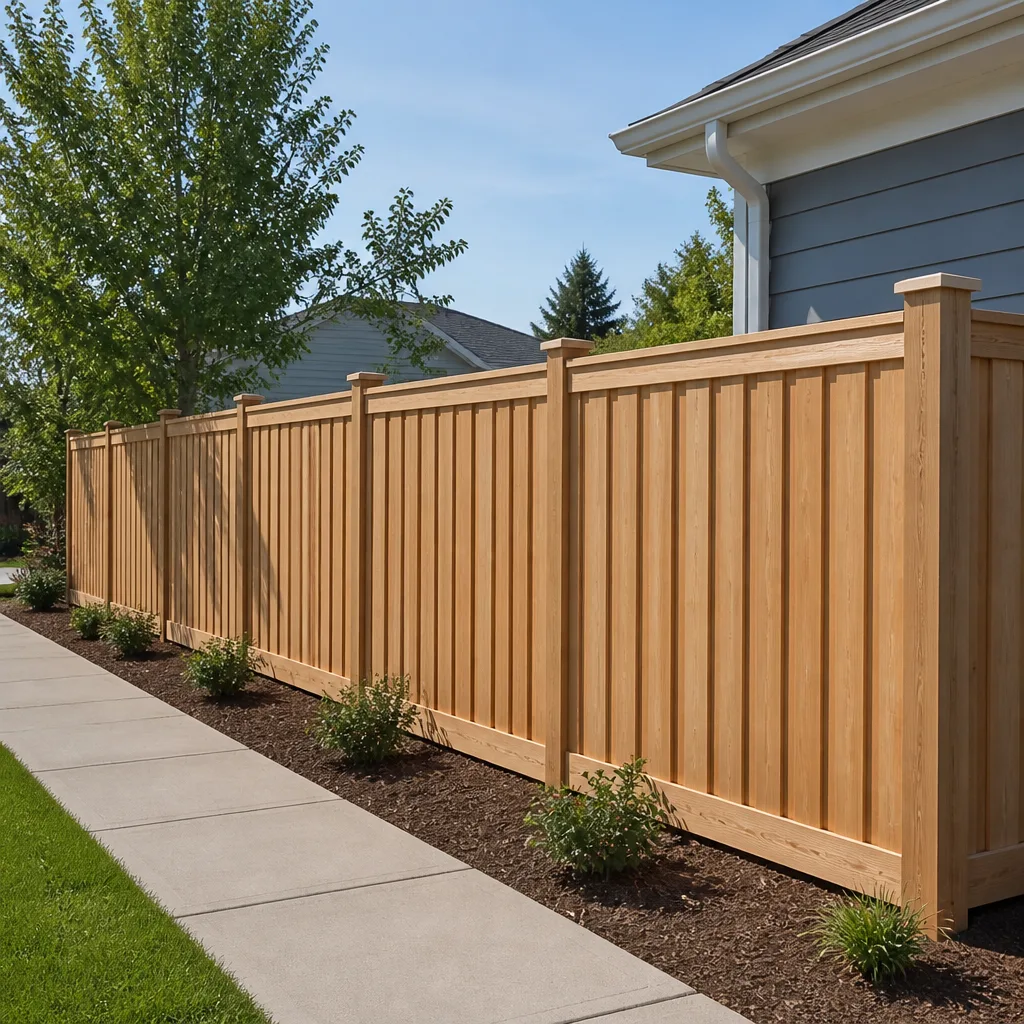 Fence
Free written scope consultation - allowances, timeline, and change-order rules on paper before a single trade is scheduled
Construction Emergency Preparedness Guide for Miami Gardens Homes
After a named storm rolls through, Miami Gardens contractors book out fast – sometimes within 48 hours. The homeowners who get emergency repairs scheduled first aren’t the ones with the biggest budgets. They’re the ones who already have their insurance policy number, their permit history, and photos of their roof deck saved on their phone. The rest spend the first week of the recovery digging through filing cabinets while the good crews get spoken for. This guide covers the document kit you need, the pre-storm walk-through that actually matters on South Florida housing stock, and the two license checks you can run in under five minutes when your roof is open to the sky.
Quick Answer
Construction emergency preparedness for a Miami Gardens home means assembling three things before hurricane season: a cloud-stored documentation kit (photos, permits, product records, insurance policy), a credible pre-storm walk-through of roof, foundation perimeter, and window/door openings, and a short list of vetted contractors with license numbers already verified. When a storm or sudden failure hits, you’re making phone calls instead of hunting for paperwork – and that difference can move your repair up by days.
Styles & brands we work with
- Kitchen remodeling
- Bathroom remodeling
- Home additions & ADU
- Roofing
- Windows & doors
- Driveway & pavers
- Fence
Table of Contents
- Build Your Home Documentation Kit Before the Storm
- The Pre-Storm Construction Walk-Through
- What Your Contractor Needs From You After Storm Damage
- Emergency Tarping and Board-Up: What Qualifies as Acceptable
- How to Vet Emergency Repair Contractors Fast
- Miami Gardens Housing Stock: What Fails First
- Common Mistakes to Avoid
- When to Call a Professional
Build Your Home Documentation Kit Before the Storm
The single most useful thing you can do this weekend is build a documentation kit and store it somewhere that isn’t your house. Not on a shelf in the garage. Not in a filing cabinet in the hall closet. Cloud storage, an email draft to yourself, or a thumb drive that lives in your glove box. If your house is unlivable for a month, the paper in the hall closet is unlivable too.
Here’s what goes in it:
- Insurance policy documents. The declarations page, the flood policy if you have one (separate from windstorm in Florida), and the claims phone number. Photograph them, don’t just scan. Phone photos are search-friendly in a pinch.
- Permit history. Every permit pulled on the house, especially roof, windows, and any addition. Miami-Dade County’s online permit portal will show what was recorded under your address. If a prior owner pulled permits you don’t know about, that shows up too, and it matters when you file a claim.
- Product records. The roof shingle brand and install date (GAF and CertainTeed are common on Miami Gardens homes), window manufacturer and model, garage door specs, HVAC unit age. If you have the original work order or receipt, photograph it. If not, photograph the manufacturer label on the equipment.
- Photo inventory of the whole house. Twenty minutes with your phone. Every room, every closet, the attic if you can get to it safely, the roof deck if you can see it from a ladder you’re comfortable on. Walk the exterior all four sides. Interior ceiling corners. Photograph more than you think you need.
- Contractor list. Two or three vetted names with license numbers already verified, phone numbers, and what each one specializes in. Not the first name off a Google search after the storm. Names you’ve already checked.
We’ve seen homeowners in Miami Gardens lose days of recovery time because the insurance adjuster needed a product label that was underwater in the garage. A photo of that label taken in June is worth a week in October.
The Pre-Storm Construction Walk-Through
A credible walk-through isn’t a vibe check. It’s forty-five minutes, a notebook, and a specific list of things to look at. Do it once in May and again in August. What you’re looking for is anything the wind will exploit and anything the water will find.
On the roof (from the ground with binoculars, or from a safe vantage)
- Lifted or missing shingles. Granule loss, curling edges, any shingle that looks like it’s already thinking about leaving. GAF and CertainTeed shingles don’t fail suddenly; they telegraph it.
- Flashing at penetrations and valleys. Around the chimney, plumbing vents, and where roof planes meet. Lifted flashing is a leak waiting for the first good rain band.
- Fascia and soffit condition. Soft wood, peeling paint, or gaps. Wind gets under a loose soffit and pulls it off.
- Gutter attachment. Sagging gutters become projectiles. In Miami Gardens, the afternoon thunderstorms alone will finish off a gutter that’s already half detached.
At the foundation perimeter
- Soil that has pulled away from the slab or stem wall. Water pools there instead of draining.
- Cracks in the stucco at corners or above windows. Hairline is normal; stair-step is not.
- Downspouts that dump against the house. Miami Gardens gets intense rainfall in short windows, and the ground can only take so much.
- Any standing water pattern after a normal rain. Note where it sits. That’s where it’ll sit during a storm.
Around windows and doors
- Weather stripping and seals. Cracked caulk at the frame perimeter.
- Impact glass condition, if you have it. A cracked pane under hurricane shutter brackets is a weak point.
- Shutter hardware, if you use panels. Mounting tracks and bolts still present and not rusted to the point of seizing.
- Door thresholds and sills – the small gaps where wind-driven rain gets in.
Write down what you find. Note the date. When you call a contractor after a storm about something you saw in June, that note gets you taken seriously.
What Your Contractor Needs From You After Storm Damage
When the storm passes and you’re standing in a house with a missing section of roof, the call goes better if you can answer four questions in the first two minutes. Contractors triage. The homeowner who has the answers gets scheduled first.
- Your insurance carrier and policy number. Not the claims phone number you saved in your phone – the policy number from the declarations page. Photographed, in your documentation kit, easy to read aloud.
- The scope of visible damage, photographed, with a timestamp. Every side of the house. Any interior water intrusion. The ceiling stain. The wet drywall. Phone photos are fine. Wide shots first, then close-ups.
- Permit history. If the roof was replaced in 2019 under permit, tell the contractor. That permit record will be part of the repair permit process, and the original install specs (which the permit has) make it faster to match materials.
- Whether you’ve called your insurance carrier yet. Most carriers want the first notice of loss within a short window. Your contractor will need the claim number eventually; the sooner the claim is open, the sooner the adjuster schedules.
What your contractor does not need: a narrative, an apology for the mess, or a tour of every room. Have the four things above ready and let them start.
Emergency Tarping and Board-Up: What Qualifies as Acceptable
This is where a lot of Miami Gardens homeowners get into trouble. A blue tarp thrown over the ridge and nailed down will not hold through the next wind event, and in some cases the way it was installed becomes a coverage argument at claim time. What you want is a temporary repair that does two things: stops further water intrusion, and doesn’t create new damage that voids the claim or complicates the permanent fix.
Acceptable temporary repair, in general terms:
- Tarp secured with batten strips or lumber, not just nail heads through the tarp (Florida Division of Emergency Management publishes guidance on this). Nails alone tear out.
- Plywood or OSB board-up over windows, screwed in, not nailed, so it can be removed without damaging the frame.
- Water diversion – a properly weighted tarp over a leaking area that sheds water away from the house, not a tarp that becomes a shallow pool.
- Documentation of the temporary repair itself, photographed, with the date and the name of the person who did it.
What creates problems:
- Anchoring a tarp by driving fasteners into the roofing material in ways that void the shingle manufacturer’s warranty. GAF and CertainTeed both have specific position statements about this.
- Improperly board-upping windows in a way that traps moisture and causes interior damage.
- Making a temporary repair that’s actually a permanent-looking repair (nailing shingles over a hole) that then gets argued as “aftermarket work” by the adjuster.
Ask the person doing the tarp work what their method is and get it in writing if you can. A written scope on a temporary repair is short. It should still exist.
How to Vet Emergency Repair Contractors Fast
Two license checks. Five minutes. That’s the standard when your roof is open and someone with a clipboard knocks on your door offering to “get you tarped and started on Monday for cash.”
Check #1: Florida DBPR license lookup
The Florida Department of Business and Professional Regulation license search is the primary record. Search by the name on the truck, the license number on the bid, or both. What you’re confirming is: the license is active, it matches a qualifying business name, and the license category allows the work being quoted (roofing is a separate category from general contracting in Florida). If a person hands you a business card with a number on it and the number doesn’t come back to that business, that’s your answer.
Check #2: Miami-Dade County contractor licensing and permit history
Miami-Dade County maintains its own licensing records on top of the state’s, and the county’s permit portal shows whether a contractor has pulled permits under their license in the recent past. A contractor with a valid state license who has never pulled a permit in Miami-Dade is telling you something about how they operate. A contractor with permits and signed inspections on file is telling you something else.
Those are the two checks. Do them before anyone climbs on the roof. The right contractor wants you to check. The wrong one gets annoyed at the question.
Miami Gardens Housing Stock: What Fails First
Miami Gardens has a lot of concrete block construction with stucco exterior, built mostly in the 1950s through the 1970s, with a substantial number of homes in the neighborhoods off Northwest 27th Avenue, around Bunche Park, and near the Andover and Miami Gardens Drive corridors. That construction type has specific failure modes in a storm.
- Stucco over concrete block. Stucco cracks at corners and window openings after enough wet-dry cycles. Water gets behind the stucco at a crack and into the block. Left long enough, that shows up as interior moisture damage on an inside wall, far from where the crack actually is.
- Low-slope and flat roof sections added over the original roof structure. Common on additions and enclosed carports from earlier decades. Flashing at the transition between pitches is often the first thing to leak.
- Original aluminum single-pane windows. A lot of housing stock still has them. They don’t fail from wind pressure easily, but wind-driven rain and debris destroy them. When one fails, the opening becomes a water injection point for the entire wall assembly.
- Fascia and soffit behind gutters. Original wood fascia, decades old, often soft. Wind peels soffit from the fascia, then tears fascia from the rafter tails.
- Concrete paver driveways and patios. Roots lifting pavers, which becomes a tripping hazard and lets water pool against the house edge. Not an emergency, but the kind of thing you find during a pre-storm walk-through and wonder why it was left alone.
Concrete block homes handle wind better than wood frame on average. What they don’t handle as well is sustained water intrusion, and the Miami Gardens rainy season gives water a lot of chances.
Common Mistakes to Avoid
- Keeping your documentation only on paper. If the house is unlivable, the filing cabinet is right there being unlivable too. Cloud storage, an email draft to yourself, a glove box thumb drive. Pick one and use it.
- Waiting for the storm name before you do the walk-through. Hurricane season starts June 1. The first named storm doesn’t. Miami Gardens sees severe afternoon storms all summer; the prep window is April and May, not the day before landfall.
- Letting the first person who knocks on your door do emergency work. Post-storm door-knocking is where the license verification matters most. Two checks, five minutes, before anyone touches the roof.
- Tarping with nails only. It works until the first wind gust and then becomes a hole with a loose tarp attached. Batten or lumber, and photograph the install.
- Skipping the written scope on temporary repairs. A temporary repair should still have a one-page written description of what was done. It matters to the adjuster and to whoever does the permanent work.
- Assuming the prior owner pulled permits. Pull your permit history yourself. The Miami-Dade County portal is public. If your enclosed carport was “added” with no permit, that’s a conversation to have before a claim, not after.
- Not having the contractor list ready. Calling three vetted contractors on day one is faster than calling one unvetted contractor on day one and hoping.
When to Call a Professional
Some things you handle yourself. Some things you call about the same day. If you’re looking at a roof opening, wind-driven water intrusion, a lifted section of shingles, or a window that’s failed and letting water into a wall cavity, that’s a call today. If a contractor you haven’t vetted offers to do emergency work on the roof, that’s a call to verify their license first. If your post-storm walk-through turns up something you’re not sure how to read – a stucco crack you haven’t seen before, a ceiling stain that appeared overnight – a free estimate costs you nothing and gets a trained eye on it.
Barrett & Sons Construction Miami Gardens offers free estimates in Miami Gardens – call (844) 797-8316. Our technicians have up to 28 years of experience, and we pull every permit and sign every inspection on eligible work. The written estimate is the only quote you’ll see; change orders come in writing before anything moves.
For the broader picture of what we handle beyond storm response, the Barrett & Sons Construction Miami Gardens home page covers it. If your storm damage includes driveway or paver repairs, that’s here: Driveway & Pavers in Miami Gardens. Fence damage from wind and debris is here: Fence Installation in Miami Gardens. And if you’re considering rebuilding or adding space during the recovery, the Home Additions & ADU in Miami Gardens section walks through the permit and inspection process.
See the difference
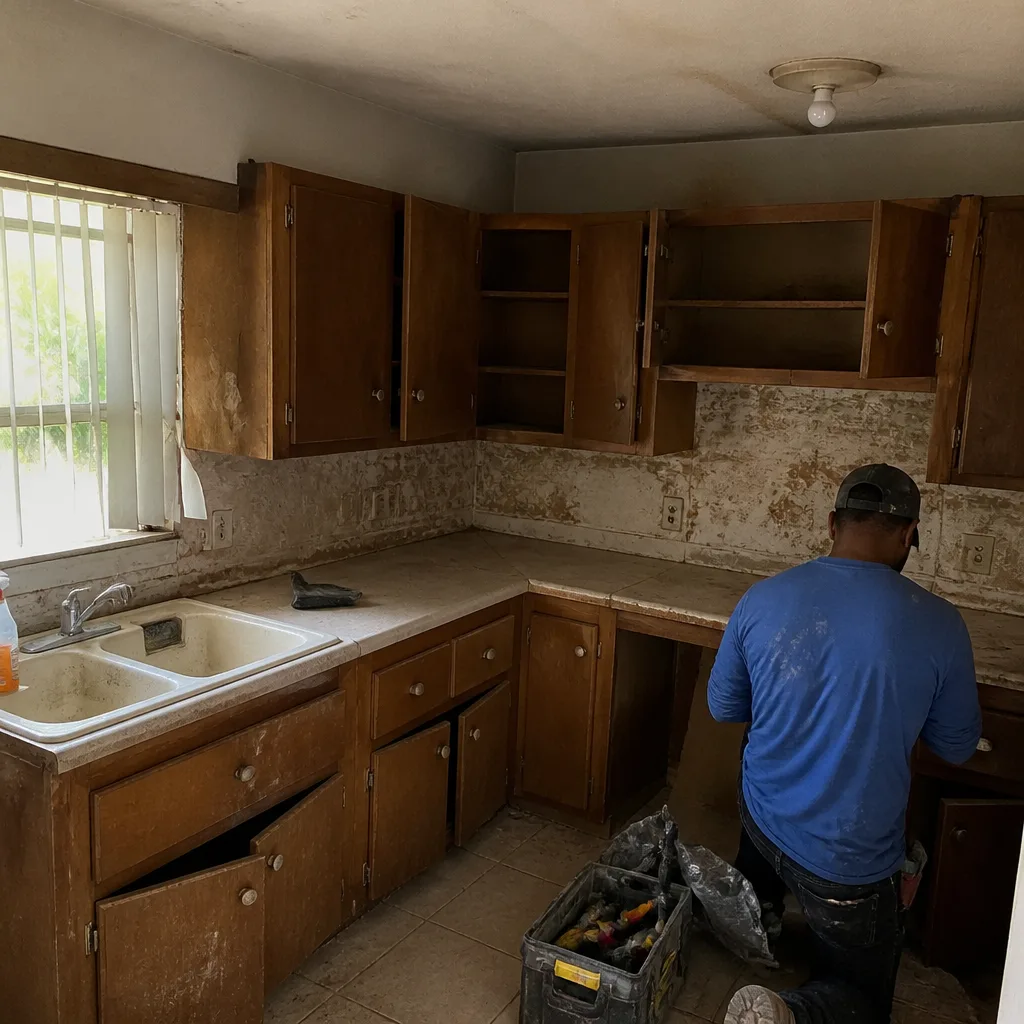 Before
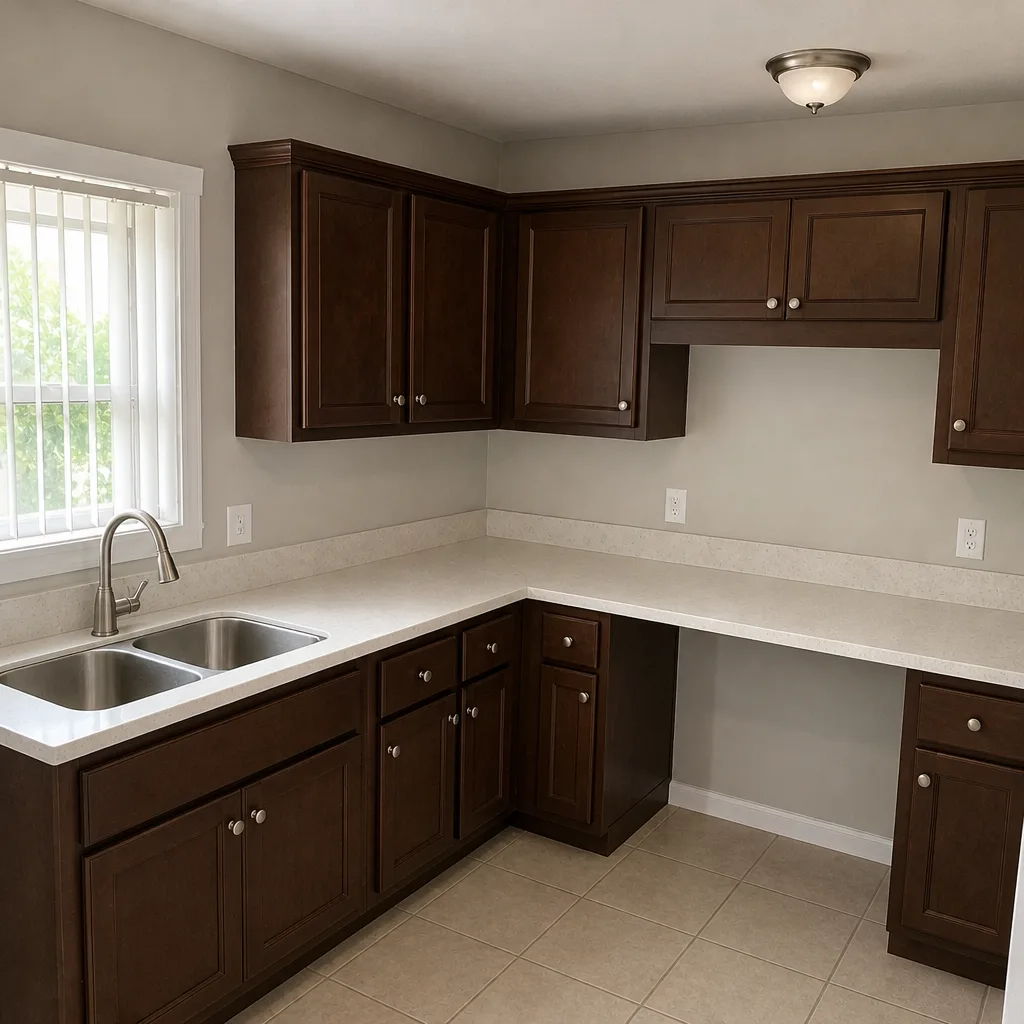 After
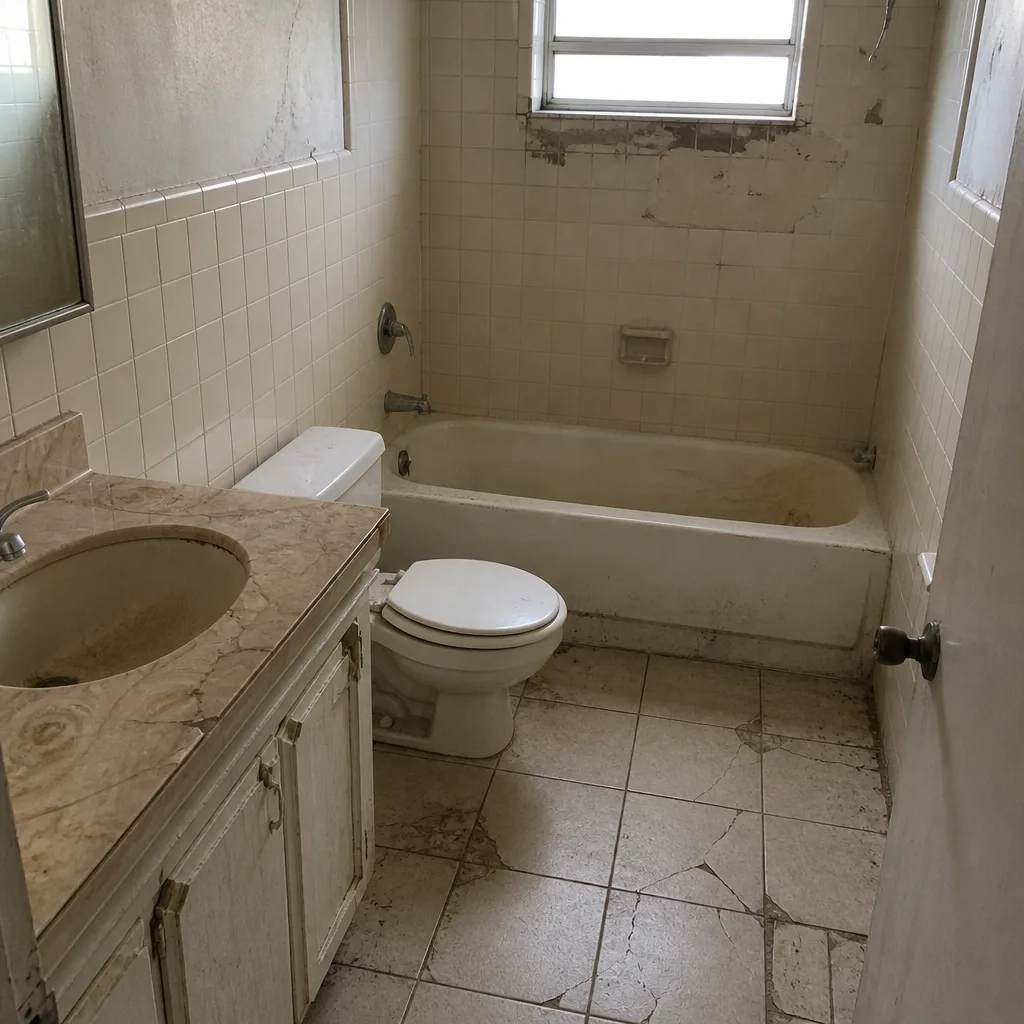 Before
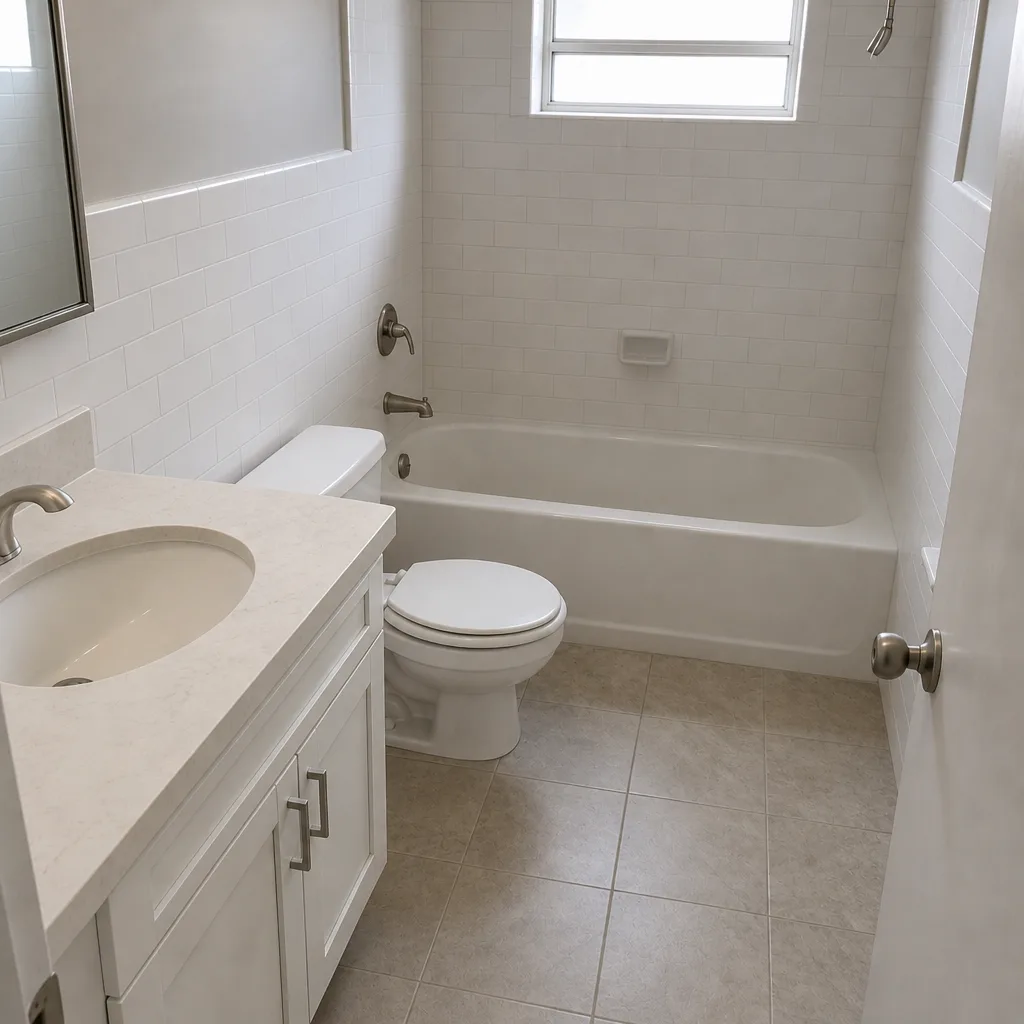 After
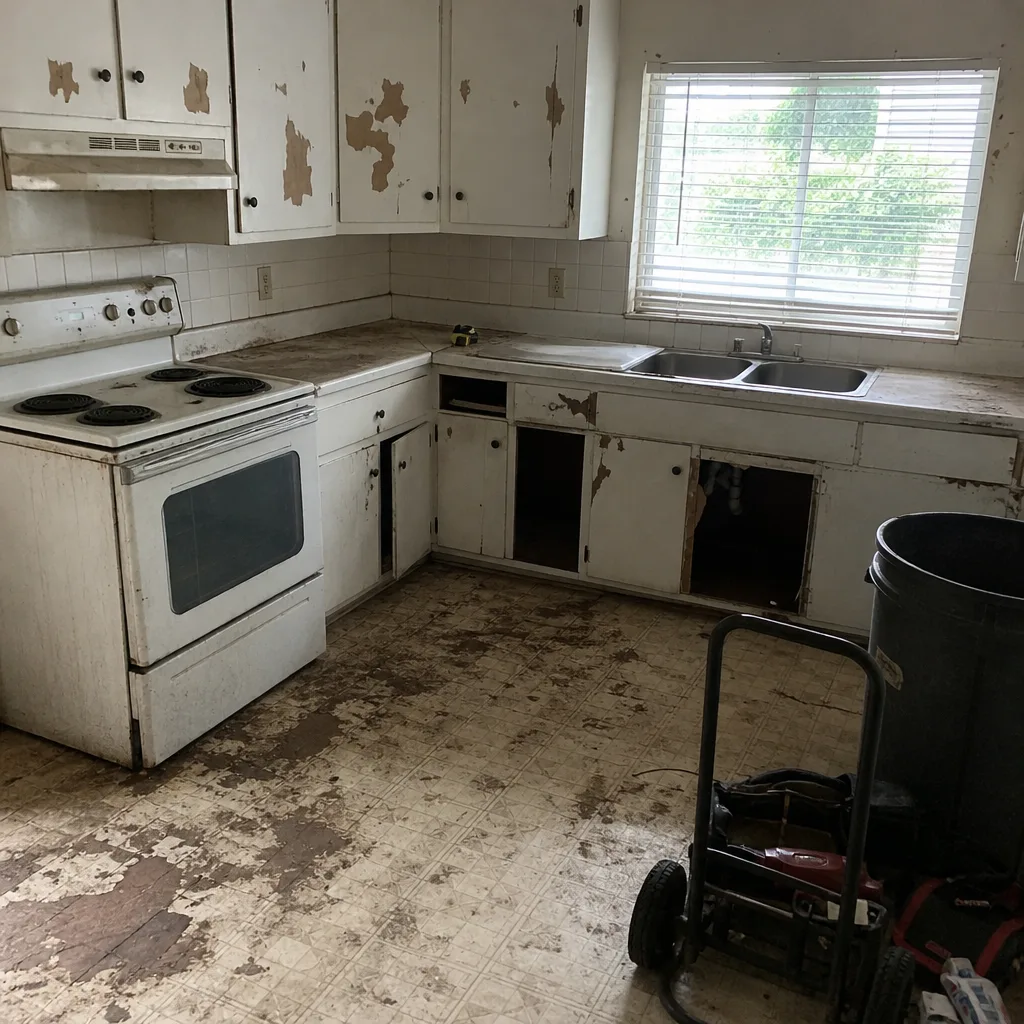 Before
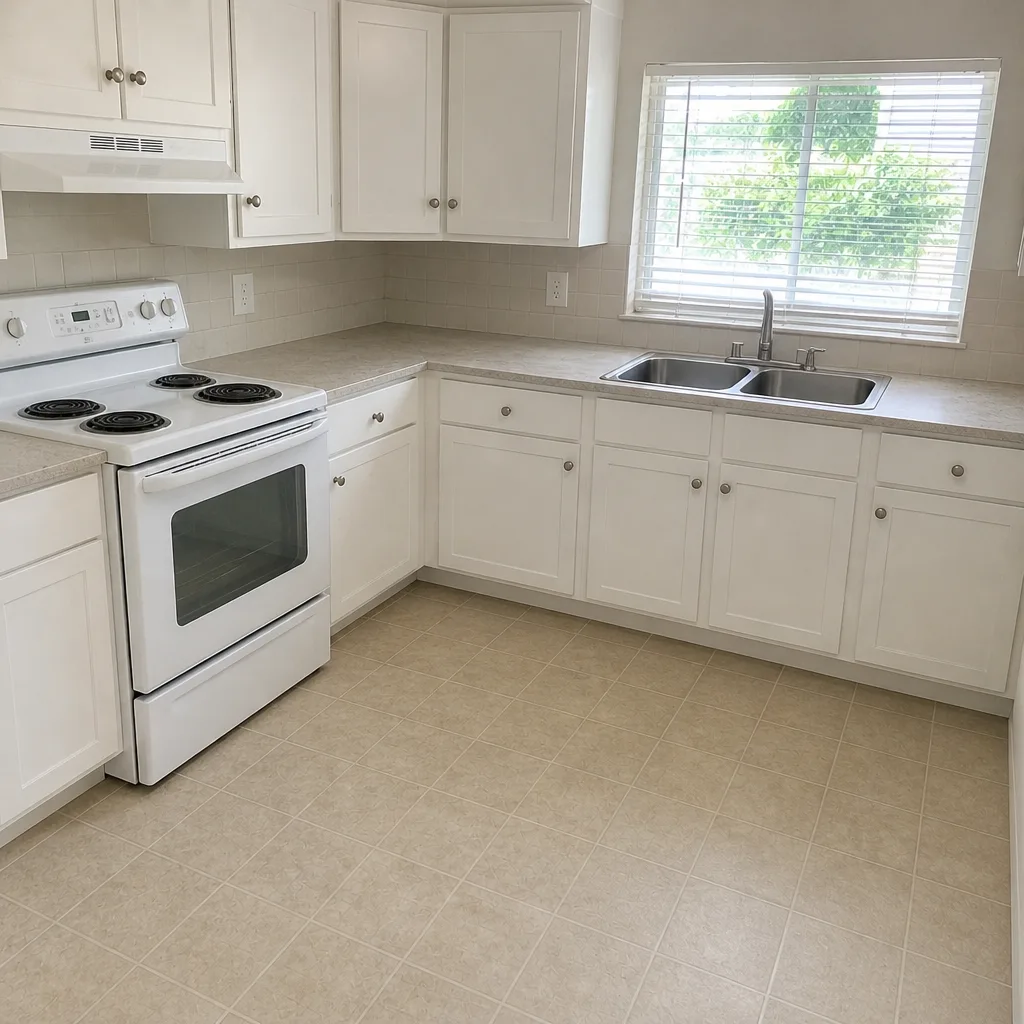 After
Frequently Asked Questions
Your insurance declarations page (windstorm and flood separately), your permit history downloaded from the Miami-Dade County portal, product records for roof, windows, and HVAC, a phone-photo inventory of every room and the exterior, and a short list of vetted contractors with license numbers already verified. Store all of it off-site in cloud storage or an email draft, not only in a filing cabinet at the house.
Frequently within 48 to 72 hours for the reputable, licensed crews. The homeowners who get scheduled first are the ones who call with a claim number, photos, and permit history in hand. Call (844) 797-8316 for a free estimate and we’ll tell you honestly where you stand in the queue.
Most Florida windstorm policies include coverage for “reasonable and necessary” emergency repairs to prevent further damage, which typically includes tarping and board-up. Keep the receipt and photograph everything you do. Call (844) 797-8316 if you want a written scope for a temporary repair; the written scope makes the reimbursement conversation easier.
Two. First, the Florida DBPR license search at myfloridalicense.com – confirm the license is active and matches the business name. Second, the Miami-Dade County contractor licensing and permit portal – confirm the contractor has pulled permits under their license. A valid state license with no local permit history is a red flag for emergency work. Call (844) 797-8316 for a free estimate if you’d rather not sort it alone.
Generally, yes – structural repairs, roof replacements, window replacement, and any work that touches the building envelope require permits in Miami-Dade County. Temporary emergency repairs (tarping, board-up) typically do not, but coverage varies. Any contractor who tells you the permit is optional on a permanent repair is telling you something about how they work. Call (844) 797-8316 for a free estimate on a permitted repair.
A temporary repair stops further damage; a permanent repair restores the building to its prior condition and is subject to permit and inspection. The line matters to your insurance claim because temporary repairs are typically reimbursable without a permit, while permanent repairs require one. Get a written description of what’s being done on each, with the date. Call (844) 797-8316 for a free estimate on either.
The Bottom Line
Emergency preparedness for a Miami Gardens home comes down to three things you do before the storm: put your documentation off-site and in your phone, run a real walk-through of roof, foundation, and openings, and pre-verify a short list of contractors. When the storm hits, the homeowner who has those three in place makes calls; everyone else runs errands. Every job we do comes with a written scope from the first estimate, every change order arrives before a nail moves, and the work is backed by the 90-Day Done Right Promise in writing. Call (844) 797-8316 to schedule your free estimate.
Written by the team at Barrett & Sons Construction Miami Gardens.