
Last updated November 17, 2026
 Home additions & ADU
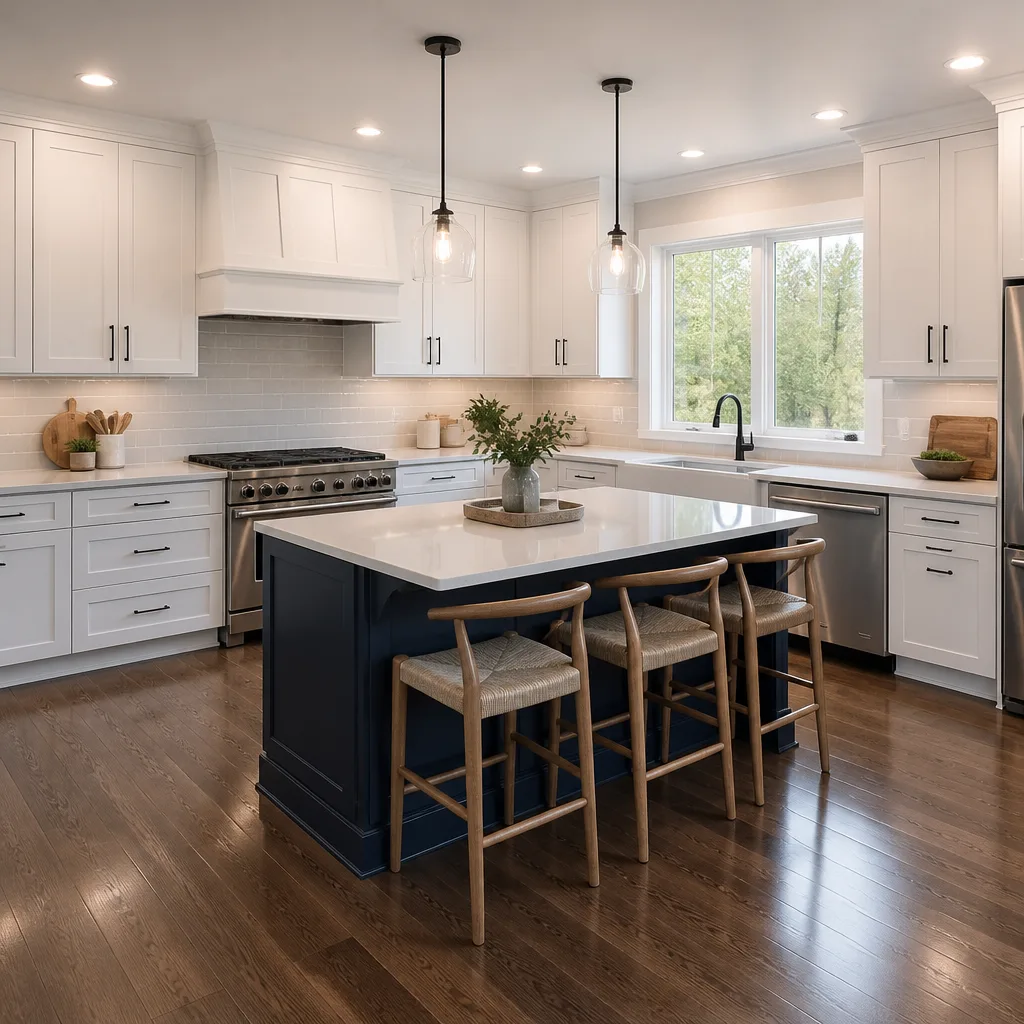 Kitchen remodeling
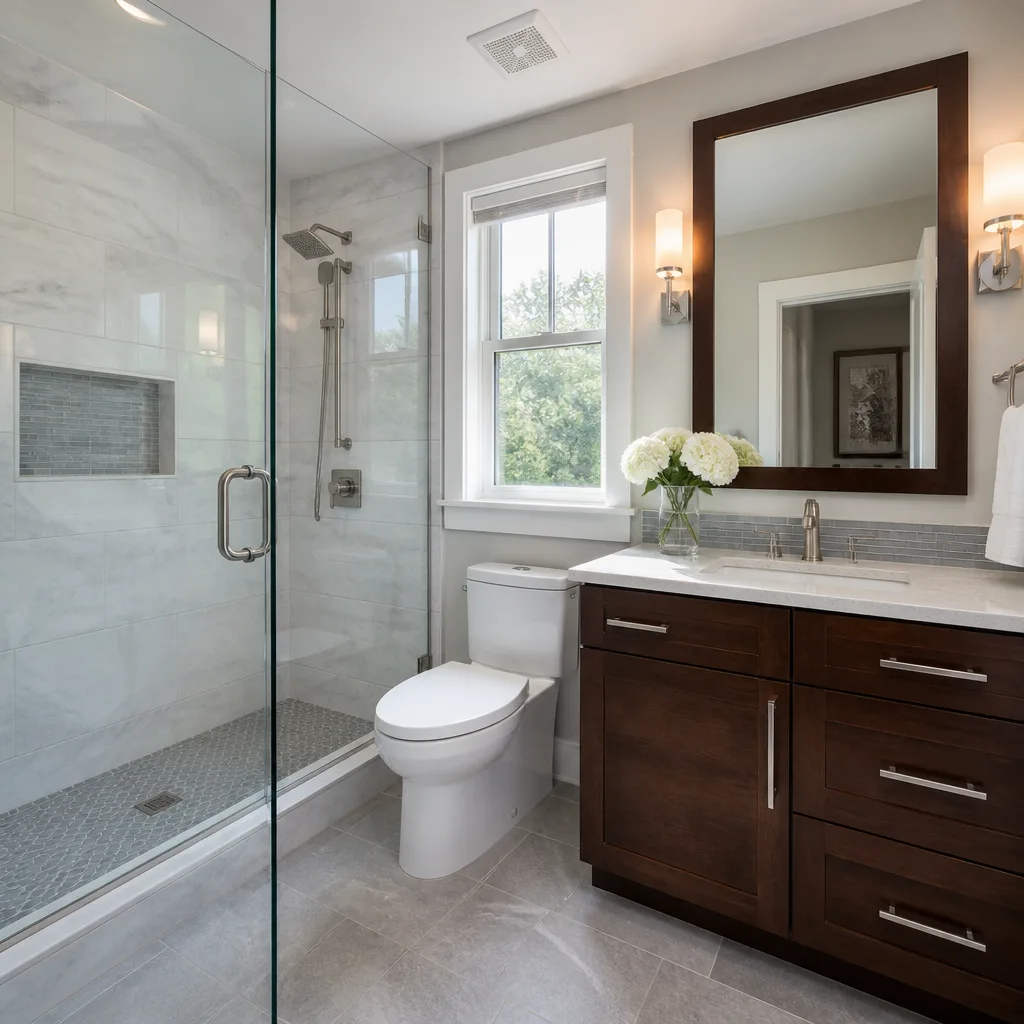 Bathroom remodeling
 Roofing
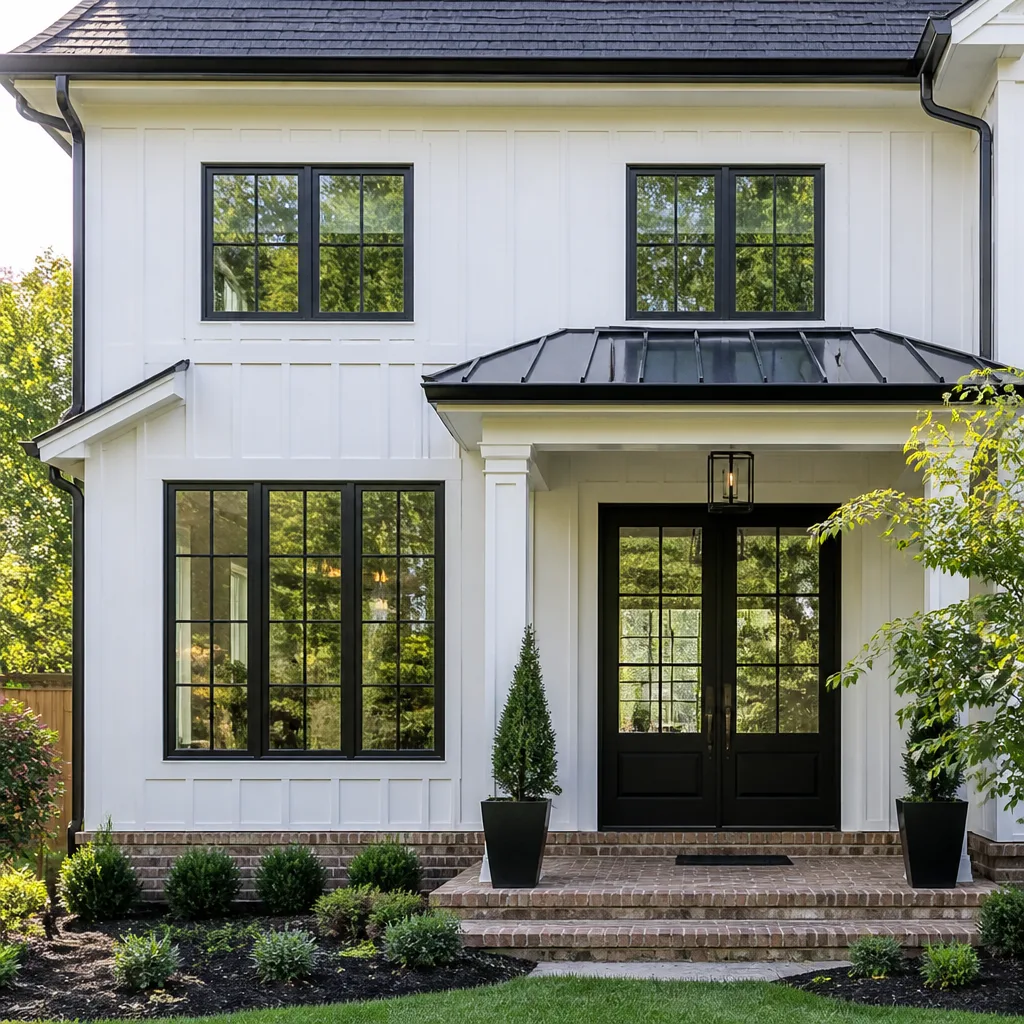 Windows & doors
 Driveway & pavers
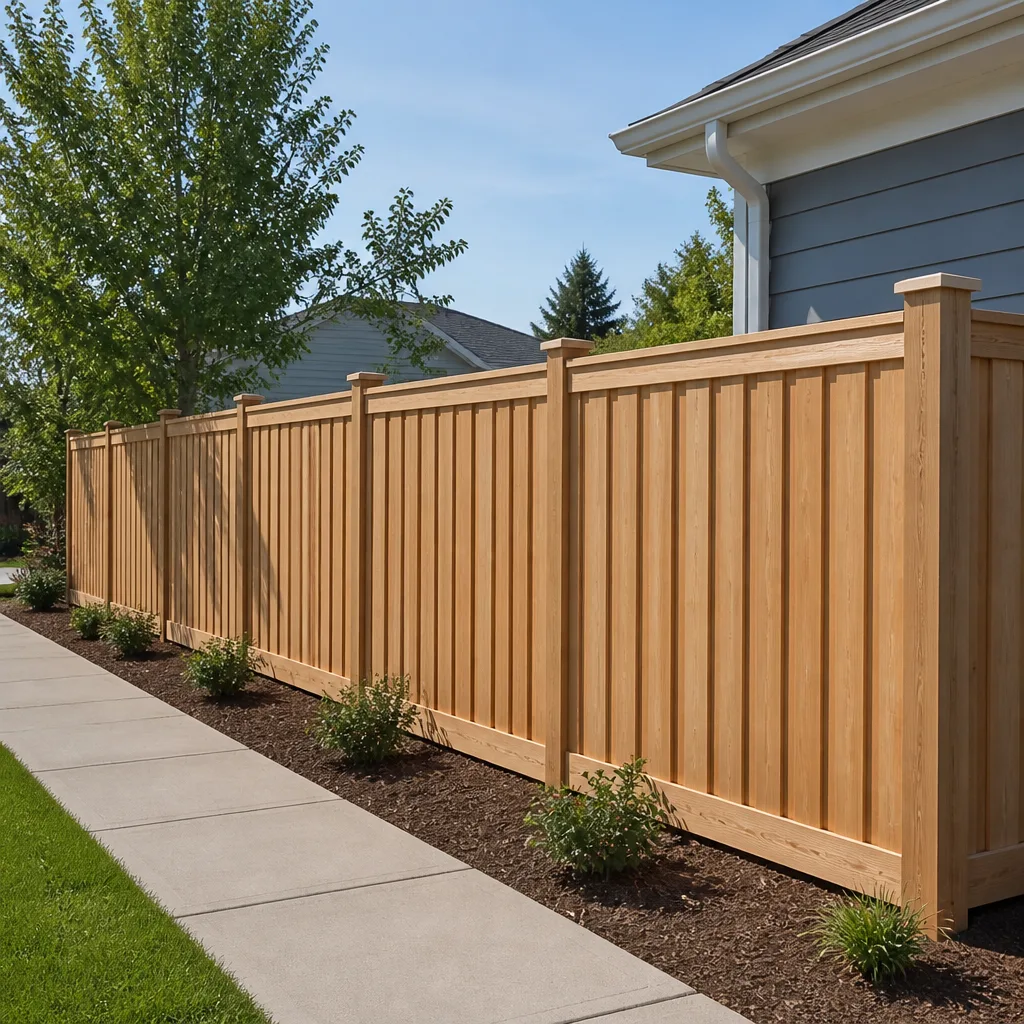 Fence
Free written scope consultation - allowances, timeline, and change-order rules on paper before a single trade is scheduled
DIY vs Professional Construction: The Miami Gardens Homeowner’s Decision Guide
In Miami-Dade County, replacing a single window is a permitted job that requires an NOA-approved impact product and, in most cases, a licensed contractor to pull the permit and sign off on the installation. That one detail sends a lot of confident DIYers back to square one. Miami Gardens sits inside the toughest building-code jurisdiction in Florida, and the inspection process here will reject work that wouldn’t raise an eyebrow in Orlando or Tampa. This guide walks through what the code actually requires, where DIY still makes sense, and how to run a hybrid job that keeps money in your pocket without creating a problem at resale or with your insurer.
Quick Answer
In Miami Gardens, cosmetic interior work, landscaping, painting, and non-structural repairs below permit thresholds are fair game for a careful homeowner. Structural changes, roof replacement, window and door replacement, electrical, plumbing, gas, and anything touching the building envelope require a licensed contractor and a Miami-Dade permit. Hiring out the licensed portions and doing honest prep and cleanup yourself is the smartest money-saving route for most homeowners here.
Styles & brands we work with
- Kitchen remodeling
- Bathroom remodeling
- Home additions & ADU
- Roofing
- Windows & doors
- Driveway & pavers
- Fence
Table of Contents
- What Miami-Dade Code Actually Requires (Not What You’ve Heard)
- How to Honestly Assess Your Exposure
- Resale and Insurance Consequences of Unpermitted Work
- Where DIY Genuinely Makes Sense in Miami Gardens
- The Hybrid Approach: Licensed Where It Counts, Sweat Equity Where It Pays
- Miami Gardens Climate and Why It Changes the Math
- Impact Products and the NOA Question
- How to Choose a Contractor for the Licensed Portions
What Miami-Dade Code Actually Requires (Not What You’ve Heard)
Miami-Dade County enforces the Florida Building Code with local amendments that are stricter than most of the state. The High-Velocity Hurricane Zone rules apply here, and they govern wind-borne debris protection, roof-to-wall connections, and product approvals in ways that touch nearly every exterior job. The practical result: several categories of work are legally off the table for a homeowner acting alone.
Work that requires a licensed contractor and a permit in Miami-Dade County:
- Roof replacement, roof-over, and any structural roof repair
- Window and door replacement, including sliding glass doors and garage doors
- Any addition, enclosure, or change to the building footprint
- Electrical panel changes, new circuits, and generator hookups
- Plumbing rough-in, water heater replacement, and gas line work
- Fence and screen enclosure installation that exceeds the six-foot threshold or sits on a property line
- Pool installation and any pool barrier work
- Structural repairs to concrete, tie-beams, and columns
A homeowner can legally pull some permits in their own name for work on their own homestead in Florida, but the county can and does require a licensed contractor to perform the work itself for most of the categories above. That distinction trips up a lot of people who assume “I can pull the permit” means “I can do the job.”
How to Honestly Assess Your Exposure
There’s a wide gap between “I can do this” and “I can pass a Miami-Dade inspection on this.” The gap is where most DIY disasters live. Ask yourself a few blunt questions before you start swinging a hammer.
- Can you name the specific code section that governs this job? If not, you can’t know what the inspector will look for.
- Do you own a copy of the product approval? Every impact-rated product installed in the HVHZ needs a Notice of Acceptance (NOA) or a Miami-Dade Product Control approval number. Installing a product without one is an automatic fail.
- Have you ever seen an inspection fail? Not read about one. Seen one. First-timers underestimate how often the first walk-through fails even on pros’ jobs.
- What’s your time budget if the job fails the first inspection? The re-inspection fee is small. The three-week delay while you redo flashing is not.
- What’s the cost of tearing out and redoing? On a roof or window job, a failed inspection usually means starting over, not patching up.
If you stumble on any of the first three, the honest answer is that you’re not ready for a permitted job. That’s not an insult. It’s a budget conversation.
Resale and Insurance Consequences of Unpermitted Work
Work that was done correctly but never permitted is still a problem in Miami Gardens. The county’s property records show what was permitted, and when you sell, an appraiser or buyer’s inspector will compare what’s on the property to what’s on file. Anything that doesn’t match gets flagged, and the buyer either walks or renegotiates.
Here’s what our crews run into on a regular basis:
- Appraisal trouble. An unpermitted addition often doesn’t count toward the appraised square footage, so you don’t get credit for the money you spent.
- Insurance denial. Many Florida carriers will refuse to cover a roof, electrical panel, or water heater that doesn’t have a permit and final inspection on record. That’s a coverage gap you don’t find out about until you file a claim.
- Forced retroactive permitting. If the county catches up to it before closing, you can be required to open a permit, expose the work for inspection, and pay fines and double permit fees. On structural work, that can cost more than doing it right the first time.
- Disclosure obligations. Florida requires sellers to disclose known defects. Unpermitted work that fails or causes damage can land you in a legal mess years after the sale.
Most homeowners in Miami Gardens don’t skip the permit to save money. They skip it because a previous contractor told them permits were optional. That conversation has cost more of our neighbors money than almost any other single piece of advice.
Where DIY Genuinely Makes Sense in Miami Gardens
Plenty of work around a Miami Gardens home doesn’t need a permit, doesn’t touch the envelope, and doesn’t create a resale problem. If you take those jobs on yourself, you’re not gambling. You’re saving.
Reasonable DIY territory:
- Interior painting, trim work, and drywall patching in dry areas
- Cabinet hardware, faucet swaps (Delta and Blanco replacements are simple jobs if the rough-in stays put), and installing a new American Standard or Toto toilet on an existing flange
- Landscaping, sod, mulch, and non-structural planting beds
- Pressure washing driveways and sidewalks
- Replacing interior light fixtures on existing wiring (switch off the breaker, and if the box doesn’t match what the fixture needs, stop and call an electrician)
- Regrouting and resealing tile in bathrooms and kitchens
- Fence staining or repainting an existing fence (installing one is a different conversation)
- Gutter cleaning and minor caulking around exterior openings
If the job involves water supply lines behind a wall, gas, the roof deck, the electrical panel, or anything with an impact-rated product on the outside, DIY usually costs more in the long run than the labor you saved. When a fence or a paver job does need to happen, we install it through our Fence Installation in Miami Gardens and Driveway & Pavers in Miami Gardens services, and both come with permits pulled where the code requires them.
The Hybrid Approach: Licensed Where It Counts, Sweat Equity Where It Pays
The best money-saving move for most Miami Gardens homeowners isn’t all DIY or all-hire. It’s a hybrid job where you handle the labor that doesn’t touch a permit or a warranty, and a licensed contractor handles the parts that do. Done right, this can knock 10 to 20 percent off the total without putting the permit or the warranty at risk.
Here’s how to structure a hybrid job:
- Get the scope in writing first. Have the contractor put their scope, their allowance, and their exclusions on paper. If they won’t, that’s the tell.
- Confirm which items you’re allowed to do yourself. Ask specifically. Painting, cleanup, and demolition of non-structural items are usually safe. Anything on the permit drawings is not.
- Lock the DIY work to a schedule. If demo isn’t done before the crew arrives, the whole job stalls. Write the dates into the contract.
- Keep the warranty intact. Ask the contractor to sign off on the sequence in writing. Work you do that voids their warranty isn’t a savings, it’s a liability.
- Never move plumbing, gas, or electrical into DIY territory. That’s the line.
We’ve run dozens of hybrid jobs in Miami Gardens, and the ones that go smoothly all share the same trait: the homeowner asked before they picked up a tool, not after. A written change order protects the contractor and the homeowner both.
Miami Gardens Climate and Why It Changes the Math
Miami Gardens sits in a subtropical zone with year-round heat, heavy summer rain, and hurricane exposure that reshapes every decision about exterior work. That climate doesn’t just affect what products you can install. It affects how fast the work has to happen, when it can happen, and whether a DIY mistake is cosmetic or structural.
A few climate factors that shape DIY decisions here:
- Rainy season (roughly May through October) is unforgiving. Any open roof or wall cavity has to be watertight by end of day. A DIY job that runs long during the wet season is a mold problem in progress.
- UV exposure degrades caulk and sealant in about 18 to 24 months. A DIY exterior repair that skips a UV-rated sealant fails within a couple of summers, not a decade.
- Wind-driven rain gets into places a roof visible from the ladder never shows. Water intrusion on a Miami Gardens home usually starts at flashing, not shingles, and flashing is where a DIY inspection misses things.
- Humidity affects drywall, wood, and paint. Interior jobs that work in a dry climate can warp or fail here if the sequencing is rushed.
Our experience after doing this work for years is simple: Miami Gardens is not a forgiving climate for a first-time DIYer on exterior work. It’s very forgiving on interior cosmetic work.
Impact Products and the NOA Question
Any exterior product installed in the High-Velocity Hurricane Zone has to carry a current Notice of Acceptance from Miami-Dade County or an equivalent product approval. Windows, doors, garage doors, shutters, and roof materials all fall under this rule. The inspector will look up the NOA number on the sticker or the paperwork before signing off. No NOA, no pass.
That’s the part most DIYers don’t see coming. A homeowner who buys a beautiful window at a home center may end up with a product that has an NOA for a different model of the same line, or an NOA that expired, or no NOA at all. We’ve pulled permits where the homeowner had already purchased products the county wouldn’t accept, and the only honest fix was to return them and start over.
Brands with proper NOA coverage are easier to verify. Andersen and Marvin windows, GAF and CertainTeed roofing systems, and premium impact-rated garage doors all publish their NOA documentation clearly. Stick to products where the paperwork is a phone call or a website search away. If you can’t find the NOA in five minutes, that’s your sign.
How to Choose a Contractor for the Licensed Portions
If you’re going to hire out the licensed work, hire in a way that lets you verify what you’re paying for. The biggest mistake we see in Miami Gardens is homeowners choosing a contractor without looking up the license, then being surprised when the crew on the job isn’t who they expected.
- Look up the license. Florida’s DBPR license lookup is public. Type the contractor’s number in before you sign anything. Anyone who won’t give you the number has already told you what you need to know.
- Ask for the permit. The contractor should pull it before the first day of work and give you a copy of the permit application. If the permit isn’t open, the crew shouldn’t be on site.
- Get a written, line-item estimate. Not a range, not a “starting from,” not a number scribbled on a napkin. Every line item should say what it covers and what it doesn’t.
- Ask how change orders are handled. A price that moves mid-job without paperwork is a problem. It should arrive in writing before a single nail moves.
- Confirm who’s on the crew. Stable crews, background-checked, and on the same job from start to finish. Not a rotating cast of strangers.
- Verify the warranty in writing. If the contractor promises a warranty, it should be on the contract, not in the sales pitch.
When a Barrett & Sons crew shows up in Miami Gardens, the permit is pulled, the crew is on our own payroll, and the estimate is line-item. We’ll give you the license number before you ask. Look it up. Call the county. That’s what we’d tell a neighbor at the hardware store on Saturday.
Common Mistakes to Avoid
- Assuming “no permit needed” means “no inspection.” Miami-Dade requires a permit for far more jobs than most homeowners realize, and the county can require a stop-work order and retroactive permitting if the work is caught after the fact.
- Buying impact products without checking the NOA first. A great-looking window with the wrong NOA is a teardown on inspection day. Look up the approval number before you buy.
- Hiring the cheapest bid on the licensed portion. Cheap usually means no permit pulled and no insurance. That combination tends to surface six months later, at claim time.
- Doing demo or prep without a written schedule with the contractor. An unscheduled DIY phase delays the crew and often voids the warranty. Put the dates in the contract.
- Skipping the electrical panel tag on a DIY fixture swap. If the existing box isn’t rated for the new fixture, the wiring becomes a fire hazard. Stop and call an electrician when the box doesn’t match.
- Starting exterior work in June. A roof or siding job that runs long during the rainy season can turn one weekend’s delay into a mold remediation bill.
- Trusting a verbal estimate. No line-item, no written change order, no signed contract – it’s not an estimate, it’s a guess that becomes an invoice later.
See the difference
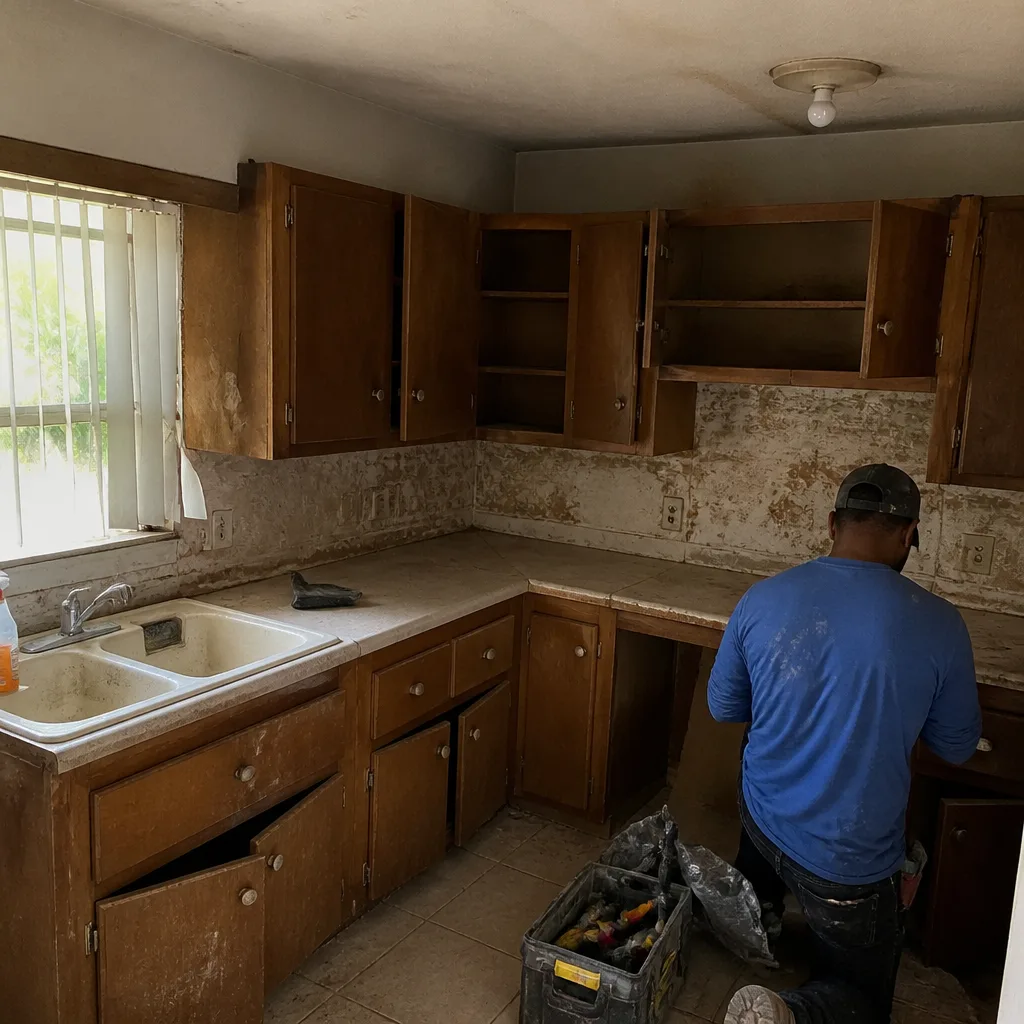 Before
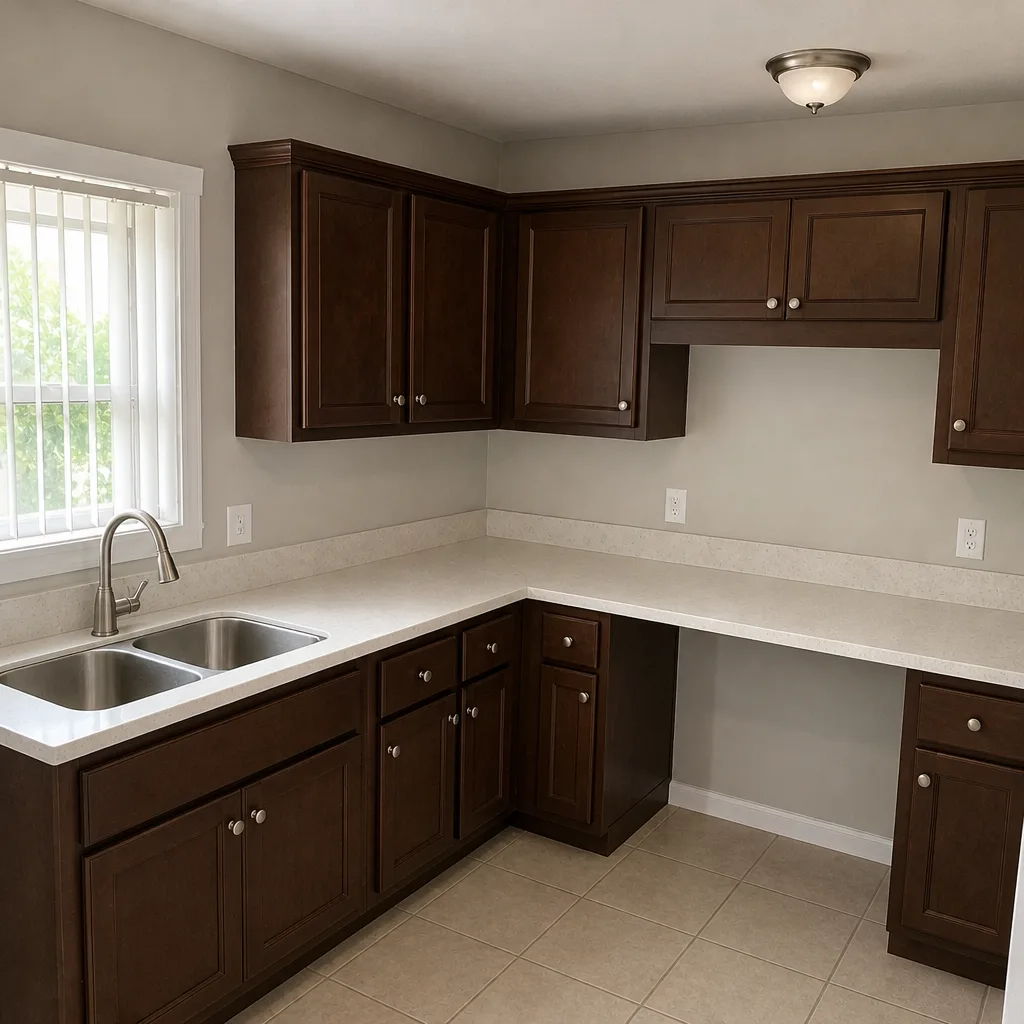 After
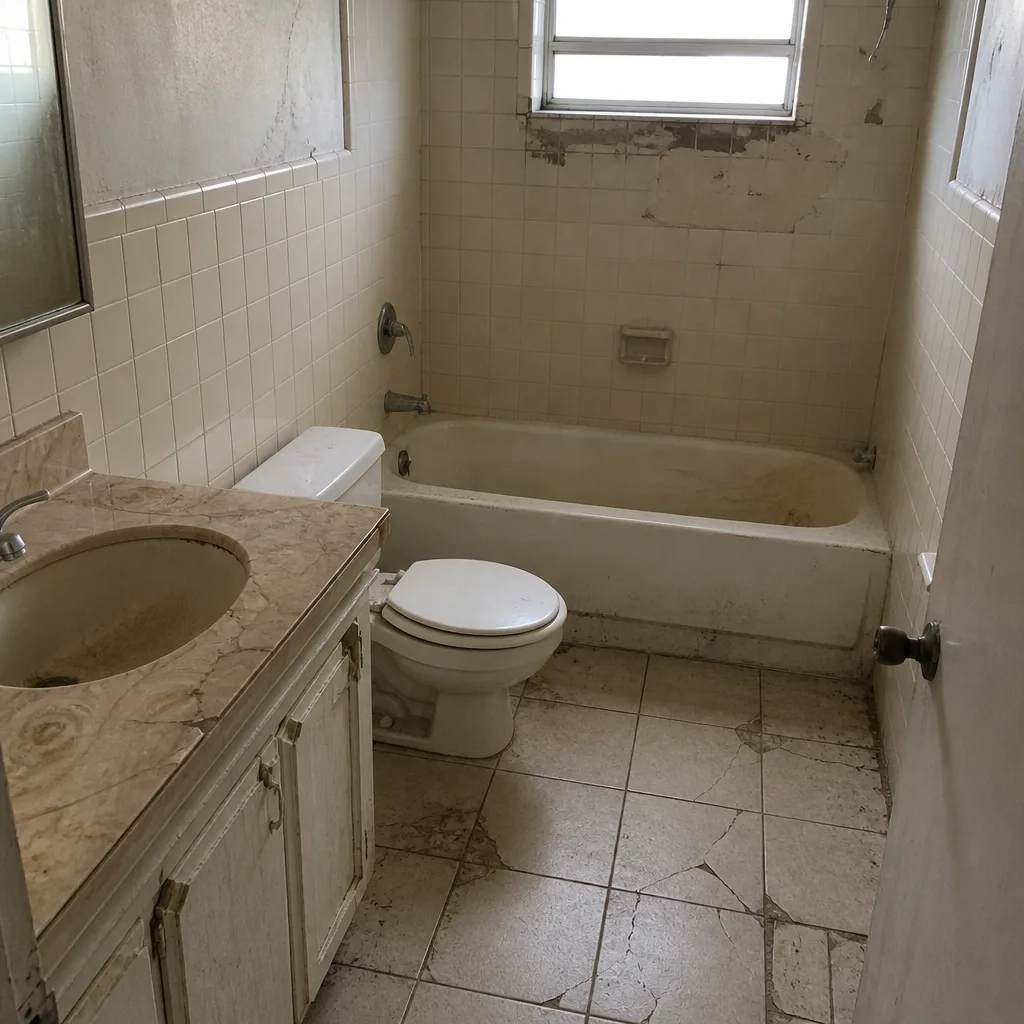 Before
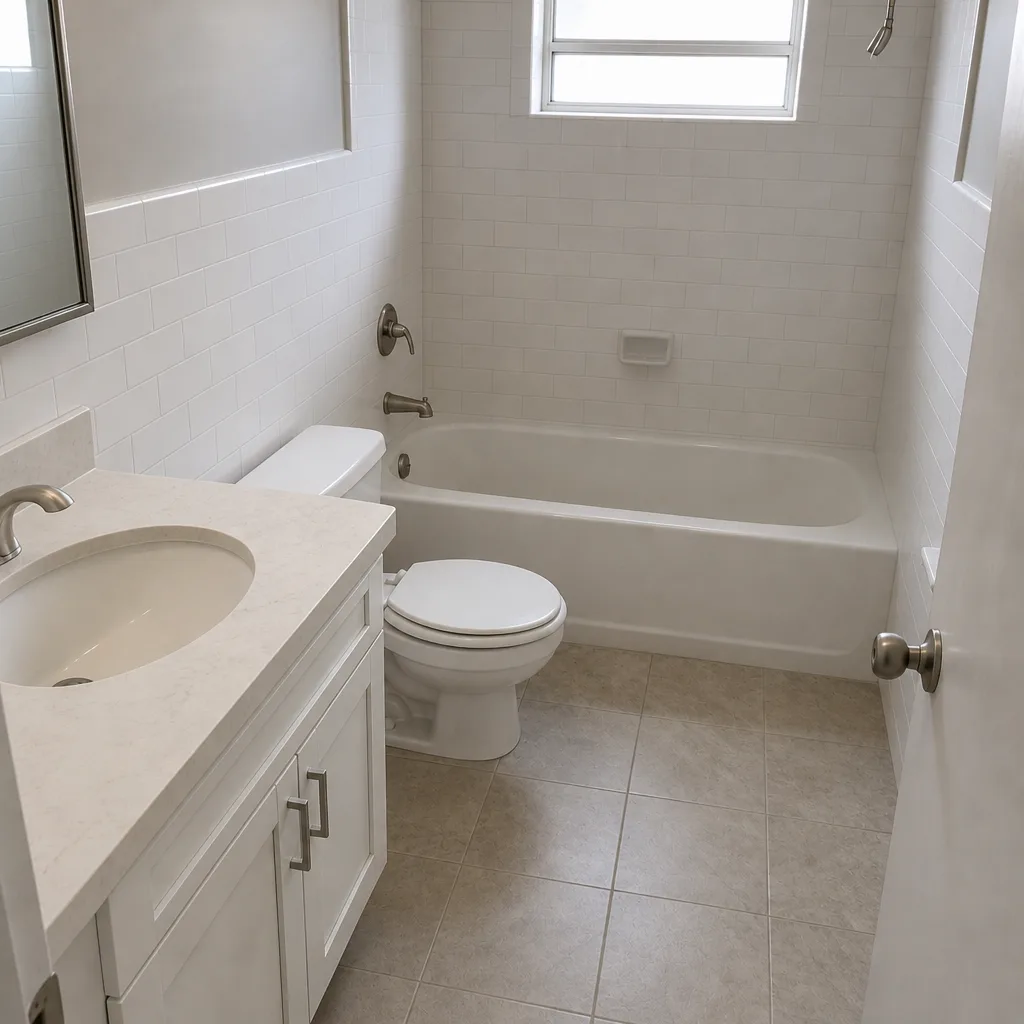 After
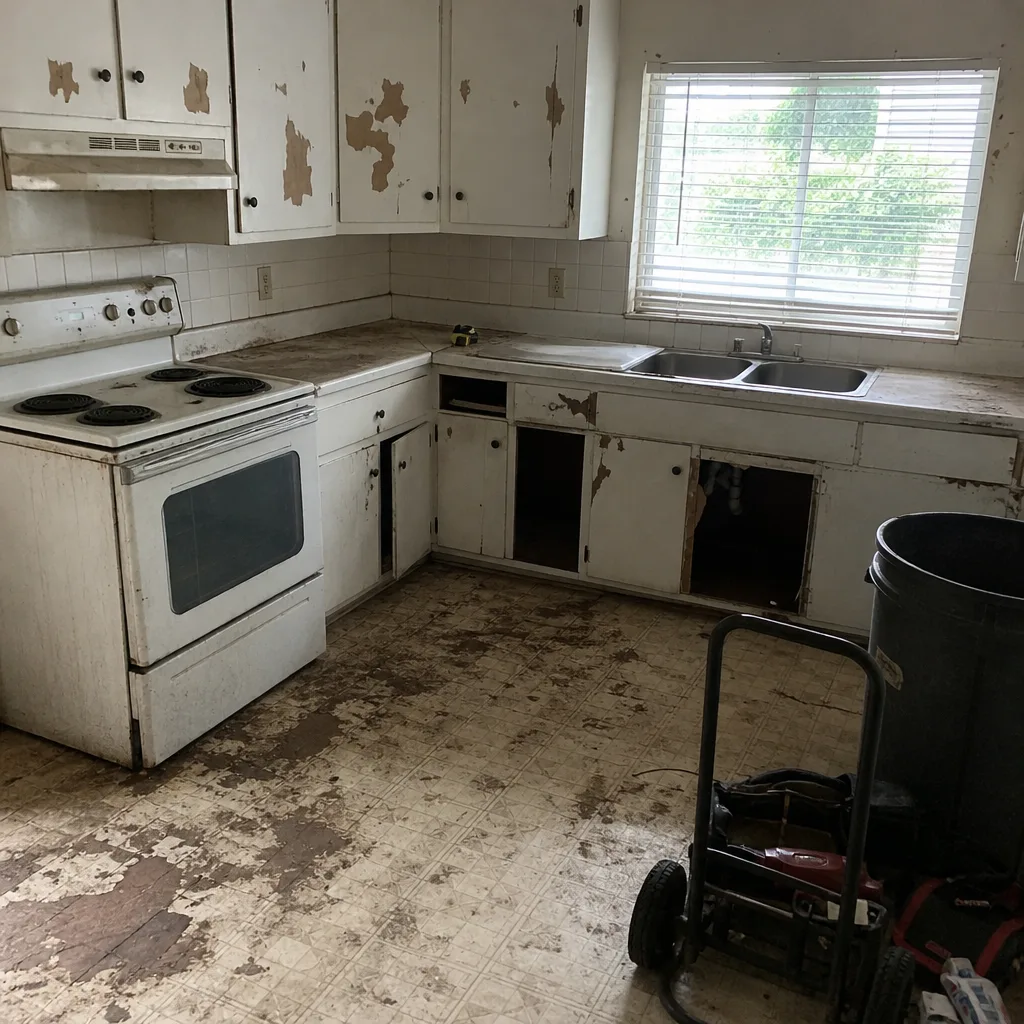 Before
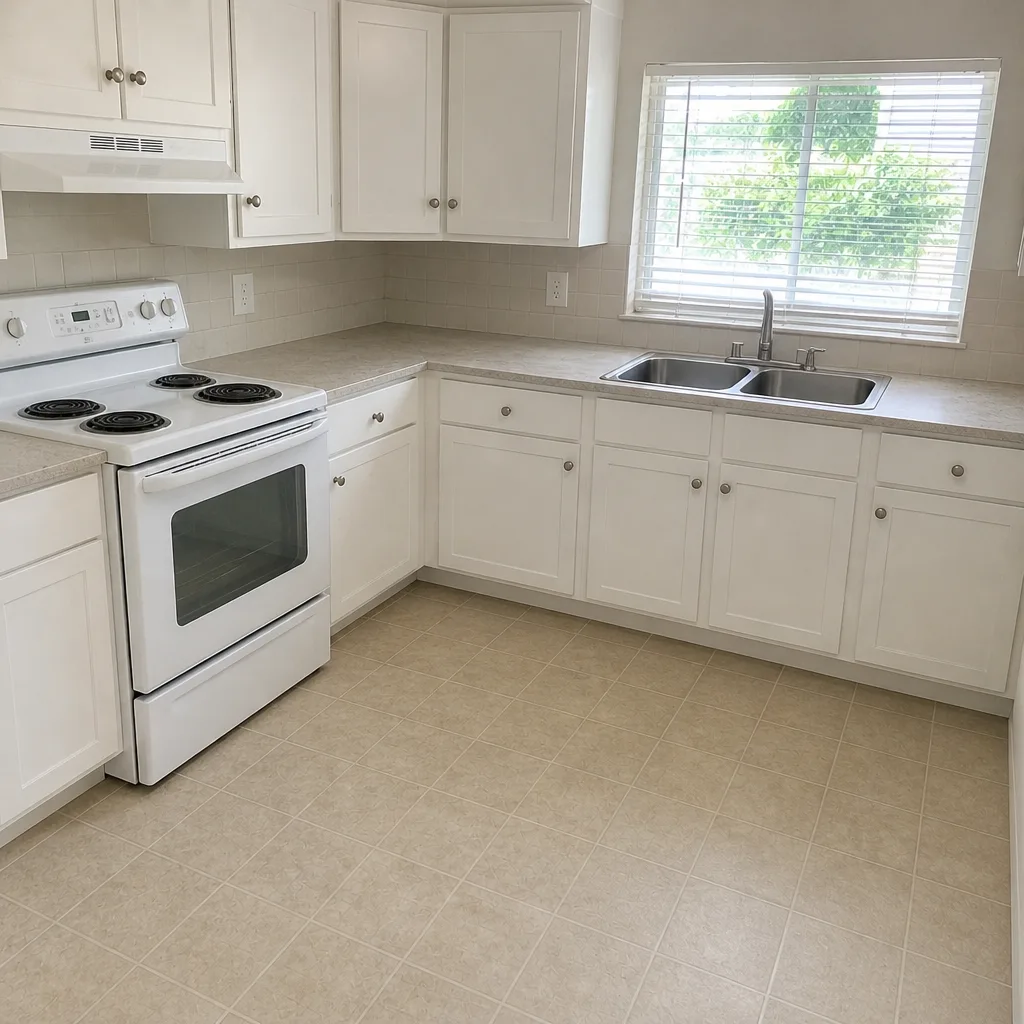 After
When to Call a Professional
Call a licensed contractor when the work touches the building envelope (windows, doors, roof, siding), when it involves electrical, plumbing, or gas, when it changes the footprint of the home, when the product needs a NOA, or when the permit requires a licensed signer. Call when the job exceeds the six-foot fence or screen enclosure threshold. Call when a Miami-Dade inspection would apply. Call when the warranty on an existing product or system would void if someone other than a licensed pro did the work. Call when the sequence would take longer than a week during the rainy season.
For everything else – painting, patching, landscaping, resealing, swapping a Delta faucet or helping your kid install a new Toto toilet – go ahead and do it yourself. Save your money for the parts that need a license.
Barrett & Sons Construction Miami Gardens offers free estimates in Miami Gardens – call (844) 797-8316. Every estimate is line-item, every price change arrives in writing, and every eligible job includes the permit pulled and the inspection signed.
Frequently Asked Questions
Yes. Window replacement in Miami-Dade County requires a permit, requires an NOA-approved impact product, and requires a final inspection signed by the county. Some homeowners can pull the permit in their own name for a homestead property, but the installation itself in the HVHZ is a licensed job. If a contractor tells you the permit is optional on a window replacement, that’s a red flag.
No. Roof replacement and most structural roof repairs in Miami-Dade County require a licensed roofing contractor and a permit. The wind-borne debris requirements, tie-down specs, and secondary water barrier rules for the HVHZ don’t leave room for an unlicensed install. Even a small repair that disturbs the roof covering usually reopens the permit question.
Unpermitted work can cost you the sale or a renegotiated price. Appraisers often exclude unpermitted square footage, buyers’ inspectors flag it, and Florida carriers will refuse coverage on a roof or electrical panel without a permit on record. The typical retroactive fix means opening a permit, exposing the work for inspection, paying double permit fees, and any required corrections. On structural work, that often costs more than doing it right the first time.
Interior painting, drywall patching, trim work, cabinet hardware, faucet swaps on existing rough-in, landscaping, pressure washing, resealing tile, staining an existing fence, and fixture swaps on existing wiring all generally fall below permit thresholds. The line to watch: anything on the building envelope, anything with gas or plumbing behind a wall, and anything structural needs a permit and a licensed contractor.
It can, if the sequencing isn’t spelled out in writing. Ask the contractor to confirm in the contract which tasks you can do yourself and when, and to note that the warranty remains intact for their portion. A contractor who won’t put that in writing is telling you something. Our crews always spell out the DIY phases in writing before the job starts, so the warranty stays clean.
Do the demo, hauling, cleanup, and non-structural prep yourself on a written schedule the contractor signs off on. That work usually keeps you out of the permit drawings and off the warranty hook, and it can trim 10 to 20 percent off the labor line. Never take on plumbing, electrical, gas, or any item on the permit drawings. Those belong to the licensed crew.
The Bottom Line
In Miami Gardens, the DIY vs. hire question rarely comes down to skill. It comes down to what the code requires. Roofs, windows, doors, electrical, plumbing, gas, structural work, and anything with an impact product or an NOA requirement are licensed jobs here, and Miami-Dade inspection will catch work that would pass in most of Florida. Cosmetic interior work, landscaping, and non-structural repairs below permit thresholds are honest DIY territory. The hybrid approach – hired where the license matters, hands-on where it saves real money – is where most homeowners find the best deal.
For the licensed portions of a Miami Gardens project, we’d rather give you a line-item estimate than have you find out about the permit after the fact. Every job we take on has the permit pulled and the inspection signed before we call it done. That’s the whole point of hiring.
If you’ve got a project in front of you and you’re not sure which side of the line it falls on, call us for a free estimate. We’ll tell you straight.
Call Barrett & Sons Construction Miami Gardens at (844) 797-8316 to schedule your free estimate. Or start at the Barrett & Sons Construction Miami Gardens home page to see every service we run, including Home Additions & ADU in Miami Gardens for the projects that need a permit and a licensed crew from day one.
Written by the team at Barrett & Sons Construction Miami Gardens.