
Last updated November 17, 2026
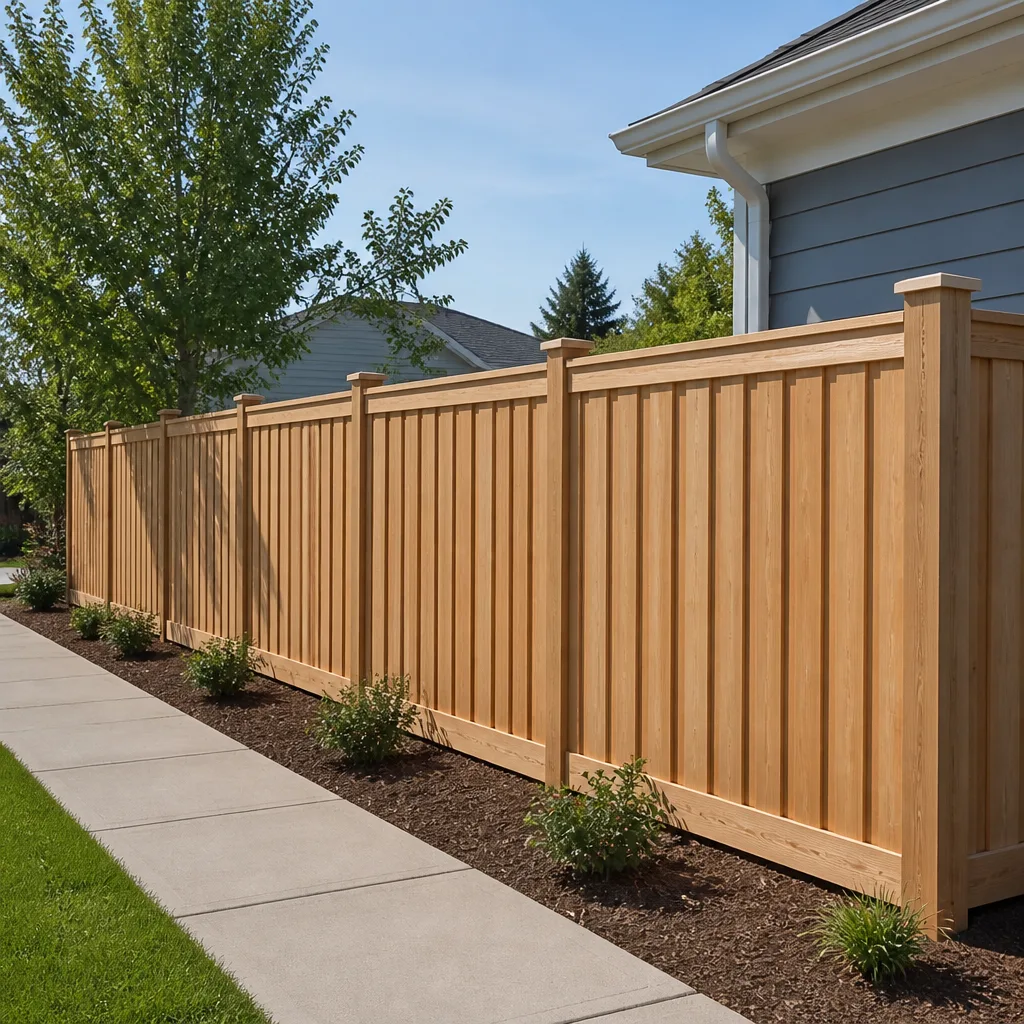 Fence
 Kitchen remodeling
 Bathroom remodeling
 Home additions & ADU
 Roofing
 Windows & doors
 Driveway & pavers
Free written scope consultation - allowances, timeline, and change-order rules on paper before a single trade is scheduled
DIY vs Professional Fence Installation: What’s Safe to Do Yourself
The part of fence installation that’s hardest to DIY in Miami Gardens isn’t the digging or the mixing. It’s knowing whether your planned fence even needs a permit, and the answer changes depending on your lot, your material, and your height, sometimes within the same neighborhood. On a flat lot with no buried lines, no HOA, and two strong friends, a homeowner can genuinely build a good fence. But Miami-Dade adds permit triggers, High Velocity Hurricane Zone wind specs, buried irrigation, and HOA review to the job, and any one of those can turn a weekend project into a month of rework. This guide tells you honestly where the line is, task by task.
Quick Answer
A basic fence is safe to DIY if it’s short, on a flat lot, away from buried utilities and property lines, and doesn’t trigger a permit or HOA review. In Miami Gardens, anything over roughly 6 feet, anything set on or near a property line, and most solid or masonry fences will need a Miami-Dade permit and wind-rated construction. Post-setting to HVHZ depth and concrete spec is the hardest part to get right, and an undersized post is where DIY fences fail their first real storm.
Styles & brands we work with
- Kitchen remodeling
- Bathroom remodeling
- Home additions & ADU
- Roofing
- Windows & doors
- Driveway & pavers
- Fence
Table of Contents
- When does Miami-Dade require a fence permit?
- Which fence tasks are genuinely safe to DIY?
- Why post-setting in an HVHZ zone is harder than YouTube makes it look
- Your pre-dig checklist: utilities, survey pins, and HOA
- What a professional fence quote should itemize
- DIY vs professional cost in Miami Gardens
- Common mistakes to avoid
- When to call a professional
When Does Miami-Dade Require a Fence Permit?
Miami-Dade County requires a fence permit when the fence is over a certain height, built on or near a property line, made of masonry or solid panels, or located in a flood or wind zone where wind-rated construction applies. In practice for a Miami Gardens homeowner, that means the typical 6-foot privacy fence on a side or rear lot line is a permitted job. A short decorative border fence in the middle of a yard usually isn’t.
Height is the trigger most people miss. A fence under about 4 feet in a front yard or under 6 feet in a rear yard often sits below the permit threshold, but the moment you go taller, especially on a corner lot where sight lines matter, the county wants a drawing, a wind-load calculation, and an inspection. Corner lots near Northwest 199th Street and the roads feeding Hard Rock Stadium deal with sight-line rules that a standard rear-lot fence doesn’t.
The material matters too. A wood or vinyl panel fence builds wind load differently than a chain-link or aluminum picket fence, and masonry walls have their own foundation and inspection requirements. If your fence is in the High Velocity Hurricane Zone designation that covers Miami Gardens, the specs for post spacing and embedment tighten up. Getting this wrong doesn’t just fail inspection; it can leave you with a fence that gusts apart the first time a tropical system brushes past.
What actually triggers a permit
- Height: typically anything above 6 feet, or above front-yard limits
- Location: on or within the setback of a property line
- Material: masonry, solid panels, and heavy gates
- Zone: any fence in an HVHZ or flood zone with wind-rating requirements
- HOA or community development district: separate review on top of the county
The permit inspector works for you, not for us. A signed inspection on a fence is proof the posts went in at the right depth and the panels are anchored to code. Skip it and you own the risk.
Which Fence Tasks Are Genuinely Safe to DIY?
Plenty of fence work is within reach for a careful homeowner. Setting stakes and running a string line to check layout, pulling old panels and posts out of the ground, clearing brush along a fenceline, and painting or staining a new fence are all reasonable projects. So is installing a lightweight gate on an existing fence, provided the posts are sound. If the posts are already in and inspected, you’re mostly doing finish work.
The physical part of fence building isn’t where DIYers get hurt. Digging 30 to 40 post holes by hand in Miami Gardens’ rocky fill and coral-adjacent soil in July heat is exhausting and takes longer than a video suggests, but it’s not dangerous. The risky part is the structural call: how deep the post goes, how much concrete, what gauge post, and what wind rating the panel needs. Those are the decisions where an amateur guess creates a fence that passes a visual check and then fails a wind event.
Safe to handle yourself
- Laying out the fenceline and setting stakes
- Removing an old fence and hauling debris
- Clearing brush and roots along the line
- Staining, sealing, and painting a fence that’s already up
- Hanging a light gate on sound posts
Better left to a crew
- Setting posts to HVHZ embedment depth and concrete spec
- Masonry and solid-panel fence construction
- Anything that touches the property line or a survey
- Fences tall enough to require an engineered drawing
- Work near buried utilities or irrigation main lines
If you’re weighing a broader yard project, our team handles Driveway & Pavers in Miami Gardens alongside fences, and the same pre-dig planning applies to both.
Why Post-Setting in an HVHZ Zone Is Harder Than YouTube Makes It Look
The High Velocity Hurricane Zone designation covering Miami Gardens changes how a post has to be set. HVHZ construction follows stricter wind-load rules than the rest of Florida, and for a fence that means tighter post spacing, deeper embedment, and a specific concrete mix and volume. A national video showing a bag of quick-set and a 2-foot hole is not an HVHZ spec, and following it is how fences go down in the first strong storm.
What happens to an undersized post in a hurricane is not subtle. A 4×4 post set 18 inches deep in sandy fill will lean and pull free under sustained wind load on a 6-foot solid panel. Once one post pulls, the panels it holds lose tension and the run fails like a zipper. On a masonry or solid-panel fence, the failure mode is a whole section going over, which is a hazard to whatever is on the other side.
What the HVHZ spec demands that a video won’t
- Post embedment set to the engineered depth for the fence height and material, not a guessed 18 inches.
- Concrete specified by mix and volume, not a partial bag topped with soil.
- Post spacing matched to the panel wind load for the exposure.
- Anchorage and fasteners rated for the zone, not the general-purpose hardware from the big box aisle.
- A signed inspection confirming the post work matches the drawing.
Our crew members have up to 28 years of experience setting posts to Miami-Dade spec, and they’ll tell you plainly: this is the part of the job where a shortcut costs the most to untangle. If you’re also planning to extend a structure, our Home Additions & ADU in Miami Gardens page covers the permit side of that work in the same county system.
Your Pre-Dig Checklist: Utilities, Survey Pins, and HOA
Run this checklist before you buy a single bag of concrete. A weekend spent digging is the worst thing to lose to a buried line or a survey dispute, and every item here is something that stops a DIY fence cold if you skip it.
- Call 811 for a free utility locate. Water, electric, gas, and fiber all run through residential lots. Wait for the marks to dry before you dig. Damage to a buried line isn’t just a repair bill; it can be a safety event.
- Find your survey pins. Your property corners are marked with pins or monuments. If you can’t find them, a boundary survey is worth every dollar before you set a single post. Building over a property line is an expensive mistake to reverse.
- Map buried irrigation and pool lines. Miami Gardens lots often have irrigation mains and pool plumbing that a locate service won’t mark. Walk the yard and check where you or the previous owner ran lines.
- Read your HOA or deed restrictions. Community associations often restrict height, material, color, and fence style, and approval can take weeks. Get it in writing before you dig.
- Confirm the county permit requirement. Check height, lot-line proximity, material, and wind zone to know whether you need a drawing and inspection.
Once those five are cleared, you know exactly what you’re building and where. That’s the point where a DIY plan becomes realistic.
What a Professional Fence Quote Should Itemize
A real fence quote lets you compare honestly against your own DIY cost, so it has to list more than a bottom line. The quote should show the fence height and material, post count and spacing, concrete spec, permit fees, haul-away, and any gate or hardware, line by line. If a contractor hands you one number on the phone and a different bill at the door, walk.
Every Barrett & Sons quote itemizes the same way, and any price change arrives as a written change order before work happens. An allowance that isn’t on paper is a surprise waiting for a date. That’s why we put scope, allowances, and change orders in writing, every time.
The lines a fence quote should include
- Fence height, material, and finish
- Post count, spacing, embedment depth, and concrete spec
- Gate type, hardware, and swing direction
- Permit fees and inspection responsibility
- Old-fence removal and debris haul-away
- Any line-item change orders in writing before work starts
- Written workmanship warranty, in this case our 90-Day Done Right Promise
Ask for the itemized quote in writing and compare it to your own list: materials, tool rental, permit fees, hauling, and your weekend. Most homeowners find the gap is smaller than they expected once the hidden costs are on paper.
DIY vs Professional Cost in Miami Gardens
The DIY number looks cheaper until you add tool rental, permit fees, concrete, and the value of your own time. Here’s a realistic line-item comparison for a typical 100-foot, 6-foot wood privacy fence on a permitted lot in Miami Gardens.
| Item | DIY (rough range) | Professional (rough range) |
|---|---|---|
| Materials (posts, panels, rails, hardware) | $1,800 to $3,200 | Included in quote |
| Concrete and gravel | $150 to $300 | Included in quote |
| Tool rental (auger, mixer, trailer) | $150 to $400 | Included in quote |
| Permit fee | Paid by you | Listed line item |
| Haul-away of old fence | $100 to $300 | Listed line item |
| Labor | Your time | Listed line item |
| Installation total (all-in) | $2,200 to $4,200 | Varies by spec, itemized in writing |
Those figures are rough. The line that matters is the one nobody writes down: the cost of a post-work redo if the fence fails inspection or the first storm. That’s the gap a professional install closes. If you want the itemized version for your lot, our Fence Installation in Miami Gardens page explains how we scope a job.
Common Mistakes to Avoid
- Skipping the utility locate. A weekend of digging cut short by a buried irrigation or gas line is a repair bill and a delay you can’t get back. Call 811 first, every time.
- Setting posts too shallow for the HVHZ spec. An 18-inch hole in Miami Gardens’ sandy fill won’t hold a 6-foot panel through a storm. Match embedment to the engineered depth for your fence height.
- Guessing at the property line. A fence built a foot over the line creates a boundary dispute that’s expensive to fix. Find the survey pins or pay for a survey before you set posts.
- Ignoring HOA approval until after install. Some Miami Gardens communities require a specific fence height, material, and color, and can make you tear down work that doesn’t match. Get written approval first.
- Using general-purpose fasteners on a wind-rated fence. The hardware has to be rated for the zone. Standard deck screws on a solid panel are a failure waiting for a gust.
- Skipping the permit to save time. An unpermitted fence can stall a home sale and leave you carrying the risk. The inspector is on your side.
- Comparing quotes by bottom line only. A one-number quote hides scope, allowances, and change-order risk. Ask for every line in writing so the comparison is real.
When to Call a Professional
Call a professional if your fence is over the permit height, touches a property line, is masonry or solid panel, sits in an HVHZ wind zone, or touches a fence with a gate that has to hold up. Call if you’ve never set a post to a concrete spec, if you can’t find your survey pins, or if your HOA approval process is still open. Each of those is a place where a DIY install can go sideways in a way that costs far more to untangle than it saved. Barrett & Sons Construction Miami Gardens offers free estimates in Miami Gardens; call (844) 797-8316 and we’ll tell you honestly which parts are worth doing yourself and which aren’t. Every eligible job includes permits pulled and inspections signed, and every completed job is backed by our written 90-Day Done Right Promise.
See the difference
 Before
 After
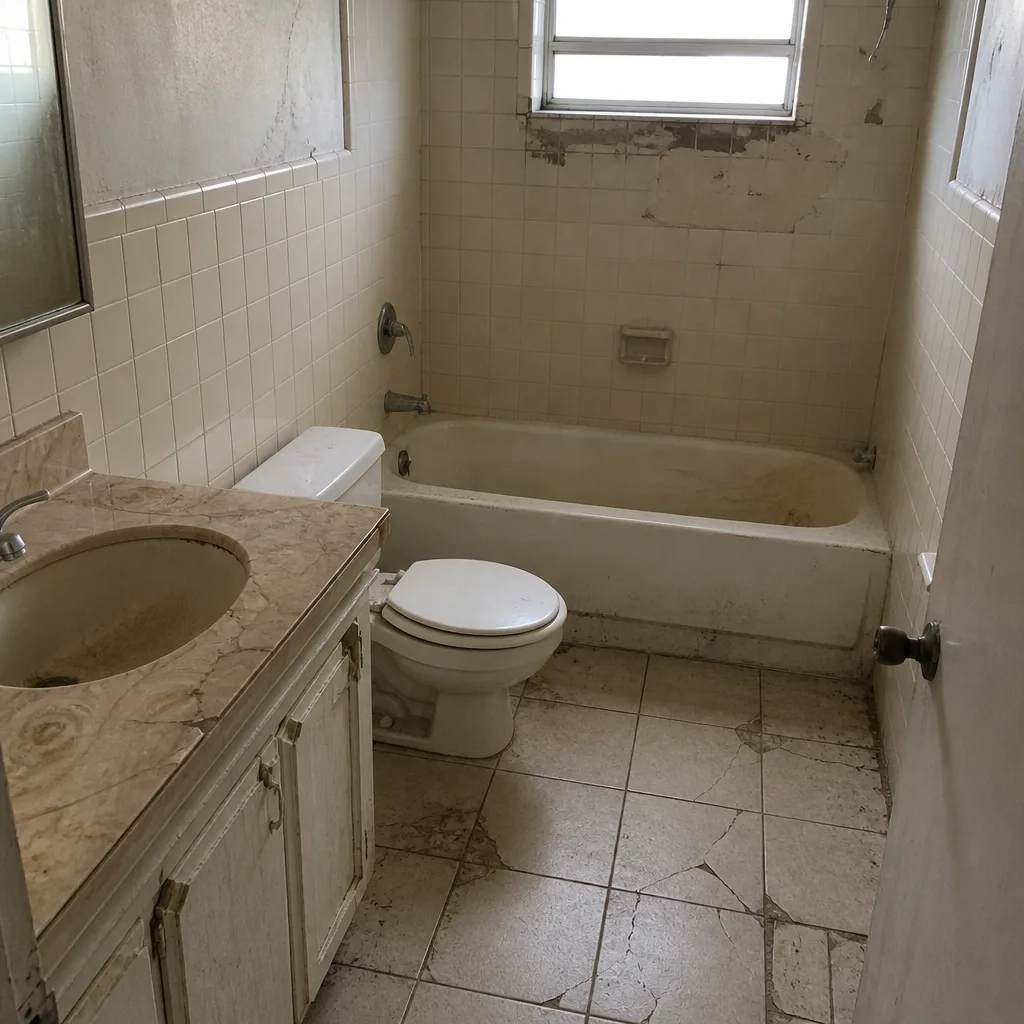 Before
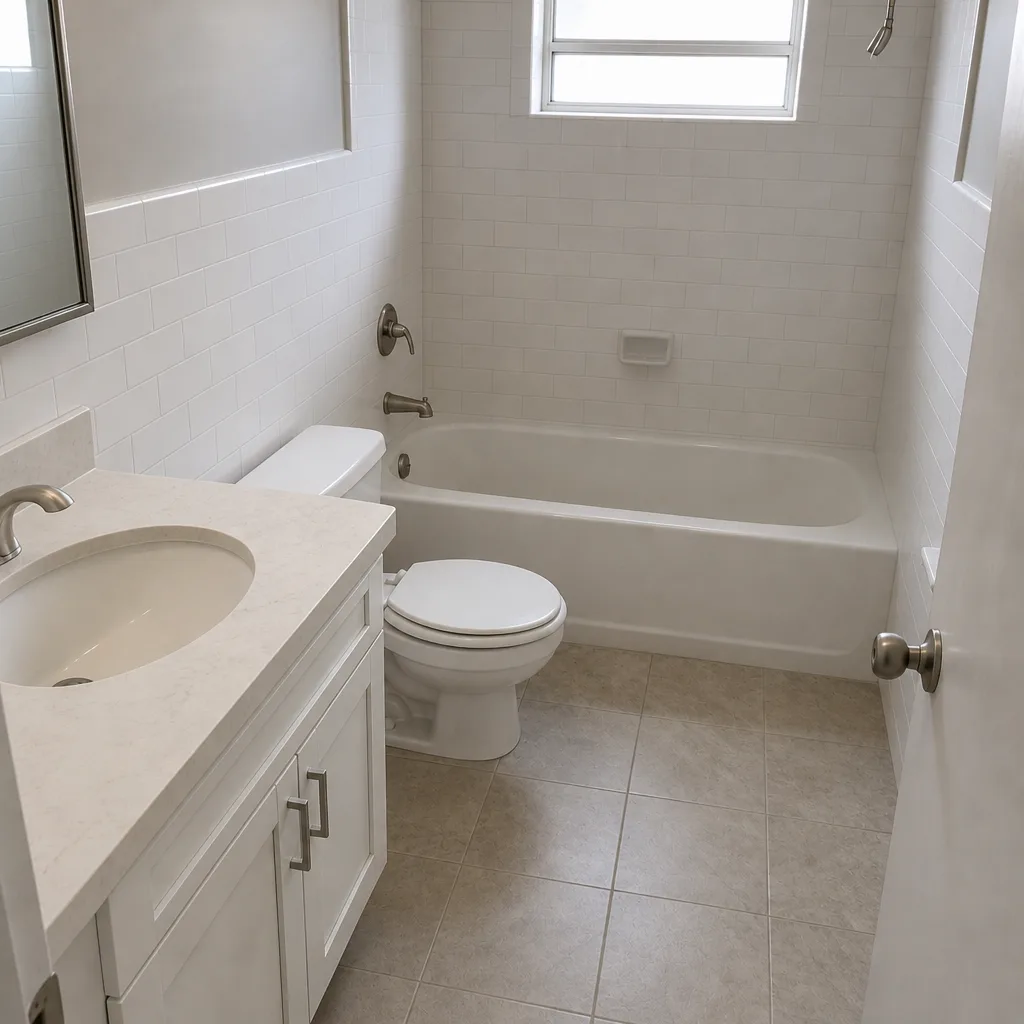 After
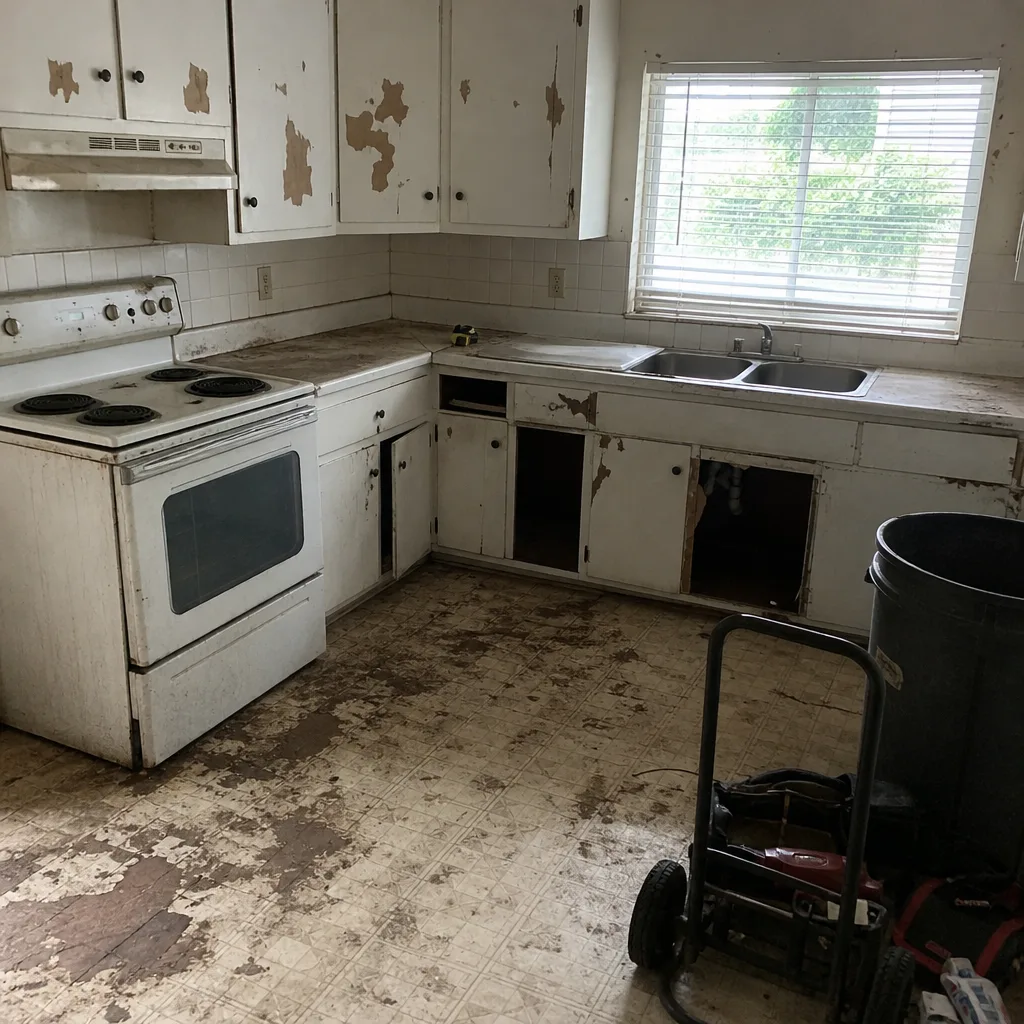 Before
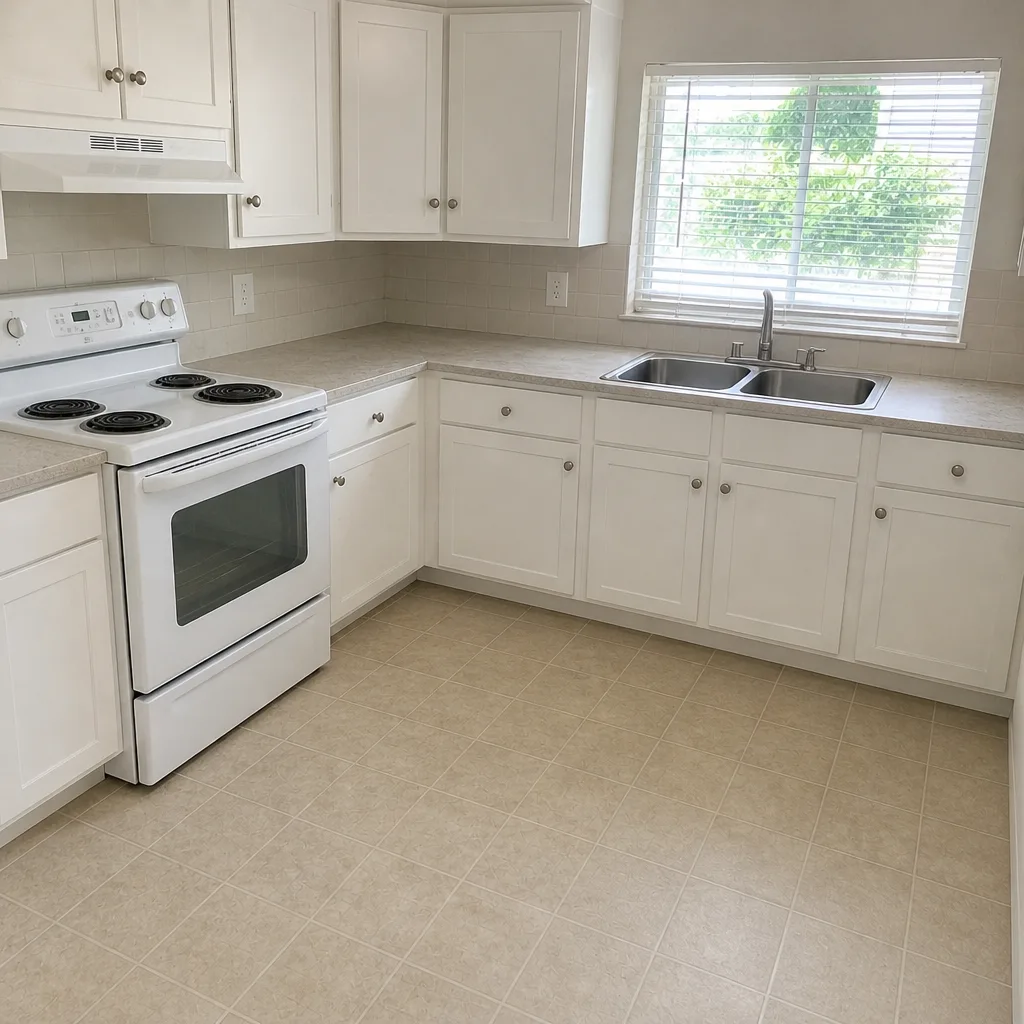 After
Frequently Asked Questions
Usually yes if the fence is over about 6 feet, sits on or near a property line, is masonry or solid panel, or falls in an HVHZ wind zone. Shorter decorative fences in the middle of a yard often don’t require one. Call (844) 797-8316 for a free estimate and we’ll walk your specific lot through the permit triggers.
You can if the fence is short, on a flat lot, clear of utilities and lot lines, and doesn’t trigger a permit or HOA review. Anything taller or on a lot line needs an engineered drawing and HVHZ post spec, which is where DIY usually fails. Call (844) 797-8316 for a free estimate on the parts you shouldn’t do yourself.
Post embedment in an HVHZ zone is set by the wind-load spec for your fence height and material, not a standard one-size depth. Undersized posts pull free under sustained wind on a solid panel and the whole run fails. We set posts to Miami-Dade spec and pass the inspection. Call (844) 797-8316 for an itemized quote.
DIY usually saves the labor line but adds tool rental, concrete, permit fees, and haul-away, so the real gap is often smaller than it looks. A failed inspection or storm-damaged post work erases the savings fast. Ask for a written itemized quote and compare every line. Call (844) 797-8316 for a free estimate.
Call 811 for a utility locate, find your survey pins or get a survey, map buried irrigation and pool lines, get HOA approval in writing, and confirm the county permit requirement for your height and material. Clear those five and your plan is realistic. Call (844) 797-8316 for a free estimate to check your lot before you dig.
It should. A real quote lists fence height and material, post count, spacing, concrete spec, permit fees, haul-away, and gate hardware, line by line. Ask for it in writing and compare against your own cost list. Barrett & Sons issues any price change as a written change order before work starts. Call (844) 797-8316 for your free estimate.
The Bottom Line
A short decorative fence on a clear, flat lot is a fair DIY project. A permitted, HVHZ-compliant, lot-line fence in Miami Gardens is not, and the line between the two is drawn by height, location, material, and wind zone, not by how handy you are. Run the pre-dig checklist, call 811, find your pins, get HOA approval in writing, and know what your permit requires. If your fence crosses into any of those triggers, compare an itemized professional quote against your real DIY cost before you pick up a shovel. That’s the honest answer.
Barrett & Sons Construction Miami Gardens has served local communities for over 29 years, and our aim on every fence job is simple: scope in writing, allowances in writing, change orders in writing. If it’s not done right, one call brings Tom back to make it right. Start at our Barrett & Sons Construction Miami Gardens home page to see everything we handle. Call (844) 797-8316 to schedule your free estimate.
Written by the team at Barrett & Sons Construction Miami Gardens.