
Last updated November 17, 2026
 Windows & doors
 Kitchen remodeling
 Bathroom remodeling
 Home additions & ADU
 Roofing
 Driveway & pavers
 Fence
Free written scope consultation - allowances, timeline, and change-order rules on paper before a single trade is scheduled
The Complete Windows & Doors Guide for Miami Gardens Homeowners
Miami-Dade County has the strictest window and door code in the United States. It goes further than the Florida Building Code baseline, which means a product that’s perfectly legal in Broward County can fail inspection the moment it crosses the line into Miami Gardens. That single fact reshapes everything about how you shop. In this guide we’ll walk through what the Notice of Acceptance system is and why it’s non-negotiable, how impact windows compare to hurricane film and storm shutters, how to read a product label for impact rating, U-factor, and SHGC, which upgrades actually earn you a documented insurance discount, and what a real upgrade looks like from permit to inspection in Miami Gardens.
Quick Answer
Every window and door installed in Miami Gardens must carry a valid Miami-Dade Notice of Acceptance (NOA) and be installed to that specific approval, or it will fail inspection and can leave your homeowners policy exposed. Impact-rated products are the standard, not the upgrade, in this county. Price ranges vary widely by size, material, and opening count, so treating any phone quote as final before a written scope is the most common mistake we see.
Styles & brands we work with
- Kitchen remodeling
- Bathroom remodeling
- Home additions & ADU
- Roofing
- Windows & doors
- Driveway & pavers
- Fence
Table of Contents
- What the Miami-Dade NOA Is and Why It Matters
- Impact Windows vs. Hurricane Film vs. Storm Shutters
- How to Read a Window Product Label
- The Insurance Angle: Which Upgrades Earn a Discount
- Three Common Miami Gardens Upgrade Scenarios
- The Permit-to-Inspection Process, Step by Step
- What Affects Cost in Miami Gardens
- Common Mistakes to Avoid
- When to Call a Professional
- Frequently Asked Questions
What the Miami-Dade NOA Is and Why It Matters
A Miami-Dade Notice of Acceptance is a formal approval document issued by the county for a specific window or door product, manufactured to a specific design, tested to specific pressures. It is not a general product claim. It is a document tied to a model number, a testing lab, and a set of design pressures that match what the Florida Building Code requires in the wind-borne debris region. Miami Gardens sits entirely inside that high-velocity hurricane zone, so nearly every opening in your home is subject to NOA rules.
What this means in practice is that a window being “impact rated” isn’t enough. The specific model has to have an active NOA, and it has to be installed to the conditions listed on that document. Frame anchorage, fastener spacing, sill pan flashing, and sealant schedules are all spelled out. An inspector checking a Miami Gardens installation looks at the label, then checks it against the NOA, then reviews the anchoring against the installation instructions.
- The NOA number is printed on the product label and on the installation instructions shipped with the unit.
- Your permit application lists the NOA for every opening in the scope.
- The final inspection checks the label against the NOA and the anchoring against the instructions.
- A substitute product installed where a different NOA was permitted fails, even if it’s “just as good.”
Why this is non-negotiable: an opening that fails inspection can force a removal and reinstall. And a window installed without an approved NOA can become a coverage question with your carrier after a storm. In a market where a blown-out window during a tropical system is the difference between a nuisance claim and a total loss, the NOA is the closest thing you have to a legal promise that the product will hold.
Impact Windows vs. Hurricane Film vs. Storm Shutters
The three options get lumped together in conversation, but they protect against different things. Impact windows and doors are built with laminated glass, a reinforced frame, and a tested anchoring system. They’re engineered to resist a 9-pound impact from a 2×4 in the county’s missile test and to stay in the opening under positive and negative design pressure. Hurricane film is a retrofit applied to existing glass. It holds broken glass together, but it does not reinforce the frame, the anchoring, or the opening itself.
Storm shutters are a separate solution. They protect the opening from the outside and are typically deployed system-wide before a storm. They’re proven and effective. They’re also storage-heavy, deployment-heavy, and require someone physically strong on site to install them ahead of a landfall. For older Miami Gardens homeowners, deploying panels from a garage in the dark is a real safety concern, and that’s one reason we see so many single-family replacements in neighborhoods like Andover, Norland, and Scott Lake moving from shutters toward impact products.
- Impact windows and doors: Permanent protection. Tested for wind-borne debris. Meets NOA. Typically recognized by insurance carriers as a hardening upgrade.
- Hurricane film: Holds broken glass together. Does not reinforce the frame or anchoring. Does not satisfy the county’s opening protection requirement on its own.
- Storm shutters: Effective opening protection when properly anchored and deployed. Requires storage and pre-storm deployment. Some carriers recognize the panel rating; check with yours.
If your carrier requires “opening protection,” ask which of the three it recognizes for your specific policy and whether accreditations need to be filed with the carrier or a third-party inspection service. The gap between what’s “code-friendly” and what’s “insurance-friendly” is real, and it’s exactly what most homeowners miss.
How to Read a Window Product Label
Every window and door sold in Miami-Dade carries a label. Learn to read the label and you’ll know more than most of the people quoting you. Three numbers matter most in South Florida’s climate, and each one is a different question.
- Impact rating / design pressure (DP). Look for the DP rating and the NOA number. DP is the pressure the unit is tested to, in pounds per square foot. In Miami Gardens, DP ratings in the +50/-50 range and up are typical for residential replacement. The higher the DP, the more strength in the frame and glass assembly.
- U-factor. This measures how fast heat passes through the assembly. Lower is better. In Miami-Dade’s climate, a U-factor of 0.40 or below for windows is a reasonable target, though the exact threshold your energy code or carrier requires depends on the product type and your home’s orientation.
- SHGC (Solar Heat Gain Coefficient). This measures how much solar heat the window lets in. In Miami Gardens, lower is better for cooling bills, but not so low that you sacrifice daylight. A SHGC in the 0.23 to 0.27 range is common in the impact products we see installed locally, though the code minimum varies by glazing area and orientation.
You’ll also see a Air Leakage (AL) number and a Visible Transmittance (VT) number on some labels. AL should be low (0.3 or below). VT tells you how much light comes through. The label is your evidence. If a quote doesn’t tell you which model, which NOA, which DP rating, and which U-factor and SHGC, you’re shopping on color samples, not on product.
The Insurance Angle: Which Upgrades Earn a Discount
Impact-rated window and door replacements are one of the few home upgrades that can generate a documented insurance discount in Florida. The mechanics matter, and most homeowners never collect on them because they don’t file correctly. Here’s the version that works.
- Confirm with your carrier – in writing – which specific products or accreditations it recognizes. Ask for the discount schedule before you buy, not after.
- Save the product labels and the NOA numbers for every opening installed.
- Save the signed-off permit and final inspection documentation. These are the paper trail an underwriter wants.
- After installation, ask the installer for a completed wind mitigation form (OIR-B1-1802) that lists the products and install details.
- Submit the form and the proof to your carrier. Many carriers also accept a third-party inspection report, which is a short, paid inspection by a qualified inspector who documents the openings.
- Confirm the discount appears on your next renewal, and re-submit on renewal if it drops off. Discounts get lost in carrier transitions more often than you’d think.
The savings are real, but the amount depends on your carrier, your home’s other features, and what changes in the policy. We don’t quote insurance numbers here because they shift. What doesn’t shift: getting the paperwork right at install time is the difference between collecting and not. If you’re also weighing other upgrades at the same time, our guide to Barrett & Sons Construction Miami Gardens home covers the full menu of what we handle under one roof, permits and all.
Three Common Miami Gardens Upgrade Scenarios
Single-pane aluminum to impact glass
Most homes built in Miami Gardens from the 1960s through the 1980s still carry single-pane aluminum sliders. They’re fine in light weather and terrible in a storm. Replacing them means measuring the rough opening, confirming the wall structure can accept a new frame (block, wood stud, or masonry veneer all differ), selecting a NOA-approved impact replacement or new-construction unit, and installing to the NOA’s anchoring schedule. The permit is pulled by the installer, the opening is inspected after installation, and the label check happens at that inspection. This is the largest single-day count of openings, and the upgrade that most directly affects both insurance and comfort in South Florida’s summer heat.
Sliding glass door replacement
Sliding doors are the hardest opening in a Miami Gardens home. They’re large, they’re used constantly, and the track carries the weight of the panel. A NOA-approved impact slider with stainless rollers and a reinforced head jamb handles the wind loads and the daily use. The tricky part on this upgrade is the sill. Getting sill pan flashing and waterproofing right at the threshold is what keeps water from wicking into the wall assembly. A sliding door is also the most likely place your insurance carrier will want to see label documentation, because it’s a big opening.
Front door entry system replacement
A front door looks like the easiest opening left, but in Miami Gardens it’s often the most code-sensitive. The reference for impact-rated doors is the assembly, not just the slab. You need an approved door system – jamb, hinges, and hardware that pass NOA – which is why some “impact door” upgrades fail inspection after hanging. Hardware matters too. If you’re upgrading to a premium entry system, brands like Sterling and Grohe offer hardware that holds up over years of salt air and humidity. Our crew members with up to 28 years of experience have seen which brands hold up in the local climate and which ones look good for the first year and go stiff by year three.
The Permit-to-Inspection Process, Step by Step
Here’s what a windows and doors job in Miami Gardens actually involves from start to finish. If your contractor skips any of these steps, that’s a signal worth paying attention to.
- Measurement and scope. Every opening is measured, the existing wall construction is confirmed, and the product is selected. A written scope with all openings listed and each product model matches the NOA you’re installing.
- Permit application. The application lists each opening, its NOA, and the installation details. Miami Gardens pulls permits through Miami-Dade County. Submittals that don’t list a valid NOA get rejected.
- Product ordering. Lead times vary. Impact products from a premium manufacturer generally run weeks, not days, and the installer needs the NOA in hand before delivery.
- Installation. Frame anchorage, fastener spacing, flashing, and sealant are installed to the NOA. This is where most installation quality lives or dies.
- Inspection. The county inspector checks the label against the NOA and the anchoring against the install instructions. Any mismatch is a fail.
- Closeout. Permit is closed, you receive the inspection documentation, and the wind mitigation form is prepared for your carrier.
The permit inspector works for you, not for us. That’s why we like the inspection: it’s the third-party confirmation that the product is what we said it was and the installation is what we said it was. On every eligible job we handle in Miami Gardens, permits are pulled and inspections are signed. If you want to compare this process to what a full Home Additions & ADU in Miami Gardens looks like – where the window and door scope gets folded into a larger permit – that page walks through it.
What Affects Cost in Miami Gardens
There’s no honest single number for a window or door replacement, but there are honest factors. Here are the ones that move the price most in this market.
- Opening size and count. More openings means more material, more labor, and a longer inspection. A whole-house replacement on a 3-bedroom Miami Gardens home is a very different job from two windows.
- Product tier. Premium impact brands with laminated glass, upgraded frames, and finished hardware sit at a higher price than entry impact products.
- Wall construction. Block, wood-frame, and masonry veneer each require different anchoring and different labor.
- Flashing and waterproofing. Skipping this saves money now and costs far more later. It’s part of every scope we write.
- Sliding door or front door. Both demand more installation time and more hardware attention than a fixed window.
- Permit and inspection fees. These are line items, not overhead. They belong in the quote in writing.
Every scope, every allowance, and every price change we quote arrives as a written change order before work happens. That’s the single biggest protection a homeowner has against the quote-on-the-phone / bill-at-the-door scenario so many customers describe. If you’re looking at the outside of the house at the same time, our Driveway & Pavers in Miami Gardens and Fence Installation in Miami Gardens pages cover how those scopes get sequenced with window and door work so the permit timelines don’t fight each other.
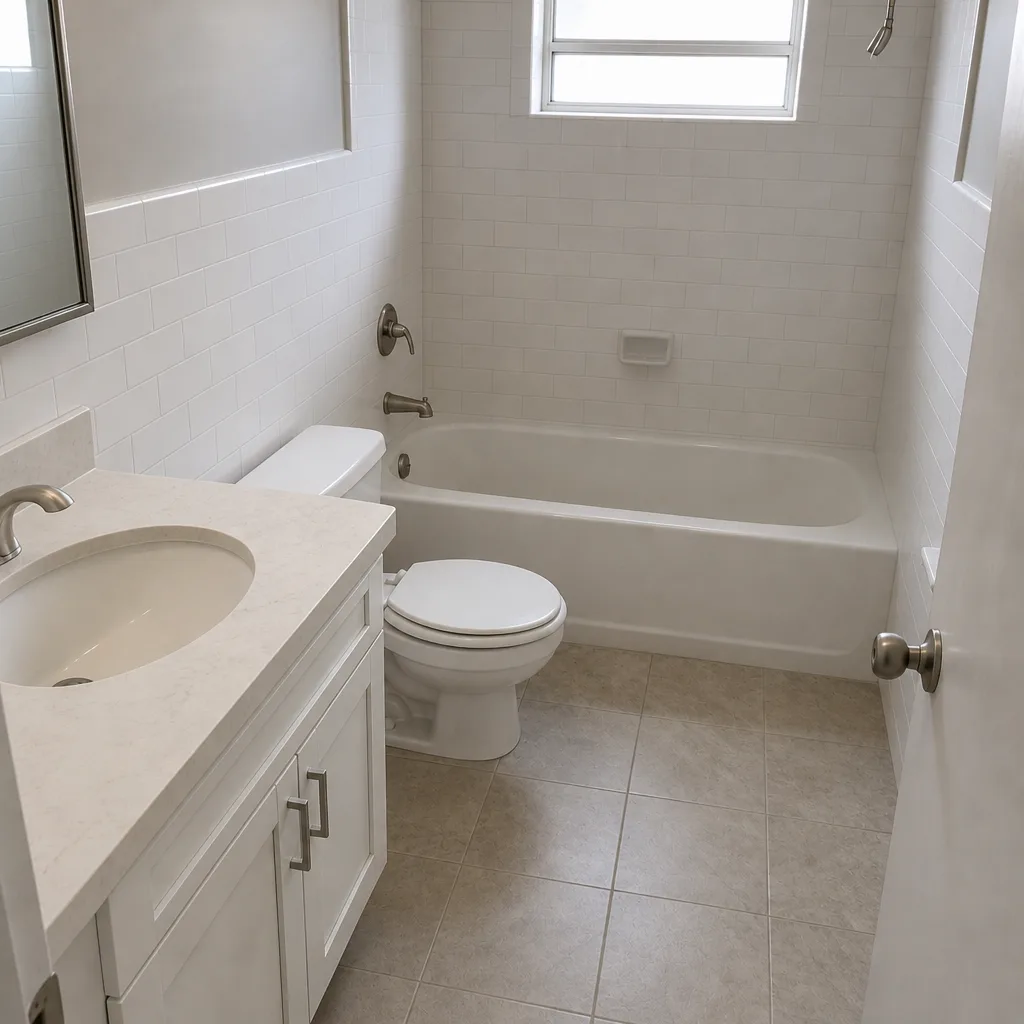
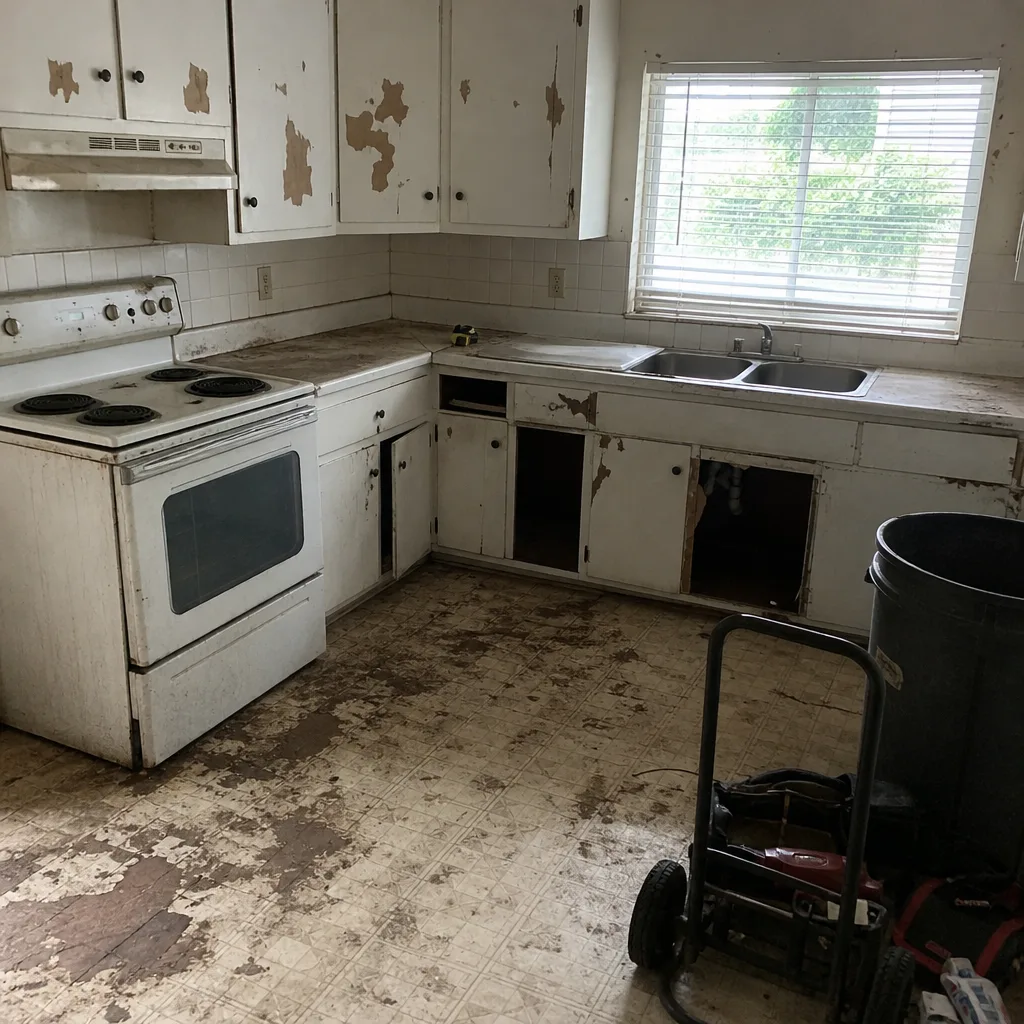
See the difference
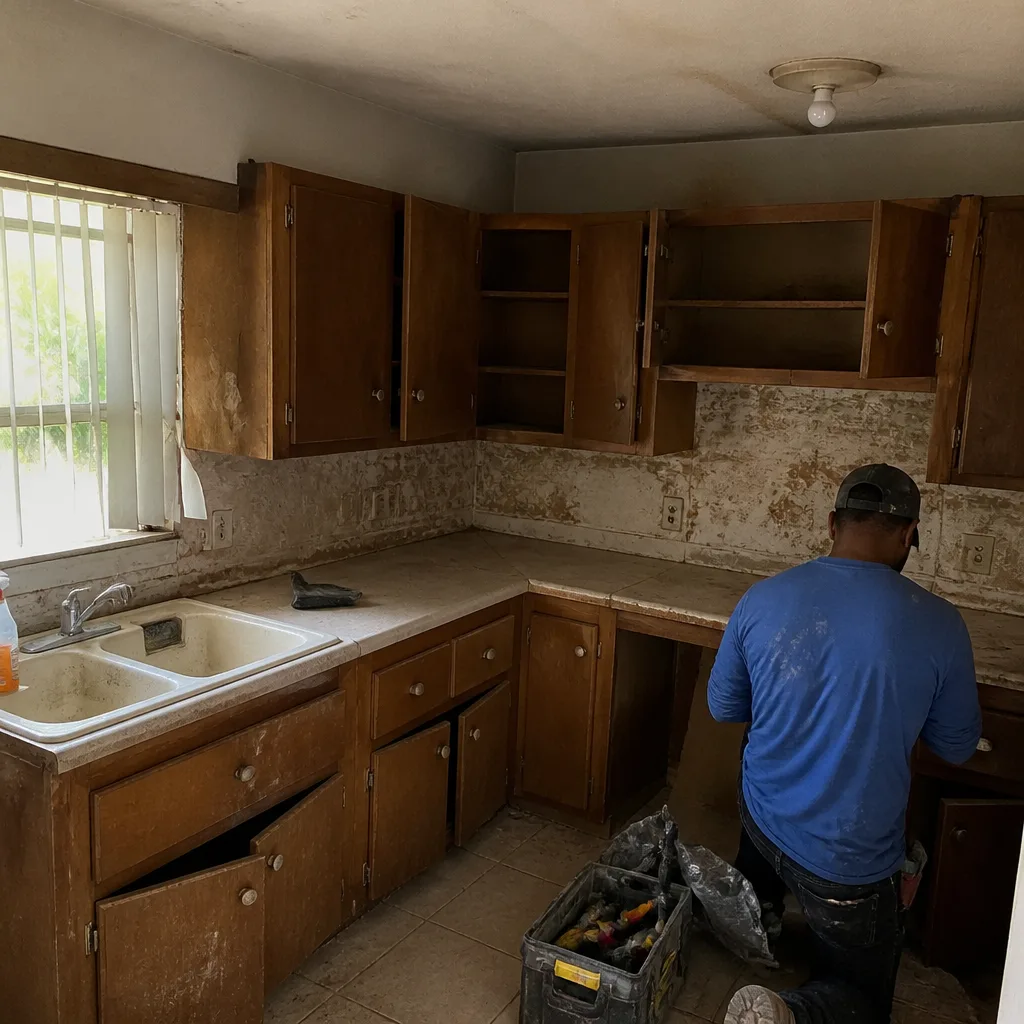 Before
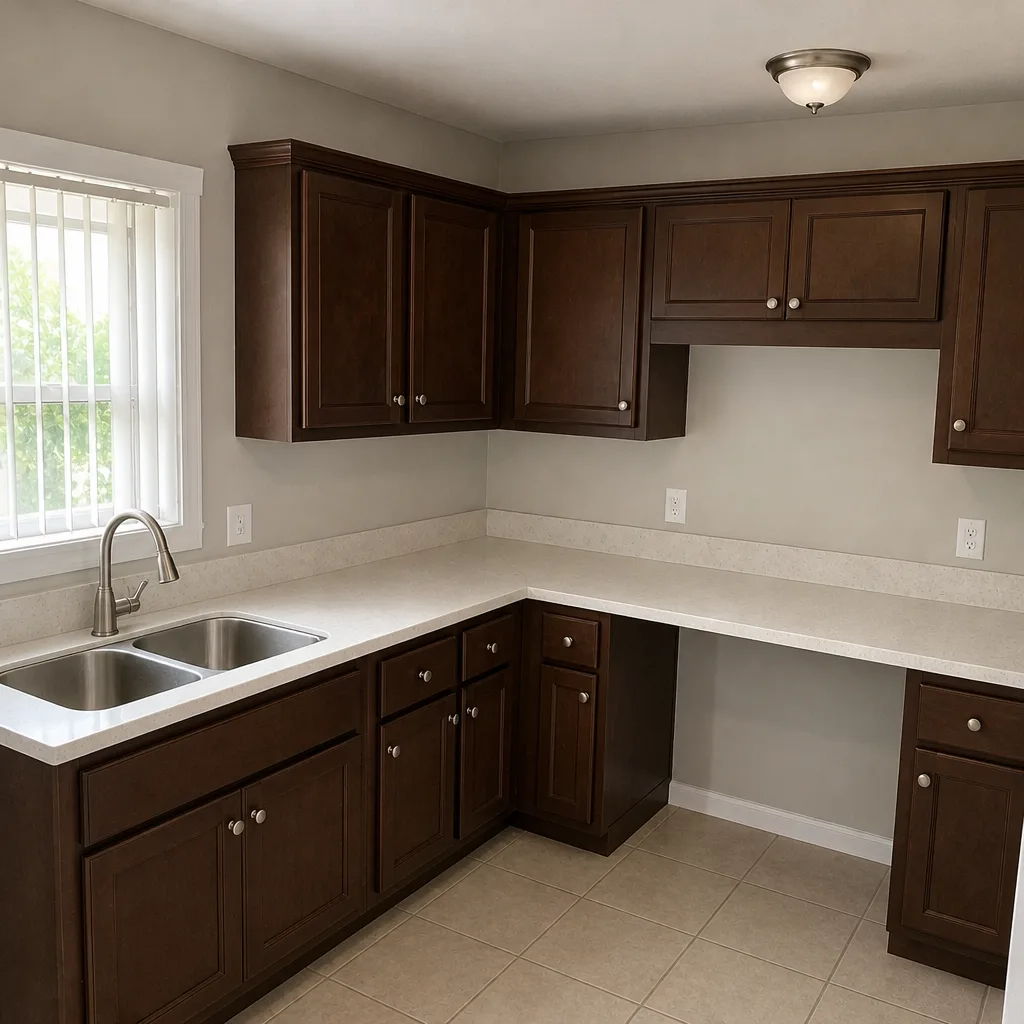 After
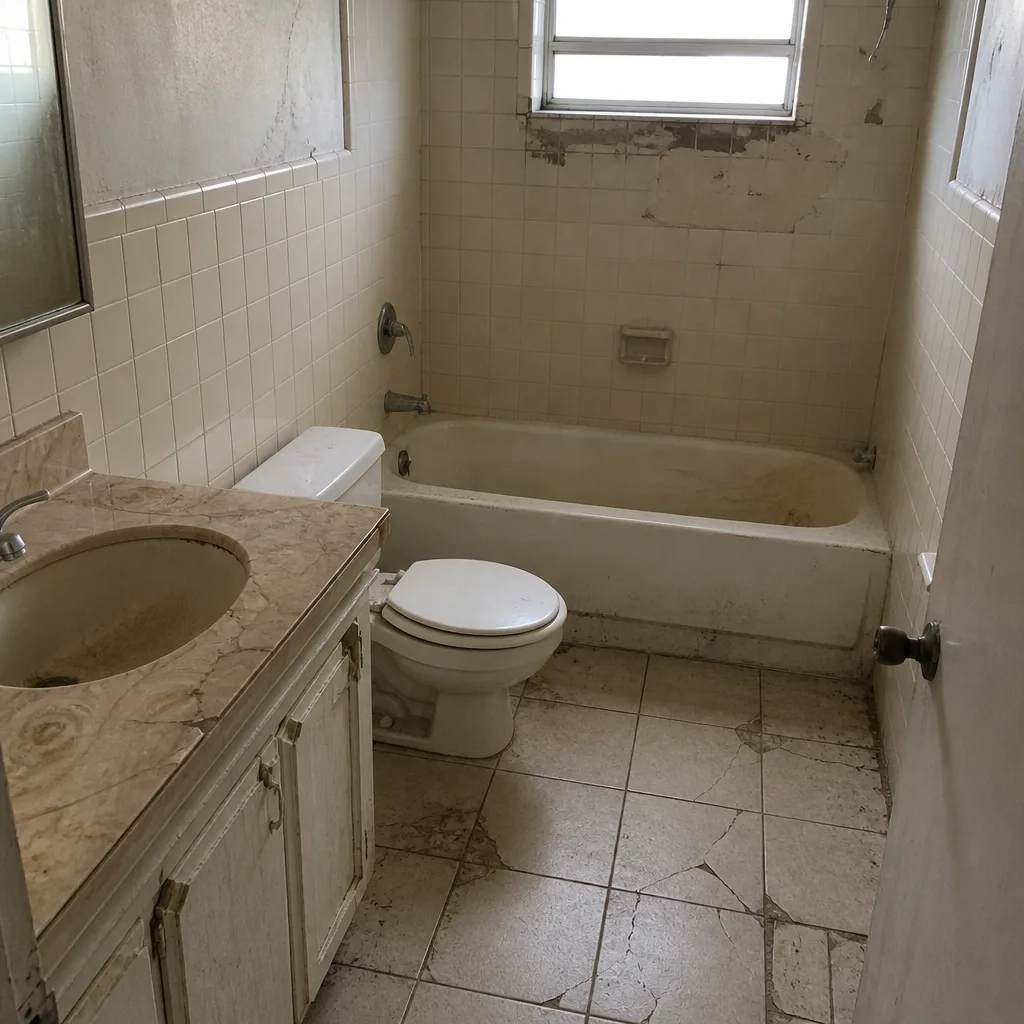 Before
 After
 Before
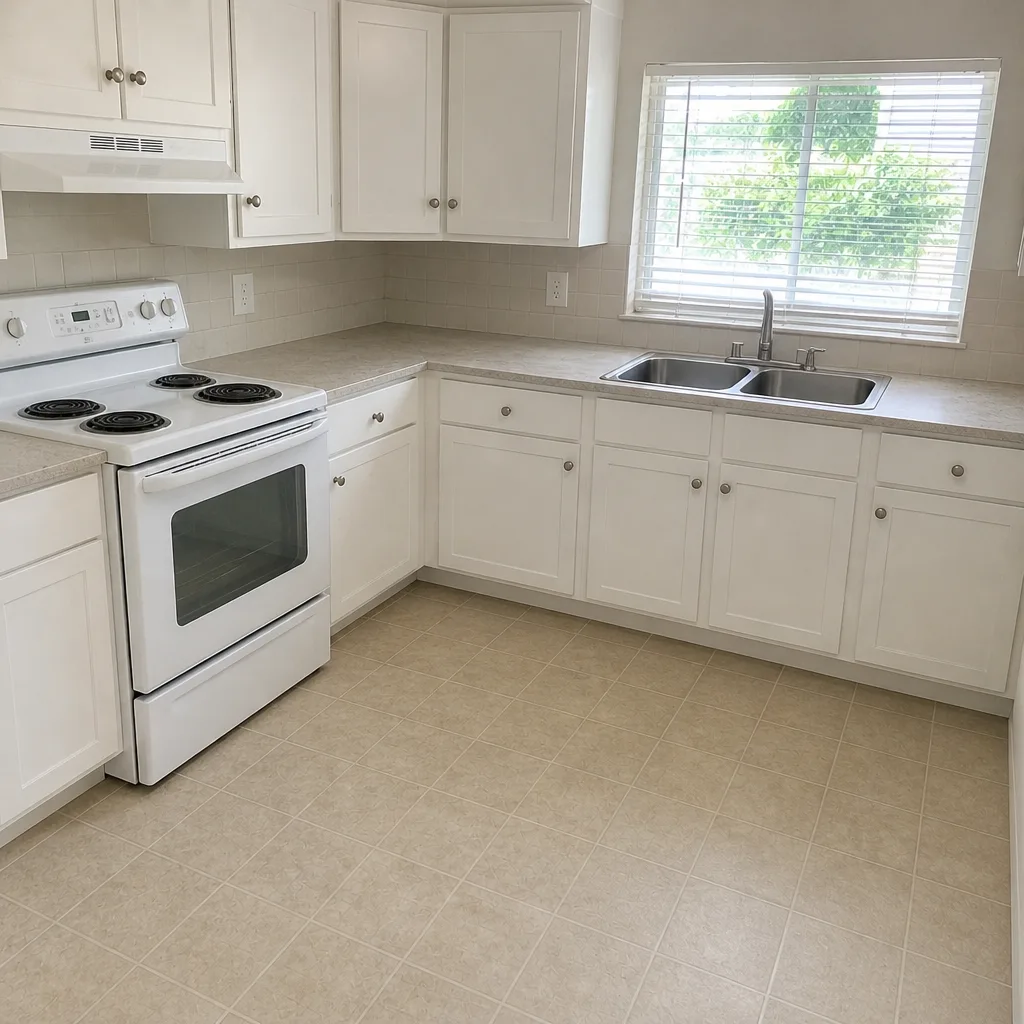 After
Common Mistakes to Avoid
- Buying a product without a current NOA for Miami Gardens. The product has to have an active NOA for the specific installation. “It’s impact rated” isn’t the same thing. Check the number before you sign.
- Accepting a phone quote as final. Our crew members can’t price a Miami Gardens job without a measurement. If someone quotes you a whole-house number over the phone, that number was made up.
- Relying on hurricane film as an opening protection solution. Film helps hold glass together. It does not reinforce the frame or the anchoring. It does not satisfy the county’s opening protection requirement.
- Skipping sill flashing on sliding doors. Water intrusion at the threshold is one of the most common callbacks in South Florida. It’s cheap to do right and expensive to fix.
- Not filing the insurance paperwork. The discount often disappears in a policy renewal because the proof was never submitted. Save labels, NOAs, and the final inspection.
- Using a contractor who treats the permit as optional. Some do. Miami Gardens has a robust inspection process for a reason; a contractor who tries to skip it is telling you something about the rest of the job.
- Ignoring salt air in the hardware choice. Miami Gardens is close enough to the coast that the wrong hinges and rollers will bind within a few years. Choose hardware rated for humid, coastal conditions.
When to Call a Professional
Call us when the scope includes any opening in a Miami Gardens home that doesn’t already have a NOA-approved product and documentation. Call when a quote you’ve received doesn’t name the model, the NOA, the DP rating, or the U-factor. Call when a contractor tells you the permit is “not really needed” for a window swap. Call when you’re filing an insurance claim and need the wind mitigation form matched to what’s actually installed. Call when a slider is sagging, a threshold is weeping, or a front door swings hard in the summer heat. Call when you’re weighing impact windows against shutter replacement and want a straight answer about which is right for your home, not a sales pitch. We offer free estimates in Miami Gardens – call (844) 797-8316 to schedule yours.
Frequently Asked Questions
Yes. Window and door replacement in Miami Gardens requires a permit through Miami-Dade County, and the installation must be inspected. The permit names the specific product and its NOA, and the inspector checks the label and anchoring against that document. Skipping the permit puts your insurance documentation at risk and can force removal of the installation later. Call (844) 797-8316 for an exact quote – estimates are free.
A NOA is the county’s formal approval of a specific window or door product, tied to a model, a test lab, and design pressures. Every product label carries the NOA number, and your installer should be able to show you the corresponding document. If a quote doesn’t list the NOA for each opening, ask for it in writing.
Impact windows are not the only compliant path; properly rated and installed storm shutters can also satisfy opening protection requirements. But the products you install must meet the county’s rules, and the insurance treatment depends on your carrier and how the protection is documented. For many homeowners, impact windows reduce pre-storm work and simplify the coverage conversation.
They measure different things, so both matter. U-factor affects heat flow through the assembly; SHGC controls how much solar heat the window lets in. In South Florida’s climate, a low SHGC often does the most work on cooling bills, while a low U-factor helps the whole assembly perform. Ask for both numbers on your quote, not just “energy efficient.”
It can, if the products are documented correctly and your carrier recognizes the accreditation. The paperwork is the difference: save the labels, the NOA numbers, and the final inspection, and ask for a wind mitigation form after install. We don’t quote discount percentages because they vary by carrier, but the filing is straightforward when the documentation is complete.
Not without a written change order signed before the work shifts. Every scope, every allowance, and every price change is documented in writing before it impacts your bill. If we find something unexpected – rot at a sill, out-of-plumb framing that changes the anchoring – you’ll see a written change order first. The number at the end matches the number you signed.
The Bottom Line
Choosing windows and doors in Miami Gardens is an engineering decision first. The Miami-Dade NOA is what makes a product legal in this county, and the installation to that NOA is what makes it hold. Impact glass, hurricane film, and storm shutters are not interchangeable – each protects against something different. Read the label for DP, U-factor, and SHGC, and choose hardware that survives humid, coastal air. File the insurance documentation at install. Use a contractor who pulls the permit and welcomes the inspection. If a quote arrives without a written scope and a named product, it isn’t a quote. It’s a hook. Barrett & Sons Construction Miami Gardens provides free estimates, written scopes, and permits pulled on every eligible job.
Call (844) 797-8316 to schedule your free estimate on windows and doors in Miami Gardens. We answer the phone with a live person, all day and all night. Free second opinion on any written estimate you already have. No trip charge inside the county. $40 off any repair over $200. And a permanent 10% senior and veteran discount, no questions asked. Every completed job is backed by the written 90-Day Done Right Promise – if it’s not done right, we come back and make it right, one call.
Written by the team at Barrett & Sons Construction Miami Gardens.